

Many people rely on their GE clothes washer every week. When it stops working, it can disrupt daily life. If you’re facing problems, you’re not alone. GE is a popular brand, but like all appliances, their washers can develop issues over time.
The good news is that most problems have simple solutions. With a bit of guidance, you can fix many issues yourself, saving money and time. In this article, you’ll find practical troubleshooting steps for different GE washer problems, tips to prevent future issues, and clear explanations so you can feel confident handling your laundry machine.

36% off Today’s Exclusive Deals
Limited-time Exclusive Deals. Check current discount on Amazon.
Check Price on Amazon As an Amazon Associate I earn from qualifying purchases.Common Problems With Ge Clothes Washers
Understanding the most frequent issues helps you identify what’s wrong faster. Here are the main problems users report:
- Washer won’t start
- Washer won’t spin
- Washer leaks water
- Washer is noisy
- Washer doesn’t drain
- Washer doesn’t fill with water
- Clothes come out still dirty
- Error codes on display
Each of these problems can have several causes. Let’s look at how to troubleshoot and fix them.
Troubleshooting Steps For Ge Washer Problems
Washer Won’t Start
When your GE washer doesn’t start, check these areas:
- Power supply: Make sure the plug is firmly in the outlet. Test the outlet with another device, like a lamp.
- Circuit breaker: Check your home’s circuit breaker. If the breaker has tripped, reset it.
- Door/lid switch: Most GE washers won’t start if the door or lid isn’t fully closed. Listen for a click when you close it.
- Control panel: Is the display working? If not, the control board might have failed. Try unplugging the washer for one minute and plugging it back in.
- Delay start: If your model has this feature, check if you accidentally set a delay.
Non-obvious insight: Sometimes, the washer pauses if it senses an imbalance. Open and close the lid to reset the cycle.
Washer Won’t Spin
A washer that fills and washes but won’t spin can be frustrating. Here’s what to check:
- Load balance: Overloading or uneven loads can cause the washer to skip the spin cycle. Redistribute clothes evenly.
- Lid switch: If the switch is faulty, the machine won’t spin. Test by pressing the switch manually.
- Drive belt: If the belt is loose or broken, the drum won’t spin. Inspect by removing the back panel.
- Motor: Listen for humming or clicking. If the motor is silent, it may need replacement.
Example: If you hear the washer drain but not spin, the lid switch is likely the cause.
Washer Leaks Water
Water leaks can damage floors and waste water. Pinpoint the leak:
- Hoses: Check the inlet and drain hoses for cracks or loose connections.
- Door seal: Front loaders often leak if the rubber gasket is dirty or damaged. Clean it regularly.
- Detergent drawer: Too much detergent can cause overflow.
- Pump: Inspect for visible cracks or water around the pump.
Non-obvious insight: Cold weather can cause hoses to harden and crack faster, especially in basements.
Washer Is Noisy
Noise is a common complaint. GE washers can make strange sounds for several reasons:
- Foreign objects: Coins or buttons left in pockets can rattle during cycles.
- Bearing wear: If you hear grinding, the drum bearings may be failing.
- Loose parts: Screws or bolts inside the machine can loosen over time.
- Unbalanced loads: An uneven load can cause thumping.
Tip: Run an empty cycle to see if the noise continues. If it does, the issue is inside the washer.
Washer Doesn’t Drain
A washer that leaves water in the drum isn’t working properly. Try these steps:
- Drain hose: Look for kinks, blockages, or clogs.
- Pump filter: Many models have a filter near the pump. Clean it every few months.
- Pump failure: If you hear the pump running but water isn’t moving, the pump may need replacement.
- Clogged standpipe: Make sure your home’s plumbing isn’t blocked.
Example: If the washer drains slowly, check the filter and hose first.
Washer Doesn’t Fill With Water
If the drum stays dry, investigate these causes:
- Water supply: Ensure both hot and cold water valves are open.
- Inlet valve: If the valve is clogged, water won’t enter. Clean any filters.
- Control board: Sometimes, the electronic controls fail to signal the valve.
- Low water pressure: If your home’s water pressure is below 20 psi, the washer may not fill.
Non-obvious insight: Hard water can clog inlet valves faster. Use a filter to prevent buildup.
Clothes Come Out Still Dirty
When your washer finishes, but clothes look or smell dirty:
- Detergent amount: Using too much or too little detergent affects cleaning. Follow the label instructions.
- Cycle choice: Choose the right cycle for the fabric and soil level.
- Water temperature: Cold water may not remove oily stains. Try warm or hot cycles.
- Washer maintenance: Run a cleaning cycle monthly to remove residue.
Tip: Check the drum for leftover lint or soap buildup.
Error Codes On Display
GE washers display error codes when something is wrong. Each code relates to a specific issue, like water supply, door lock, or motor failure.
- Consult the manual: Your washer’s manual lists codes and solutions.
- Reset the washer: Unplug for one minute and restart.
- Most common codes:
- E22: Drain problem
- E23: Pump or filter issue
- E42: Door lock error
Example: If you see E22, check the drain hose and filter first.
Quick Reference: Ge Washer Problem And Solution Table
To make things easier, here’s a comparison table of common GE washer problems and their solutions:
| Problem | Possible Causes | Quick Solution |
|---|---|---|
| Washer won’t start | Power supply, lid switch, control panel | Check power, close lid, reset washer |
| Won’t spin | Load balance, lid switch, drive belt | Redistribute clothes, test lid switch, inspect belt |
| Leaks water | Hoses, door seal, pump | Inspect hoses, clean gasket, check pump |
| Noisy | Foreign objects, bearings, loose parts | Remove items, check bearings, tighten screws |
| Doesn’t drain | Drain hose, pump filter, pump failure | Clear hose, clean filter, replace pump |
| Doesn’t fill | Water supply, inlet valve, control board | Open valves, clean inlet, check control |
| Dirty clothes | Detergent, cycle, water temp | Adjust detergent, select proper cycle, check temp |
| Error code | Various | Check manual, reset washer, fix cause |
Step-by-step Guide: How To Fix Your Ge Washer
1. Check Power And Connections
Always start with the basics. Make sure the washer is plugged in and the outlet works. If it doesn’t, reset the circuit breaker.
2. Inspect The Lid Or Door
On most models, the washer won’t run if the lid or door isn’t closed properly. Look for debris or damage on the latch.
3. Look For Error Codes
If your GE washer has a digital display, error codes help identify issues. Find the code in your manual or online. Some codes mean you need to clean a filter, others mean you need a technician.
4. Examine The Hoses
Check all hoses for kinks, leaks, or cracks. Tighten connections to prevent leaks.
5. Clean The Filter
Many GE washers have a filter near the drain pump. Remove and clean it every two or three months to avoid blockages.
6. Balance The Load
If your washer shakes or doesn’t spin, redistribute the clothes. Don’t overload the drum.
7. Test The Motor And Belt
If the drum doesn’t move, the drive belt or motor may be faulty. Listen for unusual sounds. If you’re comfortable, remove the back panel to inspect.
8. Run A Cleaning Cycle
Soap residue and dirt can build up inside the washer. Use a washer cleaning tablet or a mix of vinegar and baking soda. Run an empty cycle to clean the drum.
9. Reset The Washer
Unplug the washer for one minute. Plug it back in and start a cycle. This simple step fixes many electronic problems.
10. Call For Service
If you’ve tried all steps and the washer still doesn’t work, contact GE customer support or a local repair technician. Some issues, like control board failure, require professional help.
Prevention Tips For Ge Washer Owners
Keeping your washer in good shape saves money and prevents future problems. Here are practical tips:
- Clean drum and filter regularly
- Don’t overload the washer
- Use the right detergent for your model
- Check hoses for leaks every three months
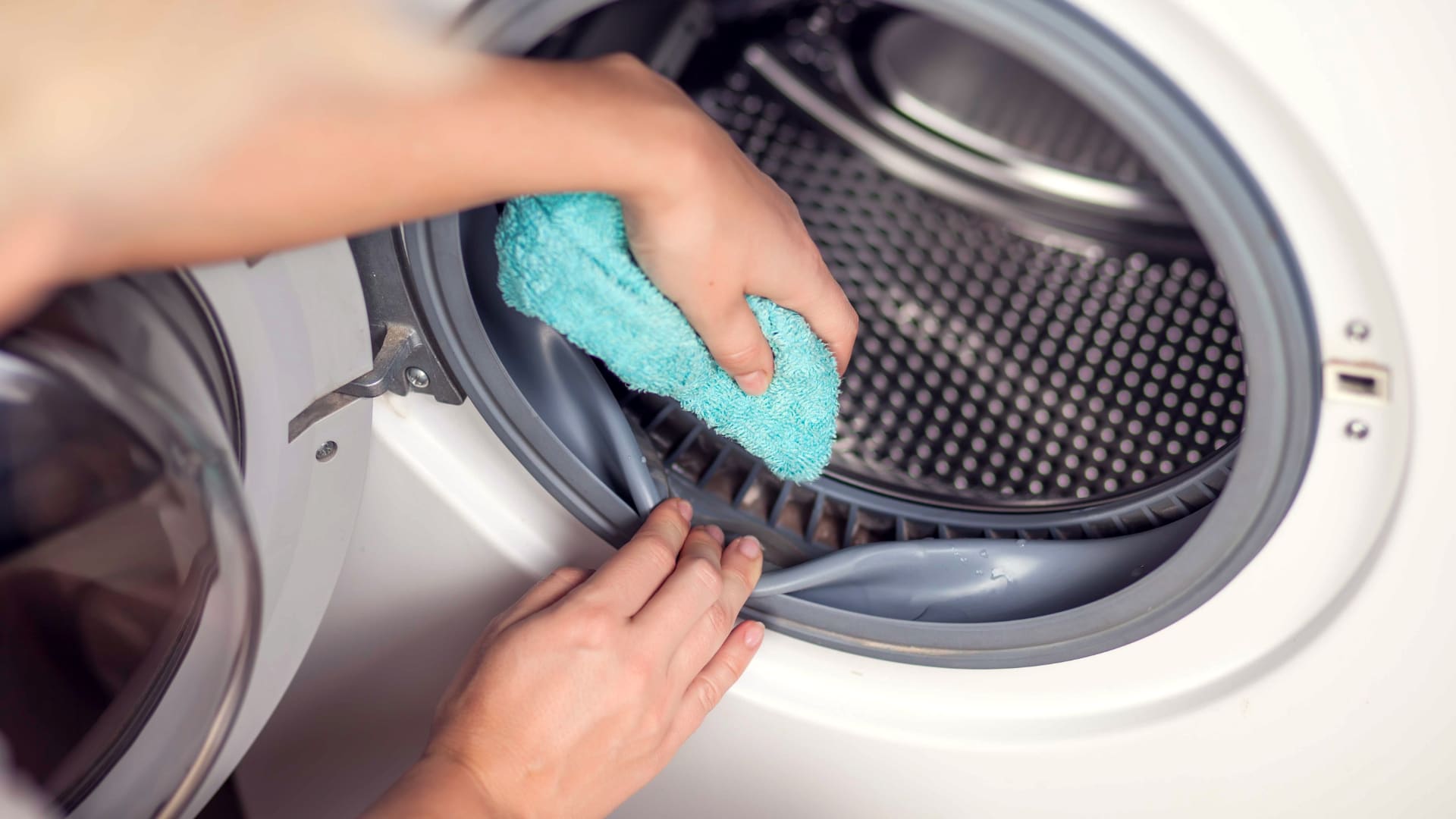
- Wipe door gasket after every wash to prevent mold
- Run a cleaning cycle once a month
- Leave the door open after washing to let the drum dry
Non-obvious insight: Using too much detergent can create soap buildup, leading to odor and drainage issues. Measure detergent carefully.
Ge Washer Model Comparison: Features And Reliability
Choosing the right GE washer matters if you’re replacing your old unit. Here’s a comparison of popular GE models:
| Model | Type | Capacity | Special Features | Reliability Rating (out of 5) |
|---|---|---|---|---|
| GTW680BSJWS | Top Load | 4.6 cu. ft. | Deep Fill, Stain Removal Guide | 4.2 |
| GFW850SPNRS | Front Load | 5.0 cu. ft. | Smart Dispense, UltraFresh Vent | 4.5 |
| GTW335ASNWW | Top Load | 4.2 cu. ft. | Dual-Action Agitator | 4.0 |
| GFW550SSNWW | Front Load | 4.8 cu. ft. | Sanitize Cycle, Energy Star | 4.3 |
Data source: Reliability ratings from consumer reviews and independent testing.
Advanced Troubleshooting: When To Repair Or Replace
Some problems are worth fixing, while others suggest you should replace your washer. Here’s a simple guide:
| Issue | Repair Cost | Replacement Recommended? |
|---|---|---|
| Lid switch failure | $50–$100 | No |
| Drive belt replacement | $75–$150 | No |
| Control board failure | $200–$400 | Yes |
| Pump replacement | $150–$300 | Depends |
| Drum bearing replacement | $300–$500 | Yes |
If the repair costs more than half the price of a new washer, consider replacing it. New washers are more efficient and come with better warranties.
Common Mistakes When Troubleshooting Ge Washers
Avoid these mistakes to prevent further damage:
- Ignoring error codes: Always check the codes before guessing.
- Overloading the drum: This strains the motor and can cause breakdowns.
- Skipping regular cleaning: Dirt and soap buildup leads to more problems.
- Using wrong detergent: Only use detergent made for HE washers if your model is high-efficiency.
- Not checking hoses: Small leaks can become big issues.
Non-obvious insight: Some GE washers have hidden filters or access panels. Check your manual to find all maintenance locations.

When To Call A Professional
Some repairs are best left to experts:
- Electrical issues: If the control board or wiring is damaged.
- Water leaks inside the machine: If you see water pooling under the washer.
- Drum not moving: After checking the belt and motor, if the drum still won’t spin.
- Repeated error codes: If codes keep appearing after resets.
If your washer is under warranty, contact GE service before doing any repairs yourself. You can find official service information at the GE Appliances Support website.
Frequently Asked Questions
Why Does My Ge Washer Stop Mid-cycle?
This usually happens because of an unbalanced load, a faulty lid switch, or a power issue. First, redistribute the clothes. If the problem continues, check the lid switch and power supply.
How Often Should I Clean My Ge Washer Filter?
Clean the filter every two to three months. If you wash heavy items or pet bedding, clean it more often to prevent clogs.
What Does “e22” Mean On My Ge Washer?
E22 is a drain problem code. Check the drain hose and pump filter for blockages. Clean the filter and try restarting the washer.
Can I Use Regular Detergent In My Ge High-efficiency Washer?
No. Use only HE detergent in high-efficiency models. Regular detergent creates too many suds, which can damage the washer and leave residue.
How Can I Prevent Mold In My Ge Front Load Washer?
Wipe the door gasket after every wash. Leave the door open to let the drum dry. Run a cleaning cycle monthly with a washer cleaner or vinegar.
Keeping your GE clothes washer running smoothly doesn’t have to be difficult. With regular care and quick troubleshooting, you can solve most issues at home. Remember to check the basics first, use the right detergent, and clean the washer often.
For bigger repairs, know when it’s smarter to call a professional or consider a replacement. By following these steps, you’ll enjoy clean clothes and a reliable washer for years to come.


