

Heat Surge fireplace issues usually stem from power, remote, thermostat, or safety switch faults.
I have worked with and repaired many electric fireplaces. This guide on Heat Surge Electric Fireplace Troubleshooting gives clear steps and tips. You will get short fixes, checks, and when to call a pro. I explain common faults, quick tests, and safe repairs you can try at home.

36% off Today’s Exclusive Deals
Limited-time Exclusive Deals. Check current discount on Amazon.
Check Price on Amazon As an Amazon Associate I earn from qualifying purchases.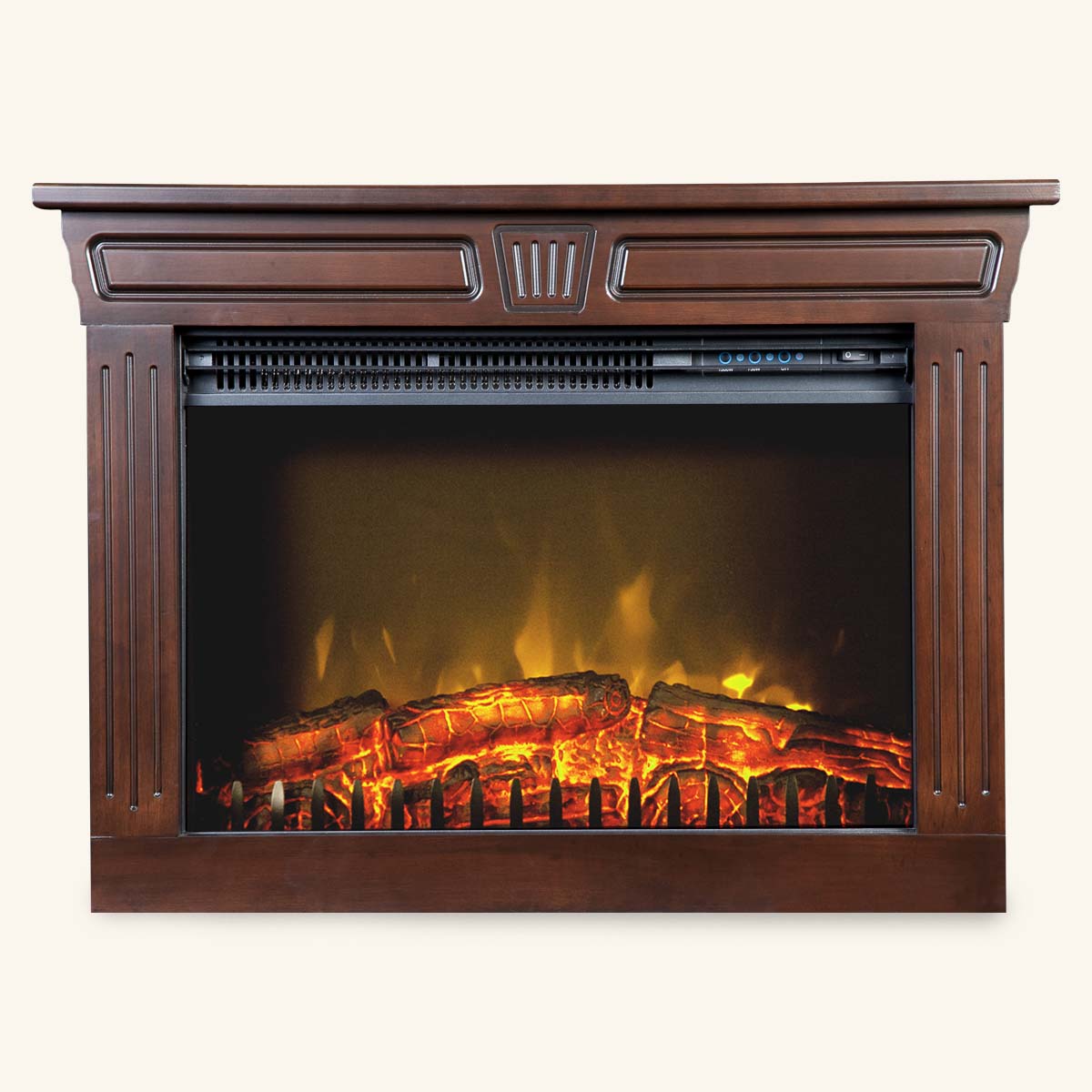
Common problems with Heat Surge Electric Fireplaces
Heat Surge Electric Fireplace Troubleshooting usually starts with five common problems.
The unit does not turn on. The heater turns off suddenly. The remote does not work. The flame effect is dim or missing. Strange noises or odors appear.
Why these happen is clear. Power or outlet issues are common. Faulty remotes or weak batteries cause many complaints. Internal safety switches or blown thermal fuses can stop heat flow. Understanding each problem makes troubleshooting faster and safer.
- No power at outlet
- Remote battery or pairing issue
- Overheat or thermal cutoff tripped
- Blown internal fuse or defective wiring
- Faulty control board or motor
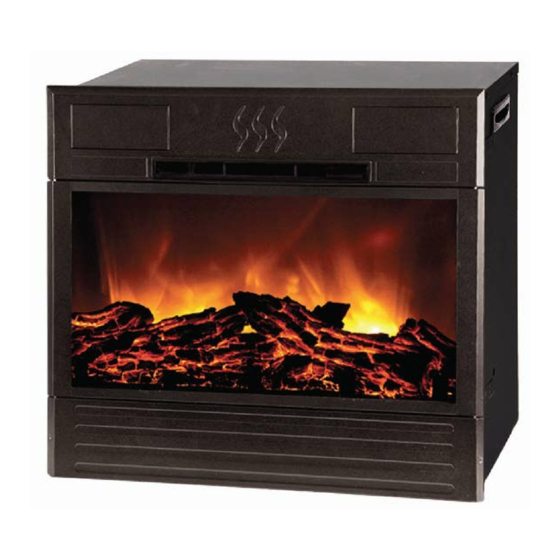
Step-by-step Heat Surge Electric Fireplace Troubleshooting guide
Follow a simple order. Start with the easiest checks. Move to more technical steps only if needed.
- Check power and outlet
- Make sure the unit is plugged in and the outlet works. Test the outlet with a lamp or phone charger.
- Inspect the power cord
- Look for frays, kinks, or damage. Replace the cord if damaged.
- Test the circuit breaker
- Reset the breaker or fuse. Some fireplaces trip GFCI outlets.
- Try the manual controls
- Use buttons on the unit to rule out remote issues.
- Check the remote
- Replace batteries and re-pair if needed.
- Reset the unit
- Unplug for one minute, then plug back in to clear simple faults.
Move to internal checks only if these steps fail. If a thermal fuse or wiring is suspected, stop and call a professional. Handling internal parts can void warranty or risk injury.

Interpreting lights, error codes, and indicator behaviors
Heat Surge Electric Fireplace Troubleshooting often involves checking indicator lights. Lights can show power, heat mode, or errors. A blinking light can mean a safety trip or sensor fault. No lights mean a power or control board issue.
If an error code appears, write it down. Manufacturer guides map codes to parts or sensors. A steady light with no heat may mean a failed heating element. Blinking with noise can show motor or blower faults.
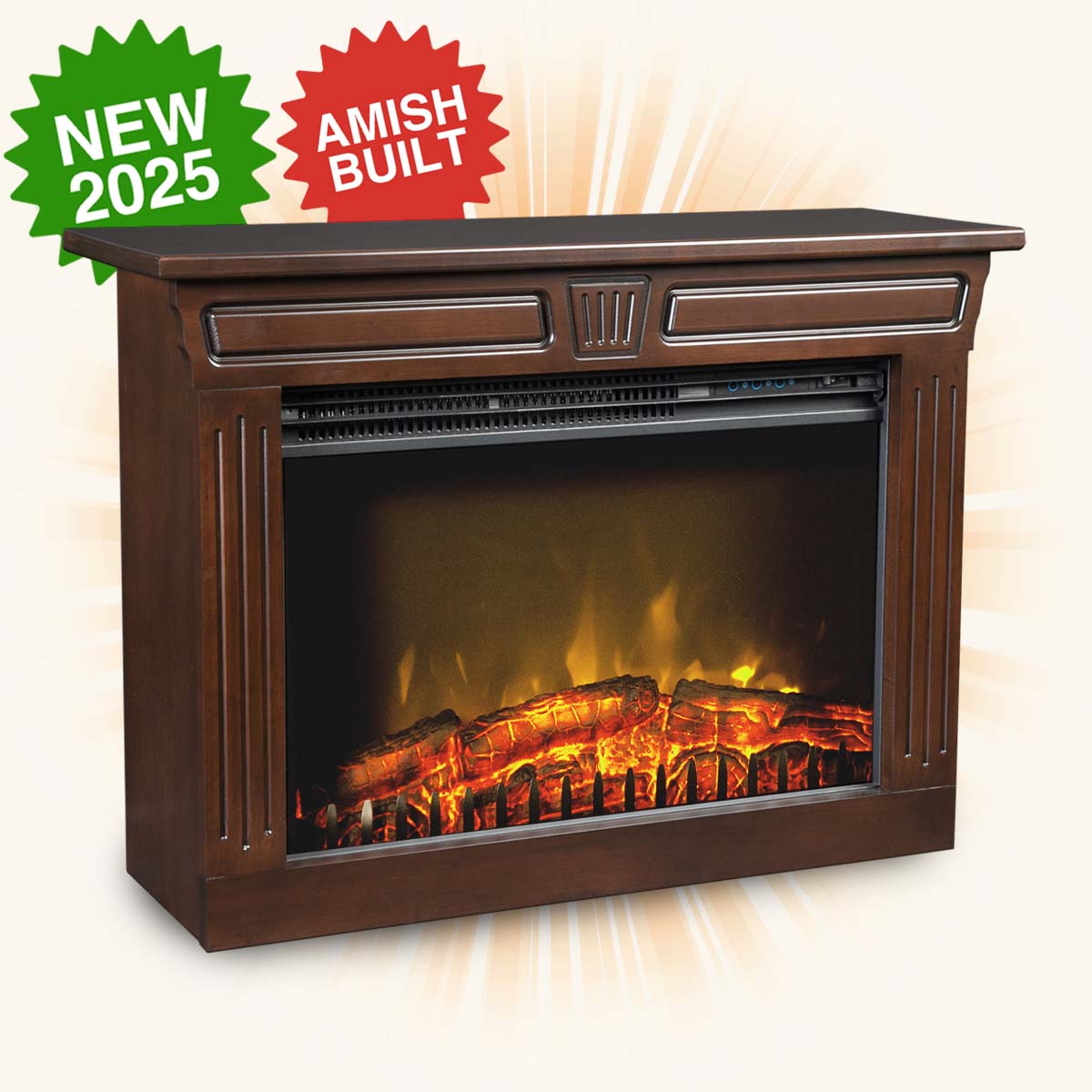
Cleaning and regular maintenance to prevent faults
Routine care helps avoid many problems. Dust and lint block vents. That causes overheating and trips. Clean exterior surfaces and vent grills monthly. Vacuum the intake gently with a brush head.
Check the flame and light bulbs annually. Some models use LED modules that rarely fail. Others use incandescent bulbs that need replacement. Keep the unit dry. Moisture damages electronics and causes corrosion.
- Clean vents monthly
- Replace bulbs or LED modules as needed
- Keep the unit in a dry, well-ventilated area
- Check plug and cord for wear
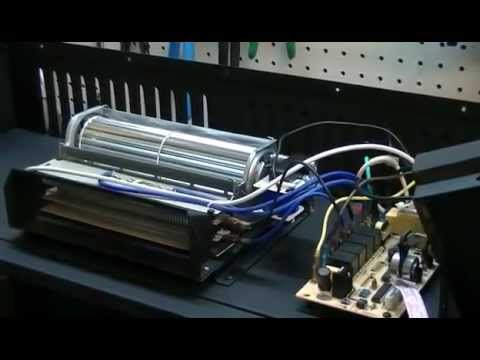
Remote and thermostat troubleshooting
Remote issues are common and easy to fix. Replace remote batteries first. Re-pair the remote using the unit’s pairing steps. If the remote still fails, try a universal remote or the manual controls.
Thermostat problems can look like inconsistent heat. Check the room placement of the thermostat. Drafts or direct sunlight can mislead the sensor. If the internal thermostat fails, the heater may cycle on and off. A technician can test and replace a faulty thermostat.

Power, wiring, and outlet checks
Heat Surge Electric Fireplace Troubleshooting must include a careful look at power sources. Confirm the outlet supplies steady power. Avoid using extension cords or power strips. These can overheat and fail.
Inspect the breaker and GFCI. Many fireplaces share circuits with other heavy loads. If the breaker trips, move other devices to another circuit. For hardwired models, turn off power at the panel before inspecting wires. When in doubt, call a licensed electrician.

Replacing parts and when to call a professional
Some fixes are safe to do at home. Replacing remote batteries, bulbs, and cleaning filters are fine. Replacing a fuse, heating element, blower motor, or control board is more complex. These parts may require tools and technical know-how.
Call a professional when:
- You must open sealed panels
- You suspect wiring or board damage
- A thermal fuse keeps tripping after cleaning
- The unit smells like burning or produces smoke
Most warranties require service by an authorized technician. Check warranty terms before opening the unit.
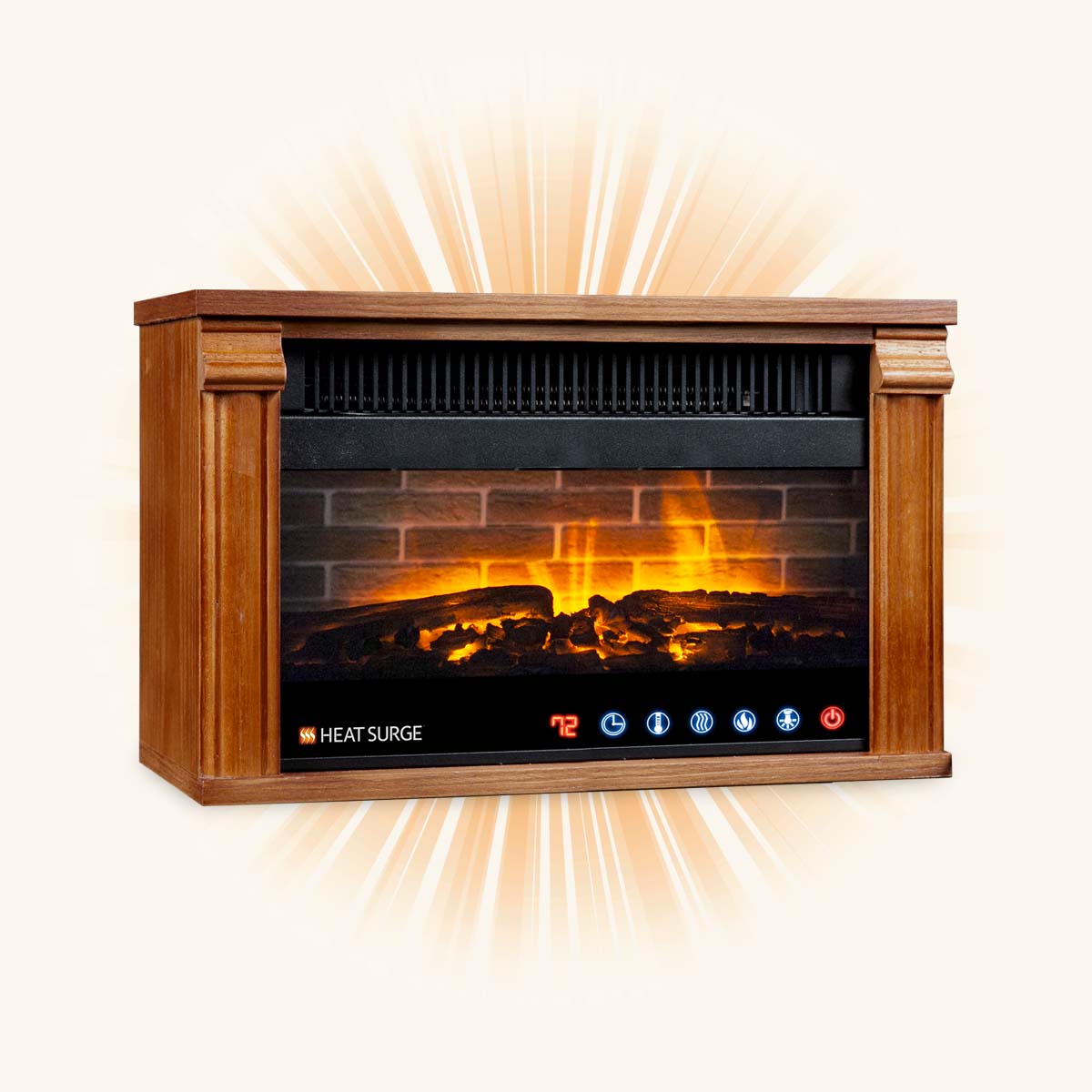
Safety tips and precautions
Safety must guide every troubleshooting step. Always unplug the unit before working on it. Allow components to cool for at least 30 minutes. Use insulated tools for any minor checks.
Never bypass safety switches or sensors. They protect from overheating and fire. If you smell burning or see smoke, unplug immediately and ventilate the room. Contact a pro and avoid using the unit until inspected.
Quick Heat Surge Electric Fireplace Troubleshooting checklist
Use this checklist for a fast fix. Work top to bottom and mark each step as done.
- Confirm outlet works with another device.
- Check and replace remote batteries.
- Reset the breaker and GFCI.
- Unplug and wait 60 seconds, then plug back in.
- Clean vents and vacuum lint.
- Inspect cord for damage.
- Try manual control buttons.
- Note any lights or error codes.
- Replace bulbs or LED modules if flame is dim.
- Call a technician for internal fuses, wiring, or control board faults.
Keep the checklist near the unit. It saves time and helps you explain the issue to a technician.
Personal experience and practical tips
I have repaired dozens of electric fireplaces. Most calls were solved by checking the outlet and remote first. Once, a unit would not heat until I removed lint blocking the intake. Another time, a fragile plug was loose in the outlet and caused intermittent power. These small checks save money and time.
Lessons I learned:
- Always try the easiest fix first. It often works.
- Keep a small tool kit and spare bulbs handy.
- Take photos before disassembly. Photos help reassembly and warranty claims.
- Respect warranty and safety rules to avoid costly mistakes.
Frequently Asked Questions of Heat Surge Electric Fireplace Troubleshooting
What should I check first if my Heat Surge unit won't turn on?
Check the power outlet and cord first. Try another device in the same outlet, then replace remote batteries and test the manual buttons.
How do I reset my Heat Surge electric fireplace?
Unplug the unit for 60 seconds, then plug it back in. Reset the breaker if needed and try the manual controls again.
Why is my Heat Surge fireplace making noise?
Noise often comes from the blower or motor. Clean vents and check for loose screws. If noise persists, the motor or fan may need replacement.
How do I fix a weak flame effect?
Clean dust from the light modules and replace bulbs if needed. Check that LED modules are secure and power is stable.
When should I call a professional for Heat Surge Electric Fireplace Troubleshooting?
Call a pro for wiring issues, repeated thermal trips, control board faults, or any time the unit requires internal inspection. Also call if you smell burning or see smoke.
Can I use an extension cord with my Heat Surge fireplace?
No. Avoid extension cords. They can overheat and cause trips or fire risk. Plug directly into a properly rated outlet.
How often should I clean my Heat Surge fireplace?
Clean vents and the exterior monthly. Do a deeper clean and bulb check yearly or as needed.
Closing summary and next steps
Heat Surge Electric Fireplace Troubleshooting starts with power, remote, and cleaning checks. Move step by step from simple fixes to more complex inspections. Keep safety first and avoid bypassing safety parts. Use the checklist to stay organized and keep photos and notes for technicians.
Take action today. Try the simple checks on the list and note any lights or errors. If you need help, contact an authorized technician or electrician. Share your experience or questions below to help others.

