

If you own an RV with an Apus tankless water heater, you know how convenient on-demand hot water can be. But what happens when your heater stops working, flashes an error, or delivers only cold water? Many RVers face these issues and wonder if a reset could fix the problem. The good news is that most Apus RV tankless water heaters have a reset feature, but using it correctly matters. Resetting can clear error codes, restore normal function, and even save a trip to the service center. However, there are right and wrong ways to reset these units. This article offers a detailed, step-by-step guide for resetting your Apus RV tankless water heater, with practical advice, troubleshooting insights, and tips every owner should know.
Understanding Your Apus Rv Tankless Water Heater
Before jumping into the reset process, it’s important to understand how your Apus tankless water heater works. These units heat water instantly as it passes through the system, meaning there’s no storage tank. This makes them energy-efficient and perfect for RV life, where space and resources are limited.

36% off Today’s Exclusive Deals
Limited-time Exclusive Deals. Check current discount on Amazon.
Check Price on Amazon As an Amazon Associate I earn from qualifying purchases.Key features of Apus RV tankless water heaters:
- On-demand heating: Only heats water when you need it.
- Compact design: Saves space in your RV.
- Electronic controls: Uses digital sensors and circuit boards.
- Safety features: Includes flame detection, temperature limits, and freeze protection.
Understanding these basics helps you recognize when a reset is appropriate and when deeper troubleshooting or repairs might be needed. Many issues that require a reset involve the heater’s electronic controls, such as error codes, sensor faults, or power interruptions.
Common Reasons To Reset Your Apus Rv Tankless Water Heater
RV owners often wonder when a reset is truly necessary. Here are the most common scenarios where resetting your unit can help:
- Error Codes on Display: The control panel shows an error message (e.g., E1, E2, E3).
- No Hot Water: The unit turns on, but only cold water comes out.
- Unexpected Shutdowns: The heater turns off randomly during use.
- After Power Outages: The system acts strangely after losing power.
- Sensor Glitches: The water temperature is inconsistent or fluctuates.
Not every problem can be solved by a reset. For example, mechanical failures, gas leaks, or severe electrical issues require professional repair. But for software or control-related issues, a reset is often the right first step.
Safety Precautions Before Resetting
Before you attempt to reset your tankless water heater, safety must come first. These heaters use electricity, gas, and water—three things that can be dangerous if handled carelessly.
Basic safety tips:
- Turn off power: Always switch off the unit at the main control panel before opening any covers.
- Shut off gas supply: If your heater uses propane or natural gas, close the gas valve.
- Check for water leaks: Make sure there are no leaks near the unit.
- Let components cool: If the heater has been in use, allow it to cool down for at least 10 minutes.
If you smell gas or see water pooling around your heater, do not attempt a reset. Instead, contact a certified technician immediately.
How To Reset An Apus Rv Tankless Water Heater: Step-by-step
Resetting your Apus RV tankless water heater is usually straightforward, but the exact method can vary by model. Most models use a reset button, but some require a power cycle or a combination of button presses. Here’s how to do it safely and correctly.
1. Locate The Reset Button Or Power Switch
Find your unit’s reset button or the main power switch. On most Apus models, the reset button is either:
- Behind the front access panel (requires a screwdriver to open).
- On the main control board inside the heater.
If your model does not have a visible reset button, you will need to perform a power cycle (see below).
2. Turn Off The Water Heater
Switch off the heater using the main control panel or by unplugging it from the power source. If your unit is hardwired, turn off the circuit breaker that supplies power to the heater.
3. Wait For 60 Seconds
This step is easy to skip but very important. Wait at least one full minute to allow the unit’s internal electronics to reset. This clears residual energy and helps erase error codes.
4. Press And Hold The Reset Button
With the unit off, press and hold the reset button for 5 to 10 seconds. You might hear a click or see an LED light blink. This signals that the reset command has been received.
- For models with a digital display, you may see the screen briefly flash or show a default code.
- For models without a digital display, listen for a soft relay click inside the unit.
5. Restore Power And Test
Turn the unit back on by flipping the switch or plugging it back in. If your model uses a control panel, set it to your desired temperature. Open a hot water tap and check if the heater functions correctly.
6. Confirm The Reset
The error code should disappear, and the water should heat as expected. If the code remains or the problem returns, repeat the reset process once. If the issue persists, further troubleshooting is needed.
Power Cycle Method (if No Reset Button)
Some Apus models do not have a reset button. In these cases:
- Turn off the water heater at the power source (circuit breaker or unplug).
- Wait for 2–3 minutes.
- Restore power and test the system.
This acts as a “soft reset” by rebooting the electronics.
Troubleshooting After Reset
Resetting can fix many issues, but not all. If your Apus heater still doesn’t work after a reset, use these troubleshooting tips:
Error Code Still Appears
If an error code returns after reset, look up what the code means in your owner’s manual. Common codes include:
- E1: Ignition failure (check gas supply).
- E2: Over-temperature (reduce set temperature).
- E3: Sensor failure (inspect wiring).
No Hot Water
If the water is still cold:
- Confirm the gas supply is on (for gas models).
- Check water flow rate (most tankless heaters need a minimum flow to activate).
- Inspect the filter for clogs.
Unit Shuts Off Randomly
Sudden shutdowns can be caused by:
- Low gas pressure.
- Air in gas line (purge line if needed).
- Dirty flame sensor (clean according to manual).
Fluctuating Temperature
If hot water is inconsistent:
- Check for cross-connections with the cold water line.
- Inspect the temperature sensor or thermostat.
- Make sure water pressure is stable.
If you try these steps and still can’t fix the issue, it’s time to call for professional help. Some problems require special tools or knowledge of internal components.
Comparing Common Apus Rv Tankless Water Heater Models
Different Apus models may have unique reset procedures or features. Here’s a quick comparison of popular Apus RV tankless water heaters:
| Model | Reset Method | Display Type | Power Source | BTU Output |
|---|---|---|---|---|
| Apus 12L Pro | Reset button | Digital panel | Electric & Gas | 42,000 |
| Apus Mini 8L | Power cycle | LED light | Electric only | 28,000 |
| Apus 15L Max | Reset button | Digital panel | Electric & Gas | 52,000 |
Knowing your model makes it easier to find the reset method and troubleshoot efficiently.
Preventing Future Problems
Resetting your heater works best as a temporary fix. To avoid repeated issues, follow these maintenance and usage tips:
Regular Maintenance
- Clean the water filter: Rinse every 1–3 months, depending on water quality.
- Inspect venting: Make sure the exhaust vent is clear of debris and insects.
- Check gas connections: Look for leaks or loose fittings.
- Flush heat exchanger: Remove mineral buildup at least once a year.
Use The Right Settings
- Don’t set the temperature too high. Most RVers find 110–120°F is plenty.
- Avoid running multiple hot water taps at once, which can overload the heater.
- Keep water pressure between the recommended minimum and maximum for your model.
Watch For Early Warning Signs
- Listen for unusual noises (popping, clicking).
- Check for error codes after power outages.
- Notice changes in water flow or temperature.
Catching small issues early can prevent bigger problems and reduce the need for resets.
Real-world Example: Resetting A Faulty Apus Heater
Let’s look at a real-world scenario that many RV owners face:
Situation: You wake up to a cold shower in your RV. The Apus 12L Pro heater is showing an E2 error code on the display. You’ve checked the gas supply and water flow, and both are fine.
What to do:
- Turn off the heater at the control panel.
- Open the access panel and locate the reset button.
- Press and hold the button for 8 seconds.
- Wait one minute, then turn the heater back on.
- The error code disappears, and hot water is restored.
Insight: This example shows that many glitches are caused by electronic sensors. Resetting the unit clears the error and restores normal operation. However, if the problem comes back often, it could indicate a failing sensor or buildup in the heat exchanger.

When To Call A Professional
Resetting is a useful skill, but it’s not a cure-all. Here are cases where you should contact a certified technician:
- Persistent error codes remain after several resets.
- Gas leaks or strong gas odor.
- Water leaks from the heater.
- Burnt wiring smell or visible scorch marks.
- Repeated tripping of the circuit breaker.
Trying to fix complex issues without proper training can damage your heater or create safety risks.
Comparison: Resetting Vs. Replacing Components
Is it better to keep resetting your Apus heater, or should you replace a faulty part? Here’s a quick comparison to help you decide:
| Action | When to Use | Cost | Difficulty | Success Rate |
|---|---|---|---|---|
| Resetting | Minor errors, after power loss, sensor glitch | $0 | Easy | High for simple issues |
| Replacing sensors | Repeated error codes, temperature problems | $40–$120 | Moderate | High if part is faulty |
| Full service call | Complex or dangerous problems | $100–$300+ | Expert only | Very high |
Resetting is best for simple, temporary issues. For repeated or dangerous problems, professional help is safer and more effective.
Two Insights Rv Owners Often Miss
- Low water flow can prevent the heater from igniting. Many RVers think their heater is broken if hot water doesn’t flow, but Apus models need a certain minimum flow rate (often about 0.5 gallons per minute) to turn on. If your faucet is only slightly open or the filter is clogged, the heater won’t reset properly or may not start at all.
- Power surges after generator use can confuse the electronics. If you run your RV generator, a brief surge when switching back to shore power can “scramble” the control board. Waiting a few minutes before resetting can help, or using a surge protector for your RV’s electrical system can prevent this problem.
Advanced Tip: Using Diagnostic Mode
Some Apus models (like the 15L Max) offer a diagnostic mode. This is not commonly mentioned in the manual but can help advanced users:
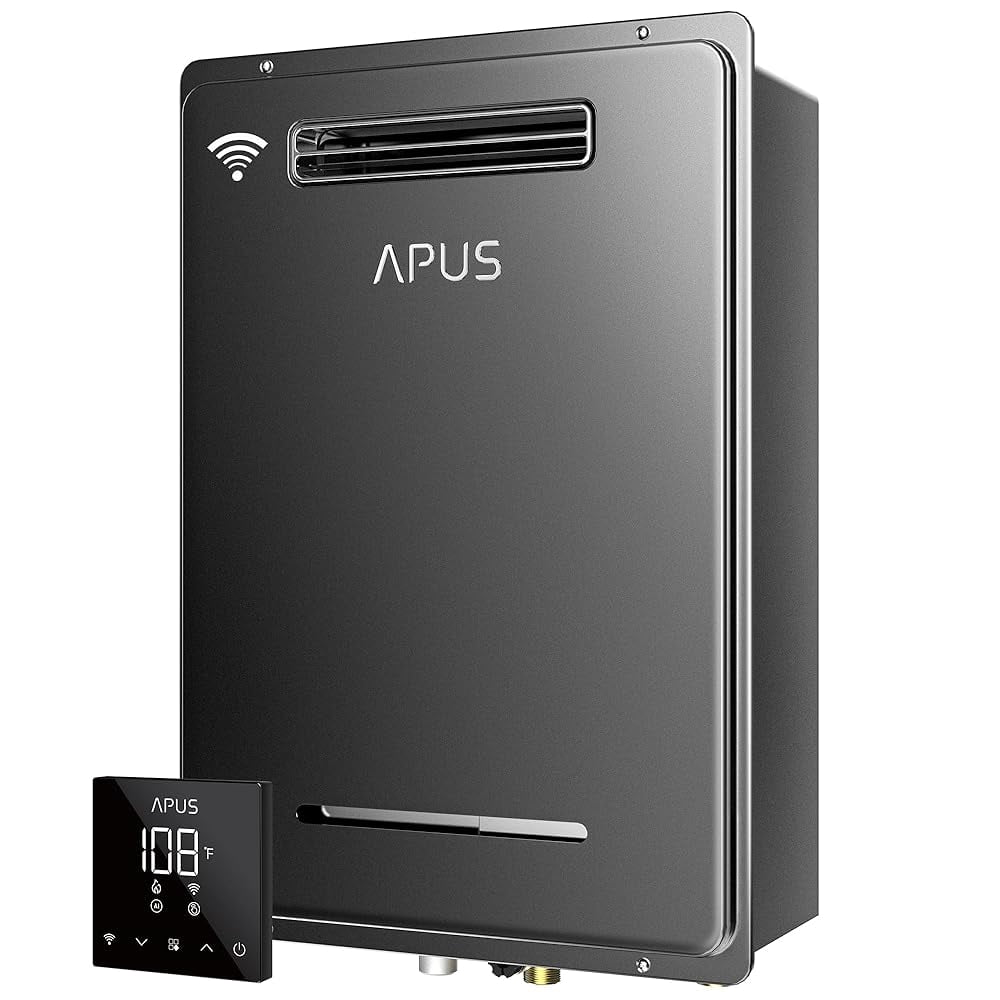
- Enter diagnostic mode by pressing and holding both the up and down temperature arrows for 5 seconds with the unit powered on.
- Codes will flash in sequence, showing sensor status, recent errors, and more.
- Write down any codes and refer to the technical supplement (available from Apus customer support).
Accessing diagnostic mode can give you deeper insights and may save time if you need to call for service.
Environmental Factors That Affect Reset Success
Many RVers travel in different climates. Temperature, altitude, and humidity can impact your heater’s performance:
- Cold weather: Freeze protection can trigger false errors. Always drain your heater before winter storage.
- High altitude: Less oxygen can affect combustion in gas units. Some Apus models have an altitude adjustment—check your manual.
- Hard water: Mineral buildup can trigger over-temperature errors. Use a water softener or flush the system regularly.
Being aware of these factors helps you reset your heater more effectively and avoid unnecessary service calls.
Where To Find More Information
For detailed model-specific instructions and support, always refer to your user manual or visit the official Apus website. RV forums and YouTube channels also offer step-by-step guides for different models. For general information about tankless water heaters and troubleshooting, see the comprehensive guide at Family Handyman.
Frequently Asked Questions
What Should I Do If The Reset Button Doesn’t Work?
If pressing the reset button does not solve the problem, try a full power cycle (turning the unit off and on at the breaker). If the issue still remains, check for error codes and refer to the troubleshooting section. Persistent problems often mean a component needs repair or replacement.
How Often Can I Safely Reset My Apus Tankless Water Heater?
Resetting is safe if done occasionally for minor issues or after power interruptions. If you find yourself needing to reset the unit more than once a month, investigate the root cause. Frequent resets are a sign that something needs maintenance or repair.
Can I Reset My Apus Heater Remotely Or With A Smartphone App?
Most current Apus RV tankless water heaters do not support remote resets. Some newer models have Wi-Fi or Bluetooth features, but for safety, resets usually require physical access to the unit. Always follow your model’s specific instructions.
Will Resetting Erase My Saved Temperature Settings?
On most Apus models, a reset will clear only error codes or temporary glitches. Temperature settings and preferences are stored separately and are usually not affected. However, after a full power cycle, you may need to re-enter your preferred temperature.
Is It Safe To Reset The Heater During Winter?
Yes, but be careful. If your heater is in freezing conditions, make sure there is no ice blocking water flow or exhaust. Resetting does not remove ice or prevent freeze damage. Always winterize your system if your RV will be in cold weather.
Getting to know your Apus RV tankless water heater’s reset process can save time, money, and frustration on the road. By following the steps in this article and understanding when to reset, when to troubleshoot, and when to call for help, you’ll keep your hot water flowing and your RV adventures comfortable.

