

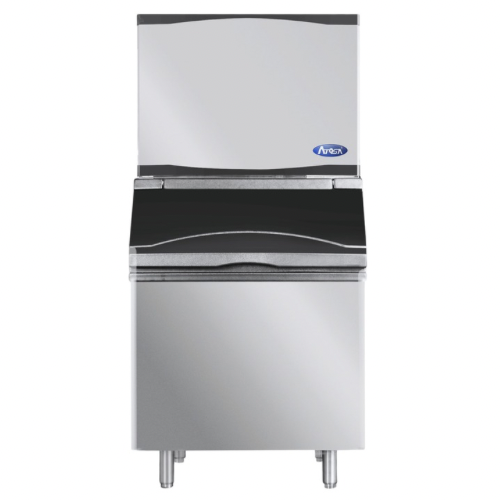
If you run a restaurant, bar, café, or even a busy office, one thing is always in demand: ice. The right ice maker can keep your business running smoothly, while the wrong one can lead to frustrated customers and lost sales. Among the popular commercial ice machine brands, Atosa stands out for its balance of price, reliability, and performance. But how much ice does an Atosa ice maker actually produce each day? Understanding this is key to choosing the right model for your needs and preventing problems down the line.
This article takes you deep into the world of Atosa ice makers. We’ll break down real production rates, compare different models, explain why daily ice output matters, and offer practical advice on sizing, installation, and maintenance. Whether you’re planning a new kitchen or thinking of upgrading your current ice machine, you’ll find clear, specific answers right here.

36% off Today’s Exclusive Deals
Limited-time Exclusive Deals. Check current discount on Amazon.
Check Price on Amazon As an Amazon Associate I earn from qualifying purchases.What Affects Daily Ice Production In Atosa Ice Makers?
The amount of ice an Atosa ice maker produces in 24 hours is affected by several important factors. Knowing these will help you choose the right machine and use it efficiently.
- Model Size and Type: Atosa makes a range of ice makers, from smaller undercounter machines producing around 50 pounds per day, to large commercial units that can make 500 pounds or more.
- Ambient Temperature: Ice makers are tested at specific room (usually 70°F) and water (50°F) temperatures. If your kitchen is warmer, daily output drops.
- Water Temperature: Warmer water slows ice production. Even a small change can reduce output by 10–20%.
- Machine Maintenance: Dirty condensers and clogged water lines lower efficiency and production.
- Bin Capacity: The ice bin is where finished ice is stored. If the bin is full, the machine stops making more ice until space is available.
- Electrical Supply: Inconsistent voltage or frequent power cuts mean the machine may not reach its full daily production.
Example: How Temperature Affects Output
Suppose an Atosa model claims 350 lbs of ice per day. That’s in ideal conditions (70°F room, 50°F water). If your kitchen is 85°F and your water is 70°F, you might only get about 250 lbs—a drop of nearly 30%.
This is why it’s important to read the fine print and look at both “max” and “actual” daily output.
Atosa Ice Maker Models And Their Daily Production
Atosa offers a variety of ice makers for different business sizes and uses. Here’s a look at some popular models and how much ice they produce per day under standard conditions.
| Model | Type | Max Daily Production (lbs) | Ice Shape | Bin Capacity (lbs) |
|---|---|---|---|---|
| YR-140-AP-161 | Undercounter | 142 | Cubed | 88 |
| YRN-70 | Undercounter | 70 | Nugget | 39 |
| YR-450-AP-161 | Modular | 460 | Cubed | 395 |
| YR-800-AP-261 | Stackable | 809 | Cubed | 700 |
Key Insights On Model Choice
- Undercounter models (like YR-140-AP-161) are good for small bars or cafés, fitting under standard counters.
- Modular and stackable units (YR-450-AP-161, YR-800-AP-261) are for high-volume restaurants, hotels, or catering halls.
- Production rates are always listed as “up to” the max; real output is often lower in busy kitchens.

Real-world Production: Standard Vs. Actual Output
The numbers on a product sheet don’t always match what you’ll see in your business. Most Atosa ice makers are rated for “max daily production,” but real-world output can be 20–30% less due to:
- Higher kitchen temperatures
- Warmer water supplies
- Frequent opening of the ice bin
- Power fluctuations
Let’s compare standard and real-world daily ice production for popular Atosa models:
| Model | Max Production (lbs) | Estimated Real-World Output (lbs) | Best For |
|---|---|---|---|
| YR-140-AP-161 | 142 | 110–120 | Small bar, café |
| YR-450-AP-161 | 460 | 330–370 | Busy restaurant |
| YRN-70 | 70 | 50–55 | Coffee shop |
| YR-800-AP-261 | 809 | 600–650 | Hotel, large catering |
Pro tip: Always size your ice maker based on the “real-world” output, not just the advertised maximum.
How To Calculate Your Daily Ice Needs
Choosing the right ice maker isn’t only about the machine—it’s about your business. Here’s how to estimate how much ice you actually need each day:
- Count Customers: Estimate the number of customers you serve daily.
- Usage Per Person: For drinks, plan about 1.5 pounds of ice per customer. For fast food with self-serve drinks, aim for 2 pounds.
- Special Needs: Add extra for food prep, salad bars, or ice displays.
- Peak Times: Consider busy hours when you use the most ice in a short period.
- Backup: Always add a 20% safety margin for unexpected demand or machine downtime.
Example Calculation
A restaurant serves 150 guests daily and uses ice for both drinks and food prep.
- Drinks: 150 guests x 1.5 lbs = 225 lbs
- Food prep and bar: 50 lbs
- Total = 275 lbs
- Add 20% backup: 275 x 1.2 = 330 lbs needed daily
In this case, an Atosa model with at least 330 lbs real-world daily output is recommended.
Comparing Atosa Daily Ice Production To Other Brands
Many buyers want to know how Atosa compares with other commercial brands like Hoshizaki, Manitowoc, or Scotsman. Here’s a quick comparison for typical “mid-size” ice makers:
| Brand | Model Example | Max Production (lbs) | Approx. Price (USD) | Warranty |
|---|---|---|---|---|
| Atosa | YR-280-AP-161 | 280 | $1,600–$2,200 | 2 years parts & labor |
| Manitowoc | UDE0065A | 65 | $2,200–$2,600 | 3 years parts & labor |
| Hoshizaki | KM-231BAJ | 213 | $2,700–$3,200 | 3 years parts & labor |
| Scotsman | C0330MA-1 | 400 | $3,000–$3,700 | 3 years parts & labor |
Insight: Atosa machines generally have lower prices for similar output, but sometimes have shorter warranties. Their daily ice production is competitive, but buyers should consider service and support as well.
Common Mistakes When Estimating Ice Needs
Choosing the wrong ice maker size is a frequent and costly mistake. Here are the most common errors and how to avoid them:
- Ignoring Real-World Conditions: Many buyers use the max daily output listed, not realizing their busy kitchen will produce less.
- Forgetting About Growth: If your business grows, your ice needs will too. Plan for 10–20% more than your current demand.
- Not Accounting for Downtime: Maintenance or breakdowns can temporarily reduce ice production.
- Choosing the Wrong Ice Type: Some Atosa machines make cube ice, others make nugget or flake. Each melts and serves differently.
- Overlooking Bin Size: A small bin fills up quickly, stopping the machine from making more ice.

Practical Tips For Maximizing Atosa Ice Maker Output
Getting the most from your Atosa ice maker is about more than just buying the right model. Here’s how to boost daily production:
- Keep the Unit Clean: Regular cleaning of the condenser, water lines, and bin keeps output high.
- Maintain Proper Ventilation: Don’t block vents; hot air around the unit slows ice making.
- Monitor Water Temperature: If possible, use cooler water for better efficiency.
- Install in a Cool Area: Avoid placing the machine next to ovens or fryers.
- Schedule Routine Maintenance: Preventative checks spot small problems before they affect production.
Non-obvious tip: Many users forget that water filters need regular replacement. A clogged filter reduces ice size and daily output, even if the machine seems to be working.
How Installation Affects Daily Production
Proper installation is crucial for getting the advertised daily ice output. If an Atosa ice maker is not installed correctly, production can drop sharply.
Key Installation Requirements
- Level Placement: The machine must be level for proper ice formation.
- Good Drainage: Standing water or slow drainage can lead to machine shutdowns.
- Correct Power Supply: Match the voltage and amperage to the machine’s requirements.
- Adequate Space: Leave enough room for air flow around the machine.
- Water Supply Pressure: Too low or too high, and the ice maker won’t work right.
Many commercial kitchens rush installation, leading to poor daily production. Always use a qualified technician familiar with Atosa machines.
Maintenance And Its Impact On Daily Ice Production
Routine maintenance not only extends the life of your Atosa ice maker but also helps keep daily ice production close to the listed maximum.
Essential Maintenance Steps
- Clean the Condenser Coils: At least once a month, especially in dusty or greasy environments.
- Sanitize the Bin: Prevents bacterial growth and ice contamination.
- Check Water Filters: Replace every 3–6 months, or as recommended.
- Inspect Water Inlet and Hoses: Look for leaks, clogs, or mineral buildup.
- Run a Test Cycle: After cleaning, run a full cycle to check for issues.
Pro insight: Many breakdowns happen because of skipped maintenance. Even a simple cleaning can restore lost daily output.
The Role Of Ice Type In Daily Output
Atosa ice makers produce different ice shapes—cube, nugget, and flake. Each shape has slightly different production rates and uses:
- Full cube: Slow melting, ideal for cocktails and soft drinks.
- Half cube: Good for blended drinks, fills glass better.
- Nugget: Softer, chewier, used in healthcare and specialty drinks.
- Flake: Great for food displays and seafood bars.
Some machines make more pounds per day with smaller or softer ice. Always check the model’s specs for your preferred ice type.
Environmental Impact And Energy Use
Daily ice production also affects your electricity and water bills. Atosa ice makers are generally energy-efficient, but larger machines use more power.
- Energy Star models: Use less electricity and water per pound of ice.
- Automatic shut-off: Stops production when the bin is full, saving energy.
- Water-cooled vs. air-cooled: Water-cooled models use more water but are quieter and perform better in hot rooms.
Unexpected insight: A machine running at full capacity in a hot kitchen can use 20–30% more electricity to make the same amount of ice compared to a cool, well-ventilated space.
When Should You Upgrade Your Atosa Ice Maker?
If you’re consistently running out of ice, it’s time to consider a larger machine or an additional unit. Signs you need to upgrade:
- Regular shortages during peak hours
- Machine runs almost non-stop
- You’ve increased your seating or menu offerings
- Frequent maintenance issues due to overwork
Upgrading ensures your business isn’t limited by ice supply—a small investment for better customer service.
Frequently Asked Questions
How Do I Know Which Atosa Ice Maker Size Is Right For Me?
Start by estimating your daily ice needs using the number of customers, type of drinks, and any extra uses like food prep. Add 20% for safety. Then, choose an Atosa model with a “real-world” output at or above this number.
If in doubt, consult your equipment supplier for help.
How Often Should I Clean My Atosa Ice Maker?
Clean the ice bin and sanitize interior parts at least once a month. In high-use settings, you may need to clean every two weeks. Don’t forget to check and replace water filters every 3–6 months to maintain peak daily output.
Can I Install An Atosa Ice Maker Myself?
Professional installation is always recommended. Atosa ice makers require plumbing and electrical connections that must meet local codes. Incorrect installation can lower daily production and void the warranty.
Why Is My Atosa Ice Maker Producing Less Ice Than Advertised?
Most often, the cause is higher room or water temperature, dirty condenser coils, or a clogged water filter. Make sure the machine is clean, installed in a cool, well-ventilated spot, and gets regular maintenance.
Where Can I Find Official Atosa Ice Maker Specifications?
Official specs and user manuals are available from Atosa’s website or authorized dealers. For a detailed technical overview, you can visit the Atosa USA Ice Machines page.
Choosing the right Atosa ice maker is about more than just picking a number from a catalog. Real daily output depends on your actual conditions, maintenance routine, and business needs. With the right planning and care, an Atosa ice maker can deliver steady, reliable ice production every day—keeping your customers happy and your business running smoothly.

