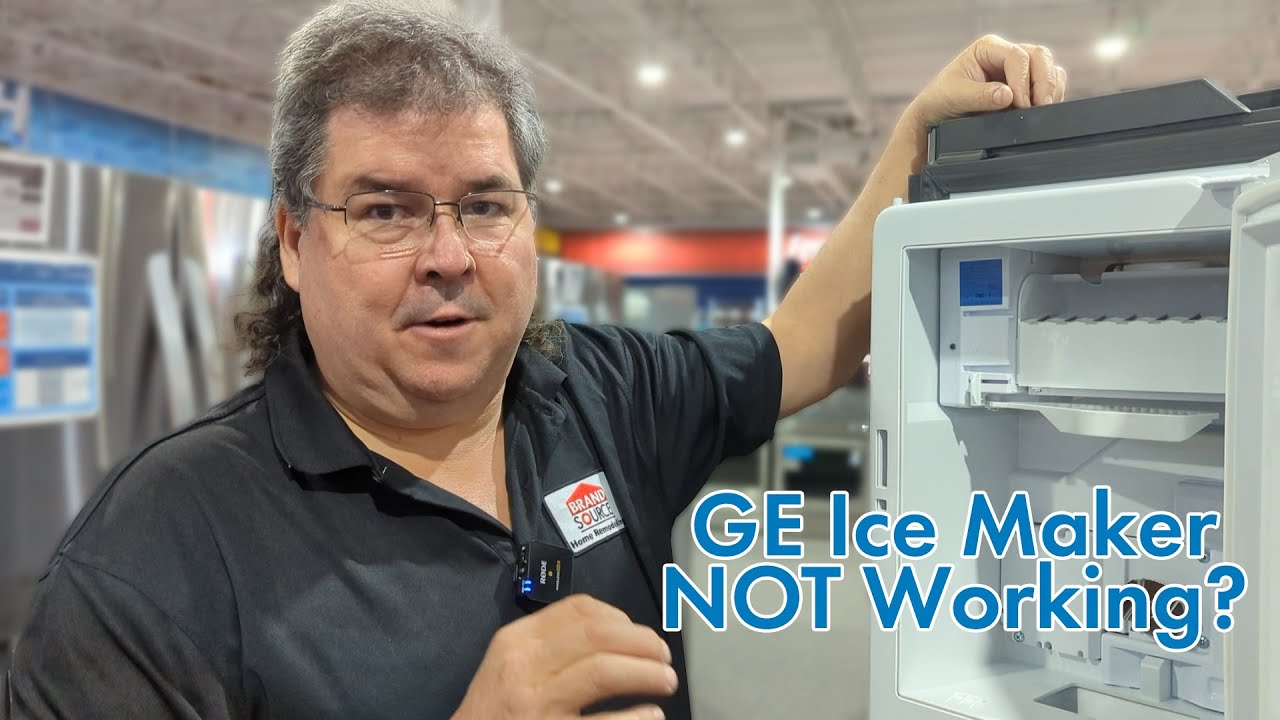
If you own a GE fridge with an ice maker, you know how convenient it is to have fresh ice on demand. But when your ice maker stops working, it can be frustrating and puzzling. Many GE refrigerator owners face problems like no ice, small cubes, or even ice makers that freeze up. The good news is, most issues can be solved at home with a bit of troubleshooting—no need to call a technician right away.
This guide will walk you through the most common GE fridge ice maker problems, how to identify them, and step-by-step solutions. You’ll also learn tips for regular maintenance and how to avoid mistakes that can make things worse. Whether your ice maker is slow, noisy, or not working at all, you’ll find answers here.

36% off Today’s Exclusive Deals
Limited-time Exclusive Deals. Check current discount on Amazon.
Check Price on Amazon As an Amazon Associate I earn from qualifying purchases.How A Ge Fridge Ice Maker Works
Before jumping into troubleshooting, it helps to understand the basics. A typical GE fridge ice maker uses water from your home supply. It fills an ice tray, freezes the water, and then ejects the ice into a bin. The process repeats automatically as long as the fridge is on and the ice bin isn’t full.
A few key parts work together:
- Water inlet valve: Opens to let water into the ice tray.
- Ice mold (tray): Holds water while it freezes.
- Thermostat: Senses when ice is ready.
- Ejector arm or blade: Pushes ice cubes into the bin.
- Shut-off arm or sensor: Stops ice making when the bin is full.
If any of these parts fail, your ice maker may stop working properly.
Common Ge Ice Maker Problems And Causes
Understanding the possible reasons for failure helps you fix your ice maker faster. Here are the most frequent issues:
1. No Ice Production
The ice maker does not produce any ice at all.
2. Slow Ice Production
The ice maker works, but makes less ice than usual.
3. Small Or Misshaped Ice Cubes
Ice cubes are tiny, hollow, or oddly shaped.
4. Ice Maker Leaking Water
Water drips into the ice bin or freezer.
5. Ice Maker Is Noisy
You hear loud clicks, grinding, or humming.
6. Ice Cubes Stuck In Mold
Ice stays frozen in the tray and won’t eject.
7. Frozen Water Line
No water reaches the ice maker due to a frozen line.
Some problems have simple solutions, while others need careful diagnosis.

Step-by-step Troubleshooting For Ge Ice Makers
Let’s look at specific steps you can take to troubleshoot your GE fridge ice maker. Follow these methods in order to find and fix the problem.
1. Check The Power And Controls
Start with the basics. Is your fridge getting power? Is the ice maker turned on?
- Make sure the fridge is plugged in and running.
- Some GE models have a power switch or ice maker arm. Make sure it’s in the “on” position.
- If your fridge has a digital display, look for an ice on/off button.
Beginner insight: Many people overlook the ice maker’s switch or arm after cleaning or moving items in the freezer.
2. Confirm The Water Supply
A steady water supply is essential.
- Check if the water supply line at the back of the fridge is connected and open.
- Make sure the water inlet valve is not clogged or frozen.
- Try dispensing water from the fridge door (if available). If there’s no water, the supply is likely blocked.
Tip: If your area has hard water, mineral buildup can block the water line or valve.
3. Inspect The Ice Maker Parts
If the basics are fine, examine the ice maker itself:
- Remove the ice bin and look for any jammed cubes or frost buildup.
- Check the ejector arm—it should move freely.
- Look for any obvious damage to the ice mold or other parts.
4. Test The Temperature
GE ice makers need the freezer to be cold enough—0°F (-18°C) or lower.
- Use a fridge thermometer to check the temperature.
- If your freezer is above 10°F, ice will form slowly or not at all.
- Adjust the freezer setting if needed and wait 24 hours.
5. Reset The Ice Maker
Sometimes, a simple reset can solve the issue.
- Turn the ice maker off for 30 seconds, then turn it back on.
- On newer models, press and hold the “reset” button (usually under the ice maker cover) for 10 seconds.
- Wait a few hours to see if ice production resumes.
6. Defrost The Water Line
A frozen water line is a common problem, especially in cold climates.
- Unplug the fridge and leave the freezer door open for a few hours.
- Use a hairdryer on low heat to gently warm the water line (never use sharp objects).
- Once thawed, plug the fridge back in and test the ice maker.
7. Replace The Water Filter
A clogged water filter reduces water flow to the ice maker.
- Most GE fridges need the filter replaced every 6 months.
- Find the filter inside the fridge, twist it out, and install a new one.
- Run water through the dispenser for a few minutes to remove air.
8. Listen For Unusual Noises
Some noise is normal, but loud grinding or clicks can signal a problem.
- If the ice maker makes a humming sound but no ice appears, the water inlet valve may be faulty.
- Loud clunks often mean ice is stuck or the ejector arm is jammed.
9. Examine The Ice Maker Module
If all else fails, the ice maker module (the main control unit) may be broken. This usually requires a replacement part. If you reach this step, consider contacting GE support or a professional technician.
Quick Comparison: Ge Ice Maker Problems And Fixes
To help you match symptoms to solutions, here’s a summary in table form:
| Problem | Likely Cause | Quick Fix |
|---|---|---|
| No ice at all | Power off, water supply blocked, ice maker switch off | Check power, water line, turn on ice maker |
| Slow ice production | Freezer too warm, old water filter | Lower temperature, replace filter |
| Small cubes | Low water flow, clogged filter | Replace filter, check water pressure |
| Leaking water | Ice maker not level, loose connections | Level fridge, tighten water line |
| Noisy ice maker | Jammed ice, faulty motor | Clear jam, replace motor if needed |

When To Call A Professional
While many issues can be fixed at home, some problems need expert help:
- Electrical faults: If you suspect wiring or circuit board issues.
- Leaking inside the fridge: Water pooling can damage other components.
- Repeated part failure: If you replace a part and the problem returns.
If you’re unsure or uncomfortable with repairs, calling a GE-certified technician is the safest choice.
Maintenance Tips To Prevent Future Problems
Regular care can keep your GE ice maker running smoothly:
- Clean the ice bin and ice maker every month to prevent mold and odor.
- Replace the water filter twice a year.
- Keep the freezer at the right temperature.
- Check the water supply line for leaks or kinks.
- Avoid overfilling the freezer, which blocks airflow.
Non-obvious tip: Don’t use hot water to speed up defrosting—this can crack plastic parts.
Example: Solving A Real Ge Ice Maker Issue
Imagine your GE fridge stops making ice after a power outage. You check the water dispenser, and it works fine. What now?
- Check if the ice maker switch was turned off during the outage.
- Look for ice stuck in the mold—sometimes, a partial cycle can jam cubes.
- Reset the ice maker using the manual reset button.
- If the first three steps don’t work, replace the water filter.
- If still no ice after 24 hours, consider a frozen water line, especially if the freezer is packed.
In this case, most users find the ice maker switch was bumped off, or a quick reset restores function. This shows why a careful step-by-step approach saves time and avoids unnecessary repairs.
Essential Tools For Troubleshooting
Here are some basic tools and items you may need:
- Phillips and flathead screwdrivers
- Hairdryer (for thawing frozen lines)
- Small towel or sponge (for spills)
- Replacement water filter
- Fridge thermometer
Expert insight: Always unplug your fridge before working on electrical parts to avoid shocks.
Common Mistakes To Avoid
Many homeowners make errors that can make things worse:
- Skipping the basics: Forgetting to check the on/off switch or water line.
- Using force: Forcing stuck ice can damage the tray or ejector arm.
- Ignoring the filter: A dirty filter is a frequent cause of slow or no ice.
- Not waiting: After a reset or part change, wait several hours for results.
How Ge Ice Makers Compare To Other Brands
GE ice makers are known for reliability, but how do they stack up against other brands like Whirlpool or Samsung? Here’s a quick comparison:
| Brand | Typical Ice Production (per day) | Common Issue | Ease of DIY Repair |
|---|---|---|---|
| GE | 70-100 cubes | Frozen water line | Moderate |
| Whirlpool | 80-120 cubes | Clogged filter | Easy |
| Samsung | 60-90 cubes | Sensor failure | Moderate |
Signs You Need A New Ice Maker
Even with the best care, ice makers wear out after 5–8 years. Consider replacement if:
- You’ve replaced parts repeatedly with no long-term fix.
- The ice maker leaks even after repairs.
- The motor is noisy or doesn’t run at all.
- Ice cubes are always discolored or taste strange, even with a new filter.
A new GE ice maker module costs between $100–$200 (parts only), but installation may add more.
Best Practices For Long-term Performance
To get the most from your GE ice maker:
- Use the correct type of water filter recommended by GE.
- Clean the ice bin and tray often, especially if you notice odors.
- Don’t force the ice bin in or out—misalignment can stop production.
- If you leave for vacation, turn off the ice maker and empty the bin to prevent mold.
Environmental And Health Considerations
Ice makers use a small amount of energy, but leaks and blockages can waste water. Changing filters regularly not only improves ice quality but can also reduce chlorine, lead, and bacteria in your drinking water, improving safety.
If you notice cloudy or odd-tasting ice, always replace the filter first, as this solves most water quality problems.
For more on refrigerator maintenance and water safety, the US EPA provides practical guidelines.
Frequently Asked Questions
Why Is My Ge Fridge Ice Maker Not Making Ice After Changing The Filter?
After changing the water filter, air can get trapped in the water line. Run the water dispenser for 2–3 minutes to clear air and let water flow normally. Wait a few hours for ice production to resume.
How Often Should I Replace My Ge Fridge Water Filter?
It’s best to replace the filter every 6 months or when you notice smaller cubes, slow water flow, or a change in ice taste. Some fridges have indicator lights that remind you.
What Does The Ice Maker’s Reset Button Do?
The reset button restarts the ice maker’s cycle. Pressing it can fix small errors or restart ice production after a jam. Hold the button for 10 seconds (refer to your model’s manual).
Can I Use My Ge Fridge Ice Maker Without A Water Filter?
Some GE fridges won’t work without a filter, while others include a bypass plug. Check your manual. Using without a filter can reduce ice quality and risk clogging the water line.
Why Does My Ice Taste Bad Or Smell Funny?
Bad taste usually comes from an old water filter, dirty ice bin, or water supply issues. Replace the filter, wash the bin, and check your home’s water quality for best results.
A working ice maker is a small luxury that makes life easier. With these troubleshooting steps, you can solve most GE fridge ice maker problems yourself and keep the cold drinks coming. If you ever feel stuck, don’t hesitate to reach out to an expert—your time and comfort are worth it.