

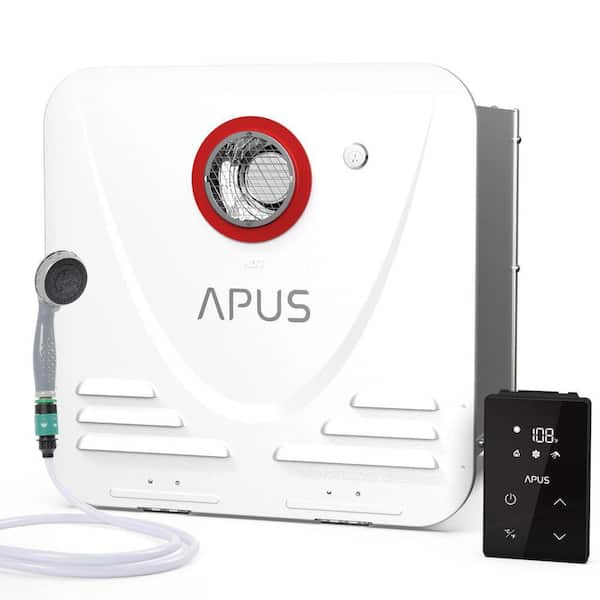
Owning an Apus RV tankless water heater can make your road trips and camping experiences much more comfortable. Hot water on demand is a luxury, but it’s also a system that needs regular attention. Many RV owners wonder, “How often should I service an Apus RV tankless water heater?
” This question is more important than it seems. Proper maintenance not only extends the life of your water heater but also keeps your water clean and safe. In this article, we’ll cover everything you need to know about servicing your Apus RV tankless water heater.

36% off Today’s Exclusive Deals
Limited-time Exclusive Deals. Check current discount on Amazon.
Check Price on Amazon As an Amazon Associate I earn from qualifying purchases.We’ll explain service frequency, signs it’s time for maintenance, common mistakes, and practical tips. You’ll also find real-world examples, comparison tables, and expert advice to make sure you keep your water heater in top shape.
Why Regular Service Matters For Your Apus Rv Tankless Water Heater
Many people think tankless water heaters need less care than tank models. This is only partly true. While tankless heaters avoid problems like rusting tanks, they still face issues like mineral buildup, sensor failures, and water quality changes. Servicing your Apus RV tankless water heater is not just a chore—it’s an investment in your RV’s comfort, safety, and value.
Safety And Performance Benefits
A neglected water heater can produce lukewarm water, waste energy, or even break down unexpectedly. Regular service helps:
- Prevent bacterial growth inside the heater
- Maintain consistent water temperature
- Reduce energy waste from inefficient heating
- Avoid unexpected breakdowns during trips
For example, mineral deposits from hard water can block the heater’s flow sensors. This causes the unit to heat unevenly and, in some cases, shut down entirely. RV owners often notice weaker water pressure or strange noises before a failure.
Cost Savings Over Time
Servicing your water heater on schedule can save hundreds of dollars. Consider these average costs:
- Annual maintenance: $80–$150
- Major repair (after neglect): $350–$800
- Replacement unit: $900–$1,500
By spending a little on routine service, you avoid costly repairs or replacements. It also helps keep your RV’s resale value high.
How Often Should You Service Your Apus Rv Tankless Water Heater?
The ideal service schedule depends on how you use your RV, water quality, and the Apus heater model. Most experts recommend servicing every 12 months, but this is not a fixed rule.
Factors That Affect Service Frequency
1. Water Hardness
Hard water (with high mineral content) speeds up scale buildup inside the heater. If you often camp in areas with hard water, service every 6–9 months. If you use filtered or soft water, annual service is usually enough.
2. Usage Patterns
Full-time RVers or those who use their water heater daily should check it every 6 months. Occasional users (weekends or holidays) can stretch to once per year.
3. Age And Model
Older Apus models or units over 5 years old may need more frequent checks. Newer models often have better self-cleaning features, but still require annual maintenance.
4. Manufacturer Recommendations
Always check your Apus owner’s manual. Some models have unique maintenance needs. Following the manufacturer’s advice helps keep your warranty valid.
Typical Service Intervals
Here’s a quick comparison of service intervals based on usage:
| Usage Pattern | Recommended Service Interval |
|---|---|
| Full-time RV living | Every 6 months |
| Frequent trips (monthly) | Every 9 months |
| Occasional trips (seasonal) | Every 12 months |
| Filtered water use | Every 12–18 months |
| Hard water areas | Every 6–9 months |
Key Maintenance Tasks For Apus Rv Tankless Water Heaters
Servicing your Apus RV tankless water heater isn’t just a quick rinse. Each service should cover several important tasks. Here are the main steps:
1. Descaling And Flushing
Minerals like calcium and magnesium build up inside the heater. Flushing with a descaling solution removes these deposits. You’ll need:
- A descaling kit (with pump and hoses)
- Vinegar or a commercial descaling fluid
- Bucket
Steps:
- Turn off the heater and disconnect power.
- Connect hoses to the inlet/outlet valves.
- Pump descaling solution through the unit for 45–60 minutes.
- Rinse with clean water.
- Reconnect and restart the heater.
2. Cleaning Filters And Screens
Most Apus models have water inlet filters and air screens. These trap dirt and debris. Remove, rinse, and reinstall them at each service.
3. Inspecting Connections And Sensors
Check all water and gas connections for leaks. Examine temperature sensors and pressure relief valves for wear. Replace damaged parts promptly.
4. Testing Operation
After cleaning, turn the heater on and run hot water. Watch for:
- Consistent temperature
- Steady water flow
- Absence of error codes
5. Checking For Bacterial Growth
If your RV sits unused for long periods, bacteria can grow inside the heater. Flushing with a chlorine solution once per year helps prevent this.
Signs Your Apus Rv Tankless Water Heater Needs Service
Sometimes, your heater will tell you it needs attention. Here are warning signs:
Weak Water Pressure
If your hot water pressure drops, mineral buildup or clogged filters are likely.
Unstable Water Temperature
Water that jumps from hot to cold suggests a sensor issue or scale buildup.
Strange Noises
Gurgling, popping, or hissing sounds mean minerals are collecting inside the unit.
Error Codes
Modern Apus heaters display codes for problems like low flow, overheating, or sensor failure. Check your owner’s manual for code meanings.
Visible Leaks
Drips or puddles near the heater signal loose connections or worn seals.
If you notice any of these signs, service your heater right away—even if your regular interval hasn’t arrived yet.

Comparing Apus Rv Tankless Water Heater Maintenance To Other Brands
You might wonder if Apus units need more or less care than other brands. Here’s a comparison:
| Brand | Typical Service Interval | Main Maintenance Tasks | Common Issues |
|---|---|---|---|
| Apus | 6–12 months | Descaling, filter cleaning, sensor check | Scale buildup, sensor errors |
| Truma | 12–18 months | Descaling, filter cleaning | Low flow, mineral deposits |
| Girard | 9–12 months | Flush, inspect electronics | Inlet screen clog, temperature swings |
| Suburban | 12–24 months | Flush, replace anode rod | Anode rod wear, rust |
Apus heaters are known for reliable performance and easy maintenance. Still, regular care is needed to prevent common issues.
Common Mistakes Rv Owners Make With Tankless Water Heater Service
Many RV owners skip or delay service, thinking their heater is “self-cleaning.” Here are mistakes to avoid:
- Ignoring water quality: Hard water causes faster buildup. Test your water and use filters when possible.
- Forgetting the filter: Dirty filters reduce water flow and cause overheating.
- Skipping descaling: Only flushing with water isn’t enough. Use proper descaling solutions.
- Missing warning signs: Strange noises or error codes should never be ignored.
- Not checking sensors: Faulty temperature sensors can make water dangerously hot or cold.
Non-obvious Insights
- Even with soft water, airborne dust and pollen can clog air screens. Clean these yearly.
- Bacterial growth is a hidden risk if your RV sits unused. Flushing with chlorine (not just vinegar) helps keep water safe.
Practical Tips To Extend The Life Of Your Apus Rv Tankless Water Heater
Proper service is just the start. Here are ways to make your heater last longer:
- Install a water softener: This reduces scale buildup dramatically.
- Use an inline water filter: Keeps debris out of the heater.
- Flush after long storage: If your RV sits for months, flush before your next trip.
- Check gas pressure: Low pressure can cause uneven heating.
- Store your RV with the heater drained: Prevents bacteria and freeze damage.
Example: How A Simple Water Filter Helped An Rv Owner
A full-time RVer noticed frequent scale buildup in their Apus heater. After installing a $40 inline filter, they cut descaling frequency in half and avoided costly repairs. Simple upgrades can save time and money.
Step-by-step Guide: Servicing Your Apus Rv Tankless Water Heater
If you want to perform maintenance yourself, follow these steps:
Gather Supplies
- Descaling solution (or white vinegar)
- Bucket
- Pump and hoses (descaling kit)
- Clean cloths
- Screwdriver
Procedure
- Turn off power and water supply: Safety first.
- Connect hoses to inlet/outlet: Follow your model’s instructions.
- Mix descaling solution: Use as directed.
- Pump solution through heater: Run for 45–60 minutes.
- Flush with clean water: Remove all descaling fluid.
- Clean filters and screens: Rinse under running water.
- Inspect connections and sensors: Tighten or replace as needed.
- Restore power and water: Test for leaks and proper operation.
Tips For Diy Maintenance
- Always wear gloves when handling chemicals.
- If you see error codes after service, consult your manual or call a technician.
- Keep a service log in your RV—note dates and tasks.

Professional Service Vs. Diy: Which Is Better?
Some RV owners prefer to hire professionals, while others do their own maintenance. Here’s a comparison:
| Service Type | Cost | Benefits | Drawbacks |
|---|---|---|---|
| DIY | $40–$100 per service | Lower cost, learn your system | Requires time, risk of mistakes |
| Professional | $80–$150 per service | Expertise, warranty protection | Higher cost, scheduling needed |
For most Apus RV owners, DIY is possible if you follow instructions carefully. If your heater is under warranty or you’re unsure, professional service is safer.
What Happens If You Skip Regular Service?
Neglecting your Apus RV tankless water heater leads to:
- Reduced efficiency: More energy use, higher costs.
- Frequent breakdowns: Missed trips and expensive repairs.
- Shorter heater lifespan: Replacement needed sooner.
- Health risks: Bacterial growth and dirty water.
Regular service is not just about keeping water hot—it protects your investment and your health.
Real-world Data: Apus Rv Tankless Water Heater Failure Rates
Studies show that most tankless water heaters last 8–12 years with proper maintenance. Without regular service, failure rates double after 5 years.
- With annual service: 80% last 10+ years
- Without service: Only 40% last 10+ years
This data highlights why sticking to a regular schedule matters.
Apus Rv Tankless Water Heater Service Checklist
To make maintenance easier, here’s a quick checklist:
- [ ] Turn off power and water
- [ ] Connect hoses and pump descaling solution
- [ ] Flush unit with clean water
- [ ] Clean filters and screens
- [ ] Inspect connections and sensors
- [ ] Check for leaks and error codes
- [ ] Run test cycle for temperature and flow
- [ ] Record service date and tasks
Where To Find Reliable Service Information
Always follow your Apus owner’s manual for specific maintenance steps. If you need more guidance, visit the manufacturer’s website or trusted RV forums. For general tankless water heater info, see U.S. Department of Energy.
Frequently Asked Questions
How Do I Know If My Apus Rv Tankless Water Heater Needs Immediate Service?
Look for low water pressure, unstable temperature, strange noises, or error codes. If any of these appear, service your heater right away.
Can I Use Vinegar Instead Of A Commercial Descaling Solution?
Yes, white vinegar is safe and effective for descaling most Apus heaters. Follow the manual’s instructions and flush thoroughly with clean water afterward.
Will Servicing My Heater Void The Warranty?
DIY maintenance usually does not void the warranty, as long as you follow Apus guidelines. For complex repairs, professional service may be required to keep the warranty valid.
Is It Safe To Leave Water In The Heater During Winter Storage?
No. Drain the water heater before winter storage to prevent freeze damage and bacterial growth.
What’s The Best Way To Reduce Scale Buildup?
Install a water softener or use filtered water. This lowers mineral content and extends service intervals.
Final Thoughts
Servicing your Apus RV tankless water heater is simple but vital. Most owners should aim for maintenance every 6–12 months, depending on water quality and usage. Follow the steps in this guide, watch for warning signs, and don’t ignore your heater’s needs. With regular care, your Apus heater will deliver reliable hot water for years of adventures. Always consult your owner’s manual and use trusted sources for advice. Investing time in maintenance pays off with comfort, savings, and peace of mind on the road.

