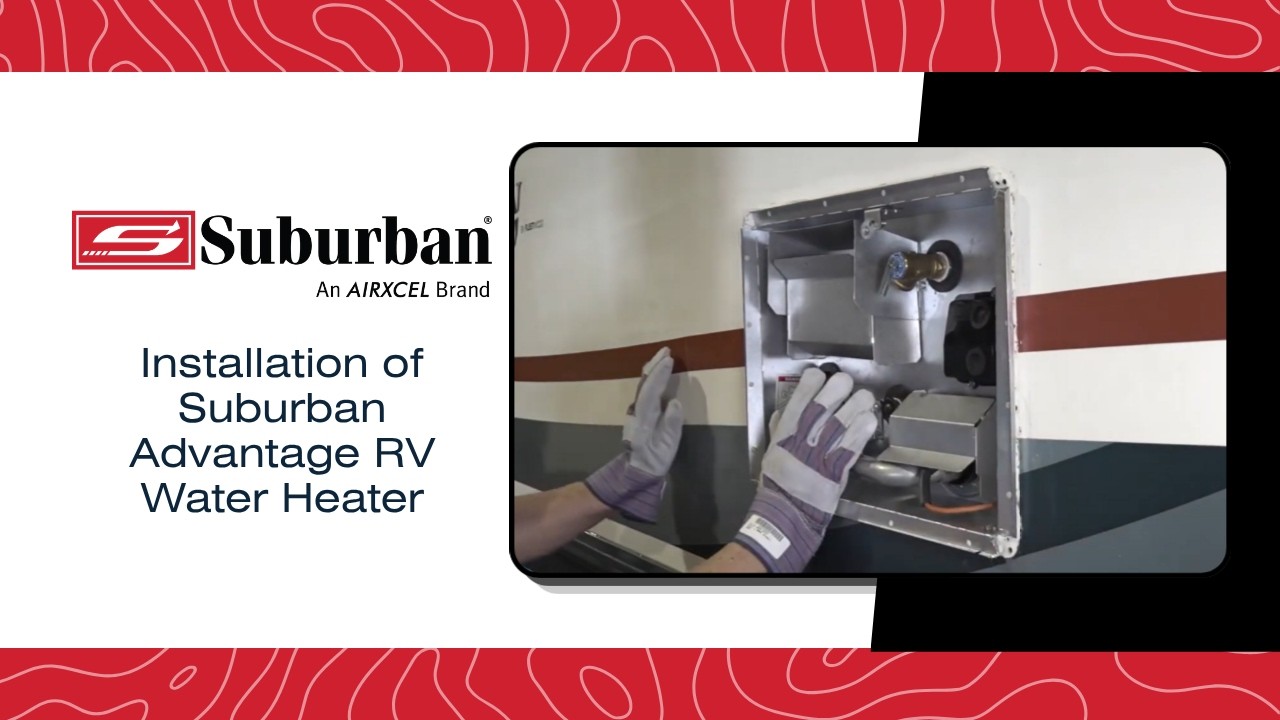
Replacing the anode rod in a Suburban Advantage RV tank water heater is one of the most important tasks to keep your water heater running smoothly. Many RV owners don’t realize that this small part protects the entire water tank from rust and damage. If left unchecked, a worn-out anode rod can cause expensive leaks, poor water quality, and even total heater failure. But changing the anode rod is a simple job that almost anyone can do with the right tools and guidance. In this article, you’ll learn step-by-step how to replace the anode rod, understand why it matters, spot common mistakes, and discover tips to make the process easier and safer.
Why The Anode Rod Matters
The anode rod is a metal stick inside your RV water heater tank. Its job is to attract minerals and corrosive elements in the water. Instead of the tank rusting, the anode rod rusts first. This process is called sacrificial corrosion. Without a good anode rod, your tank can rust quickly, causing leaks and expensive repairs.

36% off Today’s Exclusive Deals
Limited-time Exclusive Deals. Check current discount on Amazon.
Check Price on Amazon As an Amazon Associate I earn from qualifying purchases.Most Suburban Advantage RV water heaters have magnesium anode rods. Magnesium works well but wears out faster in areas with hard water. Some people switch to aluminum rods, but magnesium offers better protection for most RV tanks. According to Suburban’s own manuals, checking the anode rod every 12 months is recommended, but RV owners using their heaters regularly should check every 6 months.
Signs Your Anode Rod Needs Replacement
If you’re not sure whether your anode rod needs changing, look for these clear signs:
- Rod is thin or missing chunks: If the rod is less than half its original thickness or has large pieces missing, it’s time to replace.
- Heavy white or green buildup: Excess mineral buildup can mean the rod is worn and not protecting well.
- Rusty water: If your hot water smells or looks rusty, the anode rod may be finished.
- Age: If you can’t remember when it was last changed, it’s safer to replace now.
Most rods last 1–2 years. If you use your RV full-time or often camp in areas with hard water, change the rod every year.
Tools And Materials Needed
Before you start, get these tools and supplies ready:
- Socket wrench (usually 1-1/16″ size)
- New anode rod (Suburban Advantage compatible)
- Teflon tape
- Bucket (for draining water)
- Garden hose (optional for draining)
- Protective gloves
- Rags or towels
- Screwdriver (for access panel)
- Flashlight (for better visibility)
- Safety glasses
Having everything ready saves time and keeps the process smooth.
Step-by-step Guide To Replace The Anode Rod
Follow these steps for safe and effective replacement:
1. Turn Off Power And Water Supply
Safety comes first. Turn off the electric power and gas supply to your water heater. If your RV is plugged into shore power, switch off the breaker for the heater. For propane models, close the gas valve.
Next, turn off the cold water supply to the tank. This prevents water from entering while you work.
2. Drain The Water Heater Tank
Find the water heater access panel outside your RV. Use a screwdriver to open it. Locate the anode rod—it’s usually at the bottom of the heater.
Place a bucket under the drain. Open the pressure relief valve on the top of the tank. This lets air in so water drains faster.
Slowly loosen the anode rod with your socket wrench. Water will start to flow out. Let the tank drain completely. This can take 5–10 minutes, depending on the tank size.
3. Remove The Old Anode Rod
Once the tank is empty, unscrew the anode rod all the way and pull it out. It may look corroded, thin, or covered in minerals.
Check the old rod against your new one. If the rod is half its original size or worse, you made the right choice to replace.
4. Inspect The Tank Opening
Look inside the hole where the rod was. Use a flashlight to check for rust flakes, heavy mineral buildup, or any signs of tank damage. Clean the opening with a rag if needed.
If you see a lot of rust inside, the tank may already be damaged. In this case, consider getting a pro to inspect.
5. Install The New Anode Rod
Wrap Teflon tape around the threads of your new rod. This helps seal the connection and prevents leaks. Usually, 2–3 layers of tape are enough.
Insert the new rod into the tank opening. Tighten it with your socket wrench. Don’t over-tighten—just snug and secure.
6. Close The Pressure Relief Valve And Refill
Close the pressure relief valve at the top. Turn on the cold water supply and let the tank fill. Watch for leaks around the new rod. If you see drips, tighten slightly.
Once the tank is full, turn the power and gas back on. Wait 20–30 minutes for hot water.
7. Test The Heater
Run hot water from your RV faucet. Check for normal pressure, clean water, and no leaks. If everything looks good, you’re done!
Comparing Anode Rod Materials
RV owners often ask which type of anode rod is best. Here’s a quick comparison:
| Material | Protection Level | Lifespan | Best For |
|---|---|---|---|
| Magnesium | High | 1–2 years | Most RV tanks |
| Aluminum | Medium | 2–3 years | Hard water areas |
| Zinc | Low | Up to 3 years | Odor control |
Most Suburban RV heaters use magnesium rods, but you can switch if your water source causes fast wear.
Typical Lifespan Of Anode Rods In Rvs
How long anode rods last depends on usage and water quality. Here’s what most RV owners experience:
| Usage Type | Expected Lifespan | Notes |
|---|---|---|
| Full-time RV living | 12 months | Check every 6 months |
| Weekend trips | 18–24 months | Check yearly |
| Hard water areas | 6–12 months | Replace often |
If your rod wears out faster than these averages, test your water hardness or switch rod types.
Common Mistakes To Avoid
Many beginners make simple mistakes that can cause problems. Here are the top errors and how to avoid them:
- Not draining the tank fully: If water remains, you may get splashed or leave minerals behind.
- Forgetting Teflon tape: Skipping this step can cause leaks at the rod connection.
- Over-tightening: This can damage threads or make it hard to remove next time.
- Ignoring pressure relief valve: Not opening this valve makes draining slow and can cause air pockets.
- Choosing wrong rod size: Always check your Suburban model for the correct rod length and thread size.
- Delaying replacement: Waiting too long can damage the tank beyond repair.
One insight many miss: hard water speeds up anode rod wear. If you camp in areas with hard water, test it with a simple home kit and consider changing rods more often.
Practical Tips For Easy Replacement
- Warm water drains faster. Run your heater for 10–15 minutes before starting.
- Use a long socket wrench for better leverage.
- Keep a spare anode rod on hand if you travel often.
- Flush the tank after draining to remove mineral buildup.
- Wear safety glasses—sometimes water sprays when removing the rod.
Many RV owners skip these small steps, but they make the process easier and help your heater last longer.

What To Do If The Anode Rod Is Stuck
Sometimes, the rod won’t come loose. Here’s what to try:
- Spray a little WD-40 or penetrating oil on the threads. Wait 10 minutes.
- Use a breaker bar or longer wrench for extra force.
- Tap gently on the wrench with a rubber mallet.
If the rod still won’t budge, don’t force it. Too much pressure can crack the tank. Call a professional for help.
Cost Of Replacement
Changing the anode rod is affordable. Most rods cost $15–$30. Labor at an RV shop can cost $75–$120, but doing it yourself saves money.
Here’s a cost breakdown:
| Item | Estimated Cost |
|---|---|
| New anode rod | $15–$30 |
| Socket wrench (if needed) | $10–$25 |
| Teflon tape | $2–$5 |
| Professional labor | $75–$120 |
Most RV owners can finish the job in under an hour. Compared to the cost of replacing a tank ($300–$700), this is a smart investment.
Maintenance Schedule For Suburban Advantage Rv Water Heaters
To keep your heater in top shape, follow this basic schedule:
- Check anode rod every 6–12 months
- Replace if less than half original size
- Flush tank every time you change rod
- Inspect for leaks after every refill
This routine prevents major problems and extends the life of your water heater.
Real-world Example: Anode Rod Replacement
Last summer, an RV owner named Mike noticed his hot water smelled metallic. He checked his Suburban Advantage heater and found the rod was almost gone. After draining the tank and installing a new magnesium rod, the water cleared up and the heater worked better.
Mike said the job took 45 minutes and cost $25 total.
Stories like Mike’s show how easy maintenance can prevent bigger problems.

Where To Buy Replacement Anode Rods
You can find Suburban Advantage anode rods at RV supply stores, online retailers, and some hardware shops. Always check your heater’s model number for the correct size. For more information on replacement parts and maintenance, visit the official Suburban Manufacturing site: Suburban RV Water Heaters.
Frequently Asked Questions
How Often Should I Replace The Anode Rod In My Suburban Advantage Rv Water Heater?
Most experts recommend replacing the rod every 1–2 years. If you use your RV often or have hard water, check every 6–12 months.
Can I Use An Aluminum Anode Rod Instead Of Magnesium?
Yes, you can. Aluminum rods last longer in hard water but offer less protection. Magnesium is better for most RV tanks.
What Happens If I Don’t Replace The Anode Rod?
If the rod is gone, your tank will rust quickly. This can cause leaks, bad water, and expensive repairs.
Is Draining The Tank Necessary For Replacing The Rod?
Yes. Draining removes water and minerals, making replacement safe and clean. Skipping this step can cause spills and damage.
Can I Change The Anode Rod Myself Or Do I Need A Professional?
Most RV owners can replace the rod themselves with basic tools and care. If the rod is stuck or you see tank damage, call a pro.
Replacing the anode rod in your Suburban Advantage RV tank water heater is a smart move for any RV owner. It’s simple, affordable, and protects your heater for years. With regular checks and the right steps, you’ll enjoy clean, hot water every trip and avoid costly repairs.