

Most Hunter sprinkler issues are valve, controller, or pressure-related and often fixed with simple checks.
I have spent years diagnosing irrigation systems and working hands-on with Hunter controllers, valves, and rotors. This guide on Hunter Sprinkler System Troubleshooting walks you through clear diagnostics, easy fixes, and when to call a pro. You'll get step-by-step checks, common causes, tools to carry, and real-life tips from my field experience. Read on to confidently find and fix the most common Hunter sprinkler problems.

36% off Today’s Exclusive Deals
Limited-time Exclusive Deals. Check current discount on Amazon.
Check Price on Amazon As an Amazon Associate I earn from qualifying purchases.
What is a Hunter Sprinkler System and why troubleshoot it?
A Hunter sprinkler system is a popular irrigation setup. It uses a controller, valves, pipes, rotors, and nozzles to water yards efficiently. Hunter systems include models for residential and commercial use. Hunter Sprinkler System Troubleshooting focuses on finding why zones fail to run, why sprays are uneven, and why controllers misbehave.
Why you should learn troubleshooting
- Save money by fixing small issues yourself.
- Avoid wasted water from leaks or broken nozzles.
- Keep landscapes healthy with proper watering.

Common problems with Hunter systems and their root causes
Knowing typical faults speeds up Hunter Sprinkler System Troubleshooting. Below are frequent problems and likely causes.
- Zone will not run
- Controller programming errors or faulty wiring.
- Broken zone valve or stuck solenoid.
- Low pressure or weak spray
- Partially closed main valve or a clogged filter.
- Pipe leaks or low municipal pressure.
- Short-cycling or the system runs too often
- Faulty rain sensor, controller schedule, or wiring shorts.
- Sprinklers pop up but uneven coverage
- Clogged nozzles, wrong nozzle size, or misaligned rotors.
- Controller displays error or will not power on
- Failed transformer, battery, or internal fault.
Each fault above is a target for Hunter Sprinkler System Troubleshooting. Look for simple causes first, then move to complex ones.

Basic step-by-step Hunter Sprinkler System Troubleshooting
Follow a clear order to diagnose problems fast. This routine finds 80% of issues.
- Visual check
- Walk the yard and watch a full run cycle.
- Note dry spots, overspray, and leaks.
- Check the controller
- Confirm current date and time.
- Run a single zone manually.
- Inspect wiring and power
- Look for chewed wires or loose terminals.
- Check transformer for 24VAC output.
- Test valves
- Manually open the valve bleed to force flow.
- Swap a suspect valve with a working zone.
- Check pressure and flow
- Use a pressure gauge at an irrigation bib.
- Turn on main to detect big drops or leaks.
- Clean filters and nozzles
- Remove debris, sediments, and small insects.
- Replace small parts
- Solenoids, diaphragms, or nozzles are quick swaps.
This structured approach makes Hunter Sprinkler System Troubleshooting simple and repeatable.
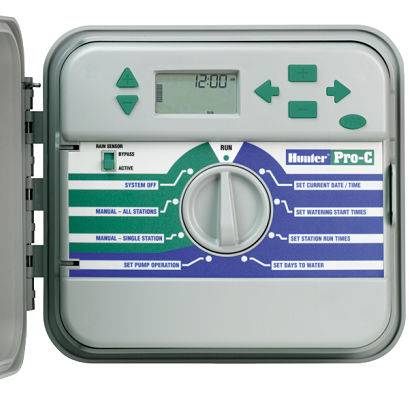
Controller and programming checks
Many issues start at the controller. Correct programming often fixes zone problems.
- Confirm mode
- Set to "Auto" or "Run" to allow scheduled watering.
- Review schedules
- Check start times, run times, and days.
- Test manual run
- Use the controller to run one zone. Note response.
- Inspect the transformer and backup battery
- Measure 24VAC at transformer terminals.
- Replace the battery if the clock resets frequently.
- Check for software updates or locked features
- Newer Hunter controllers may need firmware or reset.
Proper controller checks are core to Hunter Sprinkler System Troubleshooting. Start here to avoid needless digging.

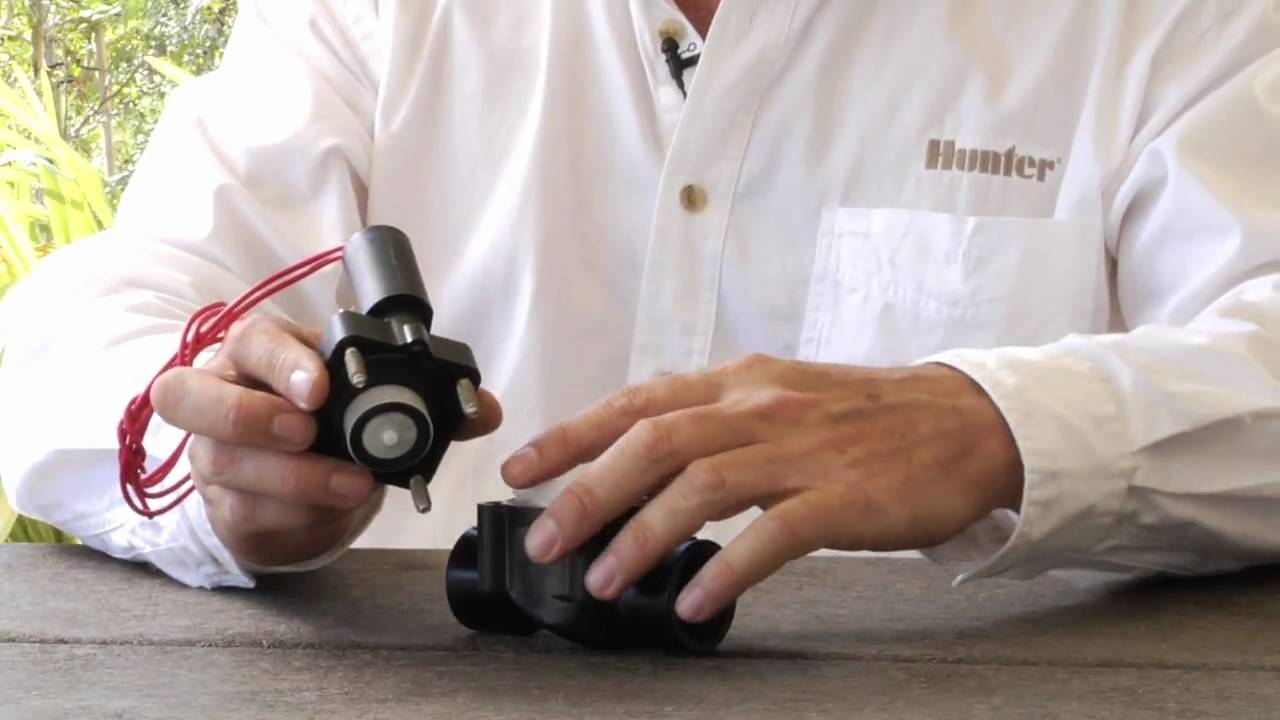
Valves, solenoids, and sprinkler head issues
Valves and heads are common failure points. Knowing how they work helps you fix them.
- Valve anatomy
- Valve body, diaphragm, solenoid, and bleed screw.
- Quick valve tests
- Activate the solenoid with a screwdriver across terminals to listen for a click.
- Manually open the valve bleed to see if the zone flows.
- Solenoid replacement
- Turn off water, unscrew solenoid, swap with same model.
- Sprinkler head fixes
- Pull the riser, clean the nozzle, check spray pattern.
- Replace cracked or sun-baked heads.
- Rotor and nozzle sizing
- Use matched nozzles for even coverage.
- Replace mismatched nozzles that cause dry spots.
These steps are practical parts of Hunter Sprinkler System Troubleshooting you can do in a yard visit.

Pressure, flow, and pipe problems
Water dynamics explain many odd behaviors. Measure before you replace parts.
- Measure static and dynamic pressure
- Static is pressure with system off.
- Dynamic is pressure while running several zones.
- Low pressure causes
- Partially closed valves or main shutoff.
- Blocked filters or undersized pipe.
- Detect leaks
- Watch supply line pressure drop when all zones are off.
- Look for soggy spots or sudden water bills.
- Pipe repairs
- Small leaks can be clamped or coupler-repaired.
- Large breaks need pipe replacement or pro help.
Accurate pressure and flow checks are vital for thorough Hunter Sprinkler System Troubleshooting.
Tools, parts, and what to carry
A small kit speeds up repairs. Pack items that solve most problems.
- Basic tools to carry
- Multimeter for voltage and continuity.
- Screwdrivers, pliers, and a small wrench set.
- Needle-nose pliers and wire nuts.
- Irrigation-specific tools
- Pressure gauge and trap primer.
- Spare solenoids, diaphragms, and nozzles.
- Teflon tape, couplers, and hose bib adapter.
- Safety and extras
- Gloves and eye protection.
- Portable bucket and rags.
Having the right tools makes Hunter Sprinkler System Troubleshooting faster and less costly.

Seasonal maintenance and winterizing
Regular care prevents most failures and keeps savings on water.
- Spring start-up checklist
- Inspect controller, batteries, and wires.
- Flush main line, check filters, and run each zone.
- Summer checks
- Adjust schedules for heat.
- Replace failing nozzles and check pressure.
- Fall shutdown and winterizing
- Use an air compressor or blowout method for lines in freeze zones.
- Drain backflow devices if required by local code.
Seasonal tasks stop freeze damage and keep systems healthy, a key part of Hunter Sprinkler System Troubleshooting.

Advanced diagnostics and when to call a pro
Some faults need a specialist. Know the limits of DIY.
- Electrical faults
- Repeated transformer failure or short circuits need an electrician.
- Deep leaks or mainline breaks
- Large excavations or trenchless work require pros.
- Complex controller faults
- Internal PCB issues or networked systems may need retailer support.
- When to call
- If you lack tools or confidence.
- If repairs risk safety or local code violations.
Recognizing when to hire help saves time and prevents damage. This judgment is part of expert Hunter Sprinkler System Troubleshooting.
Personal experience, lessons learned, and tips
I have repaired hundreds of zones. Here are real lessons from the field.
- Lesson 1: Start simple
- One time I replaced a valve after days of testing. The real issue was a wrong schedule. Check the controller first.
- Lesson 2: Carry spare solenoids
- A weekend job became quick when I had spare solenoids. It saved both time and travel.
- Lesson 3: Document wiring
- Label wires during upgrades. I fixed a miswired system faster because I had photos.
- Tip: Keep a log
- Record dates of repairs and parts replaced. It helps diagnose recurring faults.
These hands-on tips make Hunter Sprinkler System Troubleshooting more practical and less stressful.
Frequently Asked Questions of Hunter Sprinkler System Troubleshooting
What should I check first when a zone won't run?
Check the controller settings and run the zone manually. If it still does not run, inspect wiring and test the valve solenoid.
How do I know if a valve is faulty or just the solenoid?
Listen for a click when the controller activates the valve. If there is no click, test for 24VAC at the solenoid; replace the solenoid if voltage is present.
Can low water pressure damage my Hunter system?
Low pressure strains rotors and causes uneven coverage. It rarely damages parts, but it does reduce system efficiency and plant health.
How often should I clean nozzles and filters?
Clean nozzles and filters at least once per season, or more often in dusty or hard-water areas. Regular cleaning prevents clogs and uneven spray.
Is winterizing necessary for Hunter systems in mild climates?
Yes. Even mild freezes can damage risers and valves. Blow out or drain lines to prevent hidden cracks and costly repairs.
How long will a typical solenoid last?
With normal use, solenoids often last several years. Harsh conditions or electrical issues can shorten their life, so inspect them yearly.
Conclusion
Hunter Sprinkler System Troubleshooting is a skill you can learn. Start with the controller, check valves, measure pressure, and carry basic spares. Frequent, simple maintenance prevents large failures. Use the step-by-step checks here to save time and water, and call a pro for complex electrical or mainline issues. Try a small fix today, log your work, and subscribe or comment to share your own troubleshooting wins.

