

Linear Gate Opener Troubleshooting fixes power, sensor, and mechanical faults quickly and safely.
I have spent years repairing and tuning gate systems, and I know how frustrating a stuck or erratic gate can be. This article gives a clear, step-by-step Linear Gate Opener Troubleshooting plan. You will learn how to diagnose common faults, run simple electrical and mechanical checks, use the right tools, and know when to call a pro. Read on for practical tips, real-world examples from my shop work, and safe actions you can take today.

36% off Today’s Exclusive Deals
Limited-time Exclusive Deals. Check current discount on Amazon.
Check Price on Amazon As an Amazon Associate I earn from qualifying purchases.
Common Problems in Linear Gate Opener Troubleshooting
Linear gate openers often fail in a few predictable ways. Power issues, worn gears, sensor faults, and limit switch problems are common. Weather and debris also cause many complaints. Knowing the likely causes makes troubleshooting faster.
Common symptoms you will see
- Gate does not move at all. This often points to power or fuse problems.
- Gate moves slowly or stalls. Could be failing motor or low voltage.
- Gate reverses or stops mid-travel. Usually safety sensor alignment or obstruction.
- Remote or keypad does not work. Typical radio or receiver issues.
- Loud grinding or unusual noise. Mechanical wear, stripped gears, or loose bolts.
Why these happen
- Power loss from tripped breakers, blown fuses, or corroded terminals.
- Moisture and dirt on sensors or inside the operator housing.
- Misadjusted limits or force settings after a strike or bump.
- Worn brushes or bearings in older motors.
- Control board failures from surges or wear.
My experience
I once diagnosed a gate that only failed after rain. The fault was a moisture-trapped relay on the control board. Cleaning and drying the board fixed it. That case underlines how weather and small faults can mimic big failures in Linear Gate Opener Troubleshooting.

Step-by-Step Linear Gate Opener Troubleshooting Guide
Follow this guide for safe, clear troubleshooting. Work methodically. Test one thing at a time.
- Safety first
- Kill power at the breaker before touching wiring or internal parts.
- Use gloves and eye protection.
- If unsure, stop and call a pro.
- Check basic power
- Verify breaker and fuses. Reset tripped breakers.
- Measure incoming voltage at the operator with a multimeter.
- Inspect battery backup if present; check terminals and charge.
- Inspect remotes and controls
- Replace remote batteries.
- Reprogram one remote per manufacturer steps to rule out receiver faults.
- Test keypad or wired switch if available.
- Test sensors and safety devices
- Clean photo-eye lenses and remove obstructions.
- Ensure sensors are aligned and not tilted.
- Temporarily disable safety sensors only to diagnose; do not leave them disabled.
- Listen and watch during operation
– Run the gate and note noises, jerks, or stalls.
- Observe travel limits and end-of-travel behavior.
- Check for binding at hinges and track obstructions.
- Check mechanical parts
- Inspect gears, sprockets, and drive belts for wear.
- Tighten loose bolts on arm and mounting points.
- Lubricate hinges, rollers, and sliding tracks as recommended.
- Inspect the control board and wiring
- Look for burnt components, loose connectors, and corroded terminals.
- Smell for burned electronics; that often points to a failed relay or board.
- Replace fuses on the board only with the correct rating.
- Measure motor current draw
- Use a clamp meter to check motor current during operation.
- High current often means mechanical binding or failing motor bearings.
- Low or no current can indicate motor open windings or control failure.
- Reset and test settings
- Recalibrate force and limit settings per manual.
- Test full open and close cycles and observe auto-close (if set).
- Check obstacle detection by placing a soft obstruction and observing reversal.
- Keep records
- Note voltages, error codes, and steps taken.
- This helps if you later call a technician and saves time.
Throughout this process, apply Linear Gate Opener Troubleshooting steps in order. Small fixes often resolve the issue. If problems persist, consider professional help to avoid damage.
Diagnostic Tools for Linear Gate Opener Troubleshooting
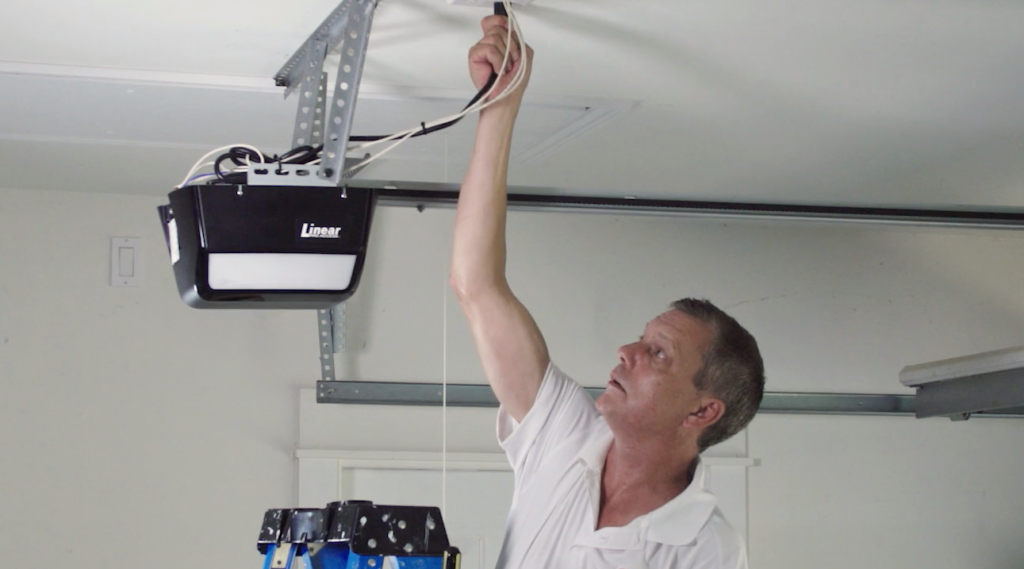
Using the right tools makes troubleshooting fast and accurate. Keep a basic kit ready.
Essential tools
- Multimeter for voltage and continuity checks.
- Clamp meter to measure motor current draw.
- Screwdrivers and socket set for access and tightening.
- Clean, soft cloths and isopropyl alcohol for sensor lenses.
- Lubricant suitable for hinges and tracks.
Optional but useful
- Infrared thermometer to check motor overheating.
- Small camera or phone to inspect tight spaces.
- Spare fuses, remote batteries, and insulated wire.
How to use them safely
- Always disconnect AC power before internal checks.
- Use the clamp meter on the motor lead while powered but supervised.
- Avoid shorting terminals with metal tools.
- Replace parts with equivalent ratings to maintain safety.
In my workshop, having a clamp meter saved hours by showing that a motor was drawing double normal current. That one measure prevented unnecessary replacement of the control board. Tools help you isolate the real problem when you perform Linear Gate Opener Troubleshooting.

Maintenance Tips for Linear Gate Opener Troubleshooting Prevention
Routine care reduces breakdowns and keeps settings stable. Schedule simple checks quarterly and deeper service annually.
Quarterly checklist
- Clean photo-eyes and remove spider webs and dirt.
- Inspect and tighten fasteners at arms and hinges.
- Test remote range and battery condition.
- Clear debris from tracks and rollers.
Annual service
- Inspect internal electronics for corrosion and moisture.
- Replace worn belts or chains and check gear condition.
- Check and tighten motor mounting bolts.
- Test battery backup under load and replace aged batteries.
Simple habits that help
- Keep the area around sensors clear of plants and objects.
- Note unusual sounds early; they predict failures.
- Record maintenance dates and parts replaced.
I recommend keeping a small maintenance log near the control box. After I started logging, I caught wear earlier and prevented two major failures. Preventive maintenance is the best investment for reducing the time you spend doing Linear Gate Opener Troubleshooting.
When to Call a Professional for Linear Gate Opener Troubleshooting
Some tasks need a pro, and that’s okay. Safety and warranty concerns guide the choice.
Call a pro when
- You find burned control board components or charred wiring.
- Motor replacement is required.
- You lack tools or comfort with electrical work.
- The unit is under warranty and disassembly may void it.
- Gate safety features fail and you cannot resolve them safely.
Professional benefits
- Technicians have manufacturer training and tools.
- They can access replacement parts and perform certified repairs.
- A pro handles complex electrical faults and safety system calibrations.
Be transparent with the technician. Share your troubleshooting notes and error readings. That speeds diagnosis and reduces repeat visits. Use professional help when Linear Gate Opener Troubleshooting reaches electrical or structural risks.

Frequently Asked Questions of Linear Gate Opener Troubleshooting
What should I check first when my Linear gate opener won't operate?
Start with power: verify breaker, fuses, and battery backup. Next, check remote batteries and the control box for obvious damage.
How do I test the safety photo-eyes?
Clean the lenses, align the sensors, and block the beam while the gate moves to confirm reversal works. If the gate ignores an obstruction, replace or realign the sensors.
Can I reset the control board myself?
You can power-cycle the unit and perform factory reset if the manual allows it. Avoid swapping components on the board unless you know the procedure.
Why does my gate reverse before closing all the way?
This usually indicates an obstruction, misaligned sensors, or incorrect force/limit settings. Check path, sensors, and recalibrate limits.
How long do Linear gate opener batteries last?
Battery life varies by model and use. Expect three to five years under normal conditions; test under load annually and replace when capacity drops.
Is it safe to disable safety sensors for testing?
Only disable sensors briefly for diagnosis while maintaining a safe environment. Do not operate the gate with safety systems disabled for normal use.
What causes unusual grinding noises in the gate?
Grinding usually comes from worn gears, stripped teeth, or poor lubrication. Inspect mechanical parts and replace worn components.
Conclusion
Linear Gate Opener Troubleshooting is a mix of clear checks, safe electrical testing, and routine maintenance. Start with power and sensors, use simple tools, and keep notes. Small fixes often restore reliable operation. If you hit burned electronics, motor failure, or safety-device faults, call a certified technician.
Takeaway action: run a quick power and sensor check today, log the results, and schedule a basic maintenance check this season. Share your experiences or questions below, subscribe for more troubleshooting guides, or leave a comment if you need help.

