

Most Rainbow vacuum issues stem from clogged filters, seals, or incorrect assembly.
I have worked with Rainbow systems for years and helped hundreds of owners diagnose problems fast. This guide covers Rainbow Vacuum Troubleshooting step by step. You will learn why common faults happen, how to test parts, and how to fix issues safely. I write from hands-on experience and industry best practice, so you can trust the advice and act with confidence.

36% off Today’s Exclusive Deals
Limited-time Exclusive Deals. Check current discount on Amazon.
Check Price on Amazon As an Amazon Associate I earn from qualifying purchases.
How Rainbow Vacuum Works and why it matters for troubleshooting
Rainbow vacuums use water filtration and a sealed airflow path to trap dirt. The water acts as a filter for dust, pollen, and pet hair. This design means many problems come from water, seals, or blockages rather than dust bags. Understanding this system makes Rainbow Vacuum Troubleshooting easier and faster.

Common problems and root causes
Loss of suction
- Cause: Clogged hose, dirty separator, or low water level.
- How it shows: Reduced carpet pickup and weaker airflow.
Motor runs but no suction
- Cause: Air leak at gasket or loose assembly.
- How it shows: Loud motor but little dirt collection.
Water leaks or spills
- Cause: Cracked basin, wrong fill level, or bad seals.
- How it shows: Water near base or wet dirt being thrown out.
Unusual noise or vibration
- Cause: Loose parts, broken bearings, or foreign object in power nozzle.
- How it shows: Rattling, grinding, or harsh tones.
Electrical or motor failure
- Cause: Burnt motor, faulty switch, or wiring issue.
- How it shows: No power, tripped breaker, or burning smell.
Burning smell
- Cause: Motor overload, clogged airflow, or belt slipping.
- How it shows: Acrid odor during use.
These causes are common in Rainbow Vacuum Troubleshooting and are usually simple to diagnose with the right steps.
Step-by-step Rainbow Vacuum Troubleshooting guide
Start simple. Check power and switches
- Unplug and inspect the cord for damage.
- Try a different outlet and reset any breakers.
- Confirm the on/off switch clicks normally.
Check water basin and fill level
- Empty and inspect the water basin for cracks.
- Refill to the correct mark. Too much or too little water causes problems.
Inspect seals and gaskets
- Remove the separator and lid.
- Look for tears, dirt, or misalignment.
- Replace any worn gasket to restore suction.
Clear hoses and fittings
- Detach main hoses and look inside with a flashlight.
- Remove visible clogs and use a flexible brush to clear lint.
- Reconnect firmly to avoid leaks.
Examine the separator and air path
- Clean and rinse the separator per manual.
- Check for holes or warped parts that allow air leaks.
Test the power nozzle and brushroll
- Remove debris like hair wrapped on the brush.
- Check belts and replace if cracked or loose.
- Spin the brush by hand; it should turn freely.
Check filters and cartridges
- Inspect any internal filters and media.
- Replace per the service schedule or if dirty.
Listen and test after each step
- Run the unit briefly after reassembly to isolate the issue.
- Note changes and repeat checks on parts that still show symptoms.
This sequence covers most Rainbow Vacuum Troubleshooting scenarios and helps you avoid unnecessary repairs.

Parts to inspect, replace, and approximate costs
Water basin and lid
- Role: Holds filtration water and seals air path.
- Typical fix: Replace cracked basin.
- Cost: $25–$80 depending on model.
Separator and gaskets
- Role: Separate water from airflow and keep a seal.
- Typical fix: Replace worn gasket or separator.
- Cost: $10–$60.
Hose and tubing
- Role: Air path from floor to motor.
- Typical fix: Repair or replace damaged hose.
- Cost: $20–$120.
Power nozzle and brushroll
- Role: Agitate carpet and feed dirt to the water.
- Typical fix: New belt or brushroll.
- Cost: $15–$70.
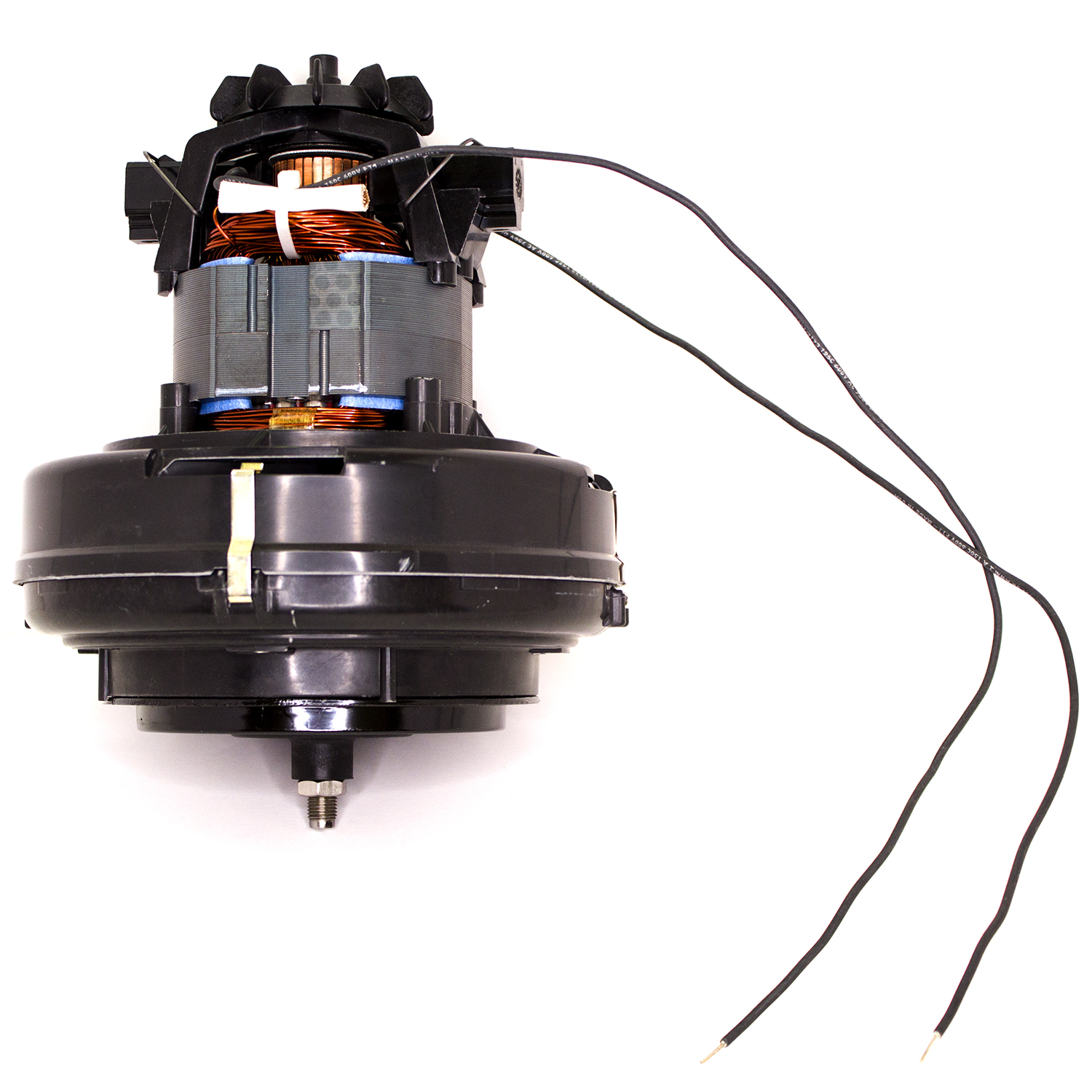
Motor and electrical parts
- Role: Drive suction and power tools.
- Typical fix: Motor repair or replacement by pro.
- Cost: $150–$400+.
Filters and cartridges
- Role: Secondary filtration and odor control.
- Typical fix: Replace as scheduled.
- Cost: $5–$60.
These price ranges help you decide whether to DIY or seek service. Parts prices vary by model and age.
Maintenance tips to prevent problems
Empty and rinse the basin after each use. This stops build-up and odors.
Let parts dry fully before reassembly. Moisture trapped in parts can cause mold.
Change filters and cartridges on schedule. Old filters reduce airflow.
Wipe seals and gaskets clean. Dirt here causes air leaks.
Store the unit upright and away from temperature extremes. This prevents warping and cracks.
Simple care reduces the need for Rainbow Vacuum Troubleshooting and extends your unit’s life.

When to call a professional
Call a pro if you smell burning, see smoke, or the motor does not run. These may be signs of a major electrical fault.
Seek service when repairs need motor replacement or complex wiring work. Improper repair can be unsafe.
If the machine is under warranty, use an authorized service center to avoid voiding coverage.
A professional can also source hard-to-find OEM parts for older Rainbow models.

My personal experience and lessons learned
I once fixed a unit with nearly no suction. The problem was a tiny tear in the separator gasket. I replaced the gasket and suction returned. That taught me to check inexpensive parts first.
I also learned to keep a small tool kit near my cleaner. A toothbrush, flashlight, and silicone grease for gaskets solve many issues fast. These small moves save time and money.
Being patient and systematic in Rainbow Vacuum Troubleshooting prevents mistakes. Rushing often leads to missed leaks or incomplete fixes.
Troubleshooting checklist (quick reference)
- Confirm power and outlet function.
- Empty and inspect water basin.
- Check fill level and basin seals.
- Clean separator and replace gasket if needed.
- Clear hoses and power nozzle of clogs.
- Inspect and replace worn belts and brushrolls.
- Replace dirty filters and cartridges.
- Run the machine and listen for changes.
- Call a pro for motor or electrical faults.
Keep this list handy for fast fixes and to avoid repeat work.
Frequently Asked Questions of Rainbow Vacuum Troubleshooting
Why does my Rainbow lose suction suddenly?
Sudden suction loss often means a clogged hose, dirty separator, or a low water level. Check the basin, hoses, and seals first for quick fixes.
How often should I change the water in my Rainbow?
Change the water after every cleaning session to avoid odor and reduce filter load. Fresh water keeps the system working well and reduces maintenance.
Can I run a Rainbow without water?
No. The Rainbow’s design needs water for filtration and proper airflow. Running it dry can harm seals and the motor.
What causes a burning smell from my Rainbow?
A burning smell usually comes from motor strain or a blocked airflow path. Turn off the unit immediately and inspect for clogs or electrical issues.
How do I know if the separator is damaged?
Look for cracks, warped edges, or leaks around the gasket. If air passes the separator or water splashes into the motor path, replace it.
Is it safe to DIY motor repairs on a Rainbow?
DIY motor work is not recommended unless you have training. Electrical repairs can be dangerous and may void warranty; use a pro for motor issues.
Conclusion
Rainbow Vacuum Troubleshooting is mostly methodical checks and simple fixes. Start with water, seals, hoses, and filters before assuming a big problem. Small parts like gaskets and belts are often the culprits and are easy to replace. Take a steady, organized approach and log what you try. If a repair feels risky, seek professional help to protect your unit and your safety. Try these steps on your next issue and share your results or questions below to keep the conversation going.

