

Most issues stem from battery, line feed, or a clogged head—fixable at home.
I have worked on lawn tools for years and test Ryobi gear often. This guide covers Ryobi 18v String Trimmer Troubleshooting step by step. You will get clear checks, fixes, and real tips I use in the field. Read on and you will fix most faults fast and safely.

36% off Today’s Exclusive Deals
Limited-time Exclusive Deals. Check current discount on Amazon.
Check Price on Amazon As an Amazon Associate I earn from qualifying purchases.
How the Ryobi 18v String Trimmer Works
Knowing how the tool works makes troubleshooting fast. The Ryobi 18v string trimmer uses a battery, an electric motor, a head that spins the line, and a guard. Some models use a brushless motor. Other models use brushed motors with replaceable parts. Understanding each part helps you spot the fault and fix it.

Common Problems and Quick Fixes
Ryobi 18v String Trimmer Troubleshooting often resolves with a few simple checks. Below are common faults and short fixes.
-
Won't start
Check the battery charge and seat it firmly. Clean the battery contacts and try another battery if possible. -
Starts then stops
Check for a weak battery or thermal shutdown from overload. Let the tool cool and test with a fresh battery. -
Line won't feed or breaks often
Rewind the spool correctly and use the right line diameter. Remove debris from the head and check the bump feed mechanism. -
Excess vibration or noise
Inspect the head for damage or stuck debris. Check for a bent shaft or loose guard. -
Poor cutting performance
Replace old line and sharpen or replace the blade if your model has one. Cut in even passes and keep line length correct.
These checks solve most issues quickly. Keep parts and basic tools nearby for fast fixes.

Battery and Power Issues
Battery problems are the top cause in Ryobi 18v String Trimmer Troubleshooting. A bad battery looks like no start, short run time, or slow performance.
- Check the battery charge indicator on the pack.
- Try a different known-good battery to isolate the pack from the tool.
- Clean battery and tool contacts with a dry cloth. Corrosion can block current.
- Let a hot battery cool before recharging. Heat can trigger protection on lithium cells.
- Test voltage with a multimeter if you can. A healthy 18V pack reads near its rated voltage under light load.
I once swapped a battery and the trimmer ran like new. Batteries wear out after many charge cycles. Keep spare batteries and avoid deep discharge to extend life.

Line Feeding, Replacing, and Jams
Line and head problems are common in Ryobi 18v String Trimmer Troubleshooting. A jammed or mis-wound spool causes most feed issues.
- Remove the spool and clear all debris. Small twigs or grass can lock the feed.
- Cut the line ends clean before winding. Frayed ends tangle easily.
- Wind the line tight and even in the spool. Follow the arrow on the spool for the correct direction.
- Use the line diameter recommended for your model. Thicker line needs more power and may stall small motors.
- If the bump feed fails, inspect the spring and the pawl. Replace worn parts if they slip.
Using a quality line and proper winding cuts the time you spend fixing feed jams.
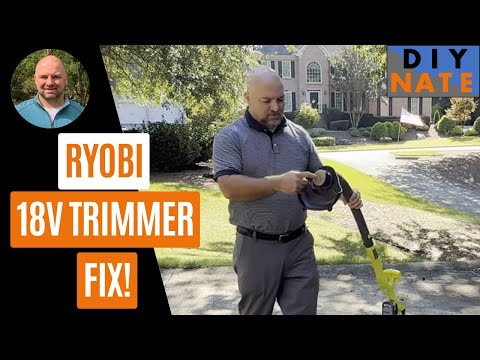
Motor, Head, and Noise Problems
Motor and head faults need careful Ryobi 18v String Trimmer Troubleshooting. Noise and heat can signal bearing, gear, or motor issues.
- Listen for grinding or rattling. That can mean worn bearings or debris in the gearbox.
- Smell burning? Stop immediately. Burning smells mean overload or brush wear in older motors.
- Brushless motors run cooler and need less service. Brushed motors may need brush replacement after heavy use.
- Check the head coupling and shaft for play. Loose parts cause vibration and noise.
- If the motor hums but does not spin, the drive or internal gears may be damaged. Professional repair is often needed.
Small repairs like cleaning and bearing lubrication help. For large internal damage, replacement may be safer and cheaper.
Troubleshooting Checklist and Step-by-Step Flow
A clear flow makes Ryobi 18v String Trimmer Troubleshooting simple. Follow these steps to find the fault fast.
- Visual check
Look for loose parts, cracked housing, or debris. - Battery swap
Try a charged spare battery. - Start test
Run the trimmer with nothing in contact. Note sounds and run time. - Head check
Remove the spool. Clean and inspect the bump mechanism and spring. - Motor test
Run without the head if safe. If the motor runs fine, the head is the issue. - Final step
Replace worn parts or seek service if the motor stays faulty.
This checklist saves time and avoids unneeded parts swaps. Keep a log of what you tried for later service calls.
Maintenance Best Practices to Prevent Problems
Good upkeep reduces the need for Ryobi 18v String Trimmer Troubleshooting. Small tasks keep the tool healthy and safe.
- Clean the head after each use. Dried grass builds up fast.
- Inspect the guard, shaft, and handle each month. Tighten loose fasteners.
- Replace line before it becomes brittle. Old line breaks more often.
- Store batteries in a cool, dry place at partial charge. Avoid extreme heat and cold.
- Run the trimmer occasionally in off-season. This keeps parts moving and catches early wear.
A bit of care adds years to the tool and cuts downtime.
Parts, Tools, and When to Seek Professional Repair
Knowing when to DIY and when to get a pro helps save time and money in Ryobi 18v String Trimmer Troubleshooting. Keep a small kit on hand.
- Handy parts to stock
Extra spool, recommended line, spare battery, replacement guard, and a basic spring. - Useful tools
Screwdriver set, needle nose pliers, small brush, multimeter, and light grease. - When to seek service
Internal motor noise, burnt smell, or seized gearbox mean professional help. Warranty repairs may cover some faults. - Cost vs replacement
If repair costs near a new tool price, replacement can be smarter. Check warranty and service options first.
I repaired many heads at home. For motor or gearbox damage, I prefer authorized service to keep safety and warranty intact.

Frequently Asked Questions of Ryobi 18v String Trimmer Troubleshooting
Why won't my Ryobi 18v trimmer start?
First check the battery charge and seating. Clean the contacts and try a known-good battery to isolate the problem.
Why does the line not feed when I bump it?
The spool may be wound incorrectly or jammed by debris. Remove the spool, clear debris, and rewind the line following the spool arrow.
How long does an 18V Ryobi battery last per charge?
Run time varies by model and load but expect 20 to 40 minutes under normal trimming. Cold weather and heavy cutting reduce run time.
Can I use third-party spools or line?
You can use quality third-party line, but use the correct diameter and spool size. Cheap parts can cause jams and poor cutting.
My trimmer vibrates a lot. What should I check?
Inspect the head, guard, and shaft for loose parts or damage. Bent shafts, unbalanced line, or damaged bearings often cause vibration.
When should I replace the battery pack?
Replace when run time drops significantly despite full charges or when the pack shows swelling or heat. Battery cells wear after many charge cycles.
Conclusion
Ryobi 18v String Trimmer Troubleshooting is mostly about easy checks. Start with the battery, then the head, then the motor. Clean parts often and use correct line and batteries. If a repair seems complex or the motor smells burnt, stop and get service. Try the steps here and leave a comment if you need help. Explore more guides and subscribe for quick tips on tool care and repair.

