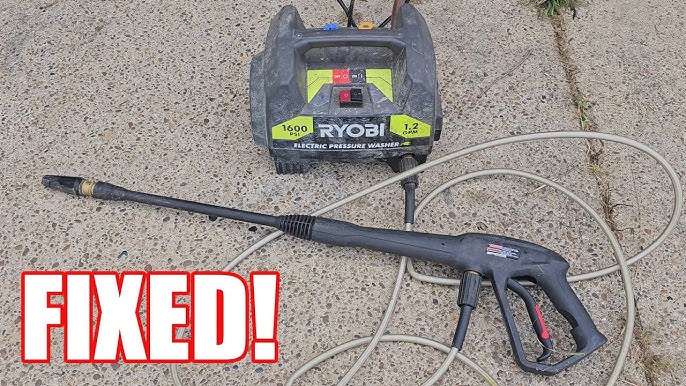
Owning a Ryobi power washer can make cleaning outdoor surfaces faster and easier. Whether you use it to wash your car, driveway, patio, or house siding, a power washer is a valuable tool. But like all machines, sometimes things go wrong. When your Ryobi power washer stops working properly, it can be frustrating—especially if you’re not sure what’s wrong or how to fix it. This guide will walk you through the most common problems, solutions, and troubleshooting steps for Ryobi power washers. By the end, you’ll have the confidence to fix many issues on your own, save time, and avoid unnecessary repair costs.
Understanding Your Ryobi Power Washer
Before you start fixing problems, it’s important to know the basic parts of your Ryobi power washer. Most Ryobi models have the following components:

36% off Today’s Exclusive Deals
Limited-time Exclusive Deals. Check current discount on Amazon.
Check Price on Amazon As an Amazon Associate I earn from qualifying purchases.- Electric motor or gas engine
- Water inlet and outlet
- High-pressure hose
- Spray gun and nozzle
- Power cord (for electric models)
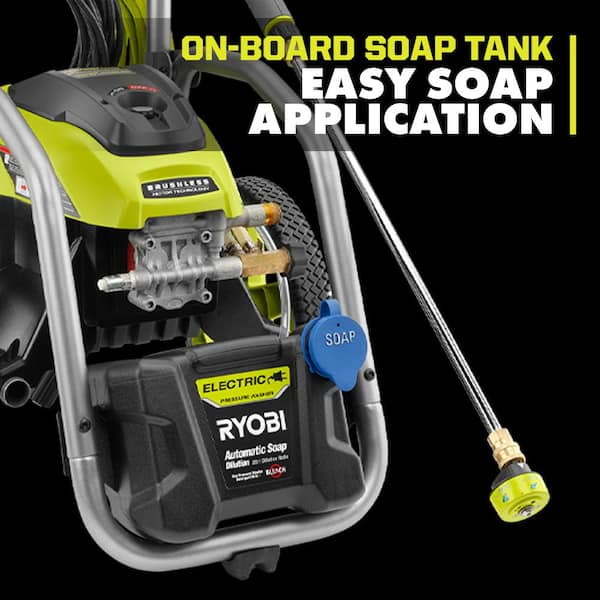
- Soap/detergent tank
Knowing these parts helps you pinpoint where issues happen. For example, if water isn’t coming out, the problem might be the hose, nozzle, or water supply—not the motor.
There are two main types: electric and gas-powered models. Electric washers are quieter, lighter, and need less maintenance. Gas models are stronger and better for heavy-duty work, but they require more care.
Common Ryobi Power Washer Problems
Most users experience a few common issues with their Ryobi power washers. Here are the main problems and what usually causes them:
- Power washer won’t start
- Low pressure or no pressure
- Water leaks
- Soap dispenser not working
- Pulsating or inconsistent spray
- Motor stops during use
- Unusual noises
- Unit shuts off unexpectedly
- Hose or nozzle issues
- Water not heating (for hot water models)
Let’s look at each problem in detail and the steps you can take to fix them.
Ryobi Power Washer Won’t Start
Nothing is more disappointing than pressing the power button and getting no response. Here’s how to troubleshoot both electric and gas models.
For Electric Models
- Check the power source. Make sure the outlet works by plugging in another device.
- Inspect the power cord. Look for cuts, frays, or kinks.
- Reset GFCI plug. Many Ryobi washers have a GFCI plug. Press “Reset” and try again.
- Test the on/off switch. Sometimes switches wear out and need replacing.
- Examine fuses or breakers. A blown fuse or tripped breaker can stop the machine.
If everything seems fine but the washer still won’t start, the problem may be inside the motor. This usually needs a professional.
For Gas Models
- Check fuel levels. Fill up with fresh gasoline.
- Inspect the spark plug. Remove, clean, or replace if dirty or worn.
- Check oil levels. Low oil can trigger a safety shutoff.
- Prime the engine. Use the primer bulb if your model has one.
- Set the choke and throttle. Follow the manual for the right settings.
If your gas washer still won’t start, internal engine problems could be the cause.
Low Pressure Or No Pressure
When your Ryobi power washer runs but the water pressure is weak, cleaning takes much longer. Here’s what to check:
- Water supply. Make sure the hose is connected tightly and water is on full.
- Clogged nozzle. Remove the nozzle and look for dirt or debris. Clean with a needle or nozzle cleaning tool.
- Blocked inlet filter. Many models have a filter at the water inlet. Rinse it to remove debris.
- High-pressure hose leaks. Look for holes or loose connections.
- Unloader valve stuck. The unloader valve controls water flow inside. If stuck, it can lower pressure.
Here’s a quick comparison of symptoms and causes:
| Symptom | Possible Cause | Quick Fix |
|---|---|---|
| No water pressure | Clogged nozzle | Clean or replace nozzle |
| Low water pressure | Blocked inlet filter | Clean filter |
| Intermittent pressure | Unloader valve issue | Reset or replace valve |
Water Leaks
Water leaks can waste water, make a mess, and reduce your washer’s power. Finding the leak’s source is key.
- Check hose connections. Tighten all connections by hand, then use pliers gently if needed.
- Inspect O-rings. These rubber rings seal the joints. Replace cracked or missing O-rings.
- Look for cracks. Examine hoses, spray gun, and wand for visible cracks.
- Pump leaks. If water drips from the pump, a seal or gasket may need replacement.
Don’t ignore leaks. Small leaks often become bigger and can damage the washer.
Soap Dispenser Not Working
Ryobi power washers often have a built-in soap or detergent tank. If soap isn’t coming out:
- Check soap nozzle. Use the correct nozzle (usually black or low-pressure tip).
- Dilute detergent. Thick soap can clog the system. Mix with water as directed.
- Clean detergent tube. Remove and rinse out any blockages.
- Prime the system. Sometimes you need to run water through the soap line for a few seconds.
If you still have problems, the detergent injector could be blocked.

Pulsating Or Inconsistent Spray
A spray that surges or pulses is annoying and can damage surfaces. Common reasons include:
- Air in the system. Run the washer with the trigger held down to remove trapped air.
- Dirty nozzle. Clean or replace the nozzle.
- Blocked inlet filter. Clean the filter to improve water flow.
- Unloader valve problem. Sometimes this part wears out and needs replacing.
Pro tip: Never run your washer without water. It can damage the pump and cause pulsing.
Motor Stops During Use
If your Ryobi shuts off in the middle of cleaning, try these steps:
- Overheating. Some models have automatic shutoff when the motor gets too hot. Let it cool for 20–30 minutes.
- Low voltage. Extension cords can drop voltage. Use a heavy-duty cord (12-gauge or thicker) under 50 feet.
- Tripped GFCI. Reset the GFCI plug and try again.
If the problem keeps happening, the motor or internal wiring might need repair.
Unusual Noises
Strange noises usually mean a problem inside the washer:
- Grinding or rattling. This could mean loose parts or a broken pump.
- Squealing. Worn bearings or dry seals can cause squealing.
- Humming but not running. The motor might be jammed or the capacitor failed.
Stop using the washer if you hear new or loud noises. Fixing the problem early can prevent bigger damage.
Unit Shuts Off Unexpectedly
Unexpected shutdowns are frustrating. Here’s what to do:
- Check for overheating. Allow the unit to cool.
- Inspect for clogged vents. Clean any dust or debris from air vents.
- Test outlet and breaker. Make sure the power supply is stable.
If you use the washer for long periods, take breaks to prevent overheating.
Hose Or Nozzle Issues
Hoses and nozzles take a lot of wear and tear. Here’s how to handle common problems:
- Kinked hose. Straighten out any twists or bends.
- Leaky hose. Replace if you see leaks or bulges.
- Worn or damaged nozzle. Switch to a new nozzle if the spray pattern is uneven.
Not all nozzles are the same. Here’s a quick look at nozzle types:
| Nozzle Color | Spray Angle | Best Use |
|---|---|---|
| Red | 0° | Stubborn stains (use carefully) |
| Yellow | 15° | Concrete, tough dirt |
| Green | 25° | General cleaning |
| White | 40° | Cars, windows, delicate surfaces |
| Black | Soap | Detergent application |
Using the wrong nozzle is a common beginner mistake. Always match the nozzle to the cleaning job.
Water Not Heating (hot Water Models)
Some Ryobi power washers heat water for better cleaning. If the water isn’t getting hot:
- Check the power supply. Heating elements need proper voltage.
- Inspect heating coil. Look for mineral buildup or damage.
- Thermostat setting. Make sure it’s set to the desired temperature.
- Clean water tank. Sediment can block heat transfer.
If you still have cold water, the heating system may need professional repair.
Maintenance Tips To Prevent Problems
Regular care can prevent most issues before they start. Here’s how to keep your Ryobi in top shape:
- Flush out detergent and water lines after every use.
- Store the washer in a dry place. Keep it out of freezing temperatures.
- Check and clean filters regularly.
- Inspect hoses and connections for wear.
- Change oil in gas models as recommended.
- Run the washer monthly, even if not needed, to keep seals lubricated.
A little maintenance goes a long way. For more details, Ryobi’s official support page is a good resource: Ryobi Tools Support.
When To Call A Professional
Some problems are best left to experts, especially if:
- You hear loud grinding or banging noises.
- Water leaks from inside the pump.
- The electric motor or engine smokes or smells burnt.
- You’ve tried all steps and nothing works.
Trying to fix complex issues yourself can void the warranty or cause more damage.
Ryobi Power Washer Error Codes
Some newer electric models have digital displays or indicator lights. Here are a few common codes and their meanings:
| Error Code | Meaning | Action |
|---|---|---|
| E01 | Low voltage | Use proper outlet, check extension cord |
| E02 | Overheating | Let unit cool down |
| E03 | No water supply | Turn on water, check hose |
Check your owner’s manual for model-specific codes.
Two Non-obvious Insights
Many beginners overlook these points:
- Water quality matters. Hard water can quickly clog nozzles and heating elements, reducing performance. Use a filter if your area has hard water.
- Proper storage is crucial. Freezing water inside the pump or hose can crack components. Always drain water before storing in winter.
Safety Precautions
Power washers are powerful tools. Always:
- Wear protective eyewear and gloves.
- Never aim the spray at people, animals, or fragile surfaces.
- Unplug or turn off the washer before inspecting or repairing it.
- Let the machine cool before touching the motor or engine.
- Use only recommended detergents.
Following these tips can prevent accidents and keep your Ryobi working safely.
Frequently Asked Questions
Why Does My Ryobi Power Washer Keep Shutting Off?
This often happens when the motor overheats, the power supply is unstable, or there’s a problem with the GFCI plug. Let the unit cool, check your outlet, and reset the plug. If the problem continues, contact Ryobi support.
What Should I Do If My Power Washer Isn’t Drawing Soap?
First, make sure you’re using the soap nozzle. Check that the detergent is diluted correctly and the tube isn’t blocked. Clean or replace the tube if needed. Use only detergents approved for pressure washers.
How Can I Prevent Nozzle Clogs?
Always rinse the nozzle after each use, especially when using detergent. If a clog happens, clean the tip with a nozzle cleaning tool or a straightened paperclip. Avoid using dirty or hard water.
Is It Safe To Use An Extension Cord With My Electric Power Washer?
Yes, but only use a heavy-duty extension cord (12-gauge or thicker) and keep it as short as possible. Long or thin cords can reduce power and damage the motor.
Can I Use Hot Water In A Ryobi Electric Pressure Washer?
Only if your model is made for hot water. Most standard Ryobi electric washers are for cold water only. Using hot water in a cold-water unit can damage seals and void your warranty. Check your manual before use.
Keeping your Ryobi power washer in good shape doesn’t have to be difficult. With the right troubleshooting steps and regular care, you can solve most problems yourself and enjoy years of reliable cleaning power. If you ever feel unsure, don’t hesitate to reach out to Ryobi’s official support or a qualified repair technician. For more general information about pressure washers and outdoor tools, you can also visit the Wikipedia page on pressure washers for a deeper look into how these machines work.