

When your Suburban heater stops working in the middle of a chilly night, comfort fades quickly. Whether you own an RV, camper, or trailer, a reliable heater is essential. Suburban heaters are known for their durability, but like any device, they can develop problems.
Troubleshooting can seem overwhelming, especially for beginners. This guide walks you through common Suburban heater issues, step-by-step troubleshooting, and practical tips for safe, effective repairs. Along the way, you’ll discover insights that even seasoned RV owners sometimes miss.

36% off Today’s Exclusive Deals
Limited-time Exclusive Deals. Check current discount on Amazon.
Check Price on Amazon As an Amazon Associate I earn from qualifying purchases.Understanding How Suburban Heaters Work
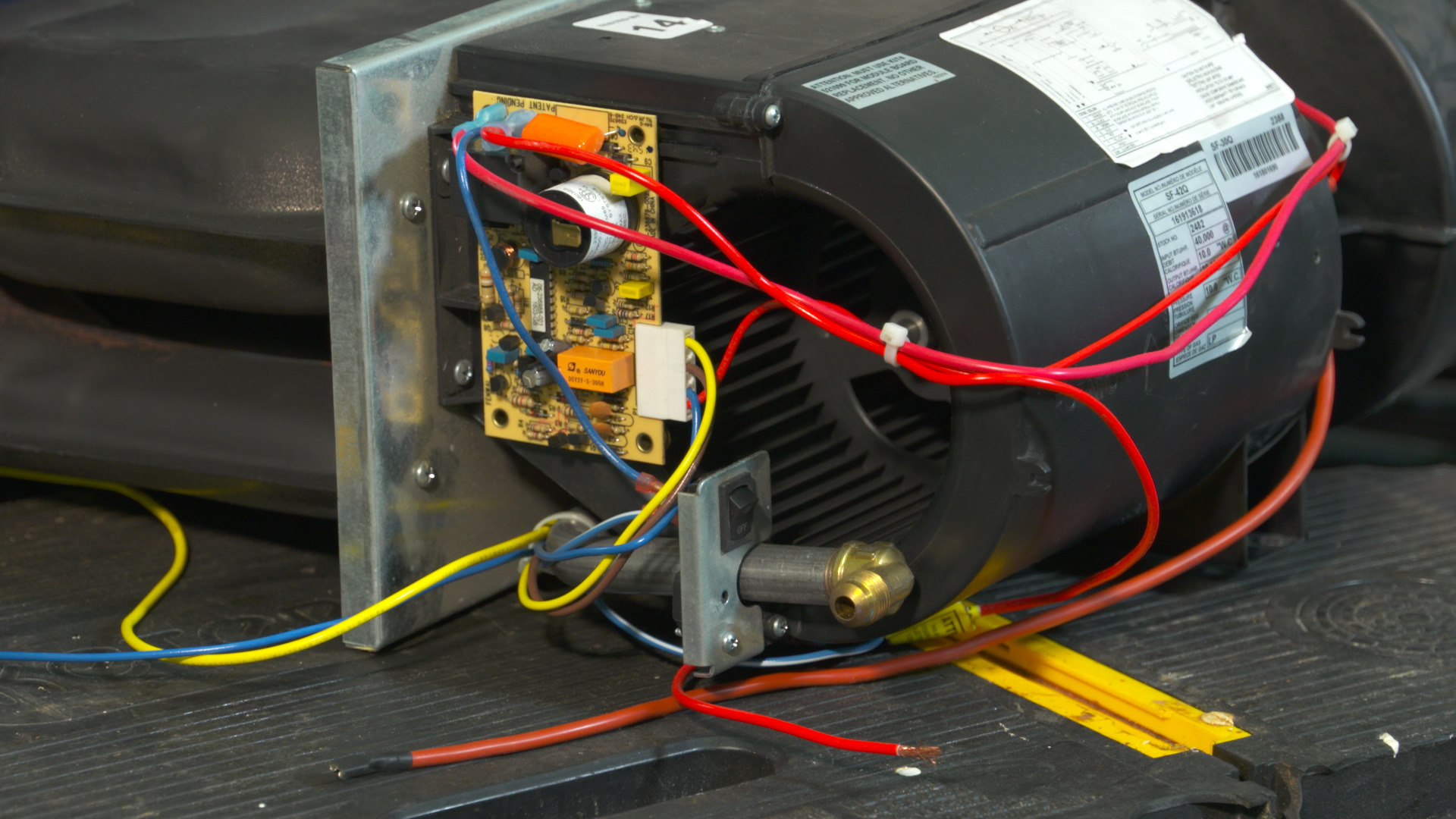
Before diving into troubleshooting, it helps to know the basics of how a Suburban heater operates. These heaters are most often found in recreational vehicles. They use propane gas as their primary fuel and need both electricity (12V DC) and air for safe operation.
- Ignition: Most modern Suburban heaters use electronic ignition to light the burner.
- Thermostat: The thermostat senses room temperature and signals the heater to start or stop.
- Blower Motor: Moves heated air through the RV’s ducts.
- Gas Valve: Opens to allow propane to the burner.
- Safety Features: Includes limit switches, sail switches, and flame sensors.
Knowing these main components helps you identify where things might go wrong.
Safety First: Precautions Before Troubleshooting
Working with propane and electricity is risky. Always put safety first:
- Turn off the heater and disconnect from shore power.
- Close the propane tank valve to cut gas supply.
- Wait for parts to cool before touching them.
- Keep a fire extinguisher nearby.
- If you smell propane, leave the area and call for professional help immediately.
Never skip these steps, even for minor checks.
Common Suburban Heater Problems
Suburban heaters are generally reliable, but several issues crop up most often:
- Heater won’t turn on
- Heater blows cold air
- Heater cycles but doesn’t heat
- Soot or black smoke from exhaust
- Strange noises
- Frequent shutdowns or lockouts
- Thermostat unresponsive
- Burner won’t ignite
- Blower won’t run
- Propane odor
Let’s explore each of these and how to troubleshoot them.
Step-by-step Troubleshooting Guide
Heater Won’t Turn On
If your Suburban heater does nothing when you set the thermostat, check these areas:
- Power Supply: Use a multimeter to check that your 12V battery is charged. Suburban heaters need at least 10.5V to operate.
- Fuses: Inspect the fuse panel for blown fuses related to the heater circuit.
- Thermostat: Make sure the thermostat is set above the current room temperature and is working. Try bypassing it briefly (connect the two wires) to see if the heater starts.
- Loose Connections: Look for disconnected or corroded wires at the heater and thermostat.
Insight: Low battery voltage is a common but often overlooked cause of heaters not starting. Even a small drop below 12V can prevent operation.
Heater Blows Cold Air
When the heater runs but only pushes cold air:
- Burner Ignition: Listen for the “click” of the igniter and the “whoosh” of ignition. No sound means no ignition.
- Gas Supply: Confirm the propane tank isn’t empty and valves are open.
- Sail Switch: The sail switch detects airflow. If blocked by dust or debris, it won’t let the burner ignite.
- Limit Switch: This prevents overheating. If tripped, it cuts off the burner.
Non-obvious tip: If you just refilled your propane tank, air in the line can prevent ignition. Bleed the line by briefly turning on the stove.
Heater Cycles But Doesn’t Heat
When the heater starts and stops repeatedly without warming the space:
- Flame Sensor: A dirty or faulty flame sensor won’t detect the flame, causing shutdown.
- Thermocouple: On some models, a worn thermocouple sends bad signals.
- Obstructed Vents: Blocked intake or exhaust vents can starve the heater of air, causing short cycling.
- Thermostat Calibration: An inaccurate thermostat may trigger premature shutoff.
Soot Or Black Smoke From Exhaust
If you see smoke or soot, the burner is not burning cleanly:
- Dirty Burner: Soot indicates incomplete combustion. Remove and clean the burner.
- Blocked Exhaust: Mud daubers, insects, or debris can block the vent.
- Incorrect Gas Pressure: Too much or too little propane pressure causes problems. Test with a manometer (ideal: 11” water column).
Practical advice: Always check vents for insect nests if your RV has been in storage.
Strange Noises
Unusual sounds can signal mechanical issues:
- Squealing or grinding: Blower motor bearings may be worn.
- Rattling: Loose panels or screws.
- Popping: Delayed ignition or dirty burner.
A noisy heater may work, but these problems usually get worse over time.
Frequent Shutdowns Or Lockouts
If your heater shuts off and won’t restart:
- Flame Rollout Switch: If this trips, it’s a sign of unsafe combustion.
- High-limit Switch: Overheating causes this to shut down the heater.
- Control Board: Electronic faults may lock out the system.
Thermostat Unresponsive
When the thermostat seems dead:
- Power: Thermostat needs 12V power. Check wiring and fuses.
- Contacts: Remove the cover and clean contacts with a pencil eraser.
- Replacement: If unresponsive, thermostats are inexpensive and easy to replace.
Burner Won’t Ignite
If you hear clicking but no flame:
- Gas Valve: Listen for a “click” when the valve opens. No sound means it may be stuck.
- Igniter Electrode: If cracked or dirty, it can’t spark.
- Wiring: Broken or loose wires to the igniter or control board.
Blower Won’t Run
If you don’t hear the fan:
- Blower Motor: Test for power at the motor terminals.
- Control Board: If the motor works when powered directly, the board is likely bad.
- Obstructions: Remove dust or debris from the blower wheel.
Propane Odor
If you smell gas:
- Immediate Danger: Shut off the propane, open windows, and exit the RV.
- Leaks: Spray soapy water on connections and look for bubbles.
Never ignore a propane smell.

Key Suburban Heater Components And How They Fail
A closer look at the main parts can help you diagnose issues with confidence.
| Component | Role | Common Failure |
|---|---|---|
| Sail Switch | Detects airflow before ignition | Blocked, stuck, or dirty |
| Limit Switch | Prevents overheating | Trips due to airflow problems or dust |
| Control Board | Manages timing and safety | Corrosion, power surges |
| Igniter | Creates spark for ignition | Dirty or cracked electrode |
| Thermostat | Senses temperature | Loose wiring, failed sensor |
| Gas Valve | Opens to supply propane | Stuck, clogged, or coil failure |
Essential Tools For Suburban Heater Troubleshooting
A few affordable tools can make troubleshooting faster and safer:
- Multimeter: For checking voltage, continuity, and fuses.
- Screwdrivers: Both flat and Phillips.
- Nut driver set: To remove heater covers.
- Manometer: For testing propane pressure.
- Soapy water spray: For leak detection.
- Shop vac or brush: For cleaning vents and components.
Having these ready saves frustration and reduces guesswork.
Cleaning And Maintenance Tips
Prevention is the best way to avoid heater problems. Regular maintenance keeps your system running smoothly.
- Clean intake and exhaust vents at least twice per year.
- Vacuum dust from the heater compartment and blower.
- Check propane connections with soapy water every season.
- Inspect wiring for signs of wear or corrosion.
- Test the heater before each camping season, not after you arrive.
Non-obvious tip: Store your RV with vents covered by mesh to keep insects out, but always remove covers before using the heater.
How To Reset A Suburban Heater
If your heater is locked out (red light on the thermostat or no response), a reset may help:
- Turn off the thermostat and wait 30 seconds.
- Switch off the heater’s main power for 1 minute.
- Restore power and set thermostat to “heat.”
If the heater resets but then locks out again, an underlying problem remains. Don’t keep resetting without further troubleshooting.
Troubleshooting By Heater Model
Suburban makes several heater models. The troubleshooting steps are similar, but a few details differ. Here’s a quick comparison:
| Model Series | Ignition Type | Typical Issue | Unique Feature |
|---|---|---|---|
| NT Series | Pilot or Direct Spark | Pilot won’t stay lit | Older, manual pilot |
| SF Series | Direct Spark | Control board failures | Compact design |
| SW Series | Direct Spark | Short cycling | Modern, high efficiency |
Always check your heater’s manual for model-specific troubleshooting steps.
When To Call A Professional
DIY troubleshooting covers most minor problems, but sometimes you need expert help:
- Persistent propane smell: Always a safety hazard.
- Failed control board replacement: Electronics can be sensitive.
- Gas valve problems: Risky if not done correctly.
- Major wiring issues: Mistakes can cause fires.
If you’re unsure, it’s safer to call a certified RV technician. Labor is more expensive, but it protects your equipment and safety.
Suburban Heater Error Codes And What They Mean
Many newer Suburban heaters use indicator lights or blinking codes to show what’s wrong. Here are some common codes and their meanings:
| Error Code | Meaning | What to Check |
|---|---|---|
| Single blink | Normal operation | No action needed |
| Two blinks | Ignition failure | Check gas supply, igniter |
| Three blinks | Sail switch | Clean or replace switch |
| Four blinks | Limit switch | Check for overheating, airflow |
| Solid light | Lockout | Reset heater, find root cause |
Always refer to your model’s manual for the full list of codes.
Preventing Heater Problems In The Future
A few habits can help you avoid future breakdowns:
- Run the heater monthly during the off-season to keep parts moving.
- Store your RV with a dry interior to prevent corrosion.
- Check propane lines after every long trip.
- Use only recommended parts for repairs.
Most heater problems start small—catching them early saves money and stress.
What Beginners Often Miss
Even experienced RVers can overlook these two points:
- Voltage drops are subtle but critical. Running too many 12V accessories at once can cause your heater to fail even if your battery seems fine. Measure voltage at the heater, not just at the battery.
- Heater location matters. Storage items pressed against the heater can block airflow, causing overheating and shutdowns. Always keep the area clear.
Paying attention to these details can solve mysterious problems that basic troubleshooting won’t catch.
Frequently Asked Questions
Why Does My Suburban Heater Keep Shutting Off After A Few Minutes?
This usually points to an airflow problem, a dirty flame sensor, or a faulty limit switch. Check vents for obstructions, clean the flame sensor, and test the limit switch with a multimeter.
How Often Should I Clean My Suburban Heater?
At minimum, clean the vents and heater compartment twice a year—once before and once after the camping season. If you travel dusty roads or store your RV outdoors, check more often.
Is It Safe To Use My Suburban Heater While Driving?
Most experts advise against running the heater while moving, due to risks from propane leaks or road debris damaging vents. Always shut off propane at the tank while on the road.
Can I Replace A Suburban Heater Control Board Myself?
Yes, if you’re comfortable with electrical work. Always disconnect power and propane first. If you’re not sure, ask a professional to avoid damaging the new board.
Where Can I Find More Information About Suburban Heater Maintenance?
The manufacturer’s manual is the best source. For more details, visit the official Suburban website at Airxcel/Suburban.
A reliable heater means safe, comfortable trips year-round. By understanding how your Suburban heater works, following good maintenance habits, and using the troubleshooting steps above, you can solve most problems quickly and confidently. If you ever feel unsure, don’t hesitate to call an expert—peace of mind is always worth it.


