

Vevor Ice Cream Machine Troubleshooting fixes common faults quickly with clear DIY steps and safety tips.
I have hands-on experience repairing and maintaining commercial and home ice cream machines. This guide on Vevor Ice Cream Machine Troubleshooting combines clear steps, real-world tips, and safety checks so you can fix problems fast or know when to get help. Read on for practical solutions, parts guidance, and prevention strategies that save time and money.

36% off Today’s Exclusive Deals
Limited-time Exclusive Deals. Check current discount on Amazon.
Check Price on Amazon As an Amazon Associate I earn from qualifying purchases.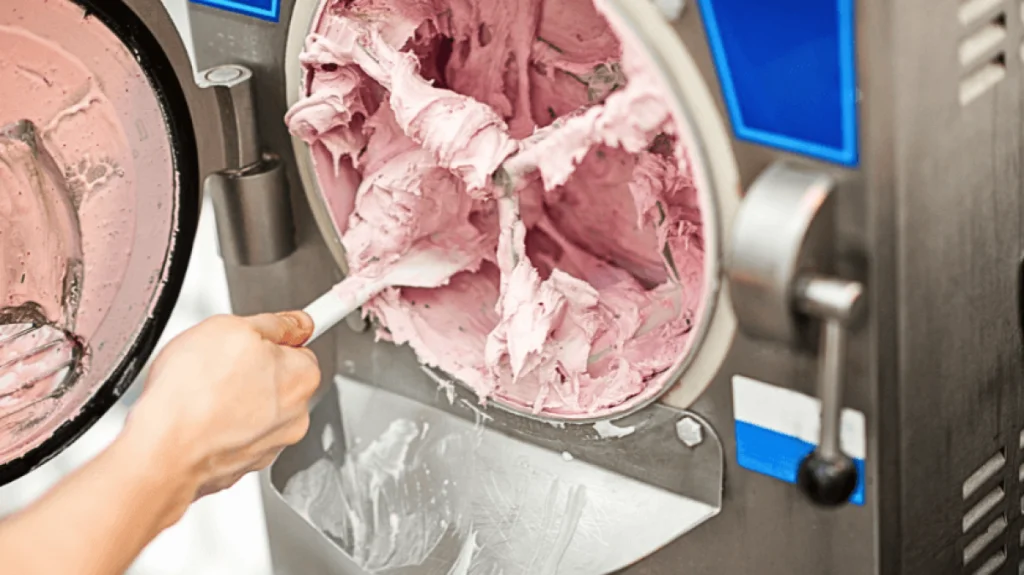
How Vevor Ice Cream Machines Work
Vevor ice cream machines use a compressor, evaporator, and a mixing dasher to freeze and aerate the mix. The compressor chills refrigerant that cools the bowl or cylinder. The dasher stirs to create smooth texture while the thermostat and control board manage cycle timing. Knowing these parts helps with Vevor Ice Cream Machine Troubleshooting because most faults come from the motor, cooling system, or seal failures.
Common Problems and Causes
Below are frequent issues and what usually causes them.
- Machine won't start
- Power cord issues, blown fuse, or a failed control board are common causes.
- Machine runs but does not freeze
- Low refrigerant, blocked condenser, or a weak compressor can reduce cooling.
- Poor texture or icy product
- Wrong mix ratio, dirty dasher, or incorrect running time affects texture.
- Strange noises or vibration
- Worn bearings, loose mounting, or damaged dasher can cause noise.
- Leaks or condensation
- Failed gaskets, loose fittings, or cracked bowls may leak.
- Error codes or blinking lights
- Sensor faults, thermostat issues, or control board errors usually trigger codes.
Vevor Ice Cream Machine Troubleshooting focuses on these root causes to get to the fix quickly.
Step-by-Step Troubleshooting Checklist
Follow these steps in order to diagnose and often fix the issue.
- Confirm power and controls
- Check the outlet with another device.
- Inspect the machine’s power cord for cuts or loose plugs.
- Reset and read error codes
- Turn off the machine, wait 60 seconds, then restart.
- Note any blinking lights or codes.
- Inspect the compressor and condenser
- Look for dust, debris, and blocked airflow.
- Clean the condenser fins with a soft brush if dirty.
- Check the dasher and seals
- Remove the dasher and inspect for wear or buildup.
- Replace torn gaskets or seals to stop leaks and loss of vacuum.
- Test motor and drive
- Listen while running empty; a humming motor may mean seized bearings.
- If the motor stalls, consider professional motor inspection.
- Verify mix and run times
- Use the recommended mix concentration and pre-chill mix.
- Adjust run times based on batch size and temperature.
- When in doubt, stop and call support
- If the compressor overheats or electrical smells occur, unplug immediately.
Use this checklist for straightforward Vevor Ice Cream Machine Troubleshooting. It helps you narrow problems before ordering parts.
PAA-style question 1
Why does my Vevor ice cream machine not freeze enough?
Low refrigerant, blocked airflow, or a worn compressor usually cause weak cooling. Clean vents, ensure good airflow, and if cooling is still poor, have a technician check refrigerant levels.
PAA-style question 2
Can I fix a leaking Vevor ice cream machine myself?
Small seal or gasket leaks are often DIY fixes if you have the right replacement parts and tools. For bowl cracks or refrigerant leaks, contact a qualified technician.
Maintenance Tips to Prevent Issues
Regular care reduces the need for Vevor Ice Cream Machine Troubleshooting. Do these tasks weekly or as recommended.
- Clean the dasher, bowl, and hoppers after every use to prevent build-up and bacterial growth.
- Inspect and replace gaskets every few months or when they show wear to prevent leaks.
- Keep the condenser and vents free of dust. Clean with compressed air or a brush.
- Follow the manufacturer’s recommended lubricants for shafts and seals.
- Use the correct mix ratio and pre-chill it to reduce strain on the compressor.
- Track run hours. Heavy use may require more frequent service.
From my experience, skipping weekly cleaning led to sticky build-up that ruined batches and caused excessive motor load. Regular cleaning saved time and repairs later.

When to Contact Vevor Support or a Technician
Some problems need expert help. Contact support or a pro when any of these occur.
- Compressor does not engage or runs hot despite clean vents.
- You smell burning or see smoke from the motor or wiring.
- The machine shows persistent error codes after resets.
- Refrigerant leak is suspected (oily residue, hissing, or rapid loss of cooling).
- Electrical components fail repeatedly after replacing fuses.
When calling support, have model number, serial number, purchase date, and a clear description of symptoms ready. This speeds up diagnosis and parts replacement.
Parts, Replacements, and Upgrades
Knowing common parts helps during Vevor Ice Cream Machine Troubleshooting and repairs.
- Common replacement parts
- Dasher assembly, gaskets, motor brushes, fuses, thermostats, and control boards.
- Tips for sourcing parts
- Use parts specified for your Vevor model for fit and safety.
- Keep receipts and warranty info to check for covered repairs.
- Upgrades and improvements
- Add a pre-chill tank or improved air filters to reduce workload on the compressor.
- Consider surge protectors for electrical safety.
If you replace parts yourself, document steps and take photos to ensure correct reassembly. If unsure, let a trained technician handle sealed-system parts like the compressor.
Safety and Precautions
Safety matters during Vevor Ice Cream Machine Troubleshooting.
- Always unplug the machine before working on electrical parts or internal components.
- Wear gloves and eye protection when handling sharp parts or cleaning chemicals.
- Avoid working on refrigerant lines unless certified. Refrigerants are hazardous and regulated.
- Follow lockout/tagout steps in busy commercial kitchens to avoid accidental start-up.
If you ever feel unsure, stop and call a qualified repair service. Safety prevents small problems from becoming dangerous ones.
Frequently Asked Questions of Vevor Ice Cream Machine Troubleshooting
How often should I clean my Vevor ice cream machine?
Clean daily if used for food service. For home use, clean after each batch and deep clean weekly.
My machine runs but produces warm mix. What should I check first?
Check airflow around the condenser and the cleanliness of the condenser fins. Also verify mix temperature and run time.
Can I replace the dasher seals myself?
Yes, small seals are usually user-replaceable with basic tools, but follow the manual and ensure proper seating to avoid leaks.
What does a humming sound with no motion indicate?
A humming motor often points to a seized shaft, worn bearings, or a failing capacitor. Turn off power and inspect or call a technician.
Is it safe to use aftermarket parts for repairs?
Aftermarket parts may fit, but use parts that meet the original specifications to ensure safety and proper performance. Genuine-spec parts reduce risk.
How long should a Vevor ice cream machine last with proper maintenance?
With regular care and timely repairs, many units run well for several years. Heavy commercial use may shorten service life.
Conclusion
Vevor Ice Cream Machine Troubleshooting is manageable with the right steps, regular maintenance, and safety habits. Start with power and airflow checks, clean parts often, and replace worn gaskets early to avoid bigger failures. When problems involve sealed systems, persistent error codes, or electrical hazards, contact support or a certified technician. Try these fixes, track results, and share your experience or questions below to learn more and keep your machine running smoothly.

