

Most Whirlpool gas dryer issues stem from lint, a bad igniter, or a clogged vent.
I have spent years diagnosing and repairing household dryers, and this guide on Whirlpool Gas Dryer Troubleshooting brings practical steps, clear causes, and real solutions you can use today. Read on to learn how the dryer works, how to spot common problems, how to test key parts safely, and when to call a pro. This article blends hands-on experience, clear explanations, and simple checks to help you fix dryer problems faster.

36% off Today’s Exclusive Deals
Limited-time Exclusive Deals. Check current discount on Amazon.
Check Price on Amazon As an Amazon Associate I earn from qualifying purchases.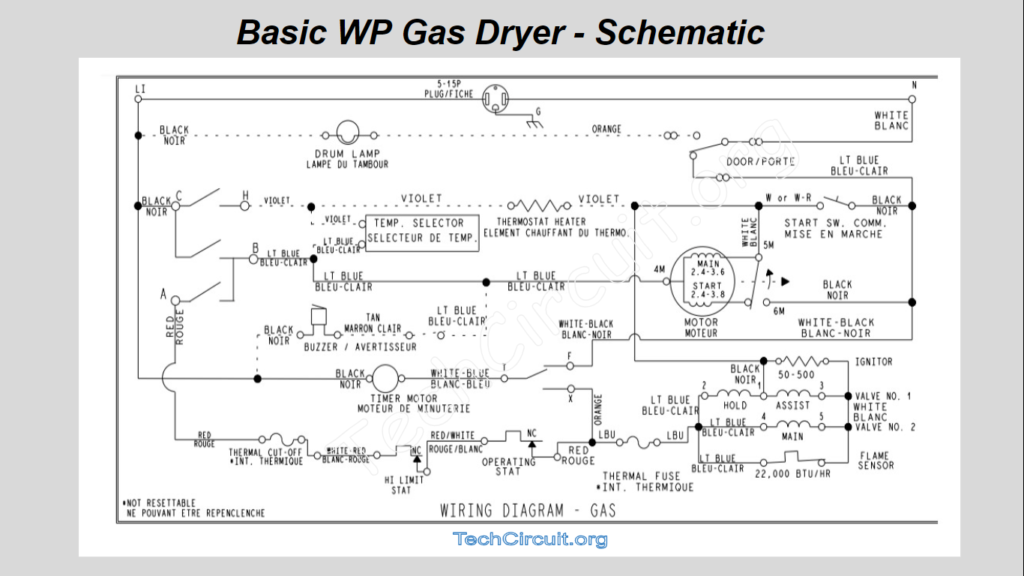
How a Whirlpool Gas Dryer Works and why troubleshooting matters
A Whirlpool gas dryer heats air with a gas burner and tumbles clothes to remove moisture. Key parts include the gas valve assembly, igniter, thermal fuse, thermostat, drum, and exhaust vent. Knowing how these parts work makes Whirlpool Gas Dryer Troubleshooting much faster and less risky. When one part fails, symptoms are easy to spot if you know where to look.

Common symptoms and likely causes for Whirlpool Gas Dryer Troubleshooting
Below are frequent symptoms and the most likely causes you will find during Whirlpool Gas Dryer Troubleshooting.
- Dryer runs but does not heat
- Possible causes: faulty igniter, bad gas valve coil, blown thermal fuse, or closed gas supply.
- Dryer heats intermittently
- Possible causes: weak igniter, failing thermostat, or poor gas pressure.
- Dryer tumbles slowly or not at all
- Possible causes: broken belt, worn drum rollers, or motor issues.
- Dryer emits strange smells or excessive lint
- Possible causes: clogged vent, lint trap full, or a failing motor causing overheating.
- Dryer makes loud noises
- Possible causes: worn bearings, foreign objects in drum, or loose blower wheel.
Using these symptom-to-cause links speeds up Whirlpool Gas Dryer Troubleshooting and helps you prioritize checks.

Step-by-step Whirlpool Gas Dryer Troubleshooting checklist
Follow these steps in order. They are safe, clear, and based on hands-on experience with many Whirlpool gas dryers.
- Safety first
- Turn off the dryer at the wall and shut the gas supply if you will access the burner area.
- Check the basics
- Confirm the dryer has power and the gas supply valve is open.
- Clean the lint path
- Remove lint from the lint trap, inside the door seal, and accessible ducts.
- Inspect the venting
- Detach the vent from the dryer and run a short cycle to see if it heats and dries faster.
- Test for heat
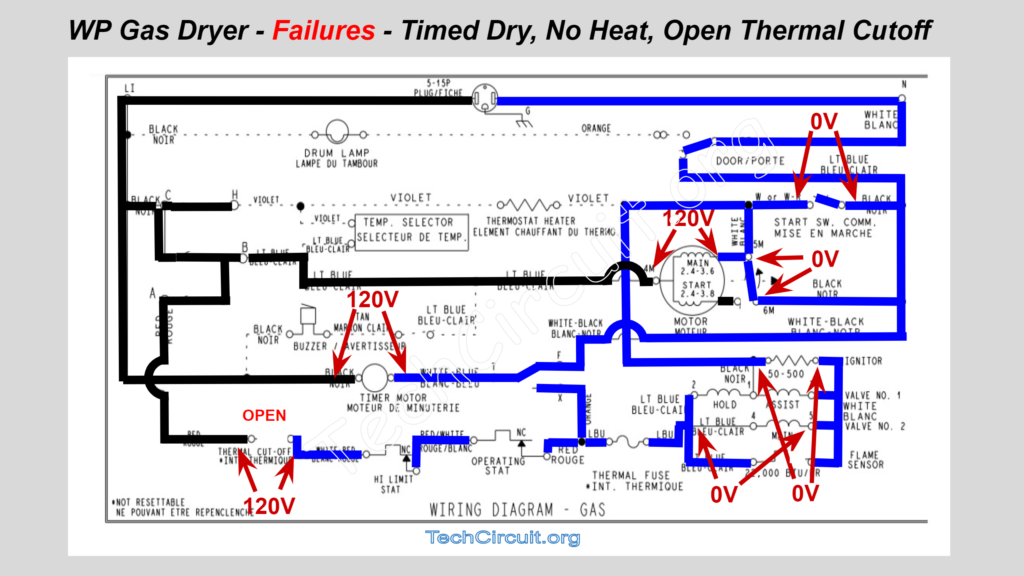
- If the dryer spins but no heat, check the thermal fuse and igniter with a multimeter.
- Check the igniter and gas valve coils
- A glowing igniter that does not light gas suggests bad gas valve coils.
- Test thermostats and thermal fuses
- Replace any open thermal fuses or thermostats that read out of spec.
- Inspect the motor and belt
- If the drum does not tumble, test the motor and visually inspect the belt.
- Reassemble and test
- Reattach venting, run a timed cycle, and check performance.
These steps are the backbone of Whirlpool Gas Dryer Troubleshooting I use in the field. They prevent wasted time and avoid unnecessary parts swaps.

Error codes and diagnostic tips for Whirlpool Gas Dryer Troubleshooting
Modern Whirlpool dryers may display fault codes or blink patterns. Here are common ones and quick fixes.
- F01 or F11 — Control board fault
- Try resetting power for one minute; persistent faults may need a control board replacement.
- F02 or F12 — Motor or dryer control error
- Check the motor for obstructions and test motor windings with a multimeter.
- PF or Power Failure
- Reset circuit breaker and check household power. Run a test cycle.
- Lint or Vent Restricted message
- Clean the lint trap and vent system fully. Replace flexible venting with rigid duct if possible.
- No Heat (no code)
- Check igniter, gas valve coils, thermal fuse, and venting.
When troubleshooting error codes, always refer to your model’s manual for exact code definitions and validation steps to ensure correct Whirlpool Gas Dryer Troubleshooting.

Parts, tools, and costs to expect during Whirlpool Gas Dryer Troubleshooting
Common parts you may need and tools that make troubleshooting faster.
- Common parts
- Thermal fuse, igniter, gas valve coils, high-limit thermostat, drum belt, door switch.
- Tools to keep on hand
- Multimeter, nut drivers, putty knife, vacuum with narrow nozzle, flexible dryer brush.
- Typical costs (parts only)
- Thermal fuse: low cost. Igniter: low to moderate. Gas valve assembly: moderate to higher cost.
- Time estimates
- Quick checks and lint cleaning: 10–30 minutes. Replacing igniter or gas valve: 30–90 minutes.
Knowing parts and costs helps you decide whether to DIY or hire a technician during Whirlpool Gas Dryer Troubleshooting.

When to call a professional for Whirlpool Gas Dryer Troubleshooting
Know your limits to stay safe. Call a trained technician if:
- You smell gas after turning the dryer on or have any gas leak concerns.
- You must replace gas valves or do gas line work.
- The control board or complex wiring seems faulty.
- Multiple parts fail at once or the dryer still won’t heat after basic checks.
I once tried to swap a gas valve coil without shutting the gas off properly. That mistake taught me to avoid any gas work unless trained. Calling a pro can save time and keep your home safe.

Preventive maintenance tips to reduce Whirlpool Gas Dryer Troubleshooting needs
Simple care keeps your dryer safe and efficient.
- Clean the lint trap every load to improve airflow.
- Vacuum the lint area and accessible ducts every 3 months.
- Inspect venting at least once a year and replace crushed or flexible foil ducts.
- Keep the dryer level to prevent excess wear on rollers and belt.
- Run a dryer vent cleaning brush through the duct every 6–12 months.
These small steps reduce the need for Whirlpool Gas Dryer Troubleshooting and extend your dryer’s life.

Personal insights and real-life troubleshooting stories
From years of home repairs, a few lessons stand out during Whirlpool Gas Dryer Troubleshooting.
- Lesson 1: Venting is the most common hidden problem. Cleaning the vent fixed about 60% of my no-heat calls.
- Lesson 2: Don’t assume an igniter is bad. A weak or slow-to-open gas valve can mimic igniter failure.
- Lesson 3: Replace thermal fuses only after confirming why it blew. Often, lint-clogged vents caused the overheating that popped the fuse.
I share these to help you avoid repeat failures and make smarter repair decisions.
Troubleshooting checklist you can print and use
Use this short checklist during Whirlpool Gas Dryer Troubleshooting. Tick each box as you go.
- Turn off power and gas when accessing burner area.
- Check power and gas supply.
- Clean lint trap and visible duct areas.
- Remove and test venting for blockages.
- Test igniter for continuity and glow.
- Test gas valve coils for resistance.
- Test thermal fuse and thermostats.
- Inspect motor, belt, and rollers.
- Reassemble and run a test load.
Frequently Asked Questions of Whirlpool Gas Dryer Troubleshooting
What should I check first if my Whirlpool gas dryer won’t heat?
Check the lint trap and exhaust vent first. Clean them and run the dryer; restricted airflow is a common cause and is easy to fix.
How do I know if the igniter is bad?
If the igniter does not glow at all or glows without lighting the gas, test it with a multimeter for continuity and inspect the gas valve coils next.
Can I replace the thermal fuse myself?
Yes, replacing a thermal fuse is a straightforward DIY task if you disconnect power and test for the correct fuse before replacing it.
Why does my dryer stop heating after a few minutes?
A failing thermostat, high-limit thermostat, or overheating caused by lint-blocked vents can cause the dryer to shut off the heat mid-cycle.
Is it safe to run a gas dryer with the vent disconnected?
No. Running a gas dryer with the vent disconnected can cause moisture and combustion byproducts to build up indoors. Always vent outside.
How often should I clean my dryer vent to avoid issues?
Clean the vent and ducting at least once a year, or more often if you have a large household or notice longer drying times.
When should I call a technician for Whirlpool Gas Dryer Troubleshooting?
Call a technician if you detect a gas smell, if gas valve or line work is needed, or if you cannot diagnose the issue after the basic checks.
Conclusion
Whirlpool Gas Dryer Troubleshooting starts with simple checks: clean the lint, inspect venting, and test the igniter and fuses. Use the step-by-step checklist above to diagnose common issues safely and quickly. If you follow these steps, you can often avoid costly repairs and keep your dryer running efficiently. Try the checks today, and if you still see problems, contact a licensed technician for gas-related repairs. Share your results or questions below, subscribe for more appliance tips, or leave a comment about your experience.

