

A sparkling, warm pool is a joy—until your pool heater stops working. Many pool owners rely on their Raypak pool heater for comfortable water temperatures, especially during cooler months. But when issues appear, frustration can quickly set in. Knowing how to troubleshoot common Raypak heater problems can save you time, money, and stress. This guide offers practical, easy-to-follow steps to diagnose and resolve the most frequent Raypak pool heater issues. Whether your heater won’t start or isn’t heating as expected, you’ll find the answers here.
Understanding Your Raypak Pool Heater
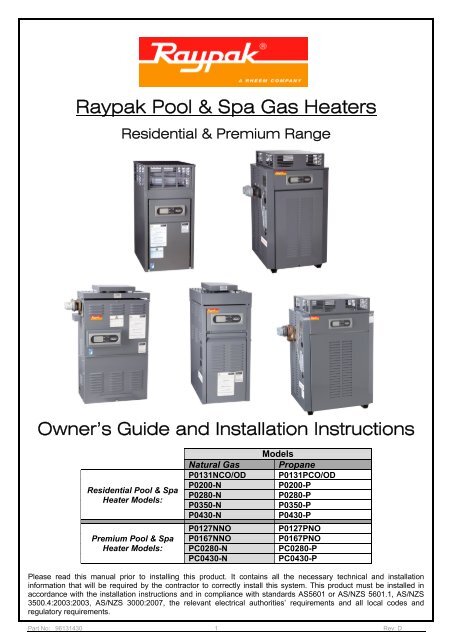
Raypak heaters are well-known for their reliability and energy efficiency. They typically use natural gas, propane, or electricity to heat pool water. Most models have digital controls, error codes, and safety features to protect the equipment and users. To troubleshoot effectively, first get familiar with your unit’s model number, fuel type, and age. The user manual is essential—keep it close, or download a copy from the Raypak website for your specific model.

36% off Today’s Exclusive Deals
Limited-time Exclusive Deals. Check current discount on Amazon.
Check Price on Amazon As an Amazon Associate I earn from qualifying purchases.Key Components
- Heat exchanger: Transfers heat from the energy source to the pool water.
- Control board: The “brain” of the heater, managing all operations.
- Ignition system: Lights the burner or heating element.
- Sensors and switches: Monitor water flow, temperature, and safety.
- Fans/blowers (on some models): Provide air for combustion.
Knowing these parts will help you understand the troubleshooting steps later on.
Safety First: Precautions Before Troubleshooting
Before you open or inspect your pool heater, keep these safety tips in mind:
- Turn off power and fuel: Shut off all electricity and gas before you open the heater cabinet.
- Wait for hot surfaces to cool: Internal parts may be extremely hot after use.
- Check for gas leaks: If you smell gas, do NOT continue—leave the area and call a professional.
- Read your manual: Follow all warnings and instructions for your specific model.
Many problems can be fixed by a careful pool owner, but some require a licensed technician—especially when gas or electrical components are involved.

Common Raypak Pool Heater Problems And Solutions
Let’s look at the most frequent problems, what causes them, and how you can fix them.
1. Heater Will Not Turn On
If your Raypak pool heater does nothing when you press the power button, check these areas:
- Power supply: Is the unit plugged in and receiving power? Test the outlet or breaker.
- Control panel: Are the display and buttons working? If not, the fuse or control board may be faulty.
- Thermostat setting: Make sure the desired temperature is higher than the current water temperature.
- External switches: Some systems have a separate timer or pool/spa switch that must be on.
Non-obvious insight: Many owners overlook the pump’s role. If your pool pump is off, or if the flow is too low, the heater will not start. Always check the pump and clean the filter first.
2. No Heat Or Insufficient Heating
When the heater runs but the water stays cold, try these steps:
- Check water flow: Dirty filters or closed valves restrict flow. Clean and adjust as needed.
- Set temperature higher: Make sure the set point is above the pool temperature.
- Inspect for error codes: Digital models will display a code if something is wrong. Match the code to your manual.
- Listen for ignition: If the heater clicks but won’t ignite, the gas supply or igniter may be the issue.
Extra tip: Cold air, wind, or low ambient temperatures can reduce heater efficiency. Consider a pool cover to keep the heat in.
3. Heater Turns On And Off Repeatedly (cycling)
Short cycling (turning on/off quickly) can signal:
- Dirty filter or pump basket: Causes low flow.
- Clogged heat exchanger: Calcium buildup inside the heater restricts water movement.
- Faulty sensors: Water temperature sensor or high-limit switch may give false readings.
Regular maintenance prevents most cycling problems.
4. Error Codes And What They Mean
Most modern Raypak heaters use digital displays to show error codes. These codes help pinpoint the problem. Here’s a quick reference for common codes:
| Error Code | Possible Cause | Solution |
|---|---|---|
| IF | Ignition failure | Check gas supply, igniter, and flame sensor |
| HS | High limit switch open | Inspect water flow and heat exchanger |
| SF | Shorted sensor | Replace temperature sensor |
| LO | Low water temperature | Increase set point, check sensor |
Always consult your model’s manual for a full list of codes.
5. Leaking Water
Leaks can happen inside or outside the unit:
- At plumbing connections: Check for loose or cracked fittings.
- From the heat exchanger: Signs of rust or dripping inside the cabinet can mean a corroded heat exchanger. This usually needs professional repair or replacement.
- Condensation: Sometimes, water is just condensation, especially on cool mornings. If it dries up quickly, it’s not a leak.
Non-obvious insight: Pool water chemistry plays a big role. Imbalanced pH or high chlorine levels can damage internal parts, leading to leaks.
6. Soot, Burn Marks, Or Smells
If you see black soot or smell gas, turn off the heater and call a technician. Soot means poor combustion—often from a blocked vent, dirty burner, or wrong gas pressure. Don’t run the heater until this is fixed; it can be dangerous.
Step-by-step Troubleshooting Guide
Not sure where to start? Use this process to narrow down the issue.
Step 1: Observe And Record
- Note any error codes on the display.
- Listen for unusual sounds—clicking, buzzing, or silence.
- Check for visible leaks, soot, or burn marks.
Step 2: Basic Checks
- Make sure the pool pump is running.
- Clean or replace the pool filter.
- Confirm that all valves are open and the water level is correct.
Step 3: Power And Control
- Check the power supply and reset the breaker if needed.
- Inspect the heater’s fuse (some models have an internal fuse).
- Test the thermostat—set it higher than the water temperature.
Step 4: Gas Or Electrical Supply
- For gas heaters: Is the gas valve open? Is the gas line clear?
- For electric heaters: Check wiring and breaker panels.
Step 5: Inspect Internal Parts
- Remove the heater’s cover (after turning off power and fuel).
- Look for signs of corrosion, loose wires, or debris.
- Inspect sensors, switches, and connections for damage.
Step 6: Reset And Test
- After making adjustments, reset the heater (usually with a reset button).
- Run the system and observe for normal operation or recurring issues.
Pro tip: If you solve the problem, monitor the system for a few days to ensure it doesn’t return.
Routine Maintenance For Raypak Heaters
Preventing problems is easier than fixing them. Regular maintenance keeps your Raypak pool heater running smoothly and extends its life.
What To Do Monthly
- Clean the pool filter and pump basket.
- Check for visible leaks or signs of corrosion.
- Inspect the heater’s vent and air intake for blockages.
Every 6 Months
- Flush the heat exchanger (especially in hard water areas).
- Test all safety switches and sensors.
- Clean burner trays and ignition components.
Once A Year
- Have a professional technician perform a full inspection.
- Test gas pressure and adjust if needed.
- Replace worn gaskets or seals.
Here’s a simple comparison of maintenance needs for gas vs. electric Raypak heaters:
| Task | Gas Heater | Electric Heater |
|---|---|---|
| Vent cleaning | Yes | No |
| Gas pressure check | Yes | No |
| Wiring check | Yes | Yes |
| Heat exchanger flush | Yes | Yes |
Staying ahead with these tasks avoids sudden breakdowns.
When To Call A Professional
Some problems need an expert’s touch. Here are signs you should stop and call a certified Raypak technician:
- Persistent error codes that won’t clear
- Gas smell or visible gas leaks
- Electrical burning smell or sparks
- Water leaking from inside the heater cabinet
- Repeated tripping of circuit breakers
Attempting to fix these on your own can be dangerous and may void your warranty.

Upgrading Or Replacing Your Raypak Heater
If your Raypak heater is more than 10 years old and needs frequent repairs, it may be time for a replacement. Newer models are more energy-efficient and have advanced diagnostics. Here’s a quick comparison of old vs. new Raypak heater features:
| Feature | Older Models | Current Models |
|---|---|---|
| Efficiency rating | 78-82% | Up to 84% |
| Digital controls | Basic or none | Advanced, with error codes |
| Low-NOx compliance | No | Yes |
| Warranty length | 1-2 years | 2-5 years |
If you’re not sure which model suits your needs, consult a pool professional or visit the official Raypak website for guidance.
Tips For Reliable Operation
- Always run the pool pump before starting the heater.
- Use a pool cover when heating to keep warmth in.
- Balance pool water chemistry—especially pH and calcium hardness.
- Schedule annual professional inspections.
- Don’t ignore unusual noises, smells, or leaks—fix them early.
Non-obvious insight: Running the heater with low water flow (such as with a dirty filter) not only reduces performance but can damage the heat exchanger, leading to expensive repairs.
Troubleshooting Raypak Digital Display Issues
Modern Raypak heaters often have a digital display. Sometimes the display itself can malfunction:
- Blank screen: Check fuse, power supply, and wiring.
- Flickering display: Loose connections or voltage fluctuations.
- Buttons not responding: Control board may need replacement.
If basic resets don’t restore normal display function, replacement of the control board or keypad may be needed. These repairs are best done by a professional.
Common Mistakes When Troubleshooting
Even experienced pool owners can make errors:
- Skipping the basics: Always check power, pump, and filter first.
- Ignoring error codes: Codes are there to help—look them up.
- Forgetting safety: Never work on a heater with power or gas connected.
- Using wrong parts: Only use Raypak-approved replacement parts to avoid damage and voided warranties.
Take your time with each step and double-check your work.
Helpful Resources
For more detailed information, visit the official Raypak website for manuals, troubleshooting charts, and customer support. You’ll find model-specific advice, diagrams, and contact information for local service professionals.
Frequently Asked Questions
Why Does My Raypak Pool Heater Keep Shutting Off?
Short cycling is often caused by low water flow (dirty filter, pump problem), a faulty sensor, or a blocked heat exchanger. Check the basics first, then inspect the sensors and switches. Persistent cycling needs a technician’s help.
How Do I Reset My Raypak Pool Heater?
Most digital models have a reset button on the control panel. Turn off power for 30 seconds, then restart. If the unit doesn’t reset or the error returns, check for error codes and follow troubleshooting steps.
What Does “if” Error Mean On My Raypak Heater?
“IF” stands for Ignition Failure. This means the heater tried to light but failed. Check the gas supply, igniter, and flame sensor. Repeated “IF” errors should be handled by a certified technician.
Can I Run My Pool Heater With A Dirty Filter?
No. Dirty filters restrict water flow, causing overheating, poor performance, and possible damage to the heater. Always clean the filter before using the heater.
How Long Should A Raypak Pool Heater Last?
With good maintenance, a Raypak pool heater can last 8–12 years. Hard water, poor water chemistry, and lack of maintenance can shorten this lifespan.
A reliable pool heater means more enjoyable swimming, less downtime, and fewer costly repairs. With these troubleshooting steps, you can solve most Raypak heater issues yourself—or know when to call for expert help. Regular maintenance and attention to error codes will keep your heater running strong for years to come.

