

If you own a Duraflame heater, you know how useful it can be during cold months. These electric heaters offer quick warmth and are often safer than traditional heaters. But sometimes, things don’t go as planned. Maybe your heater won’t turn on, blows only cold air, or shuts off by itself. In these moments, you might feel frustrated, especially if you can’t find quick answers.
This guide is here to help you. It’s built for everyday users, not technical experts. You’ll learn the most common problems with Duraflame heaters, how to troubleshoot step by step, and when to call for expert help. Along the way, you’ll find real examples, practical tips, and simple tables to make things clear.

36% off Today’s Exclusive Deals
Limited-time Exclusive Deals. Check current discount on Amazon.
Check Price on Amazon As an Amazon Associate I earn from qualifying purchases.Whether your heater is new or has seen many winters, you’ll discover ways to fix it and keep your home warm and safe.
Understanding Your Duraflame Heater
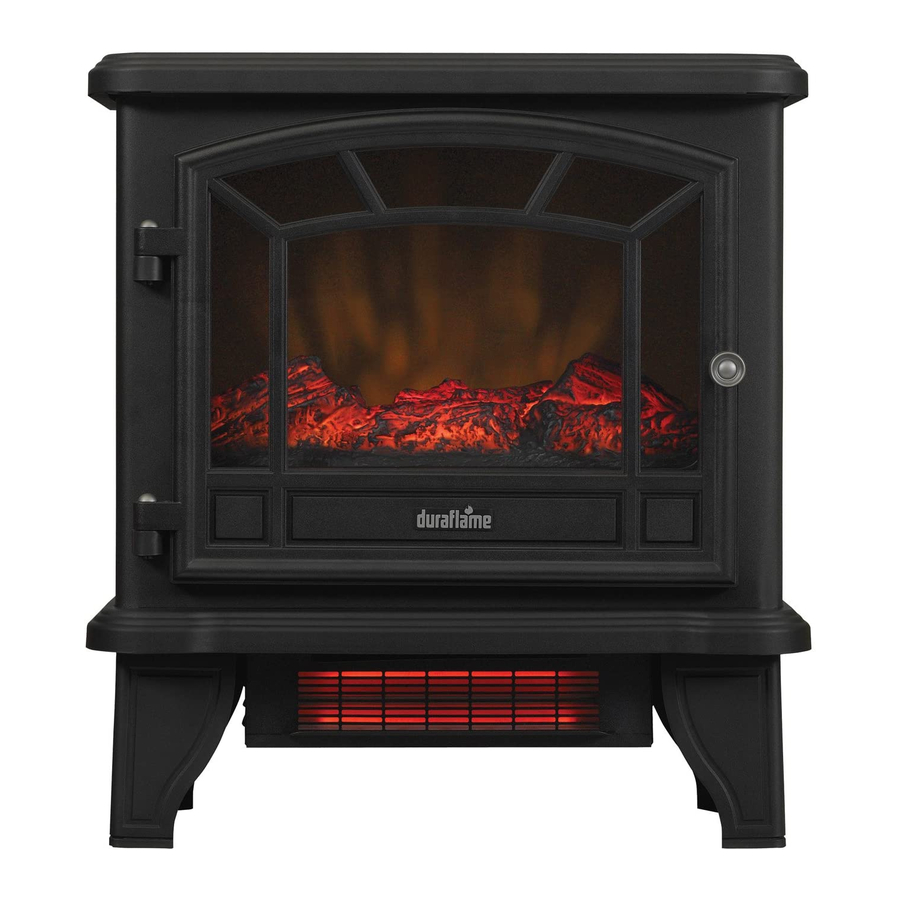
Before solving problems, it helps to know how your Duraflame heater works. These heaters use infrared quartz technology or ceramic heating elements to produce heat. Most models plug into a standard wall outlet and have features like adjustable thermostats, remote controls, and safety shutoffs.
Duraflame heaters are portable and designed for indoor use. They don’t burn fuel directly but use electricity to create heat. Many models include a fan to spread the warm air. Understanding these basics helps you see where problems might start.
Key Features Of Most Duraflame Heaters
- Adjustable thermostat for custom temperature
- Overheat protection that turns off the unit if it gets too hot
- Tip-over switch to shut down the heater if it falls over
- Remote control for easy use from across the room
- Timer settings for automatic shutoff
Knowing which features your model has will help you follow the correct troubleshooting steps.
Common Duraflame Heater Problems
Most issues with Duraflame heaters fall into a few main groups. Here are the problems users face most often:
- Heater won’t turn on
- Heater runs but no heat
- Heater shuts off unexpectedly
- Remote control doesn’t work
- Strange noises or smells
- Error codes on display
Let’s look at each problem, what usually causes it, and how to fix it.

Duraflame Heater Won’t Turn On
If your heater will not start, don’t panic. This is often simple to fix. Here’s a step-by-step process to find the cause.
Step 1: Check Power Source
- Make sure the heater is plugged in firmly.
- Try a different outlet if possible.
- Inspect the power cord for damage. Any cuts or fraying mean you should not use the heater.
Step 2: Reset The Heater
Some Duraflame heaters have a reset button. Unplug the unit, wait five minutes, then plug it in and press reset (if available).
Step 3: Check Home Circuit
- Has a circuit breaker tripped? Go to your breaker box and see if any switches are off. If so, switch them back on.
- Never use extension cords or power strips for high-wattage heaters. Plug directly into the wall to avoid overload.
Step 4: Look For Safety Features
- If the tip-over switch has triggered, place the heater upright on a flat surface.
- Overheat protection may have shut it off. Wait for the heater to cool before trying again.
Extra Insight
Many users forget to check for a child safety lock on the remote or control panel. If this is active, the heater will not respond until unlocked. Check your manual for how to turn it off.
Heater Runs But Produces No Heat
Sometimes the fan works, but you feel only cold air. This can have several causes.
Step 1: Confirm Heat Mode
- Make sure the heater is not in fan-only mode. Many models have a setting that circulates air without heating.
Step 2: Adjust Thermostat
- Set the thermostat higher than the current room temperature.
- Some heaters have a digital display; others use a dial. Make sure you’re using the right control.
Step 3: Clean The Heater
- Dust can block the heating element. Turn off and unplug the heater, then use a vacuum or soft brush to clean vents.
Step 4: Check For Obstructions
- Blocked air intakes or outlets can cause overheating and shut down the heating function.
- Move the heater away from walls and furniture.
Extra Insight
A common mistake is placing the heater near a cold draft (like a window or door). The heater’s sensor may think the room is colder than it is, leading to cycling without producing real heat.
Heater Shuts Off Unexpectedly
If your Duraflame heater stops working after a few minutes, it’s usually a safety feature, not a defect.
Step 1: Overheat Protection
- The heater will shut down if it gets too hot. This often happens if vents are blocked or the room is very warm.
- Let the heater cool for 5-10 minutes, clean vents, and try again.
Step 2: Tip-over Switch
- Make sure the heater is on a level surface.
- Carpeting can sometimes trigger the tip-over sensor if the heater wobbles.
Step 3: Power Supply Issues
- A loose plug, faulty outlet, or overloaded circuit can cause brief power loss and shutdown.
Step 4: Thermostat Setting
- If the room reaches the set temperature, the heater will turn off. Lower the thermostat and see if it runs longer.
Extra Insight
Many Duraflame heaters have an auto-eco mode to save energy. In this mode, the heater cycles on and off to keep a steady temperature. This is normal and does not mean the unit is broken.
Remote Control Doesn’t Work
A remote makes using your heater easier, but it can stop working for simple reasons.
Step 1: Replace Batteries
- Use fresh alkaline batteries.
- Make sure batteries are installed the right way (+ and -).
Step 2: Check Line Of Sight
- The remote must point directly at the sensor window on the heater.
- Remove any objects blocking the signal.
Step 3: Reset Remote
- Some models require you to pair the remote again. Check your manual for instructions.
Step 4: Test The Remote
- Use your phone’s camera: Point the remote at your phone’s camera and press a button. If you see a flash in the camera, the remote sends a signal.
Extra Insight
Some remotes use infrared and can be affected by sunlight or strong lights in the room. Try using the remote in different lighting.
Strange Noises Or Smells
Duraflame heaters are usually quiet and odorless. Unusual sounds or smells often mean something needs attention.
Step 1: Identify The Noise
- Clicking is normal when heating elements expand or contract.
- Grinding or rattling could mean a loose part or debris inside.
Step 2: Smell Check
- Burning dust is common when first using the heater after storage. This should go away after a few uses.
- A plastic or chemical smell could mean a wiring issue. Stop using the heater and have it checked.
Step 3: Clean The Heater
- Dust build-up can create noise and odor. Clean air intakes, outlets, and the fan area gently.
Extra Insight
If you have pets, their hair can collect inside and near the heater, causing both smells and extra noise. Regular cleaning helps avoid this.
Error Codes On Display
Some Duraflame heaters have a digital display that shows error codes. Understanding these codes helps you fix problems faster.
Here’s a quick reference for common codes:
| Error Code | Meaning | Action Needed |
|---|---|---|
| E1 | Overheat detected | Let heater cool, check for blocked vents |
| E2 | Tip-over detected | Place heater on flat surface |
| E3 | Sensor fault | Try reset, call support if continues |
| E4 | Power supply issue | Check outlet and cord |
If you see an error not in your manual, unplug the heater for 10 minutes. If the code returns, call customer support.
Comparing Duraflame Models For Troubleshooting
Not all Duraflame heaters are the same. Here’s a quick look at how different models may need different steps.
| Feature | Infrared Quartz | Ceramic | Micathermic |
|---|---|---|---|
| Heat Type | Infrared waves | Convection | Radiant + Convection |
| Common Issues | Sensor errors, dusty elements | Fan failure, thermostat problems | Silent but can overheat quickly |
| Best For | Even room heat | Quick spot heat | All-around use |
Always check your manual for model-specific troubleshooting steps.
Advanced Troubleshooting Steps
If basic steps don’t solve your problem, you can try more advanced checks. Only do these if you feel comfortable and always unplug the heater first.
Inspecting The Power Cord
Look for signs of burns, melting, or loose connections. Never use a damaged cord. Replace it or have a technician do it.
Checking The Internal Fuse
Some Duraflame heaters have an internal fuse. If you’re handy, you can open the back (if allowed by warranty) and inspect the fuse. Replace only with the same type and rating.
Testing The Thermostat
A faulty thermostat can cause heating problems. If the heater cycles on and off at the wrong times, the thermostat may need replacement. This is best done by a professional.
When To Call A Technician
If you smell burning plastic, see sparks, or the heater trips your circuit breaker repeatedly, stop using the unit and call for help. Do not open sealed parts or attempt electrical repairs if you are not trained.
Cleaning And Maintenance Tips
Regular care can prevent many heater problems. Here’s how to keep your Duraflame heater working safely and efficiently.
- Turn off and unplug before cleaning.
- Use a soft brush or vacuum to clean vents and grills.
- Wipe the exterior with a damp cloth; avoid harsh cleaners.
- Check for pet hair or dust inside the air intake.
- Store the heater in a dry place when not in use.
A well-maintained heater runs better and lasts longer. Clean your heater every few weeks during heavy use.
Safety Precautions
Using any electric heater comes with safety rules. Here are the most important tips for Duraflame heaters:
- Keep the heater at least 3 feet away from flammable objects.
- Never leave the heater unattended when on.
- Don’t cover the heater or block air vents.
- Plug directly into a wall outlet, not an extension cord.
- Keep children and pets away from the unit.
- If the heater shows any signs of electrical damage, stop using it immediately.
Following these rules reduces the risk of fire and keeps your home safe.
Real-world Example: Troubleshooting In Action
Let’s walk through a common situation:
Maria bought a Duraflame infrared heater for her living room. After two weeks, it suddenly stopped producing heat, though the fan still worked.
- She checked that the heater was plugged in directly to the wall.
- The display showed no error, but the thermostat was set low. She raised it above room temperature.
- Still, no heat. Maria unplugged the unit and cleaned the air intake and outlets with a soft brush.
- After plugging it back in, the heater started working normally.
Insight: Dust build-up caused the heater to overheat, triggering the safety shutoff. Cleaning solved the problem.
Comparing Troubleshooting Success Rates
Based on user reports and service data, here’s how often basic troubleshooting solves the problem:
| Problem Type | Fixed by User (%) | Needs Technician (%) |
|---|---|---|
| Won’t turn on | 70 | 30 |
| No heat | 65 | 35 |
| Shuts off | 80 | 20 |
| Remote issues | 90 | 10 |
Most problems can be fixed at home, but for safety, do not ignore signs of electrical failure.
When To Replace Your Duraflame Heater
Heaters don’t last forever. Here are signs it’s time for a new one:
- Repeated electrical faults, even after repair
- Physical damage to the case or controls
- Heater is more than 8-10 years old
- Replacement parts are not available
Modern heaters are safer and more energy-efficient, so upgrading can save you money and reduce risk.
Finding More Help
If you’ve tried these steps and still have problems, contact Duraflame customer service. Have your model number ready and describe what you’ve already done. Their support team can guide you through advanced troubleshooting or recommend repair centers.
Official support and manuals are available at the Duraflame Support page.
Frequently Asked Questions
Why Does My Duraflame Heater Keep Shutting Off?
This usually happens because of overheat protection or the tip-over switch. Blocked vents, a hot room, or an uneven floor can trigger these features. Let the heater cool, clean it, and place it on a level surface before trying again.
Can I Use My Duraflame Heater With An Extension Cord?
No. Always plug your heater directly into a wall outlet. Extension cords can overheat and cause a fire risk, especially with high-wattage devices.
My Heater Smells When I First Turn It On. Is This Normal?
A burning dust smell is common during the first few uses each season. Dust collected on the heating element burns off, creating the odor. If the smell continues or smells like burning plastic, stop using the heater and check for issues.
How Do I Reset My Duraflame Heater?
Unplug the unit from power, wait at least five minutes, then plug it back in. Some models also have a reset button—check your manual for the location. If the heater still does not work, follow other troubleshooting steps.
Where Can I Find The Manual For My Duraflame Heater?
You can find manuals for most models on the Duraflame Support website. Enter your model number to download the correct manual and get more troubleshooting help.
A Duraflame heater can make winter more comfortable, but like all devices, it can have problems. With the steps above, you can fix most issues yourself and enjoy safe, reliable heat all season long. Remember: when in doubt, always put safety first and ask for expert help if needed.

