

Most Samsung refrigerator error codes point to sensors, ice maker, door, or defrost faults.
I have worked on dozens of Samsung refrigerators. I know how Samsung Refrigerator Troubleshooting Codes show issues fast. This guide breaks down common codes, what they mean, and simple fixes you can try at home. Read on for clear steps, real-life tips, and safe advice to get your fridge back to work.

36% off Today’s Exclusive Deals
Limited-time Exclusive Deals. Check current discount on Amazon.
Check Price on Amazon As an Amazon Associate I earn from qualifying purchases.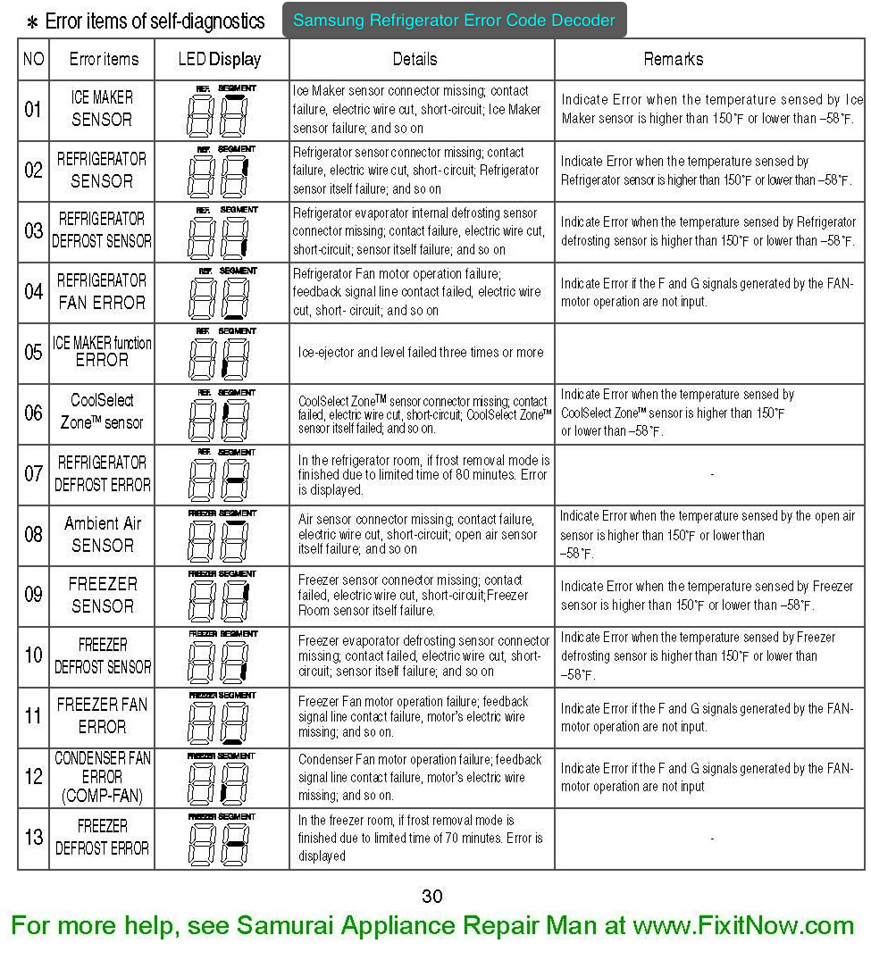
Understanding Samsung Refrigerator Troubleshooting Codes
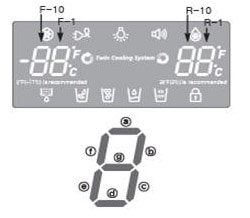
Samsung Refrigerator Troubleshooting Codes are short messages on the display or blinking patterns that tell you what part needs attention. Codes can be numbers, letters, or a mix. They act like a short report from your fridge. Models differ, so the exact code list can vary by model and year.
Why these codes exist
- They speed up diagnosis for you or a technician.
- They point to electrical issues, sensors, ice maker faults, or door problems.
- They can prevent food loss by flagging temperature or compressor problems early.
How to read the codes
- Note the exact display or pattern. Write it down.
- Look up the code in your model’s manual or Samsung’s resources.
- If the manual is missing, this guide helps interpret common codes and next steps.
Experience note
- I once saw a blinking dE code that was a loose door hinge, not a board fault. Small fixes often solve big-sounding codes. This is why you should always try simple checks first.

Common Samsung Refrigerator Troubleshooting Codes and Likely Meanings
Below are common codes you may see. These are typical interpretations. Always check your model manual for exact definitions.
- 1E or 1C
- Likely meaning: Temperature sensor or defrost sensor error.
- What to try: Power cycle the fridge. Check sensor connections at the back.
- FE or F E
- Likely meaning: Freezer temperature sensor fault.
- What to try: Confirm temperature readings with a thermometer. Replace sensor if out of spec.
- dE or DE
- Likely meaning: Door open or door switch error.
- What to try: Check door seal, hinges, and the door switch inside the gasket area.
- iC or Ice or ICEMAKER
- Likely meaning: Ice maker error or water supply issue.
- What to try: Check water line, filter, and ice maker switch. Reset the ice maker per manual.
- Er or E#
- Likely meaning: General electronic or control board error. The number often identifies a specific sensor or circuit.
- What to try: Record the full code, power cycle, and if it persists, schedule service.
- AE or A E
- Likely meaning: Main control board alarm or abnormal state alarm.
- What to try: Try a reset. If the code returns, it may need diagnosis by a technician.
- bE or BE
- Likely meaning: Inverter or compressor-related error on some models.
- What to try: Check power reliability and listen for compressor behavior. Avoid repeated cycling.
Practical example
- My unit showed FE after a storm. The freezer sensor had water ingress. Replacing the sensor fixed the error and temperature drift.
How to Troubleshoot Samsung Refrigerator Troubleshooting Codes Step-by-Step
Follow these steps in order. Stop when the issue is fixed.
- Safe basics
- Unplug or turn off the fridge at the breaker before inspecting internal parts.
- Keep food safe by moving perishables to a cooler if repair will take long.
- Record the code
- Write down the code precisely. Take a photo if needed.
- Note when the code started and any recent events like storms or moving the fridge.
- Power cycle
- Unplug for 1 minute, then plug in. For Wi‑Fi models, allow a full 5 minutes.
- Many transient errors clear with a reset. If it clears, monitor for recurrence.
- Check door and seals
- Inspect door gaskets for gaps, dirt, or tears.
- Make sure doors close fully. A dE can mean the door switch is not making contact.
- Inspect water/ice system
- Check the water filter. Replace if old or clogged.
- Confirm the water valve is on and the line is not kinked.
- Manually advance the ice maker per the manual to test functions.
- Check temperatures
- Place a fridge and freezer thermometer to confirm actual temps.
- If temps are off, check vents for blockages and confirm airflow around the fridge.
- Sensor and wiring checks
- If you are comfortable, remove the back panel and check sensor plugs.
- Look for loose connectors, corrosion, or damaged wires.
- Advanced resets
- Some Samsung models have service or diagnostic modes accessible by button presses. Use the manual steps to enter and run tests.
- Only use diagnostic modes if you are comfortable; otherwise call a pro.
- When to stop
- If the code persists after basic checks, and you see physical damage or smell burning, stop and call a technician.
Hands-on tip
- Keep replacement water filters and a small tool kit at home. I fixed two ice maker errors with a filter swap and a tightened connector.

When to Call a Technician for Samsung Refrigerator Troubleshooting Codes
Call a technician if:
- The error code returns after resets and basic checks.
- You smell burning or see sparks or smoke.
- The compressor does not run but the display shows an error.
- You are uncomfortable opening panels or handling wiring.
What a technician will do
- Run diagnostic mode tests.
- Check control board voltages and sensor readings with a meter.
- Replace faulty sensors, solenoid valves, or the main control board if needed.
Cost and warranty notes
- If your fridge is under warranty, verify coverage before any repair.
- Board or compressor repairs can be costly. Request a clear estimate and part warranty.

Preventive Tips to Avoid Error Codes
Small habits reduce errors and food loss.
- Keep vents clear
- Do not block internal airflow with large items.
- Replace filters on schedule
- A clogged filter can cause icemaker and water errors.
- Level the fridge
- Doors and seals work best when the unit is level.
- Clean door gaskets
- Wipe seals monthly to prevent gaps and alarms.
- Stable power
- Use a surge protector if your area has frequent outages.
Personal tip
- I learned to log filter changes and service dates. That log made diagnosing recurring icemaker codes easy.

Two PAA-style Quick Questions
What does a dE code on a Samsung refrigerator mean?
- A dE code usually means a door error or open door detected. Check the door seal, hinges, and the door switch for proper contact.
How do I reset Samsung Refrigerator Troubleshooting Codes?
- Power cycle the fridge by unplugging for one minute. Some models have a service reset sequence in the manual for deeper resets.
Frequently Asked Questions of Samsung Refrigerator Troubleshooting Codes
What does the FE code mean on my Samsung fridge?
FE usually indicates a freezer sensor error or communication issue. Check the freezer temperature and sensor connections, and power cycle the unit.
How do I clear an ice maker error code?
Try resetting the ice maker per the manual, replace the water filter, and check the water inlet valve. If the code persists, inspect the ice maker module or call service.
Can a power outage cause an error code?
Yes, sudden outages can trigger error or lock codes. A power cycle often clears the error, but persistent codes may need further checks.
Is it safe to keep using a fridge with an error code?
Some errors are safe short term, like a door open alert. Others, like compressor or board faults, risk food spoilage. If unsure, move perishables and call a pro.
Do Samsung codes differ by model?
Yes. Codes and meanings can vary by model and year. Always check your specific model manual or Samsung support for exact code definitions.
How long should I wait after resetting a code?
Wait at least 2–4 hours to confirm stable temperatures and that the code does not return. Some functions, like defrost cycles, take time to normalize.
Conclusion
You can solve many common Samsung Refrigerator Troubleshooting Codes with simple checks and a clear process. Start with power cycles, door and filter checks, and temperature readings. Keep a log and do basic maintenance to prevent repeat errors. If a code persists, call a qualified technician to avoid damage and food loss. Try the steps here, share what worked, and subscribe or comment to learn more about fridge care.

