

Most two-speed spa pump faults come from wiring, capacitor failure, or blocked impellers.
I have spent years fixing hot tubs and spa pumps. This guide on 2 Speed Spa Pump Troubleshooting will help you find faults fast. I explain how two-speed pumps work, common causes, step-by-step checks, simple fixes, and when to call a pro. Read on for clear, tested advice you can use today.

36% off Today’s Exclusive Deals
Limited-time Exclusive Deals. Check current discount on Amazon.
Check Price on Amazon As an Amazon Associate I earn from qualifying purchases.
How two-speed spa pumps work and why they matter
A two-speed spa pump has a single motor with two windings or a dual-speed switch. It runs on low speed for circulation and high speed for jets. The low speed saves energy and keeps water moving. The high speed gives full flow and pressure for massage jets.
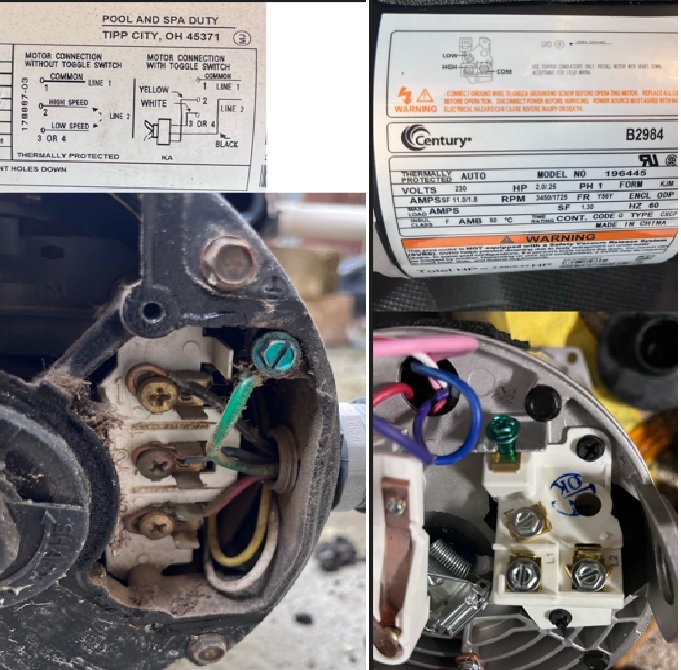
Knowing how the pump shifts speeds helps with 2 Speed Spa Pump Troubleshooting. Many faults happen when the pump won't switch speeds or only runs on one speed. When you understand parts like the capacitor, switch, and motor, you can narrow down the issue quickly.
Common problems in 2 Speed Spa Pump Troubleshooting
Most issues fall into a few clear categories. Spotting which category your pump fits into saves time and money.
- Electrical failures: no power, blown fuse, or trip. These stop the pump completely.
- Speed switching faults: pump only runs on low or high speed. This often points to a bad capacitor or switch.
- Mechanical problems: blocked impeller, worn bearings, or cavitation. These cause noise, low flow, or overheating.
- Seal and leak issues: water in the motor or wet base. Leaks lead to motor failure and rust.
- Overheating and thermal trips: pump runs briefly then shuts off. This can be due to poor ventilation, low flow, or a bad motor.
I have seen most of these in the field. A clogged filter and closed valve caused a motor to overheat in one job. Checking simple items like valves and debris often fixes the issue without part replacement.

Step-by-step 2 Speed Spa Pump Troubleshooting guide
Follow a clear order to avoid wasted effort. Start with the easiest checks and move to tougher ones.
- Safety first
- Turn power off at the breaker and main disconnect.
- Verify power is off with a non-contact voltage tester.
- Visual and basic checks
- Look for leaks, corrosion, and loose wires.
- Check GFCI and breakers for trips.
- Check suction and basket
- Clean skimmer and pump strainer baskets.
- Confirm valves are open to allow prime.
- Test for power at the motor
- Turn power on and measure voltage at the motor terminals.
- Confirm correct line voltage and correct wiring for both speeds.
- Test the capacitor
- A swollen or leaking capacitor is a common cause of speed issues.
- Replace the capacitor if readings are out of spec.
- Switch and relay checks
- Inspect the speed switch and relays for burnt contacts.
- Swap or bench-test the switch if possible.
- Motor and bearing check
- Listen for grinding or humming; these suggest bad bearings.
- If motor hums and won’t start, it may need a start capacitor or motor repair.
- Final test
- Reassemble and restore power.
- Test both speeds and monitor amps and temperature.
Keep notes while you test. A short checklist helps you track what you tried and what changed. This speeds up the repair and avoids repeated steps.

Electrical diagnostics for 2 Speed Spa Pump Troubleshooting
Electric checks must be simple and safe. Use a multimeter and basic tools.
- Check incoming voltage
- Measure voltage at the pump at both speed terminals
- Confirm proper ground and neutral connections
- Test capacitor with a capacitance meter
- Measure current (amps) while running on both speeds
Signs to watch for:
- Low voltage at motor but full at breaker: wiring issue or loose connection.
- High amperage draw: blocked impeller, collapsed suction, or worn bearings.
- No spin but humming: likely start circuit or capacitor issue.
I once tracked a mysterious low-speed only fault to a loose wire at the control box. Tightening the terminal fixed it in five minutes. Small things often cause big headaches.
Mechanical issues and simple repairs
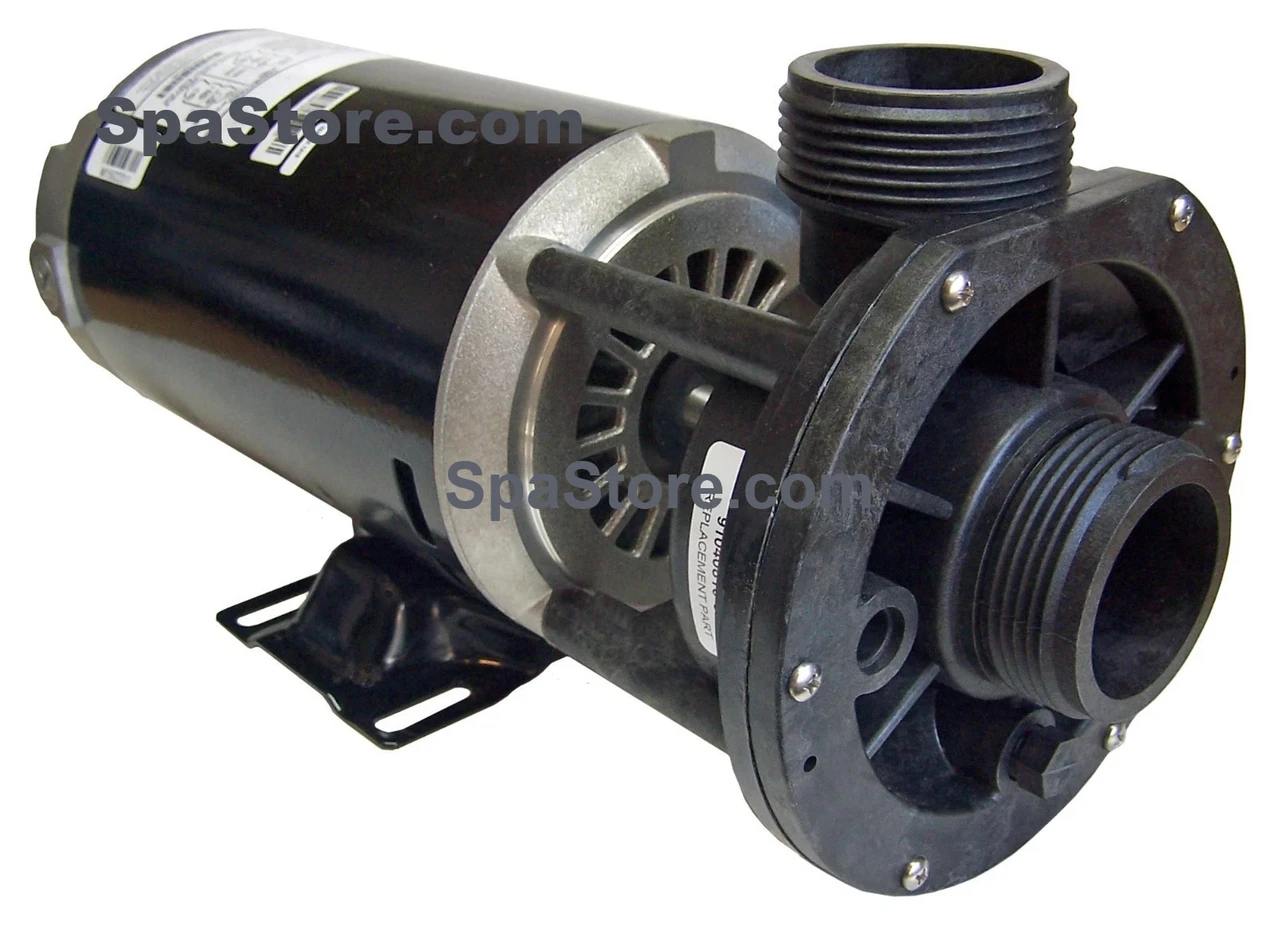
Mechanical problems often show through sound and flow.
- Impeller blockage
- Air in suction line (loss of prime)
- Cavitation from closed valves or suction leaks
- Worn shaft seals and bearings
Fixes you can try:
- Clean the impeller and housing.
- Tighten suction plumbing and check for leaks.
- Replace worn seals and bearings if you see water in the motor.
- Replace impeller if damaged.
If the motor shaft is seized, replacement of the motor or the entire pump may be the best option. For older pumps, cost of parts and labor can exceed replacement cost.
Maintenance to avoid 2 Speed Spa Pump Troubleshooting issues
A little routine care prevents many failures.
- Check and clean filters weekly.
- Inspect pump basket and skimmers for debris.
- Run both speeds periodically to keep parts moving.
- Keep the pump well-ventilated and clear of debris.
- Replace capacitors and seals as preventive maintenance every few years.
Regular water chemistry also matters. Corrosive or scale-forming water damages seals and motors. I recommend a quick monthly check and a deep clean each season.
When to repair versus replace a 2 speed spa pump
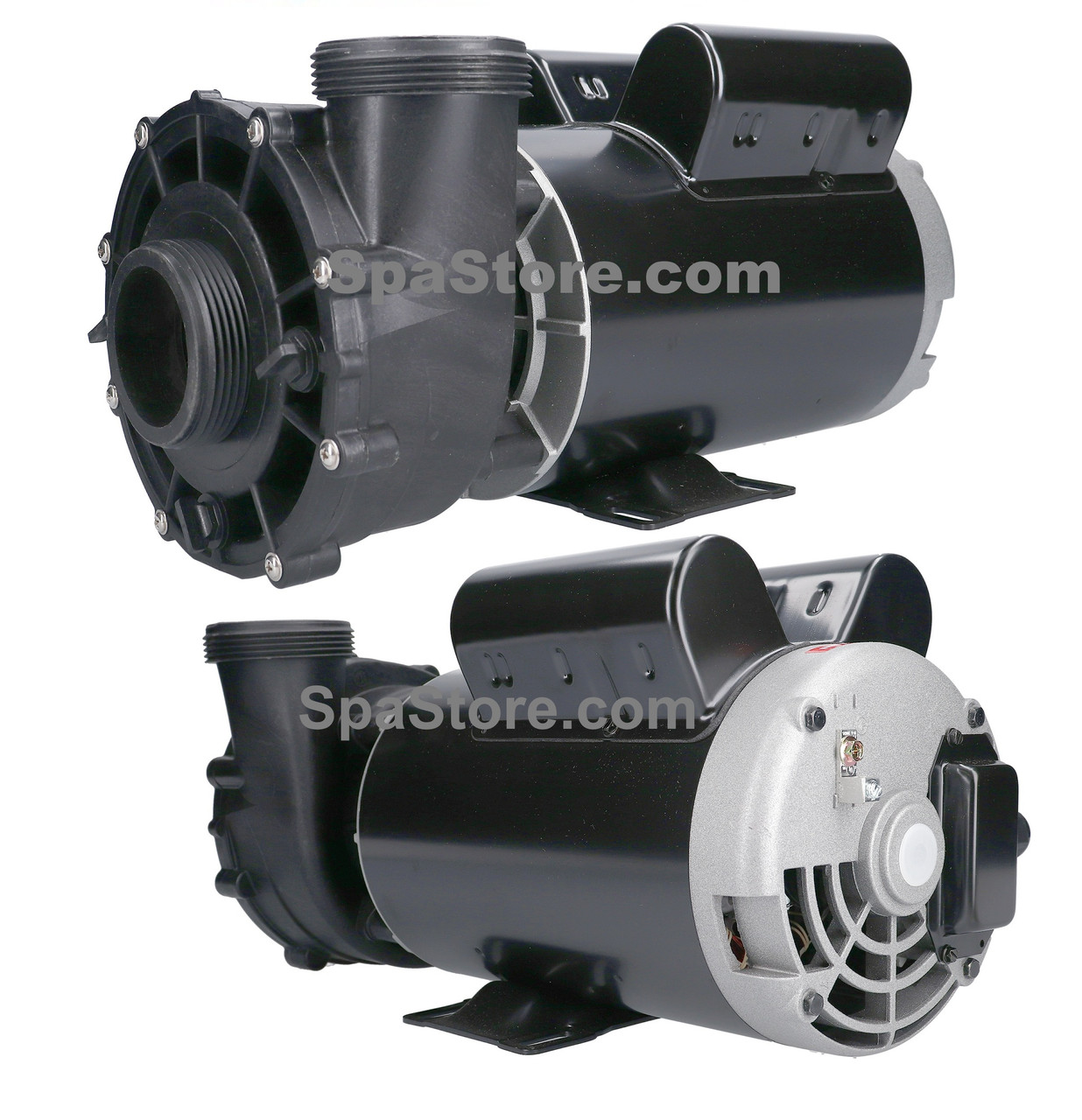
Decide using age, cost, and failure type.
- Repair when: pump is under 5–7 years, fault is capacitor, switch, or impeller, and parts are available.
- Replace when: motor bearings are shot, water damaged rotor, repeated failures, or the pump is older than 10 years.
- Consider upgrade: new energy-efficient models cut running costs and may improve jet pressure.
If you spend more than 50% of replacement cost on repairs, replace it. Newer pumps also come with better seals and longer warranties.

My personal tips and common mistakes to avoid
I share quick tips from real jobs to help you avoid repeat trips.
- Always label wires before you disconnect them. Wrong wiring can damage a motor.
- Replace capacitors with the same specs. Cheap substitutes fail fast.
- Do not run a pump dry. It overheats quickly and ruins bearings.
- Use a clamp meter to watch amps when testing. It tells you load quickly.
- Keep spare capacitors and basic parts if you work on spas regularly.
One job taught me to check cheap pool covers. They trapped heat and caused a pump to overheat. Small details matter.
Additional considerations: safety and codes
Follow local electrical codes and spa safety rules.
- Use GFCI protection for all spa circuits.
- Ensure conduit and wire sizes meet motor amp draws.
- Hire a licensed electrician for wiring changes.
- Keep documentation for warranty claims.
Safety protects you and your equipment. If you are not comfortable with live testing, stop and call a pro.
Frequently Asked Questions of 2 Speed Spa Pump Troubleshooting
What if my two-speed pump only runs on high speed?
This often points to a failed low-speed winding, bad switch, or wiring issue. Test the switch and motor terminals and measure voltage at low-speed terminal.
Why does my pump hum but not start on either speed?
Humming with no start is usually a bad start capacitor or seized bearings. Test the capacitor and try spinning the shaft by hand when power is off.
How do I know if the capacitor is bad?
A bad capacitor may be swollen, leak, or test out of spec on a capacitance meter. Symptoms include weak start, no start, or running on one speed only.
Can air in the suction line cause speed issues?
Yes. Air prevents proper prime and can cause overheating or cavitation that affects performance. Check seals, fittings, and the skimmer for leaks.
When should I call a professional for 2 Speed Spa Pump Troubleshooting?
Call a pro if you see water inside the motor, smell burning, or have complex wiring issues. Also call if you are not comfortable with electrical testing or the pump needs motor replacement.
How long do two-speed spa pumps typically last?
With good maintenance, they last 5 to 10 years. Water damage and poor chemistry shorten that life significantly.
Conclusion
You can diagnose most 2 Speed Spa Pump Troubleshooting issues with a clear plan: start safe, check power, inspect plumbing, test capacitors, and listen to the motor. Small fixes like cleaning an impeller or tightening a terminal fix many problems. Use routine maintenance to prevent most failures and replace the pump when repair costs rise.
Take action now: run a simple checklist on your spa this week, note any odd sounds, and replace worn capacitors before they fail. If you found this guide helpful, leave a comment or subscribe for more hands-on spa repair tips.

