

A faulty relay can stop the pump from running or cause intermittent stalling while driving.
I have worked on cars and diagnosed dozens of fuel systems. This guide on Fuel Pump Relay Troubleshooting condenses what I learned in shops and on the road. You will get clear steps, simple checks, and safe fixes. Read on to learn how to find relay faults, test wiring, and decide when to replace parts.

36% off Today’s Exclusive Deals
Limited-time Exclusive Deals. Check current discount on Amazon.
Check Price on Amazon As an Amazon Associate I earn from qualifying purchases.
What is the fuel pump relay and why it matters
The fuel pump relay is an electrical switch. It sends battery power to the fuel pump when the engine needs fuel. A bad relay can cause no-starts, rough idles, or sudden stalls. Fuel Pump Relay Troubleshooting focuses on this part because it often hides behind fuses, modules, or harnesses.
Common symptoms and causes of fuel pump relay problems
Symptoms point to the relay but can mimic other faults. Watch for these signs when doing Fuel Pump Relay Troubleshooting.
- No crank or engine cranks but won't start. This can come from a relay that does not supply pump power.
- Engine starts then dies. A relay that drops out under load may cause this.
- Intermittent stalling at idle or while driving. Heat or vibration can make the relay fail intermittently.
- Clicking noise from relay socket on key on. That click can mean the relay is trying to work.
- No fuel pressure at the rail. This is a core sign to check relay and pump.
Common causes include relay wear, corrosion, bad sockets, blown fuses, damaged wiring, or a weak fuel pump that draws too much current. Fuel Pump Relay Troubleshooting helps you separate these causes.

Tools you need for fuel pump relay troubleshooting
A small set of tools goes a long way. Keep items simple and portable.
- Digital multimeter for voltage and continuity checks.
- Test light for quick power checks.
- Jumper wires and an insulated screwdriver for safe bypass tests.
- Basic hand tools to remove panels and relay sockets.
- Fuel pressure gauge to confirm pump output.
- Gloves and safety glasses for protection.
These tools let you test the relay, fuse, wiring, and pump safely while doing Fuel Pump Relay Troubleshooting.
Step-by-step Fuel Pump Relay Troubleshooting guide
Follow this order to save time. Each step narrows the problem down.
- Visual and initial checks
- Check fuel pump fuse and related fuses.
- Inspect relay for corrosion or heat damage.
- Wiggle the relay and harness with the key on to check for intermittent click.
- Key-on fuel pump prime test
- Turn key to ON (do not start). Listen for pump prime for 2 seconds.
- If no prime, note it and move to relay tests.
- Relay swap
- Swap relay with identical relay in the fuse box (horn, fan).
- If pump works after swap, the relay was bad.
- Power and ground tests
- Test battery voltage at relay power terminal.
- Check ground at relay socket with a continuity test.
- Activate relay with test jumper
- Apply 12V to relay control terminal to simulate ECU signal.
- If pump runs, the relay and wiring work.
- Fuel pressure test
- Use a gauge to confirm pressure while cranking.
- No pressure with power present points to bad pump.
Do these steps in order when doing Fuel Pump Relay Troubleshooting. They save parts swaps and needless expense.

Testing the relay with a multimeter
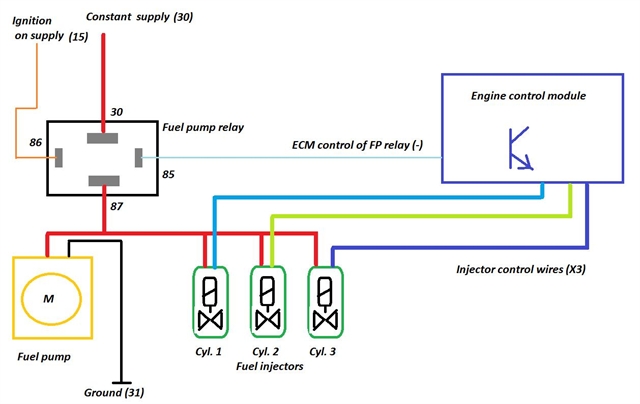
A multimeter gives clear data. Use it to test coil and switch side of the relay.
- Set meter to ohms. Check coil resistance between coil pins. Typical values range widely, so compare to service spec.
- Check continuity between common and normally open pins with relay energized. You should see near-zero ohms when energized.
- Check voltage at relay socket with key on. Battery voltage should appear at the supply terminal.
- Check control wire voltage when key is turned. The ECU or ignition switch should pull this wire to ground or 12V depending on design.
- Swap the relay in if the relay fails these checks. A relay that tests bad is cheap to replace.
Write down readings. Clear notes help if you need to ask a shop for help. Accurate testing is the heart of Fuel Pump Relay Troubleshooting.
Wiring, fuses, and grounds check
Bad wiring is often the real culprit. Follow these checks when doing Fuel Pump Relay Troubleshooting.
- Inspect fuse box for melted plastic and blown fuses.
- Trace power feed from battery to relay. Look for loose crimps and corrosion.
- Check ground points near the fuel pump and chassis. Clean and tighten them.
- Test for voltage drop under load by measuring voltage at relay and at pump while cranking.
- Look for chafed wires and melted insulation, often near heat sources.
Fix wiring faults before replacing parts. A good relay will fail again if wiring is poor.
Bypass tests and temporary fixes (use with caution)
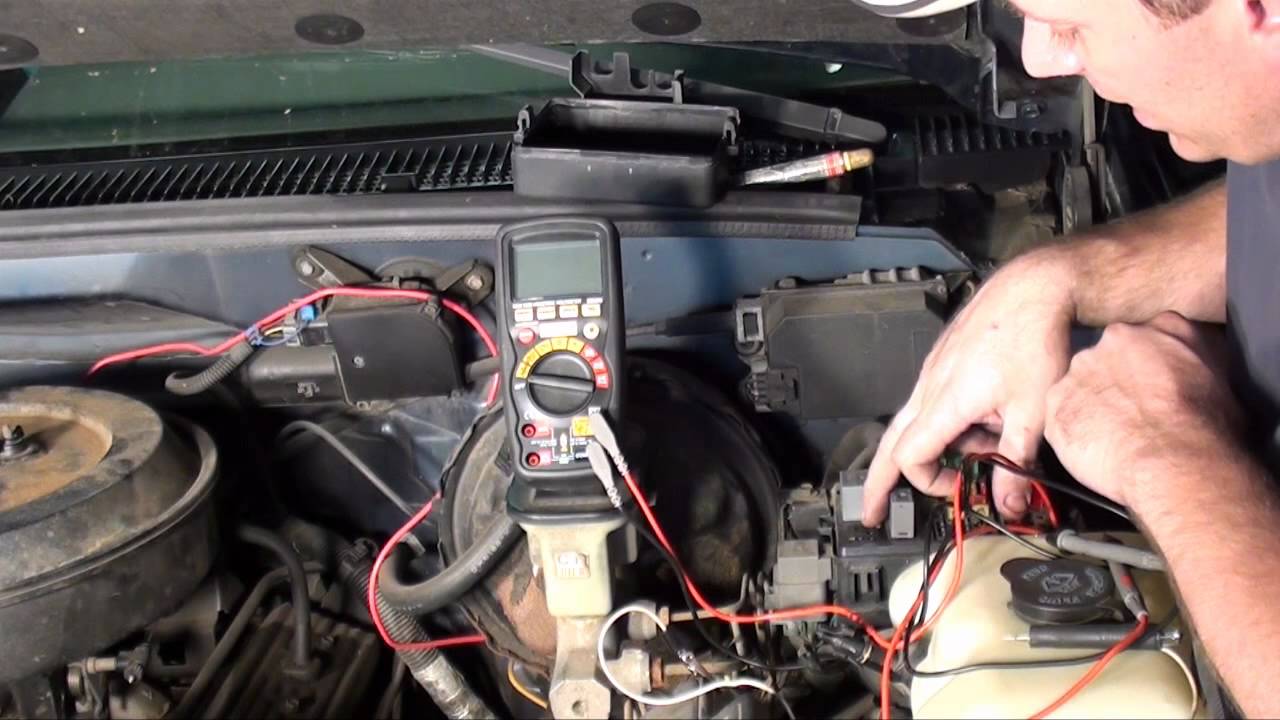
Bypass tests help confirm the relay or pump. Use them for diagnosis only.
- Apply power directly to the pump with a fused jumper to see if it runs.
- Bridge the relay coil control to energize it manually.
- Use a known-good relay from the same fuse box as a test.
Do not run the vehicle long-term with bypasses. They can be unsafe and bypass crucial safety circuits. Record what you test for later repair.
When to replace the relay or the fuel pump
Decisions come from tests. Use data, not guesswork.
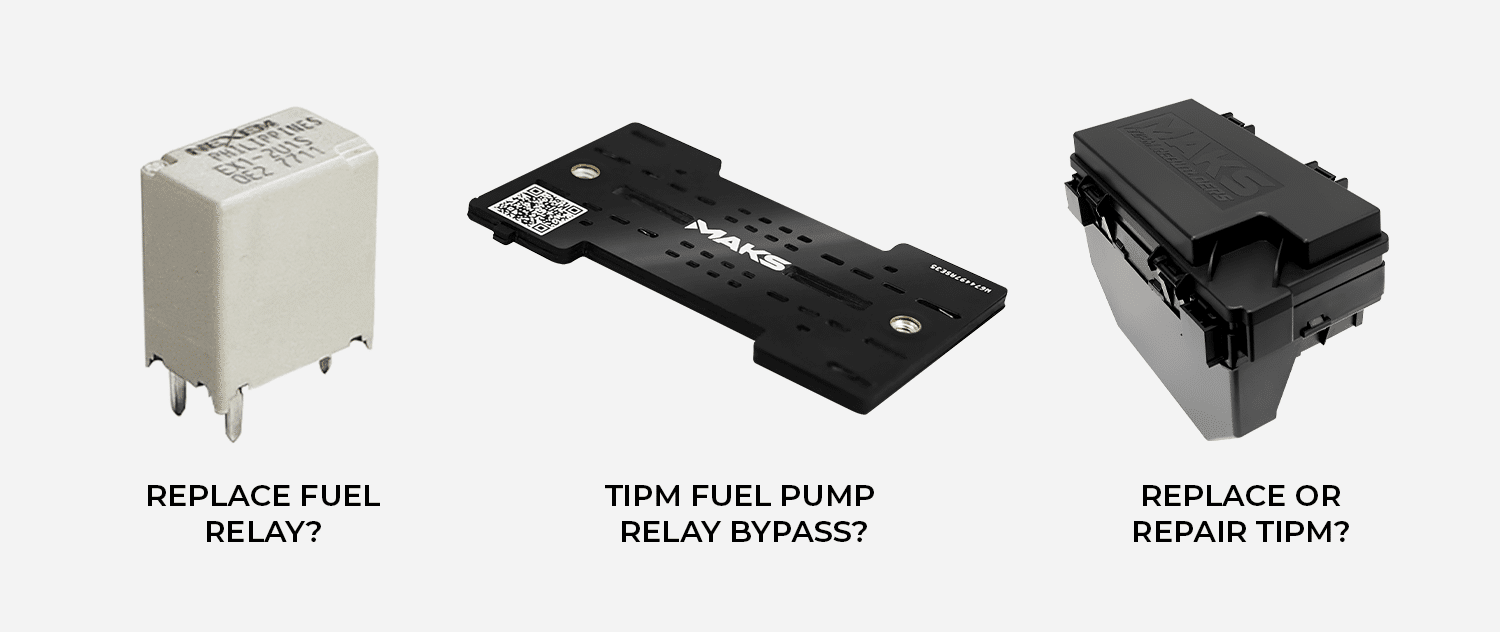
- Replace the relay when coil or switch fails bench tests or a swap fixes the issue.
- Replace the fuel pump when pressure is low with proper voltage at the pump.
- Replace wiring or sockets if corrosion or damage is found.
- Consider the pump if it draws excess current or is noisy under direct power.
Sometimes both relay and pump are weak. Replace parts in the order that matches your findings from Fuel Pump Relay Troubleshooting.
Preventive maintenance and best practices
A little care extends system life. Use these simple steps.
- Replace relays as part of preventative service if the vehicle is high miles.
- Keep fuse box dry and clean to reduce corrosion.
- Use dielectric grease on terminals to slow corrosion.
- Inspect wiring during routine service.
- Use quality parts to prevent repeat failures.
These habits reduce surprises and lower repair costs from bad relays.
Personal experience, lessons learned, and common mistakes
I once chased a no-start for a full afternoon. I swapped a pump and scoured wiring. The real fix was a $12 relay. That taught me to test relays early.
Lessons I learned:
- Do simple tests first. Listen for the pump prime.
- Take voltage readings before replacing big parts.
- Document tests and parts swapped so you don't repeat work.
Common mistakes I see:
- Replacing the pump before swapping or testing the relay.
- Ignoring ground checks.
- Using a relay swap from a non-identical circuit.
My hands-on work and shop time shaped these tips. Use them to avoid wasted time and money when doing Fuel Pump Relay Troubleshooting.
People Also Ask
How long does a fuel pump relay last?
A relay can last many years. Heat and vibration shorten life. Regular checks help catch issues early.
Will a bad relay damage the fuel pump?
A bad relay can cause pump to run hot or not run at all. Short cycling or no power can stress the pump and shorten its life.
Can a car run without a fuel pump relay?
No. The relay supplies power to the pump. Without it, the pump will not run and the engine will not get fuel.
Frequently Asked Questions of Fuel Pump Relay Troubleshooting
What is the first thing to check for a no-start related to the fuel pump?
Check the fuel pump fuse and listen for the pump prime when you turn the key to ON. If there is no sound, proceed to relay and wiring checks.
How do I know if the relay clicks but still fails?
A click shows the coil engages. Test voltage at the pump and continuity across the switch pins. If voltage never reaches the pump, the switch side may be bad.
Can a multimeter alone confirm a bad relay?
A multimeter can test coil resistance and continuity, which usually confirms a bad relay. Pair it with power checks at the socket for full diagnosis.
Is it safe to bypass the relay to test the pump?
Short-term bypass with a fused jumper is fine for testing. Do not drive long-term with bypassed safety circuits.
How much does replacing a relay cost compared to a pump?
A relay is usually inexpensive and simple to swap. Fuel pumps cost much more and take more time. Test before you replace the pump.
Conclusion
Fuel Pump Relay Troubleshooting helps you find the real cause of no-starts and stalls. Start with simple checks: listen, test fuses, swap relays, and measure voltage. Use careful wiring inspection and a fuel pressure test to confirm the pump. With these steps you will save time and money and avoid common mistakes. Try the steps outlined here, leave a comment with your case, or subscribe for more hands-on guides.

