

Most Willow pump issues are simple: clogged parts, poor fit, low battery, or app connection.
I have spent years troubleshooting wearable breast pumps and helping parents get reliable milk flow. This Willow Pump Troubleshooting guide shares clear steps, real tests, and practical tips to fix common problems fast. Read on to learn how to diagnose suction loss, leaks, noise, app errors, and when to seek repair or replacement.

36% off Today’s Exclusive Deals
Limited-time Exclusive Deals. Check current discount on Amazon.
Check Price on Amazon As an Amazon Associate I earn from qualifying purchases.
How Willow Pump Works
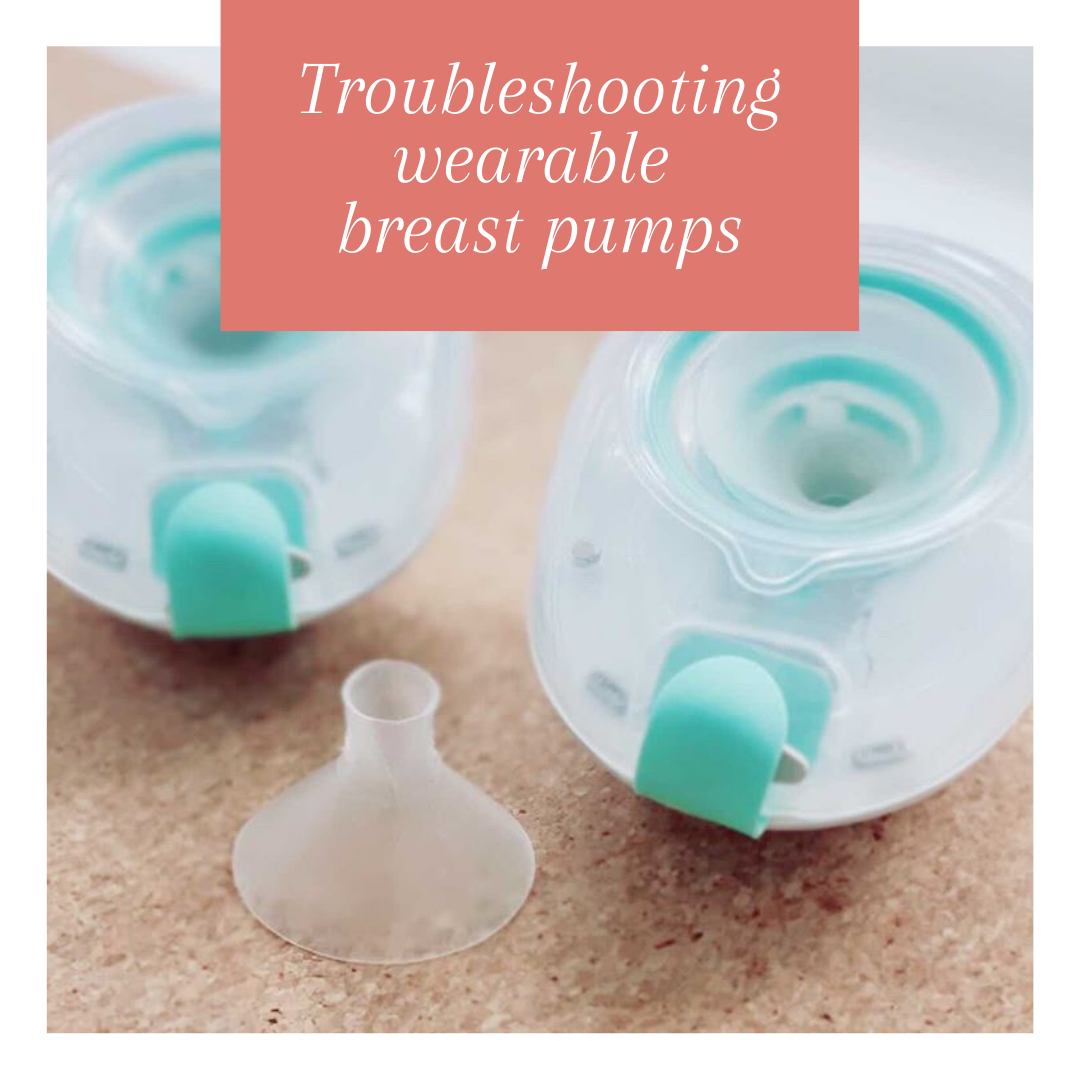
Willow is a wearable, hands-free breast pump. It uses a sealed collection unit, a motor, and a valve system to create suction and move milk into a bag. The pump relies on a good flange fit, clean parts, a charged battery, and stable app connectivity to work well. Understanding these parts makes Willow Pump Troubleshooting much easier.

Common Willow Pump Issues
Here are the most common problems I see while doing Willow Pump Troubleshooting.
- No suction. The pump runs but does not draw milk. This often links to fit or clogged parts.
- Poor suction or weak flow. Pump starts but flow is low. Could be seal or valve wear.
- Leaks or milk backflow. Milk appears in the motor or external parts. Usually a vent or seal issue.
- Motor noise or clicking. Unusual sounds can mean obstructions or mechanical wear.
- App errors and connection drops. Bluetooth or app issues may stop sessions or show wrong data.
- Charging or battery problems. Pump won’t charge or loses power quickly.
Each of these needs specific checks. Later sections cover step-by-step fixes for each case.
Step-by-step Willow Pump Troubleshooting Guide
Follow these steps for structured Willow Pump Troubleshooting. Test after each step to see if the issue is resolved.
- Visual inspection
- Check all parts for cracks, wear, or stuck milk. Look at the valve, lid, and collection bag.
- Replace any visibly damaged parts before further testing.
- Clean and dry
- Disassemble and clean all pieces per the manual. Dry completely before reassembly.
- Clogs in the vent or valve often stop suction.
- Check flange fit and position
- Ensure the flange seals against skin with no folds or clothing between.
- Try a different flange size if flow is poor.
- Test the valve and seal
- Remove the valve and inspect for stiffness or damage.
- Replace the valve if it does not spring back or sits loose.
- Run a power and charge test
- Charge the unit fully. Run a session without milk to listen for normal motor sound.
- If the unit won’t hold charge, try a different cable and charger.
- Isolate app vs hardware
- Start a session from the pump buttons (if available) or run a manual mode. If it works without the app, reconnect or reinstall the app.
- If app shows error codes, write them down and match to troubleshooting steps or support guidelines.
- Check for milk backflow
- Look inside the motor housing after a leak. Any milk presence usually means replacement or warranty service.
- Replace small parts
- Swap out valves, membranes, and bags. Keep spare parts handy if you pump frequently.
- Factory reset and firmware
- If app and hardware seem fine but performance is odd, follow the reset steps in the manual and update firmware.
- Contact support
- If steps fail, gather photos, serial number, and error logs. Contact support with clear evidence.
I use this sequence when doing Willow Pump Troubleshooting in the field. It saves time and pinpoints faults.

Preventive Maintenance and Cleaning Tips
Regular care reduces the need for Willow Pump Troubleshooting. Simple routine tasks keep suction strong and parts lasting longer.
- Clean all milk-contact parts after each use using warm water and mild soap.
- Inspect valves and membranes weekly for wear or stiffness.
- Air-dry parts fully before assembly to avoid trapped moisture.
- Replace single-use parts like collection bags after each session.
- Keep spare valves and membranes on hand for quick swaps.
- Store the pump and parts in a dry, dust-free case between uses.
- Charge the unit regularly and avoid draining the battery fully each time.
These habits prevent most common failures and cut down the time you spend troubleshooting.
Diagnosing Hardware vs App Problems
Knowing whether the issue is hardware or software helps fix it fast. Use these quick checks during Willow Pump Troubleshooting.
- Hardware signs
- Loud or grinding motor sounds.
- Visible milk in the motor or vents.
- No power even after charging attempts.
- App signs
- Sessions stop with a Bluetooth or sync error.
- App shows wrong session length or stuck screens.
- Firmware update fails or app crashes.
- Simple isolation test
- Run a pump cycle without the app. If suction is fine, the problem is likely the app or phone.
- Use another phone to try connecting. This rules out phone-specific Bluetooth problems.
Document what you tested. Clear notes speed up support calls and help you fix issues yourself next time.

When to Contact Willow Support or Seek Repair
Some problems require professional help. Use these guidelines to know when Willow Pump Troubleshooting should end and support should begin.
- You find milk inside the motor housing or vents.
- The pump won’t power on after basic charging and resets.
- Replacing valves and membranes doesn’t restore suction.
- You see persistent error codes you cannot resolve.
- The unit is under warranty and appears defective.
When you contact support, provide serial numbers, exact error messages, photos, and steps you already took. This helps get faster, accurate help.
Parts, Replacements, and Warranty
Understanding parts reduces guesswork during Willow Pump Troubleshooting. Here are key components to know.
- Flanges and seals control fit and suction. Sizes matter for comfort and flow.
- Valves and membranes manage milk flow and prevent backflow.
- Collection bags and lids are single-use or replaceable parts.
- Motor housing contains the pump and battery. This is the most expensive part to replace.
- Warranties usually cover manufacturing faults but not damage from milk contamination or misuse.
Keep receipts and register your pump if the manufacturer offers registration. Warranty coverage can save cost if a true defect exists.
Personal Experience and Real-World Tips
I have helped dozens of parents with Willow Pump Troubleshooting. One case stands out. A parent reported poor suction. She had a good flange fit but low flow. I found a thin film of milk residue blocking the vent. After a full clean and valve replacement, the pump worked like new. The lesson I learned is to clean and inspect before swapping expensive parts.
Another tip from years of testing: keep a small kit with spare valves, membranes, and extra bags in your pump bag. This fix often solves low-suction problems on the go. Trust your senses; odd smells, sounds, or textures usually point to the fault.
Troubleshooting Checklist (printable)
Use this short checklist when you start Willow Pump Troubleshooting. Keep it handy in your pump bag.
- Inspect parts for cracks or damage
- Clean and fully dry all components
- Check flange fit and try alternate sizes
- Replace valve and membrane if worn
- Charge fully and test motor sound
- Run a session without the app to isolate issues
- Update app and firmware if available
- Gather photos and serial number for support
This checklist helps you work quickly and stay calm when a pump issue happens.
Frequently Asked Questions of Willow Pump Troubleshooting
Why is my Willow pump not creating suction?
Often the flange seal or valve is the cause. Clean all parts, check flange fit, and replace valves or membranes if worn.
How do I stop a Willow pump from leaking?
Check that the valve and lid are seated correctly and replace any cracked parts. Make sure the flange fits well and avoid overfilling collection bags.
What if the Willow app keeps disconnecting?
Reboot your phone and the pump, then try reconnecting. If problems persist, reinstall the app and check phone Bluetooth permissions.
Can milk get into the motor and what should I do?
Yes, milk can reach the motor if seals fail. Stop using the unit, dry and document the issue, and contact support for inspection or service.
How often should I replace valves and membranes?
Replace them at the first sign of stiffness or wear, or every few months with regular use. Frequent replacement prevents common suction problems.
Is a noisy Willow pump a sign of failure?
Not always. A change in sound can mean debris or worn parts. Clean the pump and replace small parts; if noise persists, seek service.
Can I use third-party parts for Willow Pump Troubleshooting?
Using non-approved parts may void warranty and cause problems. Stick to manufacturer parts when possible.
Conclusion
Willow Pump Troubleshooting becomes easy with a clear plan: inspect, clean, test, and replace small parts before escalating. Regular care and a few spare parts will save time and stress. Try these steps, keep notes of what you test, and reach out for support if needed. If this guide helped, subscribe for more pump care tips or leave a comment with your experience.

