

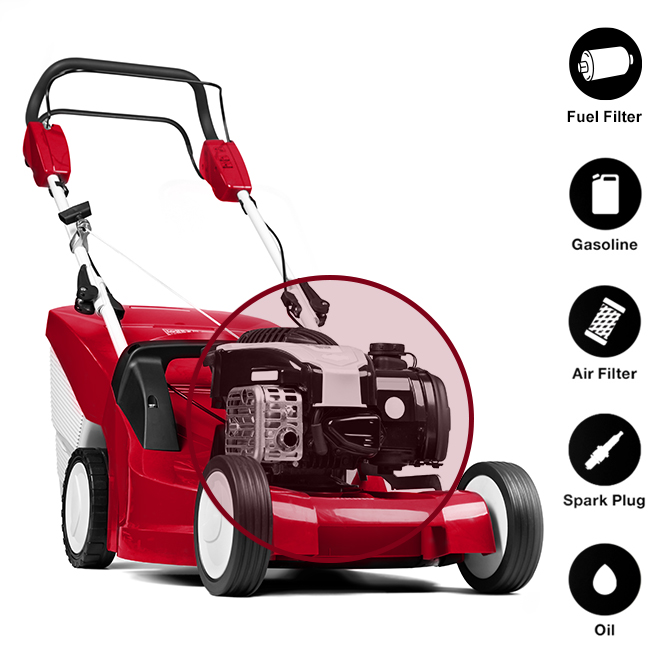
Most push mower problems come from fuel, spark, carburetor, air filter, or blade issues.
I have fixed and tuned many push mowers over the years. This guide on Push Mower Troubleshooting draws on hands-on work, service manuals, and clear steps you can follow. Read on for easy checks, simple fixes, and tips to keep your mower running smoothly.

36% off Today’s Exclusive Deals
Limited-time Exclusive Deals. Check current discount on Amazon.
Check Price on Amazon As an Amazon Associate I earn from qualifying purchases.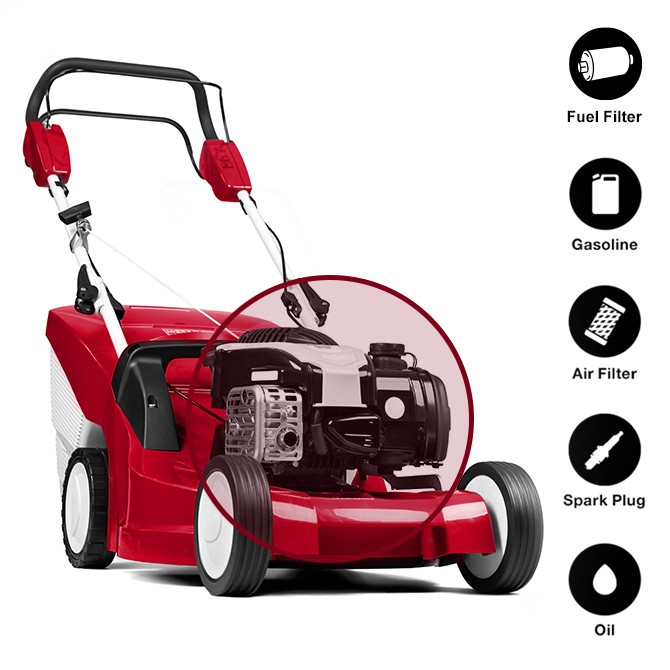
Common Problems and What They Mean
Many owners face the same issues. Push Mower Troubleshooting starts with simple checks. Here are the most common problems and likely causes.
- Mower won’t start
- Old fuel, bad spark plug, or clogged carburetor often cause this.
- Mower runs rough or stalls
- Dirty air filter, bad fuel, or carburetor issues are usual suspects.
- Mower loses power while cutting
- Dull blade, clogged deck, or engine problems can cut power.
- Mower smokes or runs hot
- Wrong oil, oil overfill, or worn engine parts cause smoke or heat.
- Mower vibrates or drags
- Bent blade, loose bolts, or wheel issues create vibration or drag.
Push Mower Troubleshooting is mostly about isolating the likely cause. Start with the simplest parts first. Check fuel and spark before complex repairs.

Step-by-Step Push Mower Troubleshooting Guide
Follow logical steps. Move from quick checks to deeper fixes. Each step is short and safe.
- Safety first
- Disconnect the spark plug wire before any work. Wear gloves and eye protection.
- Check fuel
- Drain old gas. Fill with fresh fuel mixed correctly if needed. Old gas clogs carburetors.
- Inspect spark plug
- Remove and look at the tip. Clean or replace a fouled or damaged plug.
- Clean or replace air filter
- A dirty air filter chokes the engine. Foam filters can be washed; paper filters need replacing.
- Check the carburetor
- Remove deposits and varnish. Use a carb cleaner or rebuild kit if needed.
- Examine the blade and deck
- Sharpen or replace a dull blade. Remove grass buildup under the deck.
- Look for fuel line and primer bulb issues
- Cracked lines or a worn primer bulb can starve the engine of fuel.
- Inspect belts, cables, and wheels
- Replace frayed cables and seized wheels. Tighten loose bolts.
- Test compression and oil
- Low compression or wrong oil level needs a professional if you can’t fix it.
- Listen and test run
- Run the mower briefly after each fix. Note changes and repeat checks if needed.
These steps cover most scenarios. For electrical or complex engine issues, consult a professional.

Maintenance Habits That Prevent Problems
Regular care reduces the need for Push Mower Troubleshooting. Good habits extend mower life and save time.
- Seasonal tune-ups
- Change oil, replace the air filter, and fit a new spark plug each season.
- Use fresh fuel
- Avoid old gas. Add fuel stabilizer if you store fuel for weeks.
- Clean after each use
- Remove grass and debris from the deck and cooling fins to prevent overheating.
- Keep the blade sharp
- Sharpen blades at least twice per season or when cuts look ragged.
- Store properly
* Drain fuel or run the mower dry before storing for winter. Store in a dry place.
I learned this the hard way. Neglect costs more time than a simple tune-up. Regular checks cut most troubleshooting needs.
Parts, Tools, and Supplies You’ll Need
Having basic tools makes Push Mower Troubleshooting fast and safe. Gather these before starting.
- Tools
- Socket set, screwdriver set, needle-nose pliers, spark plug wrench.
- Supplies
- Fresh gasoline, oil, replacement spark plugs, air filters, and blades.
- Cleaning supplies
- Carburetor cleaner, rags, a stiff brush, and a drain pan.
- Replacement parts
- Fuel lines, primer bulbs, cables, and a simple rebuild kit for the carburetor.
- Safety gear
- Gloves, safety glasses, and a small jack or block to secure the mower when working underneath.
If you use OEM parts, follow the manufacturer’s specs. Quality parts reduce repeat Push Mower Troubleshooting.

When to Repair Yourself and When to Seek Professional Help
Simple fixes are usually safe for DIY. Some issues need pros. Know the limits.
- Repair at home
- Spark plug, air filter, blade sharpening, fuel line swaps, and basic carb cleaning are DIY tasks.
- Call a professional
- Engine rebuilds, major compression loss, electrical faults, or issues with governor systems need an expert.
- Safety and warranty
- If your mower is under warranty, check before opening sealed components. Improper repairs can void coverage.
- Cost vs value
- If repairs cost more than half the mower’s replacement value, consider replacement.
I once tried a major engine fix and paid more than a new mower. Learn the costs before you dive in.
Troubleshooting Examples and Real Fixes
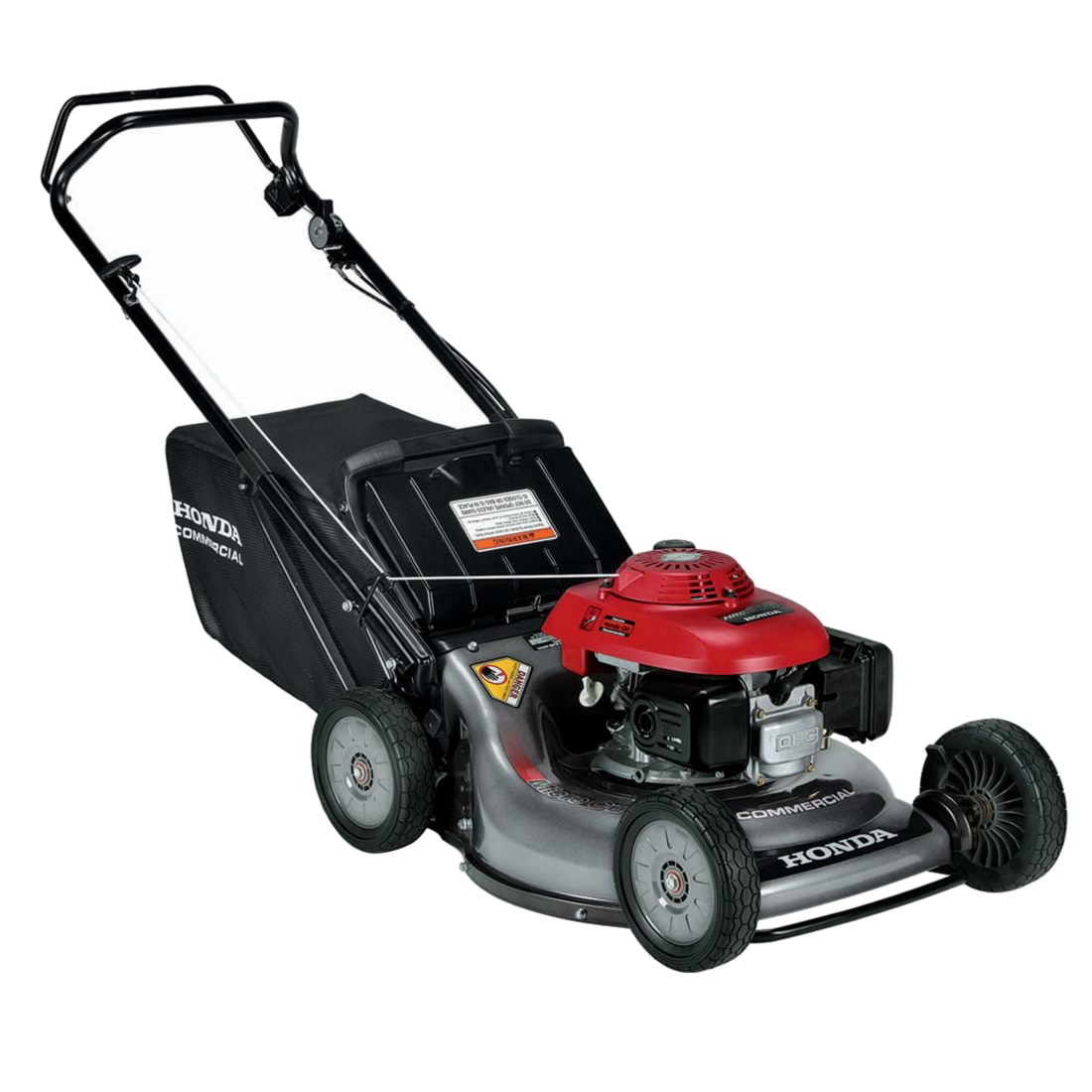
Real examples help. Here are common scenarios and how I fixed them.
- Mower won’t start after winter
- Problem: Old fuel and gummed carburetor.
- Fix: Drain fuel, clean carb bowl, replace fuel filter, and use fresh gas.
- Mower runs but bogs under load
- Problem: Clogged air filter and dull blade.
- Fix: Replace the filter and sharpen the blade. Mower cut well after this.
- Mower stops when warm
- Problem: Heat-related fuel vapor lock or dirty carb jet.
- Fix: Clean the carb jet and run ethanol-free fuel when hot weather runs persist.
- Excessive vibration
- Problem: Bent blade from a hidden rock strike.
- Fix: Remove blade, replace with new balanced blade, and tighten bolts properly.
These short cases show typical Push Mower Troubleshooting in the field. Small fixes often solve big problems.
Personal Lessons, Mistakes to Avoid, and Tips I Trust
I’ve worked on many mowers. These are lessons I learned and still use.
- Always disconnect the spark plug
- One slip can cause a serious cut. Never skip this step.
- Do not use old gas
- Old fuel creates varnish and clogs the carburetor.
- Tighten but don’t overtighten
- Over-torqued blade bolts warp parts. Use torque specs if available.
- Keep records
- Track oil changes and parts replaced to spot patterns in issues.
- Take photos before disassembly
- Photos help when reassembling cables and linkages.
These tips save time and avoid repeat Push Mower Troubleshooting. They also keep you safer.
Quick Diagnosis Checklist
Use this checklist for fast results. It helps you narrow down the cause quickly.
- Does it have fresh fuel?
- Is the spark plug clean and gapped correctly?
- Is the air filter clean?
- Is the blade sharp and free of damage?
- Are fuel lines and primer bulb intact?
- Is the carburetor clean or does it need a rebuild?
- Is oil level correct and is the oil type right?
Work this list in order. Each pass will reveal the most common issues first.
Frequently Asked Questions of Push Mower Troubleshooting
Why won’t my push mower start after sitting all winter?
Old fuel often varnishes the carburetor and clogs jets. Drain the tank, add fresh fuel, and clean the carb bowl and filter.
How often should I replace the spark plug?
Replace the spark plug each season or every 25 hours of use for best results. A worn plug causes weak or no spark and poor running.
Can I clean the carburetor myself?
Yes, small carburetors can be cleaned with cleaner and a rebuild kit. If internal parts or the float are damaged, a shop is safer.
Why does my mower stall when set to the highest speed?
A clogged air filter or incorrect fuel mixture often causes stalling at load. Replace the air filter and use fresh fuel to test.
When should I replace the blade rather than sharpen it?
Replace the blade if it is bent, cracked, or very worn. Sharpening is fine for dull edges, but damage requires replacement.
Is ethanol fuel bad for push mowers?
Ethanol can attract water and lead to gum in small engines over time. Use ethanol-free fuel if possible or add stabilizer for storage.
How do I know if the muffler or exhaust is the problem?
A clogged muffler causes poor engine breathing and loss of power. Remove and inspect it for carbon build-up or blockages.
Conclusion
Push Mower Troubleshooting is mostly method and habit. Start with fuel, spark, and air. Move to blades, carburetor, and parts step by step. Regular care cuts problems and saves money. Try the checks and fixes here, and if something feels beyond your skill, get a pro to help. Share your results, ask questions, or subscribe for more practical mower tips.

