

Most gas grill issues are fixable with simple checks and routine maintenance.
I’ve spent years fixing and tuning grills for friends, neighbors, and weekend cooks. This guide on Gas Grill Troubleshooting blends hands-on experience with clear, step-by-step advice so you can diagnose problems fast, fix the usual faults, and avoid common mistakes. Read on to learn practical checks, safety steps, and tips that save time and keep your cookouts on track.

36% off Today’s Exclusive Deals
Limited-time Exclusive Deals. Check current discount on Amazon.
Check Price on Amazon As an Amazon Associate I earn from qualifying purchases.
Why grills stop working: core causes for Gas Grill Troubleshooting
Gas Grill Troubleshooting starts with knowing why grills fail. Burners clog with grease and food. Igniters wear out or get wet. Regulators and hoses can leak or freeze. Simple wear and tear and lack of cleaning cause most breakdowns.
A clear plan helps. Start with a visual check, test the gas flow, and isolate the ignition system. That order finds the likely cause faster and reduces guesswork. Follow safety steps first to avoid accidents.

Common problems and simple fixes for Gas Grill Troubleshooting
Below are frequent issues and straightforward solutions. Each fix is safe, uses basic tools, and restores performance in most cases.
No spark or igniter won't click
- Clean the igniter tip and dry it if wet.
- Check and tighten the battery or wiring.
- Replace the igniter module if it still fails after cleaning.
Burner lights but flame is weak
- Clean burner ports with a soft brush and a wire or paperclip.
- Check the regulator for a kink or partial blockage.
- Swap the propane tank to rule out low fuel.
Uneven heat or cold spots
- Inspect burners for clogs or rust. Clean or replace as needed.
- Rotate food and preheat the grill longer for even heat.
- Check that heat tents and flame tamers are installed correctly.
Strong gas smell or suspected leak
- Turn off all knobs and the tank. Do not light matches or sparks.
- Use a soap-and-water solution on joints and hoses; bubbles mean a leak.
- Replace damaged hoses and contact a pro if the leak is at the valve or regulator.
Flame is yellow or smoky
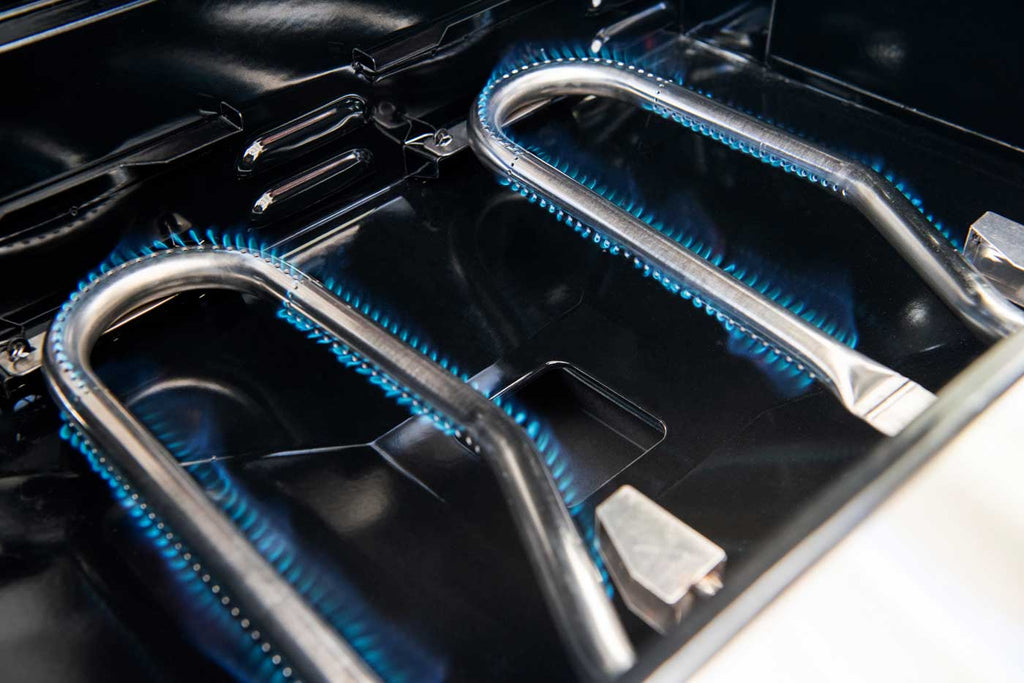
- Yellow flame means incomplete combustion — clean burners and check vents.
- Remove fatty drips or excess grease that produce heavy smoke.
- Ensure the air shutter or vent on the burner is open for good airflow.
Grill lights then goes out when you release knob
- The thermocouple or flame sensor may be faulty or dirty.
- Clean the thermocouple gently and re-seat it. Replace it if the grill won’t hold a flame.
- Check the regulator for a fault causing low pressure.
Clicking noise but no light on newer grills
- Moisture often causes repeated clicking. Dry igniter and ignition wires.
- Make sure electrode gap is correct — about 1/8 inch for many systems.
- If clicking continues after drying, replace the module.
Step-by-step Gas Grill Troubleshooting checklist
Use this ordered checklist to diagnose quickly. Work from safe to complex.
- Turn off gas supply and close tank valve.
- Inspect for visible damage, rust, or loose connections.
- Check tank level or swap tanks to confirm fuel supply.
- Perform a soap-bubble leak test on hoses and fittings.
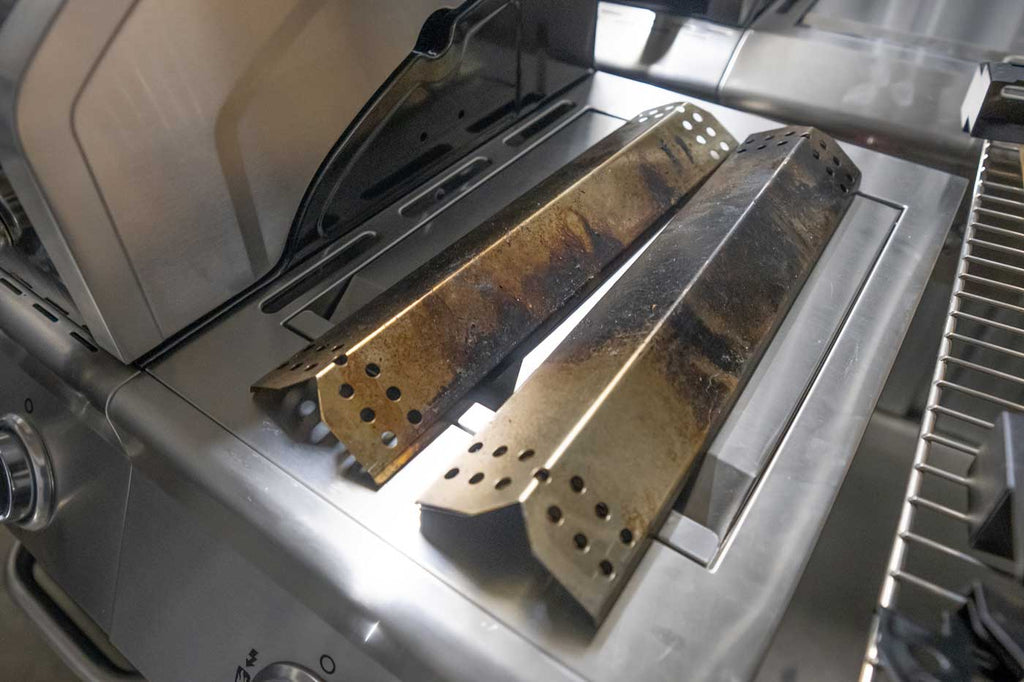
- Clean burner ports, heat tents, and grease tray.
- Test igniter: battery, wires, electrode gap.
- Light burners with a long lighter if igniter fails to test function.
- If one burner fails, swap manifold positions (if possible) to isolate a bad burner.
- Replace suspect parts: igniter, thermocouple, or hose.
- Call a certified technician if you detect valve or regulator failure.
Follow each step in order. Document what you try so you don’t repeat steps. This method keeps troubleshooting efficient and safe.
Tools and parts you need for basic Gas Grill Troubleshooting
Keep a small kit handy. It saves time and avoids last-minute runs to the store.
- Adjustable wrench for fittings.
- Soft wire brush and pipe cleaners for burner ports.
- Soap and water in a spray bottle for leak testing.
- Multimeter for basic voltage checks on igniters.
- Replacement parts: igniter battery, thermocouple, hose kit, burner replacement.
- Long-reach grill lighter for safe manual ignition.
- Heat-resistant gloves and safety glasses.
Store the kit near your grill. A few spare parts can turn an hour-long problem into a ten-minute fix.

Maintenance schedule to prevent Gas Grill Troubleshooting issues
Routine care prevents most problems and extends grill life. A small effort each season pays off.
- After every cook: brush grates, empty ash/grease tray, wipe surfaces.
- Monthly during season: check hoses, clean burners, inspect ignition.
- Every six months: deep clean burners and remove valve covers to clear debris.
- Annually: full inspection of regulator, hose, and tank; replace parts showing wear.
- Before storing for winter: disconnect tank, clean thoroughly, and protect from moisture.
Consistent maintenance reduces emergency fixes and keeps the grill reliable for gatherings.

When to call a professional for Gas Grill Troubleshooting
Some problems need trained hands. Don’t hesitate to call a pro when:
- You smell gas that won’t stop after tightening and testing.
- A regulator or valve appears damaged or is leaking.
- Internal gas lines or manifold repairs are needed.
- You have a natural gas line issue or need reconnection.
- You suspect carbon monoxide or serious fire damage after a flare-up.
Professional service ensures safe repairs and maintains warranty coverage. Safety is the top priority.
Personal experience: lessons learned from real Gas Grill Troubleshooting
I once ignored a faint gas smell in a grill. It turned out to be a cracked hose that worsened over a season. Replacing the hose early would have prevented a near-miss. From many fixes, I learned to always do a leak test after any adjustment.
Another common lesson: cheap parts can cost more later. Using OEM or quality replacements for thermocouples and regulators reduces repeat issues. Treat your grill like a car — a little maintenance prevents big breakdowns.

Related concepts and safety reminders for Gas Grill Troubleshooting
Knowing related topics makes troubleshooting safer and easier.
- Propane vs natural gas: Different connectors and pressure. Use correct parts.
- Regulator function: meters pressure; freezing or damage blocks flow.
- Carbon monoxide risk: never use a propane grill indoors or in an enclosed space.
- Storage: keep tanks upright and in a cool, ventilated area away from direct sun.
- Warranties: check your manufacturer’s guide before DIY repairs to avoid voiding warranty.
Safety checks are part of troubleshooting. When in doubt, stop and call a professional.
Frequently Asked Questions of Gas Grill Troubleshooting
How do I test my gas grill for leaks?
Turn on the tank slightly and spray a soap-and-water solution on connections. Bubbles show a leak; tighten or replace the part and retest.
Why does my grill light then die when I release the knob?
A faulty thermocouple or flame sensor often causes this. Clean or replace the sensor and ensure the burner flame contacts it properly.
Can I clean burners with a wire brush?
Yes, a soft wire brush or a dedicated burner brush clears clogs. Avoid hard scraping that can damage ports or burner coatings.
What causes yellow flames on a gas grill?
Yellow flames mean incomplete combustion from clogged burners or poor airflow. Clean burner ports and check vents for blockages.
Is it safe to swap a propane tank mid-cook?
Yes, if you turn off all burners first and follow safe reconnection steps. Avoid lighting burners until the tank and connections are secure.
When should I replace the regulator?
Replace the regulator if you notice fluctuating flame, hissing leaks, or when the regulator freezes and restricts flow. Regular checks can catch issues early.
How often should I deep clean my grill?
Deep clean at least twice per season, or after heavy use. Regular light cleaning after each cook keeps buildup from becoming a problem.
Conclusion
Gas Grill Troubleshooting is a mix of simple checks, regular care, and safe habits. Most issues come from dirt, worn parts, or minor leaks and are fixable with basic tools and a clear checklist. Start with safety, work methodically, and keep a small repair kit nearby to solve most problems quickly. Try the steps here on your next grill issue, subscribe for more tips, or leave a comment about a stubborn problem you want help with.

