

Faulty sensor or wiring usually causes wrong readings; basic checks fix most gas gauge problems.
I have spent years fixing dashboards and advising drivers on Gas Gauge Troubleshooting. This article explains how gas gauges work, why they fail, step-by-step diagnostic checks, common fixes, and when to call a pro. Read on to learn clear, practical steps you can use today to diagnose and repair gas gauge issues with confidence.

36% off Today’s Exclusive Deals
Limited-time Exclusive Deals. Check current discount on Amazon.
Check Price on Amazon As an Amazon Associate I earn from qualifying purchases.:max_bytes(150000):strip_icc()/GettyImages-85536514-5afb4bc5ae9ab8003618a6fb.jpg)
How gas gauges work (simple overview)
A car gas gauge shows fuel level by reading a sender in the tank. The sender usually has a float attached to a variable resistor. As the float moves, it changes resistance and the gauge needle or digital readout changes. Modern cars may use a sensor that reports to the engine computer, then the display updates.

Common symptoms of a faulty gas gauge
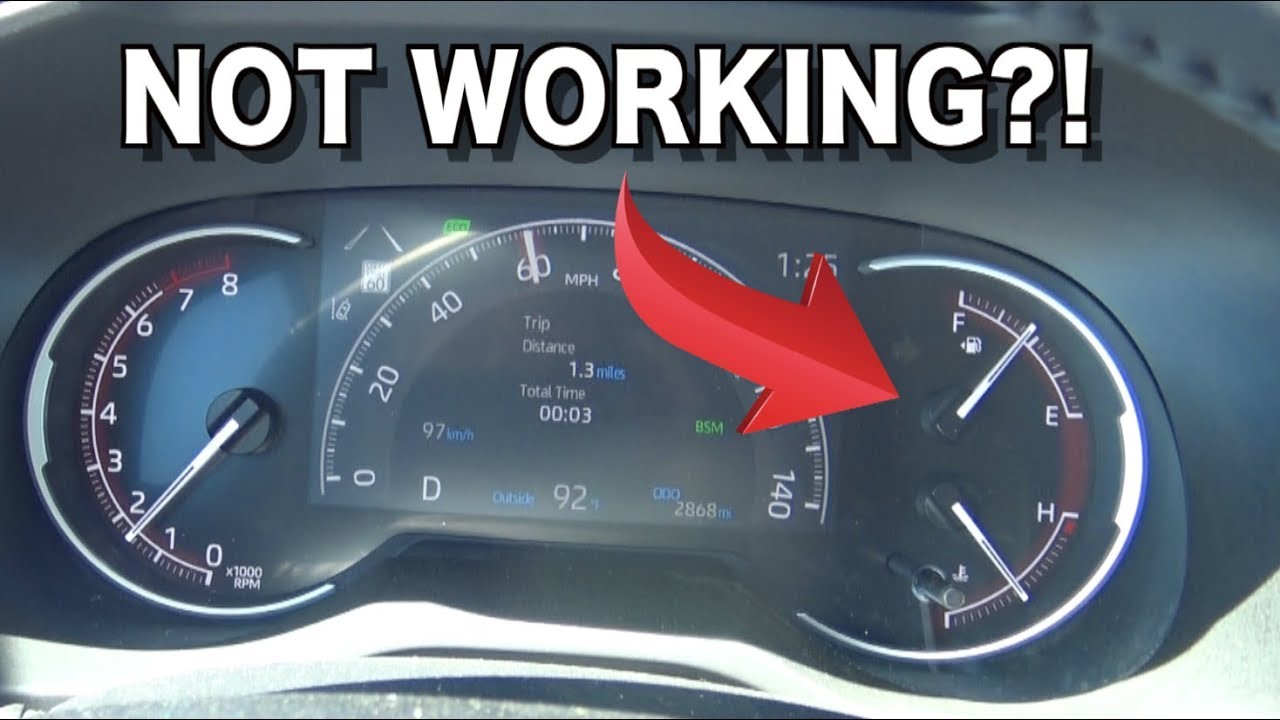
A gauge that jumps or sticks often points to a bad sender or loose wiring. The gauge may read full, empty, or move erratically while fuel level changes slowly. Other signs include a dash warning light, inconsistent trip range estimates, or mismatch with visible fuel consumption.
:max_bytes(150000):strip_icc()/33556245572_298db82b8c_o-5afb4c5c642dca0037383d68.jpg)
Tools and safety checklist for gas gauge troubleshooting
Before starting Gas Gauge Troubleshooting, gather a few simple tools and follow safety rules.
- Multimeter for voltage and resistance tests.
- Basic socket set to access the fuel tank sender panel.
- Jack and stands if you must remove a tank.
- Safety glasses and gloves.
Always work in a well-ventilated area and avoid sparks near fuel. Disconnect the battery when working on electrical connections to prevent shorts.
Step-by-step gas gauge troubleshooting guide
Follow this clear, ordered process for Gas Gauge Troubleshooting. Keep notes as you test.
-
Visual check and recreate the symptom
- Turn the ignition on. Watch the gauge move during startup. Note any odd jumps.
- Wiggle the wiring near the tank and dash to see if the gauge changes.
-
Check fuses and dash cluster lights
- Inspect the fuse box for blown fuses related to the instrument cluster. Replace if needed.
- A dead gauge with working lights may be a cluster issue.
-
Test battery voltage and ground
- Use the multimeter to confirm battery voltage at the gauge connector. Low voltage can make the gauge read wrong.
- Check ground continuity between the sender ground and chassis.
-
Measure sender resistance (bench or in-car)
- Locate the sender harness at the tank or under a rear seat.
- With key off, disconnect the connector and measure resistance from sender terminal to ground as you move the float (if accessible). Readings should change smoothly. Erratic or infinite resistance means a bad sender.
-
Test the gauge wiring harness
- Back-probe the connector with the ignition on to check for signal voltage from the sender.
- Compare to expected values in a service manual or general ranges: many senders vary between about 0 to 90 ohms or 240 to 33 ohms depending on design.
-
Swap parts if possible
- If you have a known good cluster or sender, swap components to isolate the fault. This is common in Gas Gauge Troubleshooting to find whether the gauge or sender is at fault.
-
Scan for fault codes on modern vehicles
- Use an OBD2 scanner. Some systems log faults related to fuel level sensors or CAN communication errors. These codes guide the repair.
From my shop experience, most issues are wiring or the sender float. In one case, a stuck float caused wild readings after a long gravel road trip. Cleaning fixed it quickly.

Common repairs and fixes
Once you identify the problem, here are usual fixes found during Gas Gauge Troubleshooting.
- Clean or replace the sender assembly if the float or arm jams.
- Repair or replace corroded wiring and connectors between tank and dash.
- Replace the instrument cluster if the gauge electronics fail.
- Reprogram or update vehicle software if the ECU misinterprets sender values.
- Replace fuel sender resistors or float if damaged by rust or debris.
A clean fuel sender often restores accurate readings. Replacing the cluster is costlier and usually a last resort.

When to replace parts or seek professional help
Replace the fuel sender when resistance tests are out of range or the float is damaged. Consider a cluster replacement if other instruments behave oddly or self-tests fail. Seek professional help if:
- You must drop the fuel tank and lack equipment.
- There are CAN bus or ECU communication faults.
- The vehicle requires programming after part replacement.
Professional shops have lift equipment, diagnostic scanners, and technical bulletins that speed up Gas Gauge Troubleshooting.

Prevention and maintenance tips
Good habits reduce gas gauge failures and save time.
- Keep fuel above a quarter tank when possible to avoid fuel slosh and sediment exposure.
- Replace fuel filters per schedule to reduce debris reaching the sender.
- Inspect connectors and clean contacts during regular service.
- Use quality parts for replacements to avoid repeat failures.
I once advised a fleet manager to add a simple inspection of the tank connector to routine checks. It prevented multiple gauge complaints.
Related causes and concepts to consider
Some issues mimic gas gauge failure but have different roots. Consider these during Gas Gauge Troubleshooting:
- Fuel pump problems that affect sender access when the tank is dropped.
- CAN bus or multiplexing faults that disrupt instrument cluster messages.
- Low battery or charging system faults that skew gauge behavior.
- Temperature effects on float materials causing slow drift in readings.
Knowing these related concepts helps you avoid misdiagnosis.
:max_bytes(150000):strip_icc()/Automobile_fuel_tank_inside-5afb4c3031283400370591a4.JPG)
Frequently Asked Questions of Gas Gauge Troubleshooting
What causes a gas gauge to jump or move erratically?
Erratic movement usually points to a bad sender float, dirty contacts, or loose wiring. Vibration or fuel slosh can make a weak float stick and cause jumps.
Can a bad battery make the gas gauge wrong?
Yes. Low voltage or poor charging can affect instrument cluster electronics and cause incorrect or dim readings. Always check battery health early.
Is it expensive to fix a faulty gas gauge?
Costs vary. Cleaning or repairing wiring is inexpensive. Replacing a sender or cluster costs more and depends on vehicle make. Labor for tank removal raises the price.
How do I test the fuel level sender?
Measure resistance across the sender terminals while moving the float. The resistance should change smoothly. Erratic or open readings indicate a faulty sender.
Will a scan tool help with Gas Gauge Troubleshooting?
Yes. An OBD2 scanner can show fuel level sensor codes and communication errors. For modern cars, scanning is often the fastest path to the root cause.
Conclusion
Gas Gauge Troubleshooting becomes simple when you follow a clear test plan: check fuses and power, inspect wiring, test the sender, and scan for codes. Start with safe, low-cost checks and move to parts replacement only when tests confirm failure. Take action today by testing your sender and connectors, or schedule a diagnostic if you need help. Share your experience, subscribe for updates, or leave a comment with your specific issue and I’ll help troubleshoot it.

