

Check the tank valve, regulator, hose, and burner orifices for blockages or leaks.
I have fixed dozens of backyard grills and written service guides for years. This Weber Grill Troubleshooting No Gas Flow guide explains why your grill stops getting fuel and shows clear, safe steps to restore steady gas flow. Read on for practical checks, hands-on fixes, and when to call a pro.

36% off Today’s Exclusive Deals
Limited-time Exclusive Deals. Check current discount on Amazon.
Check Price on Amazon As an Amazon Associate I earn from qualifying purchases.
Why Your Weber Grill Has No Gas Flow: Quick Definitions and Symptoms
Weber Grill Troubleshooting No Gas Flow means fuel is not reaching the burners. Symptoms include a hissing tank, no flame when knobs are on, or weak, yellow flames. Knowing the difference between an empty tank, a blocked regulator, or a clogged burner saves time. I will walk you through each likely cause and a clear fix.

Safety First: Before You Start Weber Grill Troubleshooting No Gas Flow
Always work in a well-ventilated outdoor space. Turn off the gas at the tank before any checks. Use safety gloves and eye protection when handling parts. Never test leaks with an open flame. These steps protect you while you test hoses, regulators, and valves.

Tools and Parts You'll Need for Weber Grill Troubleshooting No Gas Flow
- Adjustable wrench for tanks and fittings.
- Soapy water in a spray bottle for leak tests.
- Small brush or pipe cleaner for orifices and venturi tubes.
- Replacement hose and regulator kit if parts fail.
- Multimeter or battery for igniter checks.
- Needle or thin wire for clearing clogged jets.

Step-by-Step Troubleshooting Checklist for Weber Grill Troubleshooting No Gas Flow
- Confirm the tank has fuel. Open the tank valve briefly and listen. A hissing sound means fuel is present.
- Check the tank valve is fully open. Turn counterclockwise until it stops. Partial opening restricts flow.
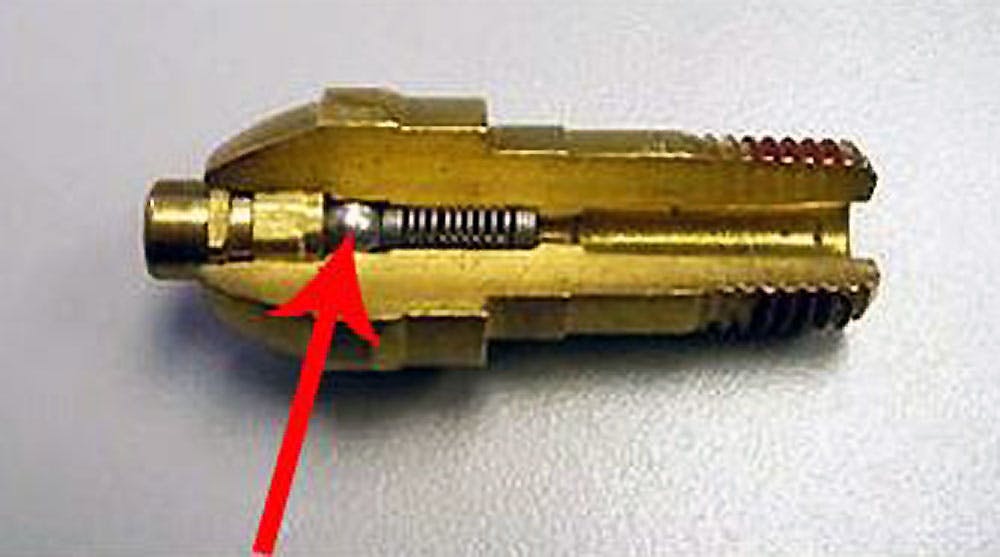
- Inspect the regulator. Look for cracks, damage, or a stuck safety valve. Replace if cracked or old.
- Perform a leak test. Close burner knobs. Open tank valve. Spray soapy water on connections. Bubbles show leaks.
- Test the hose. Look for kinks, cracks, or soft spots. Replace a damaged hose right away.
- Clear the venturi and orifices. Spiders and debris block passages. Use a pipe cleaner or thin wire to clear holes.
- Check burner control valves. Move each knob and listen for gas flow. No sound can mean a valve issue.
- Inspect the burner tubes. Remove and clean rust or soot. Replace if holes or severe corrosion exist.
- Swap the regulator. If flow returns with a new regulator, the old one failed.
- Try a different full tank. Some tanks have internal problems or are empty even if gauge shows fuel.

Common Causes and Fixes for Weber Grill Troubleshooting No Gas Flow
-
Empty or near-empty propane tank.
- Fix: Replace or refill the tank and retest flow.
-
Closed or partially closed tank valve.
- Fix: Open the valve fully. Confirm flow at the control knobs.
-
Faulty regulator or safety device.
- Fix: Replace the regulator. Test with a known-good regulator if possible.
-
Damaged hose or loose fittings.
- Fix: Tighten fittings. Replace hose if cracked or bulging.
-
Blocked orifices, venturi tubes, or burners from insects or debris.
- Fix: Remove debris with a small brush or wire. Always shut gas off first.
-
Frozen regulator in cold weather or thermal lock.
- Fix: Move unit to warmer area or replace the regulator with one rated for cold temps.
-
Internal valve or manifold failure.
- Fix: If internal parts fail, contact an authorized repair center.
When to Repair, When to Replace, and When to Call a Pro
- Repair at home when the fix is cleaning, tightening, or swapping common parts. These are low-cost and simple.
- Replace parts like the hose, regulator, or burners when visible damage exists. Original parts often restore flow reliably.
- Call a professional if you suspect a manifold leak, internal valve failure, or if you cannot locate the problem after basic checks. Qualified techs can pressure-test and diagnose hidden faults safely.
- Expect basic parts to cost $20 to $80 and professional service to range widely depending on diagnostics and labor.

Preventive Maintenance to Avoid Weber Grill Troubleshooting No Gas Flow
- Inspect hoses and fittings before every season. Replace aged parts.
- Run a quick leak test after reconnecting a tank.
- Clean burners and venturi tubes twice a season to stop insect nests.
- Store your tank upright in a cool, dry place.
- Use protective covers to keep debris out when not in use.
- Replace the regulator every 5 to 10 years, or sooner if damaged.
Personal Experience and Practical Tips
I once had a Weber fail at a family cookout. The tank showed fuel, but flames were weak. I found a tiny spider nest in a venturi tube. A 10-minute cleaning fixed everything. From that day, I keep a small brush and a spare regulator in my grill kit. My main lessons: always test a spare tank and take five minutes to inspect before guests arrive.

People Also Ask
Why does my Weber grill have no gas even when the tank is full?
A full tank can still have a blocked regulator, kinked hose, or closed valve. Check the regulator and hose, and perform a leak test.
Can cold weather stop gas flow in my Weber grill?
Yes. Regulators can freeze or go into thermal lock in cold weather. Move the tank to a warmer spot or use winter-rated equipment.
Will cleaning the burners fix no gas flow?
Cleaning burners can restore proper flow if debris or insect nests block orifices. Remove and brush them gently to clear clogs.
Frequently Asked Questions of Weber Grill Troubleshooting No Gas Flow
What is the first thing to check when there is no gas flow?
Check the tank valve to ensure it is fully open, then listen for a hissing sound at the connection. If you hear nothing, inspect the regulator and hose for problems.
How do I test for a gas leak safely?
Close burner knobs, open the tank valve, and spray soapy water on connections; bubbles indicate a leak. Tighten or replace faulty fittings and retest.
Can a bad regulator block all gas flow?
Yes. A failed regulator or its safety valve can stop flow. Swapping the regulator with a known-good one is a quick diagnostic step.
Are insect nests a common cause of no gas flow?
Very common. Spiders and insects build nests in venturi tubes and jets, which block flow. Regular cleaning prevents this issue.
Is it safe to use a grill if flames are weak or yellow?
No. Weak or yellow flames indicate incomplete combustion or low gas flow and can be dangerous. Turn off the grill and diagnose the issue before use.
How often should I replace my propane hose and regulator?
Inspect them annually. Replace if damaged or after 5 to 10 years. Age and wear reduce safety and performance.
Conclusion
Weber Grill Troubleshooting No Gas Flow often comes down to simple causes: an empty tank, a blocked passage, or a faulty regulator. Use the step-by-step checks above to find and fix most issues safely. Take five minutes before each use to inspect hoses, valves, and burners to avoid surprises. Try the steps, keep a spare regulator and hose on hand, and ask for professional help when in doubt. If this guide helped you, leave a comment, share your fix, or subscribe for more grill care tips.

