

Most gas range issues are fixable with basic checks: ignition, gas supply, and cleanliness.
I’ve spent years repairing and troubleshooting kitchen appliances. This guide on Gas Range Troubleshooting pulls together simple checks, clear steps, and safety advice you can use today. Read on to learn how to diagnose flame, ignition, and oven problems, when to fix things yourself, and when to call a pro.

36% off Today’s Exclusive Deals
Limited-time Exclusive Deals. Check current discount on Amazon.
Check Price on Amazon As an Amazon Associate I earn from qualifying purchases.
How Gas Ranges Work: Key Parts to Know for Troubleshooting
A gas range uses gas, air, and an ignition source to make a controllable flame. Main parts are the burner caps, burner heads, gas valve, ignition module, pilot or spark, oven thermostat, and supply lines. Knowing these parts helps you locate where a problem starts.
Common sensors and parts:
- Burner cap and head: shape flame and spread heat.
- Ignition switch or spark module: lights the gas.
- Gas valve or regulator: controls flow and pressure.
- Thermostat and oven sensor: control oven temperature.
Understanding these pieces makes Gas Range Troubleshooting faster and safer. When you can name the part, you can target the fix.
Common Problems and Root Causes
Gas Range Troubleshooting focuses on a few frequent issues. These are easy to spot and often simple to fix.
Frequent problems:
- Burner won’t light.
- Cause: clogged ports, faulty igniter, or no gas.
- Weak or yellow flame.
- Cause: wrong air-gas mix or dirty burner.
- Constant clicking when off.
- Cause: wet igniter or faulty switch.
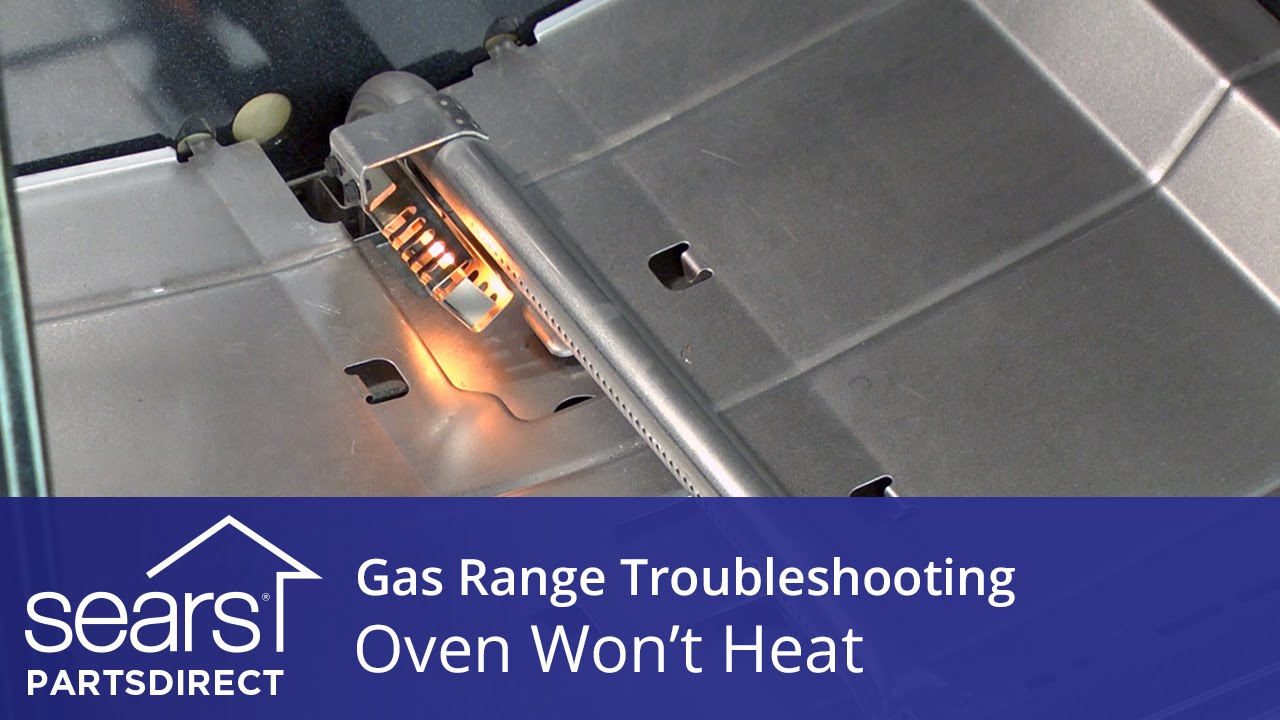
- Oven won’t heat or overheats.
- Cause: bad thermostat, sensor, or igniter.
- Gas smell.
- Cause: leak in supply line, valve, or connection.
Knowing the cause helps you pick the right test and tool during Gas Range Troubleshooting.

Step-by-Step Gas Range Troubleshooting Guide
Follow a clear order. Start with the simplest checks. Work safely and turn off gas if you smell it.
- Visual and safety check
- Smell for gas. If you smell gas strongly, leave and call emergency services.
- Check children or pets are away. Work in a ventilated space.
- Check the gas supply
- Confirm other gas appliances work. If none do, check main valve.
- Verify the cylinder or meter supply is on.
- Inspect burners and ports
- Remove caps and clean ports with a soft brush or toothpick.
- Re-seat caps correctly; misaligned caps cause weak flames.
- Test ignition
- For spark igniters, listen for click and watch for spark. If clicking continues with no flame, try drying the igniter.
- For standing pilots, ensure pilot flame is steady and blue.
- Flame color and shape
- A healthy flame is mostly blue with a small inner cone. Yellow or lazy flames mean bad air mix or clogged ports.
- Adjust air shutter if accessible.
- Oven-specific checks
- For gas ovens, check the igniter glow. If it glows but no light, the gas valve might be weak.
- Test oven temperature with a standalone oven thermometer to confirm thermostat accuracy.
- Control and wiring
- Loose wires or corroded connectors can stop ignition. Turn power and gas off before checking wiring.
- Replace worn switches or knobs as needed.
- Final functional test
- Reassemble, turn the supply back on, and test each burner and the oven.
- Watch for steady blue flames and correct heating.
If a test points to a failing gas valve, regulator, or internal wiring, stop and consider a certified technician. These parts affect safety and require skills and tools.

Tools and Parts for DIY Gas Range Troubleshooting
You don’t need a full toolbox to handle common fixes. Keep these basic items on hand.
Essential tools:
- Soft brush and toothpicks for cleaning ports.
- Multimeter for electrical checks.
- Adjustable wrench and pliers for gas fittings.
- Screwdrivers for panels and burner caps.
- Oven thermometer to check actual temperature.
Spare parts to consider:
- Replacement igniter or electrode.
- Burner cleaning kit or new burner heads.
- Knobs and seals.
- Flexible gas connector (only replace if qualified).
I always keep a multimeter and a spare igniter when I work on ranges. They solve many problems quickly.

Safety First: When to Shut Off and Call a Pro
Safety is the priority in Gas Range Troubleshooting. Gas leaks and electrical faults are dangerous.
When to shut off gas immediately:
- Strong gas odor inside home.
- Hissing sounds near valves or lines.
- Any visible leak at fittings.
When to call a professional:
- Suspected gas line leak or damaged supply line.
- Faulty gas valve, regulator, or internal manifold.
- Repeated ignition failure after cleaning.
- You’re uncomfortable with electrical or gas work.
If you shut off your gas, do not try to relight pilots. Wait for a pro or the gas company to inspect and restore service.
Maintenance Tips to Prevent Future Issues
Simple habits reduce the need for Gas Range Troubleshooting. Clean and inspect regularly.
Routine maintenance:
- Clean burner ports monthly with a soft brush.
- Wipe spills promptly so they don’t clog ports.
- Check and replace cracked hoses or seals yearly.
- Run an annual service check by a qualified technician.
Benefits:
- Better fuel efficiency.
- Safer operation.
- Longer appliance life.
These small steps keep your range working and lower the chance of emergency repairs.

Personal Experience and Lessons Learned
I’ve fixed dozens of ranges in home kitchens and rental units. Small habits prevent big headaches.
Real lessons:
- Never assume a weak flame is only dirt. I once missed a partially closed valve.
- Wet igniters cause long clicking after cleaning. Dry thoroughly and test.
- Misaligned caps look fine but cause uneven flames. Re-seat them carefully.
My best tip: work methodically. Write down what you test. This saves time and helps a technician if you call one.

People Also Ask (PAA) — Quick Answers
How do I fix a gas range that won't light?
- Clean burner ports, check gas supply, and test the igniter. Replace the igniter if it clicks but doesn’t spark.
Why is my gas stove flame yellow?
- Yellow flame often means dirty burners or poor air mix. Clean the burner and adjust the air shutter.
Should I repair a gas valve myself?
- No. Gas valves affect safety. Call a licensed technician for valve replacement.
How often should I service my gas range?
- At least once a year for safety and efficiency. Clean burners monthly and inspect hoses annually.
Can a faulty regulator cause low flame?
- Yes. A bad regulator can reduce gas pressure and cause weak flames.
Frequently Asked Questions of Gas Range Troubleshooting
How do I stop constant clicking on my gas range?
Constant clicking often means a wet or dirty igniter. Turn off power, dry the igniter, and clean the burner area. If it still clicks, the switch or module may need replacement.
Why does my oven not heat evenly?
Uneven heating can come from a bad thermostat or sensor, blocked burner ports, or worn seals. Use an oven thermometer to confirm and call a pro if the thermostat is off.
Is a yellow flame dangerous?
A yellow flame shows incomplete combustion, which can produce soot or carbon monoxide. Clean the burner and adjust air; call a pro if the issue persists.
What should I do if I smell gas?
Leave the house immediately, avoid using phones or switches, and call emergency services or your gas company from a safe distance. Do not attempt repairs.
Can I replace an igniter myself?
Yes, if you have basic skills and the correct part. Turn off power and gas, follow the manufacturer’s steps, and test carefully. If unsure, hire a technician.
Conclusion
Gas Range Troubleshooting is mostly about safe, simple checks and knowing when to call help. Start with basic cleaning, check the supply, test the igniter, and use an oven thermometer to confirm performance. Stay patient and methodical. If a fix involves gas lines, valves, or uncertain wiring, call a licensed pro.
Take action today: try the basic checks, schedule annual service, or contact a professional if you detect a leak or electrical fault. Share your troubleshooting wins or questions below to help others.

