

Most 2002 Ford F150 issues come from aging sensors, fuel delivery, or simple electrical faults.
I’ve worked on dozens of older trucks and helped owners diagnose stubborn faults. This 2002 Ford F150 troubleshooting guide shows clear steps, real-life tips, and easy checks you can do at home or with a modest toolset. Read on to diagnose common problems, fix them safely, and learn when to call a pro.

36% off Today’s Exclusive Deals
Limited-time Exclusive Deals. Check current discount on Amazon.
Check Price on Amazon As an Amazon Associate I earn from qualifying purchases.
Common problems owners face with 2002 Ford F150 Troubleshooting
This section lists the most frequent issues to watch for and why they matter. Each bullet is a quick cue for what to check first.
- Engine no-start or hard start: Often caused by weak fuel pump, bad crank sensor, or worn ignition parts.
- Rough idle and misfires: Spark plugs, ignition coils, or vacuum leaks are usual suspects.
- Check Engine Light (CEL): Codes P0300, P0101, P0171, and cam/crank correlation codes are common.
- Charging and battery problems: A tired battery, bad alternator, or corroded ground can cause random stalls.
- Transmission shifting issues: Hard shifts, slipping, or delayed engagement may stem from fluid condition or valve body wear.
- Overheating: Thermostat failure, leaking radiator, or clogged cooling passages happen with age.
- Brake and ABS warnings: Worn pads, leaking lines, or failing ABS sensors show up on older trucks.
These items cover most of what you’ll see during 2002 Ford F150 troubleshooting. Start here to narrow down the cause quickly.

Diagnostic checklist for 2002 Ford F150 Troubleshooting
Use this checklist every time you start diagnosing. It saves time and stops you from chasing unrelated parts.
- Safety first: Park on level ground, use jack stands, and disconnect the battery when working on electrical parts.
- Read codes: Use an OBD-II scanner to get stored codes before anything else.
- Visual inspection: Check for loose hoses, cracked wires, fluid leaks, and corrosion in the battery area.
- Fuel and spark basics: Confirm fuel pressure and spark at the plugs when facing starting or misfire issues.
- Check grounds: Verify engine-to-chassis and battery ground straps are tight and clean.
- Fluid checks: Look at transmission fluid color and level, coolant level, and oil condition.
Follow these in order. They catch many problems before you replace parts.
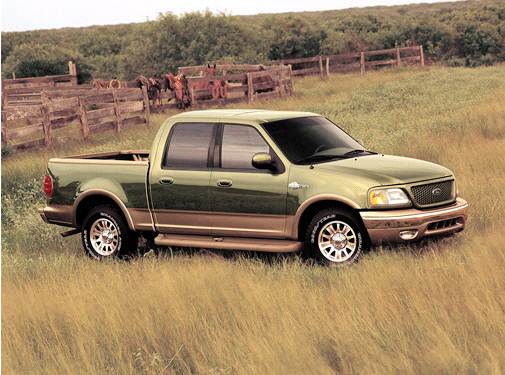
Engine and starting issues: how to diagnose and fix
Common engine issues are the bulk of 2002 Ford F150 troubleshooting cases. Here’s how to approach them simply.
- No-start basics:
- Check battery voltage. A healthy battery reads 12.4V+ at rest.
- Listen for the fuel pump prime when you turn the key. No sound can mean pump or relay trouble.
- Scan for crank or cam position sensor codes. If either sensor fails, the engine may not crank or will crank but not fire.
- Misfires and rough idle:
- Swap ignition coils between cylinders to see if misfire follows the coil.
- Replace old spark plugs on interval; original plugs often cause weak spark.
- Inspect vacuum lines and the intake manifold for leaks.
- Fuel delivery:
- Measure fuel pressure at the rail. A weak pump or clogged filter gives low pressure.
- Check fuel injectors for spray pattern or resistance.
Personal tip: On my first F150, a hard-to-find lean code turned out to be a split vacuum hose behind the intake. A simple hose replacement fixed it and saved hundreds.

Electrical and charging system troubleshooting
Electrical gremlins cause many intermittent issues on a 2002 Ford F150. Follow these steps to isolate faults.
- Battery and charging checks:
- Charge and load-test the battery. Replace if old or weak.
- Test alternator output at idle and revved — aim for about 13.8–14.6V.
- Ground and connector issues:
- Clean battery terminals and engine ground straps. Corrosion or loose grounds cause strange symptoms.
- Inspect the power distribution box for melted fuses or corroded connectors.
- Wiring and sensors:
- Wiggle wiring harnesses while observing live data or CEL behavior; intermittent wires show up this way.
- Replace damaged sensor connectors or use dielectric grease to prevent future corrosion.
Experience note: Small rodent damage to wiring is common in older trucks. A careful wiring inspection solved several mysterious problems I saw.

Transmission and drivetrain troubleshooting
Problems with shifting or driveline noise can differ between manuals and automatics. Here’s what to check.
- Automatic transmission checks:
- Check fluid color and smell. Dark fluid or burnt smell suggests internal wear.
- Scan for transmission codes. Solenoid faults often throw codes that guide repair.
- Verify proper fluid level with the truck warm and running at idle when applicable.
- Drivetrain and manual clutch:
- Listen for driveline clunks during acceleration or gear changes; worn u-joints or worn carrier bearings often cause these noises.
- For manual transmissions, check clutch engagement and pedal free play for worn clutch or misadjustment.
Quick tip: Low transmission fluid often causes hard shifts. Top-up or replace fluid before replacing mechanical parts.

Cooling, overheating, and heating system fixes
Cooling problems can lead to major engine damage. Troubleshoot early.
- Overheat checks:
- Inspect coolant level and condition. Look for oil in coolant or coolant in oil.
- Test thermostat operation and replace if the temperature swings wildly.
- Check radiator and hoses for leaks and clogging. A failing water pump often makes a grinding noise.
- Heater issues:
- A cold cabin with warm engine often points to a blocked heater core or stuck blend door.
- Flush the heater core if flow is poor.
Practical short test: When safe, feel upper and lower radiator hoses; if one is cold while the other is hot with the engine warm, thermostat may be stuck closed.

Brakes, steering, and suspension troubleshooting
Ride and safety systems deserve careful checks on a truck that’s been driven hard.
- Brake checks:
- Inspect pads, rotors, and calipers for wear or sticking. Soft pedal could mean air in lines or a bad master cylinder.
- ABS lights often indicate wheel sensor or tone ring issues; scan ABS module for exact codes.
- Steering and suspension:
- Check ball joints, tie rod ends, and control arm bushings for play.
- Uneven tire wear helps pinpoint alignment and suspension faults.
Safety reminder: Always test brakes after any repair in a safe area before returning to normal driving.
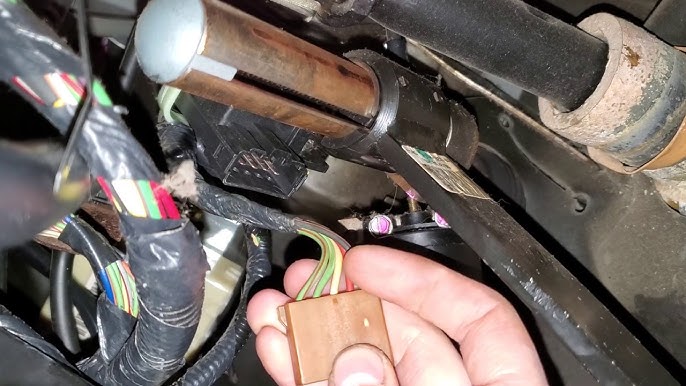
Preventive maintenance and cost estimates for 2002 Ford F150 Troubleshooting
A plan keeps your truck reliable and helps budget repairs. Here’s a simple maintenance list and rough cost ranges.
- Regular tasks:
- Replace spark plugs every 60k–100k miles depending on type.
- Change engine oil and filter every 3k–7k miles depending on use and oil type.
- Replace fuel filter and air filter per schedule.
- Typical repair cost ranges (ballpark):
- Battery replacement: $80–$200
- Alternator: $200–$500
- Fuel pump: $250–$700
- Water pump and thermostat: $150–$450
- Major transmission service: $300–$1,200
Costs vary by location and whether you DIY. Prioritize simple maintenance to avoid bigger bills later.

Tools and resources to help with 2002 Ford F150 Troubleshooting
Having the right tools speeds up diagnosis and reduces mistakes.
- Essential tools:
- Basic socket set and screwdrivers
- Multimeter for voltage and continuity checks
- OBD-II scanner to read and clear codes
- Fuel pressure gauge and compression tester for engine checks
- Jack stands and a sturdy jack for safe under-truck access
- Helpful resources:
- Factory service manual or reliable aftermarket repair guide
- Community forums and owner groups for model-year quirks
- Parts diagrams and recall/service bulletin lookups for known issues
I recommend a modest scanner and a quality multimeter. They paid for themselves after the first repair.
Troubleshooting flow examples — practical step-by-step scenarios
Two short examples that apply the methods above. Follow steps in order.
- No-start but cranks
- Check battery voltage and starter connections.
- Listen for fuel pump prime; test fuel pressure.
- Scan for crank/cam sensor codes and test spark at a plug.
- If spark and fuel are good, check fuel injector pulses and compression.
- Check Engine Light P0300 (random misfire)
- Read stored freeze frame and pending codes.
- Inspect spark plugs and ignition coils; swap coils to isolate.
- Check fuel pressure and vacuum leaks.
- If persistent, perform a compression test to rule out mechanical causes.
These scenarios mirror real cases I’ve handled and help you narrow root causes fast.
Frequently Asked Questions of 2002 Ford F150 Troubleshooting
What should I check first when my 2002 Ford F150 won't start?
Check battery voltage and terminals, listen for the fuel pump, and scan for OBD-II codes. These quick checks often reveal the major causes.
How do I know if the alternator is bad on a 2002 Ford F150?
Measure charging voltage at idle and while revving; if below about 13.5V or above 15V, suspect the alternator. A local auto parts store can also load-test it.
Why does my 2002 Ford F150 run rough only when hot?
Hot misfires often point to failing ignition coils, weak fuel pump under load, or heat-related sensor faults. Test coils and fuel pressure under operating temperature.
Can I fix transmission shifting issues myself on a 2002 Ford F150?
You can check fluid level and condition and replace filter or fluid yourself, but internal transmission repairs usually need a specialist. Use an OBD-II scanner to see if solenoids or pressure issues are present first.
What regular maintenance prevents most problems on a 2002 Ford F150?
Timely oil changes, spark plug replacement, fuel filter changes, and cooling system checks prevent many common failures. Keeping electrical grounds clean also reduces odd intermittent issues.
How do I find specific fault codes for my 2002 Ford F150?
Use any OBD-II scanner to read stored and pending codes. Record codes and freeze-frame data before clearing to aid further troubleshooting.
Conclusion
You can fix many common issues with methodical 2002 Ford F150 troubleshooting and a few basic tools. Start with simple checks: battery, fuel, spark, and codes. Be patient, document findings, and use community knowledge or a service manual when you hit a tough problem. Try the steps here, tackle one system at a time, and feel free to ask for help or share your experience in the comments — your truck will thank you.

