

Chevy Avalanche troubleshooting starts with simple checks: codes, battery, fuses, and visual inspection.
I’ve spent years diagnosing trucks and working on dozens of Chevy Avalanche models. This guide on Chevy Avalanche Troubleshooting will walk you through common faults, step-by-step diagnostics, useful tools, and real-world tips I learned the hard way. Read on to quickly find likely causes and fixes, whether you’re a DIYer or preparing to talk to a mechanic.

36% off Today’s Exclusive Deals
Limited-time Exclusive Deals. Check current discount on Amazon.
Check Price on Amazon As an Amazon Associate I earn from qualifying purchases.
Why Chevy Avalanche Troubleshooting matters
The Chevy Avalanche blends SUV comfort with truck utility. With age, certain systems show wear. Good Chevy Avalanche troubleshooting saves time, money, and frustration.
You avoid unnecessary part swaps by diagnosing the root cause. You also protect resale value by fixing rust, electronics, and structural wear promptly. This article helps you target the right problem fast.

Common problems owners face with Chevy Avalanche
Understanding frequent failure points helps focus your Chevy Avalanche troubleshooting. Here are the most common areas to check.
- Engine lights and rough idle
- Transmission hard shifts or slipping
- Electrical gremlins: dash, BCM, or door locks
- Bed and midgate latches sticking or failing
- Body mount and frame corrosion on older models
- Heater and A/C performance loss
- Coolant leaks from intake manifold or hoses
- Fuel pump or sending unit failures
Each of these symptoms has several causes. Good troubleshooting narrows them down with safe, repeatable steps.
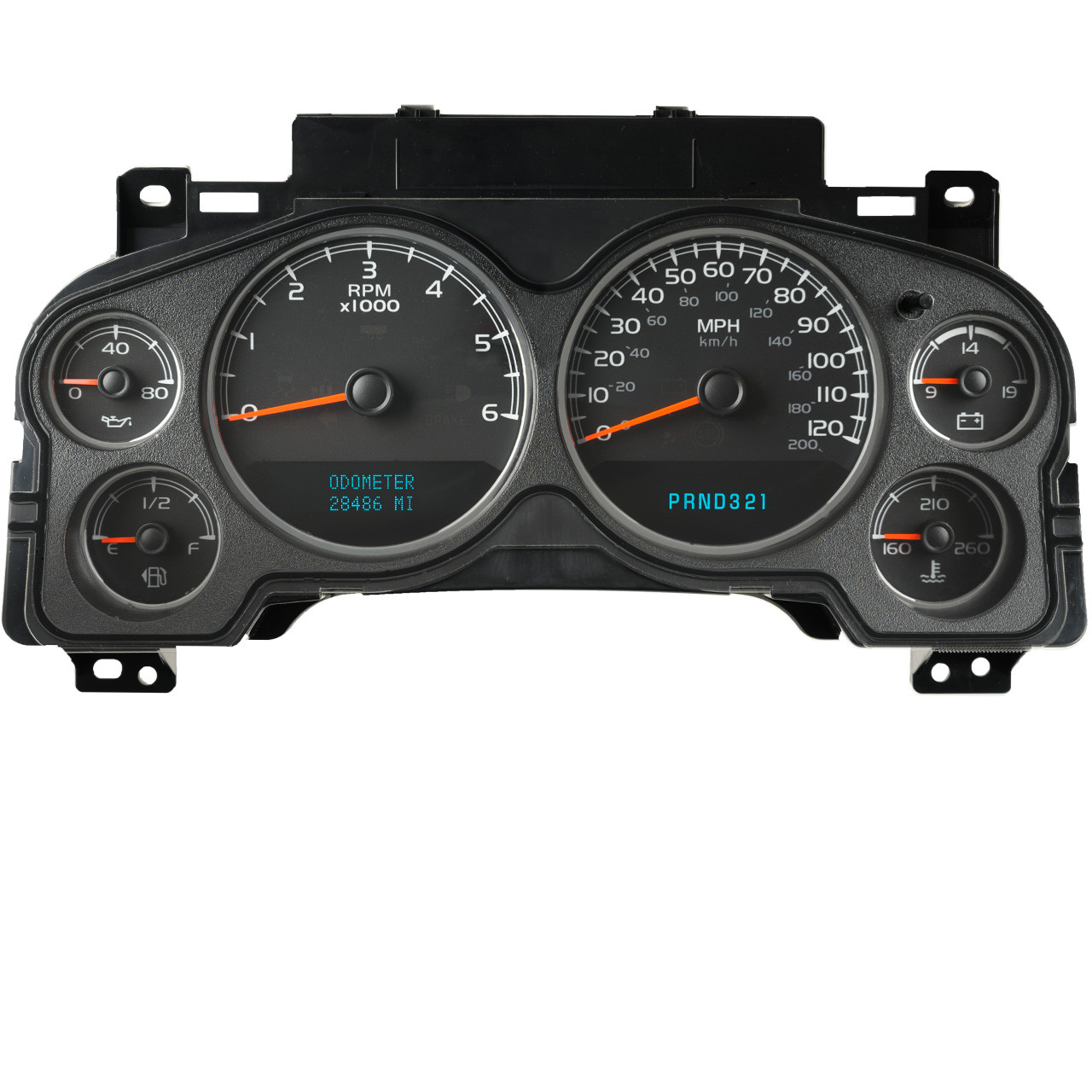
Step-by-step Chevy Avalanche troubleshooting guide
Follow these steps for clear, efficient troubleshooting.
- Safety first
- Park on level ground. Set the e-brake and chock wheels. Disconnect the battery when working on electrical parts.
- Gather basic tools
- OBD-II scanner, multimeter, basic socket set, jack stands, flashlight.
- Reproduce the symptom
- Drive or run the truck until the issue appears. Note sounds, smells, and when it happens.
- Check simple things first
- Battery voltage, fuses, ground straps, fluid levels, and belt condition.
- Read codes
- Use an OBD-II scanner. Record codes and freeze-frame data for clues.
- Visual inspection
- Look for leaks, loose connectors, frayed wires, and corrosion.
- Isolate the system
- Focus on engine, transmission, or electrical depending on symptom.
- Test components
- Use the multimeter, pressure gauges, and scan tool data to confirm suspected parts.
- Repair and retest
- Replace or repair only confirmed failed parts. Then verify the fix on the road.
- Document repairs
- Keep notes and receipts for future troubleshooting or resale.
I often skip fancy tests and start with battery, grounds, and connectors. 60% of electrical issues trace to a poor ground or corroded connector in my experience.

OBD-II codes and scanner tips for Chevy Avalanche Troubleshooting
A scanner is your best friend for Chevy Avalanche troubleshooting. Here’s how to use it.
- Read and record codes before clearing.
- Check pending and freeze-frame data for context.
- Use live data to watch sensors while the engine runs.
- Compare sensor readings to known good ranges for Chevrolet small-block engines and transmission PIDs.
- Common trouble codes to expect include misfire codes, oxygen sensor faults, EVAP leaks, and transmission slip codes.
Practical scanner tips:
- If codes return after clearing, don’t chase the cleared code. Work the active or pending one.
- Use a Bluetooth OBD-II adapter and a smartphone app for live graphs. This helps spot intermittent faults.

Engine, transmission, and fuel system troubleshooting
Focus here when the truck runs poorly, stalls, or shifts badly.
Engine checks
- Inspect spark plugs, wires, and ignition coils for wear.
- Test fuel pressure at the rail to confirm pump and regulator function.
- Look for vacuum leaks at hoses, intake gaskets, and PCV valves.
- Monitor MAF and MAP sensor readings with a scan tool.
Transmission checks
- Check fluid level and color. Dark, burnt-smelling fluid suggests internal wear.
- Scan transmission TCM for codes and shift-burnout stats.
- Test for slip by observing RPM vs vehicle speed during light acceleration.
Fuel system tips
- Low fuel pressure can cause stalling and misfire. Replace pump or filter if out of spec.
- A failing fuel sender may show wrong fuel gauge but still allow the engine to run.
From my shop days, swapping a bad MAF or a worn ignition coil fixed many “rough idle” cases quickly. Always verify the part is faulty before replacing.
Electrical, BCM, and interior electronics troubleshooting
Electrical issues can feel random. Use logic to prevent wasted time.
Start with power and ground
- Check battery voltage and alternator output.
- Inspect main fuses, fusible links, and ground straps near the engine and firewall.
Body Control Module (BCM)
- Intermittent locks, lights, or window problems often trace to BCM connections.
- Re-seat BCM connectors and inspect for water or corrosion.
- Use scan tool data for BCM codes and module communication checks.
Instrument cluster and gauges
- Flickering cluster often points to a weak ground or a failing cluster module.
- Replace bulbs or clusters only after confirming the harness and power feeds are stable.
I once fixed a door lock problem by cleaning a single corroded connector on the BCM harness. It saved the owner a costly module replacement.

Body, bed, midgate, and structural troubleshooting
The Avalanche’s unique cargo bed and midgate require special attention.
Bed and midgate latches
- Lubricate latches and inspect cables or rods for corrosion.
- Sticky latches often respond to cleaning and a silicone spray lubricant.
- Replace broken latches with OEM parts to maintain fit and function.
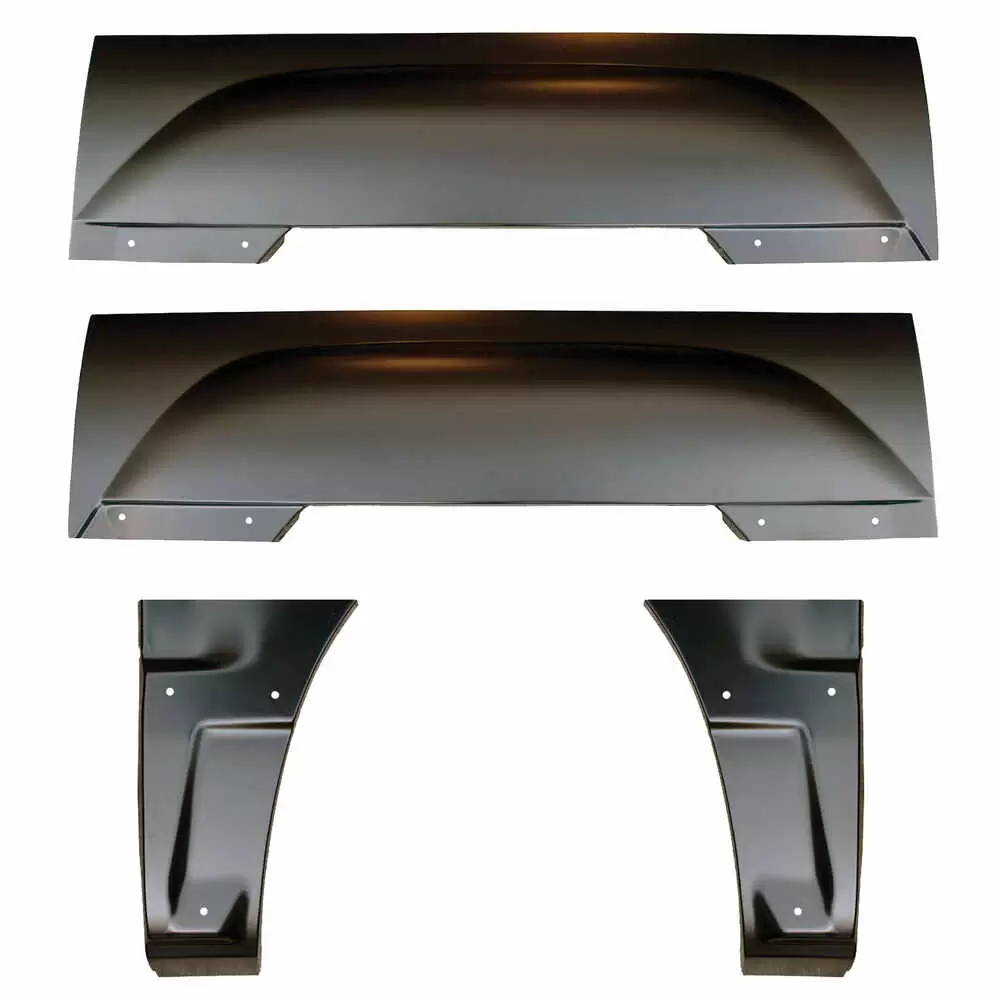
Body mounts and frame
- Check underside for rust where mounts meet frame rails.
- Excessive rust needs pro welding or part replacement; don’t ignore it.
Tonneau and bed covers
- Misaligned covers can stress latches and seals. Adjust hinges and check latch alignment.
In cold climates, salt accelerates rust. A yearly underbody wash and rust inhibitor can extend life considerably.

Maintenance and preventive measures for reliable Chevy Avalanche troubleshooting
Routine care reduces the need for major Chevy Avalanche troubleshooting later.
- Change oil every 5,000 miles or per owner’s manual.
- Replace air and fuel filters on schedule.
- Flush coolant and service the cooling system every 50,000 miles.
- Inspect belts, hoses, and wiring at each oil change.
- Grease latches, window tracks, and suspension points as needed.
- Keep the battery terminals clean and tight.
Small preventive steps often prevent big failures. I advise owners to keep a simple maintenance log. It helps spot trends and supports resale.

Tools, parts, and resources for DIY Chevy Avalanche troubleshooting
Equip yourself with basics before you start.
- OBD-II scanner (live data capable)
- Multimeter and test light
- Basic and metric socket set
- Torque wrench and jack stands
- Fuel pressure gauge and vacuum gauge
- Replacement fuses, relays, and common sensors (MAF, O2, coil packs)
Parts to keep on hand
- Spare fuses and relays
- Spark plugs and ignition coils
- Fuel filter and air filter
Online forums and factory service manuals are great reference tools. Factory specs save time when you need torque values or wiring diagrams.
When to seek professional help and cost expectations
Some problems demand a pro. Here’s what to watch for.
- Structural rust, frame repairs, or welded mounts
- Internal transmission failures or clutch issues
- Complex BCM failures with intermittent data bus errors
- Major engine internal work like head gasket or rebuilds
Cost examples (estimates)
- Battery and terminals: $150 to $300
- Alternator replacement: $400 to $900
- Transmission service: $200 to $500 for fluid and filter; $1,500+ for major repair
- Midgate latch or bed latch repair: $100 to $400
If the job needs specialty tools or safety-critical repairs, hire a trusted shop. Get a second opinion for expensive fixes. Transparency about limits and surprises helps manage cost and trust.
Frequently Asked Questions of Chevy Avalanche Troubleshooting
Why is my Chevy Avalanche check engine light on?
The check engine light can indicate many issues, from a loose gas cap to misfires. Use an OBD-II scanner to read the trouble code and follow standard diagnostic steps.
What causes rough idle in a Chevy Avalanche?
Rough idle often stems from ignition problems, fuel delivery issues, vacuum leaks, or dirty sensors like the MAF. Scan for codes and inspect plugs, coils, and connectors first.
How do I fix bed latch problems on an Avalanche?
Start by cleaning and lubricating the latch and linkages. Replace broken rods or corroded latches if lubrication doesn’t help.
Why does my Avalanche overheat sometimes?
Common causes are low coolant, a failing thermostat, water pump issues, or clogged radiator. Check coolant level, test thermostat operation, and inspect for leaks.
Can I replace the BCM myself?
You can swap a BCM, but it often requires module programming and surety of proper wiring. If the BCM loss affects safety systems, get professional help.
How often should I change the transmission fluid?
Check the owner’s manual, but a good rule is every 30,000 to 60,000 miles for long life. Severe use may require more frequent service.
Conclusion
Chevy Avalanche troubleshooting is a mix of clear steps, common-sense checks, and targeted tests. Focus on codes, power and ground, and visible wear first. Keep a basic tool kit, stay methodical, and don’t skip preventive care to avoid larger repairs.
Take action now: run a quick scan, check battery health, and inspect key connectors today. If you found this useful, try the diagnostics, leave a comment with your results, or subscribe for more truck repair guides.

