

Volvo Troubleshooting Codes identify faults in sensors, modules, and vehicle systems quickly.
I have worked on Volvo cars and trucks for years. I write clear, practical guides from hands-on experience and official procedures. This guide explains Volvo Troubleshooting Codes step by step. Read on to learn what codes tell you, how to read them, and how to fix common faults with confidence.

36% off Today’s Exclusive Deals
Limited-time Exclusive Deals. Check current discount on Amazon.
Check Price on Amazon As an Amazon Associate I earn from qualifying purchases.

Understanding Volvo Troubleshooting Codes
Volvo Troubleshooting Codes are messages from the vehicle. The car’s control modules log these codes when something is out of range. Most modern Volvos use standard OBD-II codes plus Volvo-specific entries. DTCs (Diagnostic Trouble Codes) show where to start. They do not always tell you the final fix. Use the code as a lead, not a diagnosis by itself.
Volvo modules include engine, transmission, ABS, SRS, and body control. Each module can log different codes. Some codes are generic. Others are manufacturer-specific. Learning how Volvo Troubleshooting Codes map to systems saves time and money.

How to Read and Interpret Codes
Start with the right scan tool. Read live data and freeze-frame info. Note the exact code and any related codes. Check the event time and driving conditions. Use these steps to interpret Volvo Troubleshooting Codes:
- Turn the key to the on position or start the car if needed to wake modules.
- Scan all modules, not just the engine control module.
- Record codes, freeze-frame, and pending events.
- Look for history and current faults.
- Search for mode and subsystem info in the code description.
Common code formats appear as P, B, C, or U followed by four digits. P codes are powertrain. B codes are body. C codes are chassis. U codes are network. Some Volvo codes are P1xxx or P2xxx and need manufacturer definitions. Use the code with symptom checks to avoid wasted repairs.

Common Volvo Troubleshooting Codes and What They Mean
Below are frequently found Volvo Troubleshooting Codes, common causes, and quick checks to perform.
-
P0300 — Random/Multiple Misfire
- Common causes: bad spark plugs, coils, fuel issues, vacuum leaks.
- Quick checks: inspect plugs and coils, check fuel pressure, scan live misfire counts.
- When to call a tech: intermittent misfire that returns after parts swap.
-
P0171 / P0174 — System Too Lean (Bank 1/2)
- Common causes: vacuum leak, faulty MAF, low fuel pressure, injector issues.
- Quick checks: listen for hissing, test MAF signal, check fuel pressure.
- Note: Lean codes on a Volvo often trace to intake leaks or MAF faults.
-
P0420 — Catalyst System Efficiency Below Threshold
- Common causes: worn catalytic converter, bad O2 sensors, exhaust leak.
- Quick checks: live O2 sensor data, look for exhaust leaks, check engine history.
- Tip: Replace sensors only after confirming converter efficiency.
-
U0100 — Lost Communication With ECM/PCM
- Common causes: wiring fault, module failure, low battery voltage.
- Quick checks: test battery, scan other modules, inspect ground and LIN/CAN lines.
- Important: Network codes often block other modules from working.
-
B14xx — Body or Climate Module Related (example family)
- Common causes: failed actuators, wiring, or software errors.
- Quick checks: check fuses, measure power and ground, attempt module reset.
- Note: Body codes vary by model year and require module-level tools.
These are examples. Volvo Troubleshooting Codes can point to many subsystems. Always test basics first: battery, connections, and vacuum.
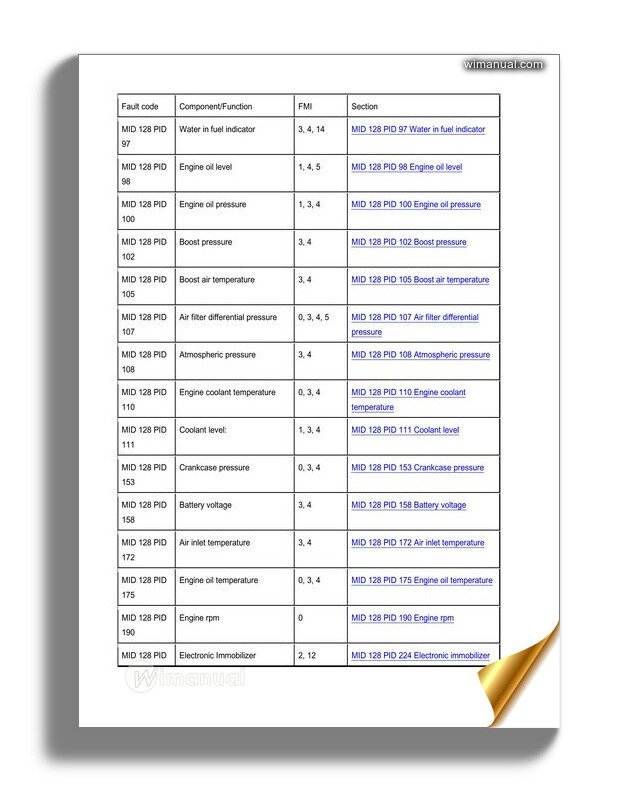
Tools and Scanners for Volvo Troubleshooting Codes
Choosing the right tool affects your success. Use a range of tools from basic to advanced.
-
Basic OBD-II reader
- Good for clearing basic engine codes and live PIDs.
- Cheap and simple to use.
-
Advanced scanner with module access
- Reads SRS, ABS, transmission, and body codes.
- Shows module-specific entries and live data.
-
OEM diagnostic tools
- Provide full system access and guided tests.
- Needed for coding, ECU updates, and advanced tests.
-
Multimeter and fuel pressure gauge
- For manual checks on sensors, actuators, and power supply.
- Vital for verifying wiring and component health.
-
Oscilloscope (for complex cases)
- Useful for signal diagnosis on sensors and communication lines.
- Helps diagnose intermittent faults and waveform issues.
Always keep your scan tool software current. Volvo Troubleshooting Codes change across model years. A modern scanner can save time and prevent guesswork.

Step-by-Step Troubleshooting Workflow
A clear workflow keeps you efficient. Follow this tested routine for Volvo Troubleshooting Codes.
- Recreate the symptom if safe.
- Scan all modules and record all codes.
- Prioritize codes by current vs pending and by system impact.
- Inspect obvious items: battery, fuses, connectors, and vacuum lines.
- Use live data to confirm sensor readings and faults.
- Test suspected parts before replacement when possible.
- Clear codes and perform a test drive to verify the repair.
- Re-scan to ensure no new or returning codes appear.
This flow prevents parts swapping. It keeps repairs focused and cost-effective. Treat codes as clues in a larger detective job.

Safety, Limitations, and When to Seek Professional Help
Volvo Troubleshooting Codes help find faults but have limits. Codes cannot see wiring or intermittent problems well. They may point to a symptom rather than a root cause. Always verify with tests.
Seek professional help when:
- Safety systems are involved, such as SRS or brakes.
- Multiple modules lose communication.
- You lack required tools or the repair affects warranty or resale value.
- The issue is intermittent and resists simple testing.
Be aware that DIY fixes can worsen problems if you miss diagnostics. Use manuals and service guides for torque specs and reprogramming steps.

My Experience with Volvo Troubleshooting Codes
I have diagnosed dozens of Volvos. One memorable case was a P0420 code that returned after catalytic replacement. The real issue was an exhaust leak at a flange. I learned to check the basics first. Another time, a U0100 code was caused by a loose ground under the rear seat. A simple tighten fixed multiple faults. These lessons save time and money. Trust the scan, but always verify with hands-on checks.
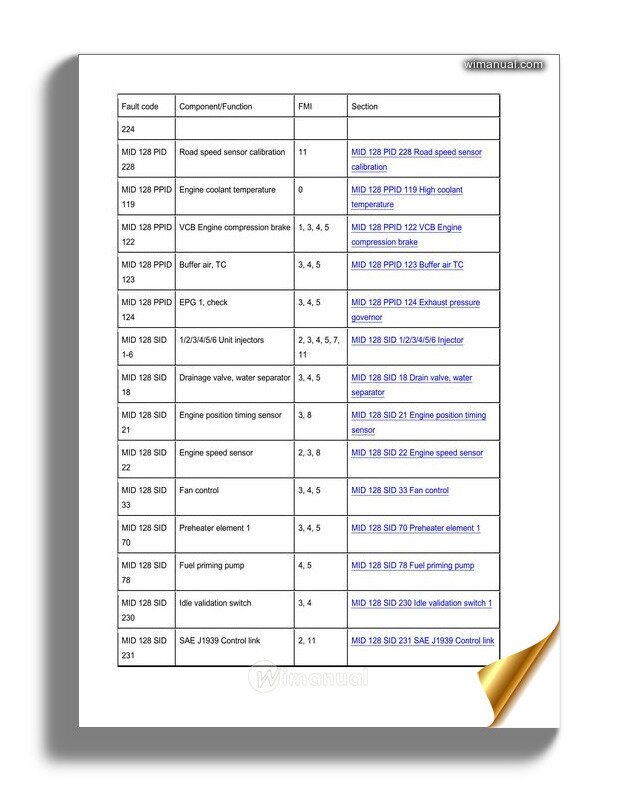
Frequently Asked Questions of Volvo Troubleshooting Codes
What is the first thing I should do when a Volvo code appears?
Scan all modules and write down codes. Check battery voltage and clear simple faults only after recording them.
Can I clear Volvo codes and ignore them?
You can clear codes, but the fault may return. Clearing hides the symptom without fixing the cause.
Are all Volvo codes the same across models?
No. Many codes are standard, but Volvo also uses model-specific entries. Use an up-to-date scanner for accurate meanings.
Will replacing a sensor always fix a Volvo code?
Not always. Sensors can fail, or wiring and connectors may be the real issue. Test the circuit before replacing parts.
Do I need special tools for Volvo module programming?
Yes. OEM-level tools or approved software may be required for coding and ECU updates. Some dealers or shops offer this service.
How long does it take to diagnose a tricky Volvo fault?
It varies. Simple faults take minutes. Intermittent or network issues can take hours. A methodical approach reduces time.
Conclusion
Volvo Troubleshooting Codes are powerful tools. They point you to problems and speed repairs when used properly. Start with a full scan, verify symptoms, and test before you replace parts. Use proper tools and ask for help when systems are complex or safety-related.
Take action: next time a code appears, follow the workflow above. Test first, fix smart, and learn from each repair. If you found this guide useful, leave a comment, subscribe for updates, or share your Volvo repair story.

