

Most pellet stove issues arise from clogged components, poor pellets, or simple power and vent faults.
I have spent years diagnosing and fixing pellet stoves for homeowners and HVAC pros. This guide on Pellet Stove Troubleshooting walks you through how these units work, common faults, step-by-step fixes, and smart maintenance. Read on for clear, practical advice you can use today to fix small problems and avoid big repairs.

36% off Today’s Exclusive Deals
Limited-time Exclusive Deals. Check current discount on Amazon.
Check Price on Amazon As an Amazon Associate I earn from qualifying purchases.
How pellet stoves work
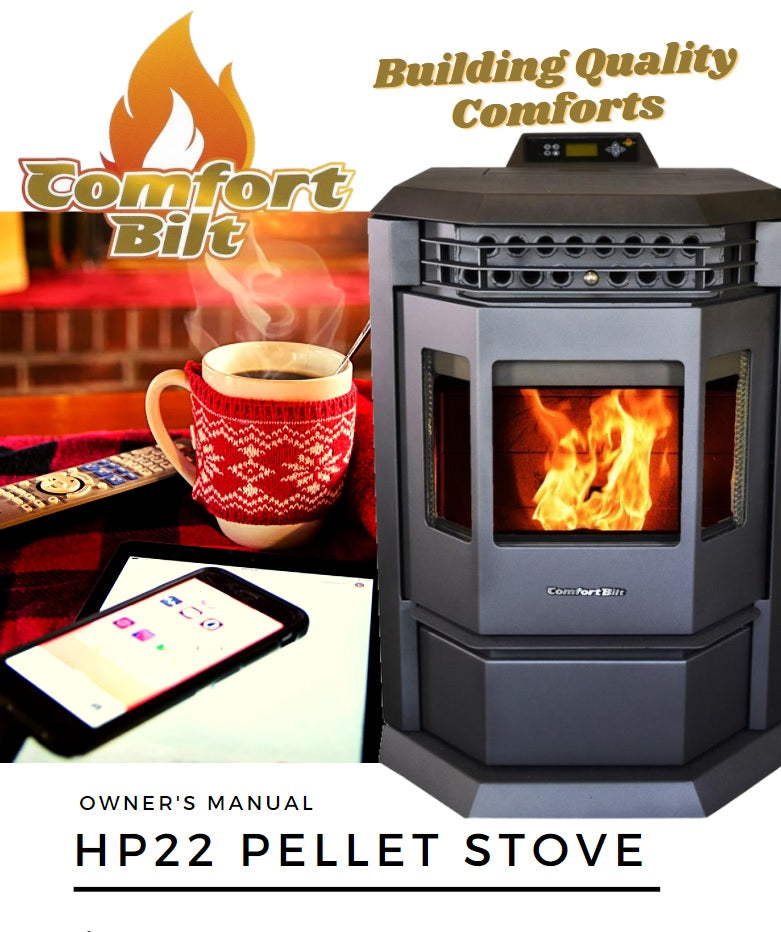
A pellet stove burns small, uniform pellets to make heat. A hopper feeds pellets to an auger. The auger moves pellets into a burn pot. A fan supplies air and a blower moves warm air into the room.
Understanding basics makes Pellet Stove Troubleshooting easier. When you know how parts link, you can spot which part is failing. That saves time and money.
Common problems and causes
Most calls are about these issues:
- Stove will not start. This can be due to no power, a bad fuse, or a blocked igniter.
- Weak flame or low heat. Causes include dirty burn pot, poor pellets, or wrong air settings.
- Auger not moving. This is often a jam, motor failure, or a bad control board.
- Excessive ash or clinkers. Wet pellets or burning wrong fuel causes buildup.
- Strange noises. Fans, motors, and loose parts make noise when failing.
Each issue ties back to a small set of parts. With a clear cause list, Pellet Stove Troubleshooting becomes a stepwise job. I learned this after troubleshooting dozens of stoves on cold mornings.

Step-by-step troubleshooting guide
Follow these steps in order. They are safe and simple.
- Check power and controls
- Ensure the stove is plugged in and the outlet works.
- Check the stove’s on/off switch and any circuit breakers.
- Replace fuses or reset breakers before deeper checks.
- Inspect the hopper and pellets
- Look for damp or broken pellets. Bad pellets cause poor burn and clinkers.
- Empty and clean the hopper if pellets are dusty or molded.
- Try a fresh bag of quality pellets to rule out fuel issues.
- Examine the burn pot and ash areas
- Remove ash from the burn pot and under it.
- Scrape off clinkers and hard deposits carefully.
- Clean sensors and thermostats if accessible.
- Test the auger and motor
- Turn off power and check the auger for jams.
- Manually clear blockages and check for pellet dust cake.
- If motor hums but does not turn, the motor or gear may be bad.
- Check fans and vents
- Clean intake and exhaust pipes of soot and creosote.
- Ensure fans spin freely. Replace worn fan motors.
- Confirm vent paths are not blocked by nests or debris.
- Verify igniter and safety sensors
- Watch the ignition sequence. If the igniter glows but does not light pellets, the igniter may be weak.
- Clean probes and sensors; soot can stop readings.
- Replace sensors that fail factory checks.
- Run a burn test
- After cleaning, run the stove on a low and a high setting.
- Note flame color, pellet feed rate, and noises.
- Adjust air settings slowly to find stable burn.
This workflow is the backbone of Pellet Stove Troubleshooting. I used it the first winter I worked in the field and it solved most issues in one visit.

Maintenance tips to prevent issues
Routine care cuts repair calls. Do these tasks regularly:
- Weekly: Empty ash pan and check the burn pot.
- Monthly: Clean glass, vacuum ash from vents and fan housings.
- Seasonally: Inspect the vent pipe and chimney. Replace worn gaskets.
- Yearly: Schedule a professional tune-up for deep cleaning and safety checks.
Use quality pellets and follow the stove manual. Good fuel and routine care make Pellet Stove Troubleshooting rare. I advise customers to keep a simple maintenance log. It helps spot trends and supports warranty claims.
When to call a professional
Call a pro if you see these signs:
- Persistent electrical faults or repeated fuse trips.
- Cracked heat exchanger or rusted vent components.
- Strong smoke backflow into the room.
- You are unsure about wiring or gas lines (if a hybrid unit).
A trained technician has tools, parts, and safety checks. They can test boards, motors, and combustion efficiency. Professional service reduces fire risk and keeps warranties valid.

Frequently Asked Questions of Pellet Stove Troubleshooting
Why won’t my pellet stove ignite?
Check power, the hopper for pellets, and the igniter for visible damage. Clean the burn pot and try a fresh pellet batch; weak igniters or blocked air can stop ignition.
Why is my pellet stove making loud noises?
Noises often come from failing fans, worn bearings, or a jammed auger. Tighten loose parts, clean fans, and replace motors if noise continues.
How often should I clean my pellet stove?
Empty the ash pan weekly and clean the burn pot monthly. Have a full service once a year for vents, fans, and internal components.
Can bad pellets cause stove problems?
Yes. Low-quality or wet pellets lead to poor combustion, clinkers, and extra ash. Use recommended pellets to improve performance and reduce maintenance.
What if my stove shuts off unexpectedly?
Check for power loss, clogged vents, or overheating sensors. Replace failed safety switches and clean sensors to restore normal operation.
Is it safe to perform troubleshooting myself?
Simple checks like cleaning ash and inspecting pellets are safe. For electrical work, vent repairs, or heat exchanger issues, call a pro to avoid hazards.
Conclusion
Pellet Stove Troubleshooting is a mix of quick checks, smart cleaning, and knowing when to call help. Use the step-by-step guide here to solve common faults and keep your stove running well. Start small with cleaning and fresh pellets. Track maintenance and call a technician for electrical or vent concerns. If this guide helped, subscribe for more tips, share your story in the comments, or ask a specific question below.

