

Fan clutch troubleshooting finds causes of overheating, noisy fans, and poor cooling performance fast.
I have spent years fixing cooling systems and diagnosing fan clutches on many vehicles. This guide on Fan Clutch Troubleshooting shares clear steps, real tests, and practical tips you can trust. Read on to spot faults, test parts, and decide whether to repair or replace with confidence.

36% off Today’s Exclusive Deals
Limited-time Exclusive Deals. Check current discount on Amazon.
Check Price on Amazon As an Amazon Associate I earn from qualifying purchases.
How a fan clutch works
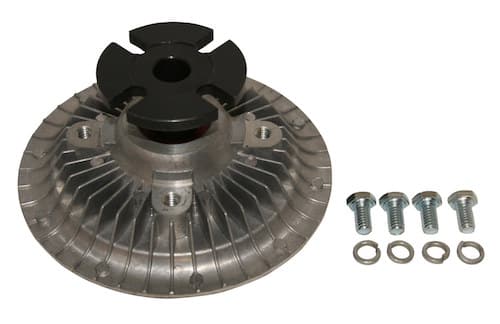
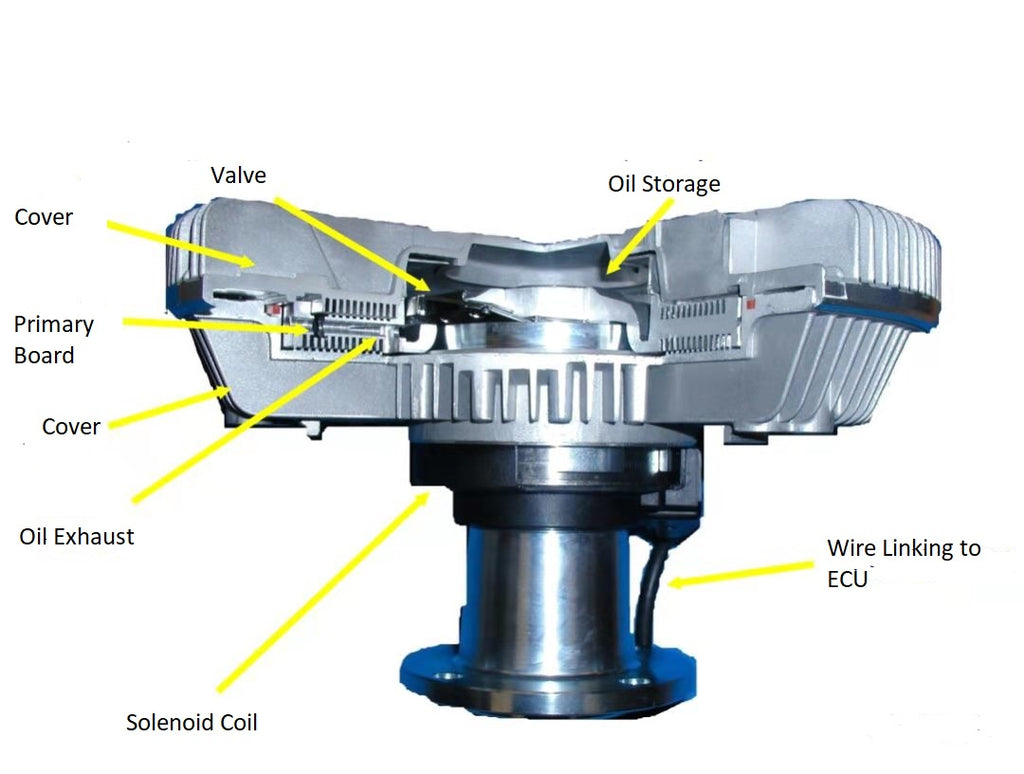
A fan clutch connects the engine fan to the engine. It controls how fast the fan spins. When the engine is cool, the clutch lets the fan freewheel. When the engine heats up, the clutch engages and spins the fan faster. There are two common types. One uses viscous fluid and the other uses an electronic or bi-metal design. Knowing how it works helps with Fan Clutch Troubleshooting.

Common symptoms of a bad fan clutch
Here are the usual signs to watch for when you start Fan Clutch Troubleshooting:
- Engine overheats at idle or in slow traffic. This is the most common sign.
- Loud roaring or whirring noise from the front of the engine.
- Fan spins freely with no resistance when the engine is hot.
- Fan does not spin or spins too slowly when hot.
- Reduced fuel economy and higher RPM at cruising.
- Visible oil or grease on the clutch body indicating a leak.
- Vibration or wobble from the fan assembly at speed.
- Reduced A/C performance at low speeds due to poor airflow.

Step-by-step Fan Clutch Troubleshooting guide
Follow these ordered checks. Do them safely and with the engine off when required.
-
Visual inspection
- Check the fan blades for cracks, chips, or loose bolts.
- Inspect the clutch body for oil seepage or dents.
- Look for bent fan shroud or radiator damage.
-
Free-play and spin test (engine off)
- Try moving the fan back and forth by hand. A small amount of movement is okay.
- If the fan moves freely with almost no resistance, the clutch may be bad.
- If the fan is stiff when cold or hot, note that for the next tests.
-
Cold vs hot test
- With the engine cold, spin the fan by hand. It should have more free play.
- Warm the engine to operating temp and re-check. The fan should feel tighter when hot.
- If there is no change, the clutch likely fails to engage.
-
Stall speed and temperature check
- Let the engine reach normal temp.
- Observe temperature rise while idling. Rapid rise suggests poor fan engagement.
- Use a temperature gun at the radiator inlet and outlet to confirm poor flow.
-
Sound diagnosis
- Loud roaring at idle that eases at speed points to a stuck-on clutch.
- Clicking or grinding often means bearing failure.
-
Tension and belt check
- Check drive belts for proper tension and condition.
- A slipping belt gives poor fan speed even if the clutch is fine.
-
Final test on the road
- Monitor engine temp in traffic and at highway speed.
- If the engine cools at speed but overheats at idle, suspect the fan clutch.
People also ask:
How long should a fan clutch last?
A fan clutch often lasts 60,000 to 100,000 miles but lifespan varies by driving conditions and design.
Can a bad fan clutch cause overheating immediately?
Yes. If the clutch is stuck disengaged or fails to engage, overheating can occur quickly in stop‑and‑go traffic.
Tools and safety for fan clutch troubleshooting
Use the right tools. Keep safety first.
- Basic hand tools
- Ratchet set, wrenches, and screwdrivers for shroud and fan removal.
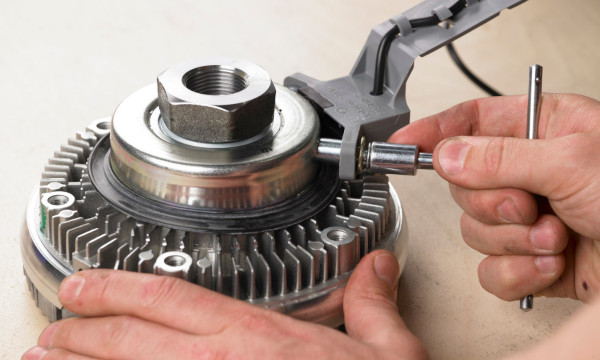
- Fan clutch wrench or special tool for some vehicles.
- Diagnosis tools
- Infrared thermometer to read radiator temps.
- Mechanic’s stethoscope or long screwdriver to pinpoint noise.
- Safety gear
- Gloves, eye protection, and a secure jack and stands if lifting the car.
- Allow the engine to cool before touching the radiator or fan.
- Procedural safety
- Disconnect the battery when working near the fan or alternator.
- Never test by placing hands near a running fan.
Repair vs replace: making the decision
Use these points to decide whether to repair or replace during Fan Clutch Troubleshooting.
- Age and mileage
- High-mileage clutches are usually best replaced.
- Severity of failure
- Oil leaks or bearing failure mean replace, not repair.
- Cost and availability
- New units are affordable for many cars; labor may cost more.
- Warranty and reliability
- New clutches come with a warranty; rebuilt units may vary.
- Temporary fixes
- Tightening belts or replacing a shroud is temporary if the clutch is failing.
I once replaced a clutch on a 12-year-old truck that had minor noise. I learned not to delay. The bearing failed days later and caused more damage. Replace early if tests are abnormal.

Maintenance tips to extend fan clutch life
Simple care can stretch the life of your clutch.
- Keep the cooling system clean
- Flush and replace coolant per schedule to avoid overheating.
- Inspect belts and pulleys
- Replace worn belts to avoid slipping under load.
- Avoid long idle periods
- Excessive idling keeps the clutch engaged and shortens life.
- Repair leaks promptly
- Oil or coolant leaks can contaminate the clutch.
- Check fan and shroud alignment
- Misalignment adds stress to bearings.
- Regular checks
- Include the fan clutch during routine inspections.
I check the clutch every oil change on older trucks. Small issues often show early. Catching them saves time and money.
Frequently Asked Questions of Fan Clutch Troubleshooting
What is the easiest test for a bad fan clutch?
The cold vs hot hand spin test is the easiest. The fan should be easy to turn cold and harder when hot.
Can a bad fan clutch damage the engine?
Yes. Prolonged overheating from a bad fan clutch can warp the head or damage the gasket in hours.
Is a noisy fan always the clutch?
Not always. Noise can come from bent blades, loose shroud, or bad bearings too. Check all parts during troubleshooting.
How much does replacing a fan clutch cost?
Costs vary by vehicle. Expect parts plus labor; many cars are moderate, while some trucks cost more.
Can I drive with a bad fan clutch?
Short distances may be fine, but avoid traffic and hot conditions. Driving with a bad clutch risks severe overheating.
Conclusion
Fan Clutch Troubleshooting helps you spot problems fast and make the right repair choice. Use simple tests, watch symptoms, and weigh repair versus replace based on cost and risk. Start with a visual check, then do the cold/hot and spin tests. If unsure, consult a trusted mechanic and keep records of what you tried. Take action early to prevent bigger damage, and leave a comment or subscribe to learn more tips and guides.

