

Most Kidde alarm issues come from batteries, wiring faults, or dirty sensors that need simple fixes.
I have spent years installing and fixing home safety gear, and I write this guide to make Kidde Fire Alarm Troubleshooting clear and safe. This article explains how Kidde alarms work, common faults, step-by-step fixes, maintenance tips, and when to call a pro. Read on for practical steps, real-world examples, and easy checks you can do now to keep your home protected.

36% off Today’s Exclusive Deals
Limited-time Exclusive Deals. Check current discount on Amazon.
Check Price on Amazon As an Amazon Associate I earn from qualifying purchases.
How Kidde Fire Alarms Work
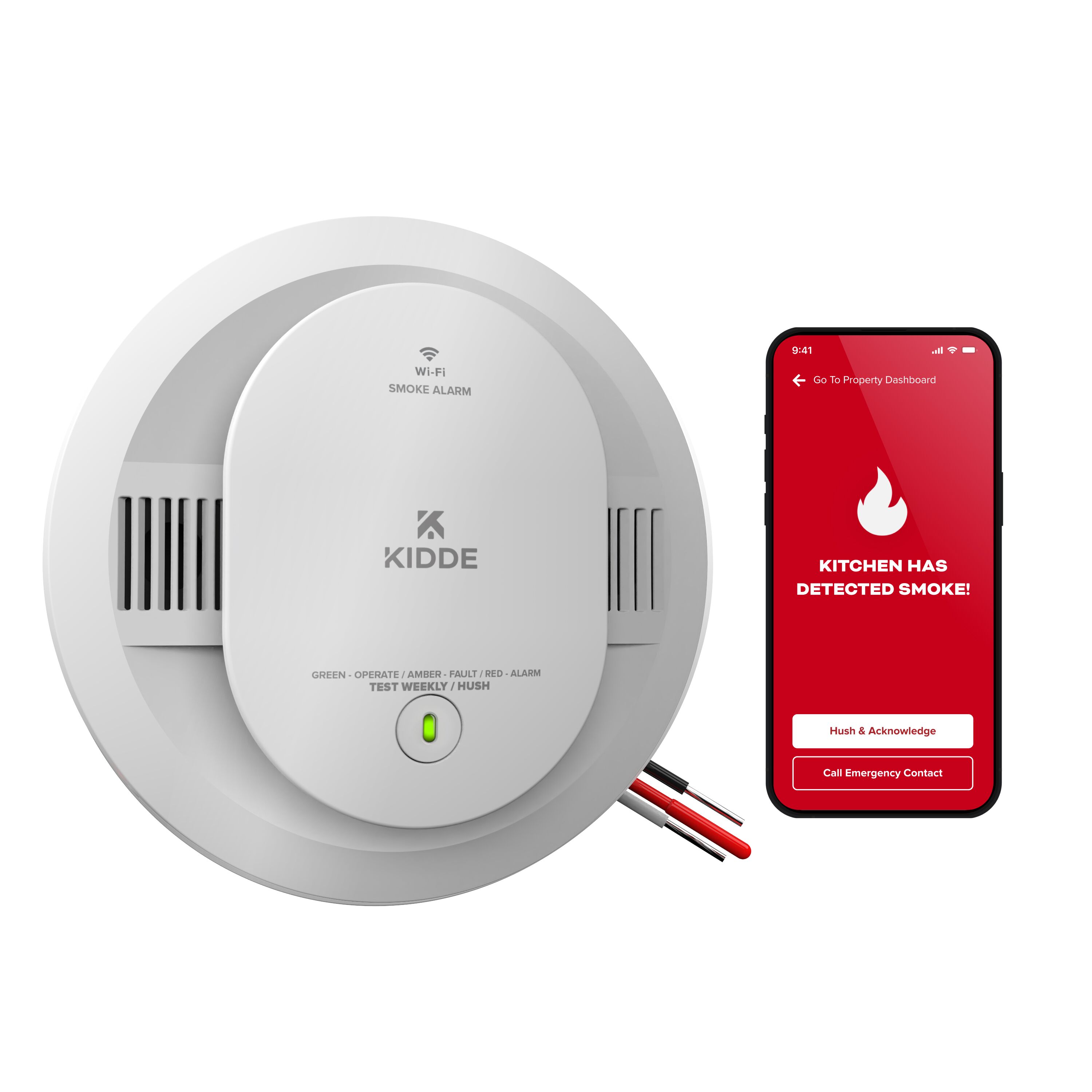
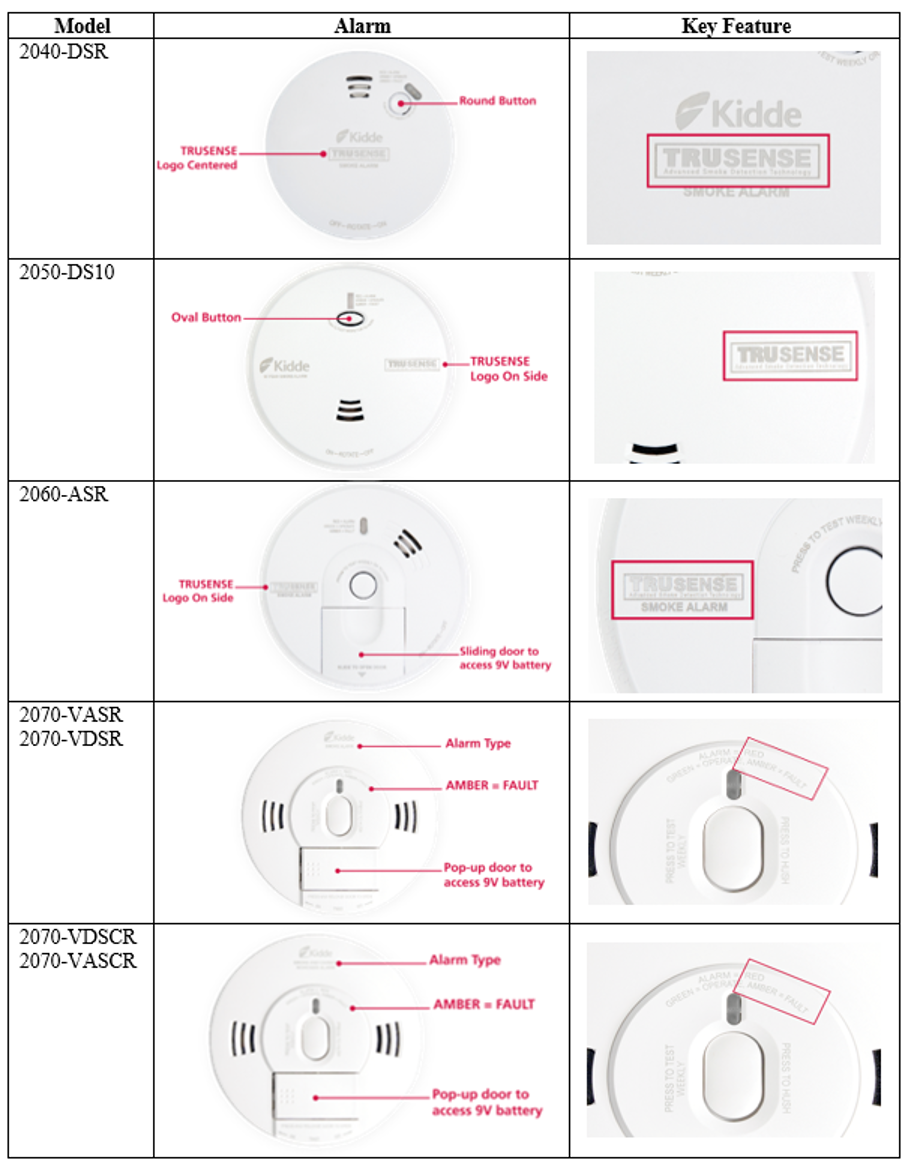
Kidde Fire Alarm Troubleshooting starts with knowing how the device works. Kidde makes battery-only, hardwired, and combination alarms with ionization, photoelectric, or dual-sensor technology. Each type reacts to different fire particles. Ionization detects fast flames and tiny particles. Photoelectric reacts to smoldering smoke and larger particles.
Hardwired Kidde alarms use house power plus a battery backup. Wireless Kidde units share alerts across a home network. Most models show LED signals, chirps, or voice alerts when there is a problem. Knowing the model and power type makes Kidde Fire Alarm Troubleshooting faster and safer.
Common indicators to watch for:
- Single chirp every 30-60 seconds often means low battery.
- Repeating chirps may mean wiring fault or end-of-life.
- Continuous alarm means smoke detected or a real fire.
- Silence on test can mean dead battery or disconnected power.
Common Problems and Causes
Kidde Fire Alarm Troubleshooting often reveals a few repeat issues. Below are common problems and likely causes:
- Chirping or beeping intermittently
- Low battery or poor battery contact.
- Age of unit or sensor fault.
- False alarms
- Cooking smoke, steam, or strong dust near the sensor.
- Insects or debris inside the alarm.
- No alarm sound on test
- Dead battery, disconnected power, or failed speaker.
- End-of-life warnings
- Most Kidde units last 7–10 years and will signal replacement.
- Wiring or interconnect failures
- Loose or damaged wiring in hardwired systems.
- Improperly paired wireless units.
When doing Kidde Fire Alarm Troubleshooting, inspect the unit visually. Check the manufacture date on the back. If the alarm is older than the recommended life span, plan replacement even if it seems to work.
Step-by-Step Kidde Fire Alarm Troubleshooting
Follow these steps when an alarm acts up. Work calmly and follow safety rules. If you suspect smoke or fire, leave and call emergency services first.
- Confirm there is no fire
- If you smell smoke or see flames, evacuate and call 911.
- Note the sound pattern
- Count chirps and record LED behavior.
- Replace the battery
- Use fresh alkaline or the recommended battery type.
- For sealed long-life units, follow manufacturer guidance.
- Test the alarm after battery change
- Press the test button for a full alarm cycle.
- Clean the alarm
- Use a vacuum brush on the vents. Blow out dust gently.
- Check wiring for hardwired units
- Turn off power at the breaker before inspecting.
- Verify the interconnect wire and 120V supply are secure.
- Reset and re-pair wireless units
- Follow the manual to re-pair interconnect signals.
- Note the manufacture date
- Replace units older than 10 years or at the end-of-life signal.
- Replace if problems persist
- If cleaning and battery swaps fail, swap the unit.
Practical tips from my field experience:
- Always test after any change. A single successful test confirms function.
- Keep spare batteries for immediate replacement. I once fixed a midnight chirp with a fresh battery in five minutes.
- Avoid using rechargeable batteries unless the alarm allows them. They can trigger low-voltage chirps.
People also ask:
- Why is my Kidde alarm chirping every 30 seconds?
- Usually a low battery or poor contact. Replace the battery and test.
- Can dust cause false alarms on Kidde units?
- Yes. Dust and insects can trigger the sensor. Clean the unit carefully.
- How often should I replace a Kidde alarm?
- Most units need replacement every 7–10 years. Check the date on the back.

Maintenance, Best Practices, and Prevention
Regular maintenance reduces the need for urgent Kidde Fire Alarm Troubleshooting. Follow these simple habits.
Monthly tasks:
- Test each alarm using the test button.
- Listen for unusual chirps and note LED signals.
Quarterly or semi-annual tasks:
- Vacuum the alarm vents gently.
- Wipe exterior to remove dust and grease.
Annual tasks:
- Replace backup batteries yearly unless the unit uses sealed long-life batteries.
- Check the manufacture date and plan replacements for older units.
Placement and environment tips:
- Keep alarms 10 feet from stoves to reduce cooking false alarms.
- Place alarms in hallways outside sleeping areas and on every level.
- Avoid installing in very dusty or humid rooms without proper models.
From my work: I found that a hanging vent and a dusty attic caused repeated false alerts in one home. Moving the unit and cleaning vents solved the issue. Small changes like this prevent much Kidde Fire Alarm Troubleshooting later.
When to Call a Professional or Replace the Unit
Some problems need an electrician or fire-safety pro. Call for help if:
- Multiple hardwired units fail at once.
- You find burnt wiring, scorch marks, or a burning smell.
- Interconnect systems won’t sync after resets.
- You are unsure about code compliance for hardwired systems.
Replace the unit if:
- It shows end-of-life or is more than 10 years old.
- Repeated faults come back after battery, cleaning, and resets.
- The unit fails tests or has physical damage.
Safety note: Always cut power at the breaker before working on hardwired Kidde alarms. If you lack wiring experience, calling a licensed electrician is the safest choice.
Frequently Asked Questions of Kidde Fire Alarm Troubleshooting
What does a single chirp every 30-60 seconds mean?
A single chirp usually indicates a low battery or poor battery contact. Replace the battery and test the alarm.
How do I stop false alarms from Kidde units?
Clean the sensor, move the alarm away from kitchens or bathrooms, and use photoelectric units near cooking areas. Proper placement reduces false alarms.
Can I use rechargeable batteries in Kidde alarms?
Only use battery types recommended by the manufacturer. Rechargeables may cause low-voltage chirps and shorter backup times.
How long do Kidde alarms last?
Most Kidde alarms last 7–10 years. Check the manufacture date on the back and replace at end-of-life.
Is it safe to reset a hardwired Kidde alarm myself?
You can reset many alarms, but always turn off the breaker first before inspecting wiring. If wiring looks damaged, call an electrician.
Why does my Kidde alarm not sound during a test?
It can be caused by a dead battery, disconnected power, or a failed unit. Replace the battery, restore power, and test again; replace if it still fails.
Conclusion
Kidde Fire Alarm Troubleshooting is a mix of simple checks and smart decisions. Test monthly, replace batteries, clean vents, and replace old units. If hardwired wiring or repeated faults worry you, get a licensed pro. Take action now: test every alarm today, swap old batteries, and mark the manufacture dates. Share your experiences in the comments or subscribe for more home-safety tips.

