

Most Sloan automatic faucet issues come from sensor, power, or clogged valves—simple checks fix most problems.
I have worked on many commercial washrooms and residential installs. I know Sloan Automatic Faucet Troubleshooting inside and out. This guide walks you through clear checks, step-by-step fixes, and smart maintenance tips so you can solve common problems fast and avoid service calls.

How Sloan automatic faucets work
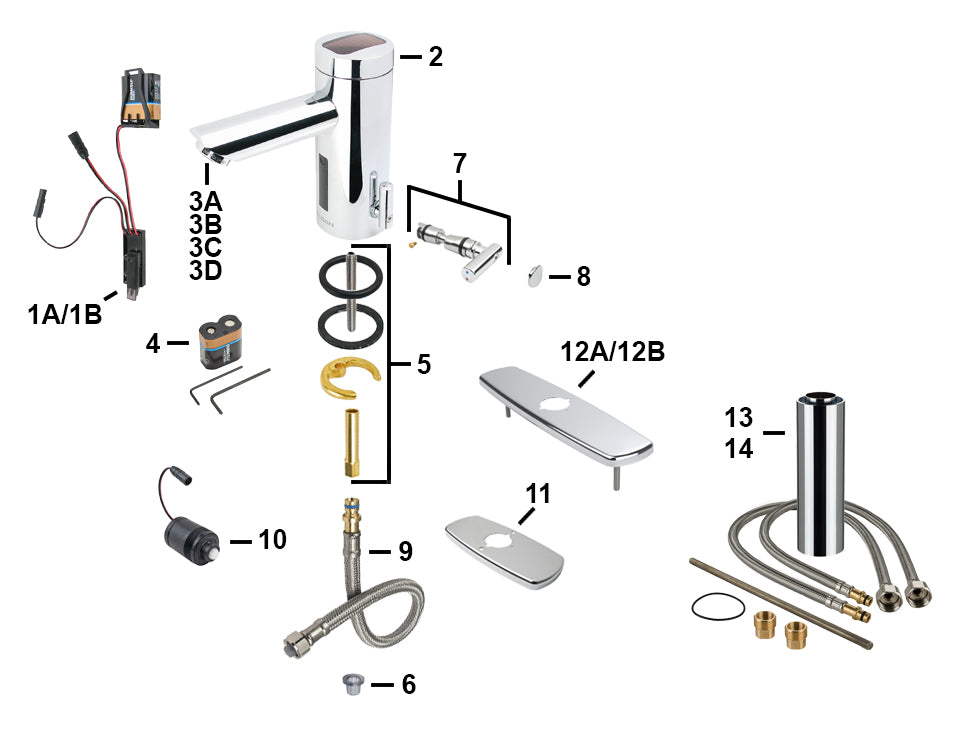
Sloan automatic faucet troubleshooting starts with knowing how these faucets work. These faucets use an infrared or capacitive sensor to detect hands. The sensor signals a control module. The control opens a solenoid valve or a motor valve. Water flows for a set time and then stops. Power comes from batteries or a hardwired transformer.
Common parts to know
- Sensor eye
- Control box or PCB
- Solenoid valve or motor valve
- Aerator and supply lines
- Check valve and flow restrictor
Knowing parts makes Sloan Automatic Faucet Troubleshooting faster. When you can name parts, you can isolate faults and fix them fast.
Common problems and causes
Sloan Automatic Faucet Troubleshooting covers many repeat issues. Below are the top problems and likely causes.
No water at all
- Dead batteries or lost power
- Tripped shutoff or closed supply
- Failed solenoid or motor valve
Faucet runs continuously
- Stuck solenoid or valve
- Dirty strainer or debris
- Faulty control board or sensor stuck on
Intermittent or weak flow
- Low supply pressure
- Clogged aerator or strainer
- Weak batteries or loose connections
Sensor not detecting hands
- Misaligned sensor or glare
- Dirty sensor lens
- Too much background infrared (sunlight, bulbs)
Leaks or drips
- Worn seals or O-rings
- Loose fittings
- Failed cartridge or valve body
These causes guide Sloan Automatic Faucet Troubleshooting steps. Start with power and supply. Then check valves and the sensor lens.

Step-by-step Sloan Automatic Faucet Troubleshooting guide
Follow this ordered checklist. Work from simple to complex to save time.
- Safety first
- Turn off water supply if you open valves.
- If hardwired, switch off the breaker.
- Wear gloves and eye protection.
- Check power and batteries
- Replace alkaline batteries with fresh ones.
- If hardwired, verify the transformer output.
- Confirm wiring is tight at the control box.
- Verify water supply
- Ensure shutoff valves are fully open.
- Check visible supply lines for kinks or damage.
- Turn on other fixtures to confirm building pressure.
- Inspect the sensor and lens
- Wipe the sensor lens with a soft cloth.
- Remove protective film if present.
- Block the sensor briefly to see if it responds.
- Test the solenoid or valve
- Listen for a click when the sensor triggers.
- If no sound, check voltage at the valve when activated.
- Replace the solenoid or motor valve if it shows no response.
- Clean aerator and strainers
- Unscrew aerator and check for debris.
- Remove inline strainers and flush them.
- Reassemble and test flow.
- Check for leaks and replace seals
- Inspect O-rings and rubber seals.
- Tighten fittings by hand and with a wrench if needed.
- Replace worn seals and test again.
- Reset or replace control module
- Many models have a reset button or sequence.
- If resets fail, consider swapping control modules.
- Keep original wiring photos to reinstall correctly.
- When tests fail
- Swap in a known-good battery pack or solenoid if available.
- Call certified service if problems persist.
I learned to test power first. It avoids hours of needless part swaps. Sloan Automatic Faucet Troubleshooting gets efficient when you follow logical steps.
Tools and parts to have on hand
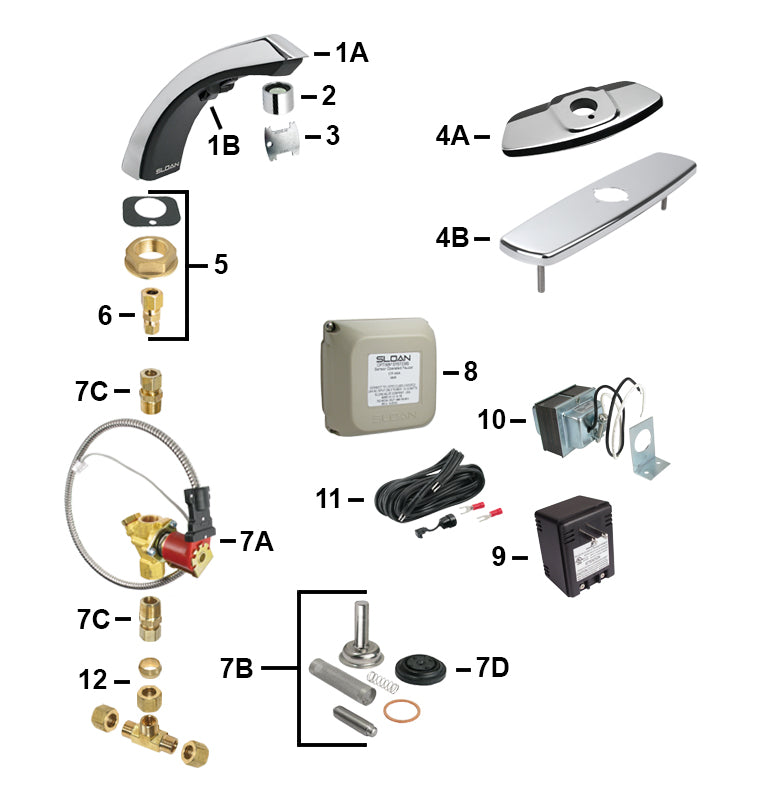
A small kit speeds Sloan Automatic Faucet Troubleshooting. Keep these items ready.
- Fresh alkaline batteries or a replacement battery pack
- Small screwdriver set and nut drivers
- Multimeter for voltage and continuity checks
- Soft cloths and isopropyl alcohol to clean sensors
- Replacement solenoids, O-rings, and aerators
- Needle-nose pliers and adjustable wrench
Having parts on hand shortens downtime. I keep a compact kit in my truck for quick fixes.

Preventive maintenance to reduce problems
Routine care cuts calls and keeps faucets working. Use this maintenance plan.
Weekly checks
- Wipe sensor lens clean.
- Look for visible leaks or drips.
Monthly checks
- Test faucet operation multiple times.
- Inspect batteries or transformer status.
Every 6–12 months
- Remove and clean aerator and inline strainers.
- Inspect seals and replace worn parts.
- Check for loose mounting hardware.
Long-term maintenance saves money. Sloan Automatic Faucet Troubleshooting becomes rare with scheduled care.

When to call a pro
Some issues need a trained hand. Call a pro if:
- The control board appears damaged or corroded.
- Hardwiring or transformer replacements are needed.
- You find persistent leaks inside the valve body.
- The faucet is under warranty and needs authorized service.
I once tried to repair a corroded PCB. The repair lasted days and cost more. Calling an expert sooner would have been faster.

Troubleshooting examples from real jobs
Example 1: No response from faucet
- Symptom: Faucet dead after a weekend.
- Fix: Replaced batteries and reset control. Problem solved in 5 minutes.
Example 2: Faucet runs continuously
- Symptom: Water keeps flowing after hands removed.
- Fix: Found debris stuck in solenoid. Cleaned and reinstalled. Flow stopped.
Example 3: Weak flow only on one faucet
- Symptom: One sink had low flow, others fine.
- Fix: Aerator clogged with mineral scale. Soaked in vinegar and cleaned.
These examples show common outcomes when following Sloan Automatic Faucet Troubleshooting steps.

PAA-style questions (quick answers)
Q: How often should I change batteries?
A: Replace alkaline batteries every 12–18 months in high-use settings, sooner in busy locations.
Q: Can hardwater cause sensor problems?
A: Yes. Mineral buildup can cloud the lens and clog aerators, so clean parts regularly.
Q: Is it safe to open the control box?
A: If hardwired, turn off power first. If unsure, call a pro to avoid shock or voiding warranty.

Frequently Asked Questions of Sloan Automatic Faucet Troubleshooting
Why is my Sloan faucet not turning on?
Check the batteries, power supply, and sensor lens. Also confirm the water shutoff valves are open and the solenoid clicks when triggered.
How do I stop a Sloan faucet from running continuously?
Turn off water, then inspect and clean the solenoid and inline strainer. Replace the solenoid if it stays stuck open.
Can I use any replacement solenoid or valve?
Use parts specified for your Sloan model to ensure fit and correct voltage. Mismatched parts can fail or void warranties.
How do I clean the sensor without causing damage?
Use a soft cloth and mild cleaner or isopropyl alcohol. Do not spray cleaners directly into the sensor or use abrasive pads.
What causes intermittent sensor response?
Common causes are weak batteries, loose wiring, glare on the sensor, or dirt on the lens. Test under different lighting and with fresh batteries.
When should I call Sloan support or a technician?
Call support for warranty claims or when control boards, hardwiring, or frequent failures occur after DIY fixes. A pro avoids safety or code issues.
Conclusion
Sloan Automatic Faucet Troubleshooting starts with simple checks: power, supply, and a clean sensor. Work step-by-step, keep basic tools and spare parts ready, and follow a regular maintenance plan to cut problems. Small fixes often prevent big repairs and save water and money. Try the checklist above, document your fixes, and if a problem persists, call a certified technician or the manufacturer for help. Leave a comment with your faucet model and symptom, or subscribe for more practical troubleshooting guides.
