

Automatic transmission issues often stem from low fluid, faulty solenoids, or internal wear.
I have spent years diagnosing drivetrains and fixing cars in both shops and roadside calls. This guide on Automatic Transmission Troubleshooting lays out clear steps, common causes, and practical fixes you can try. Read on to learn how to spot problems early, run simple checks, and decide when to repair or replace components with confidence.

36% off Today’s Exclusive Deals
Limited-time Exclusive Deals. Check current discount on Amazon.
Check Price on Amazon As an Amazon Associate I earn from qualifying purchases.
How an Automatic Transmission Works and Why Troubleshooting Matters
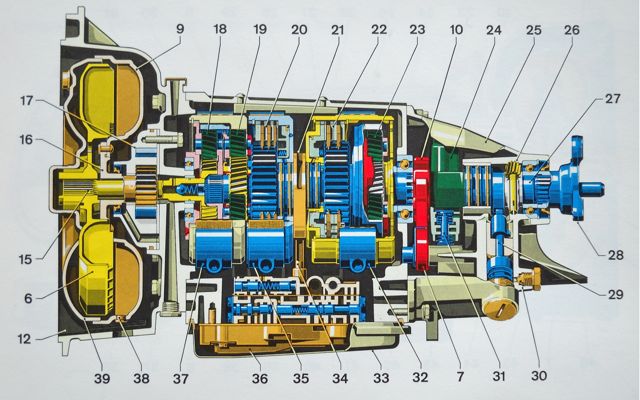
An automatic transmission shifts gears automatically. It uses fluid, clutches, bands, valves, and electronics to move power from the engine to the wheels. Understanding these parts makes Automatic Transmission Troubleshooting easier. Knowing the basics helps you spot simple faults and avoid costly mistakes.
Automatic Transmission Troubleshooting matters because early action saves money. Small issues like low fluid or a dirty filter often lead to bigger failures. I’ve seen cars returned to service quickly after a fluid change and a solenoid clean. That experience taught me to check the simple things first.
Common Symptoms to Watch For
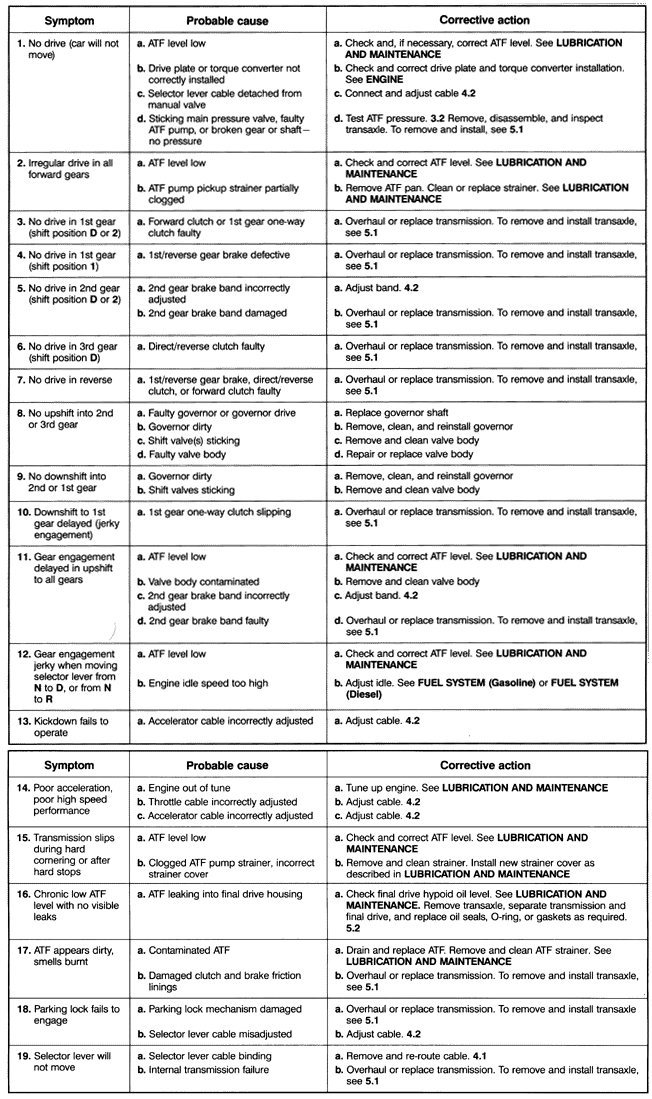
Recognizing symptoms makes Automatic Transmission Troubleshooting faster. Look for:
- Slipping gears. Engine revs rise, but speed lags.
- Delayed engagement. Car hesitates before moving from park or drive.
- Harsh shifting. Jarring or loud shifts between gears.
- Transmission fluid smell or dark fluid. Fluid looks or smells burnt.
- Warning lights. Check engine or transmission warning appears.
- Leaks under the car. Red or brown fluid puddles.
Each symptom points to different causes. For example, slipping often links to low fluid or worn clutches. Harsh shifting can mean bad solenoids or dirty fluid. Spotting the symptom narrows the next troubleshooting steps.
Step-by-Step Automatic Transmission Troubleshooting Guide
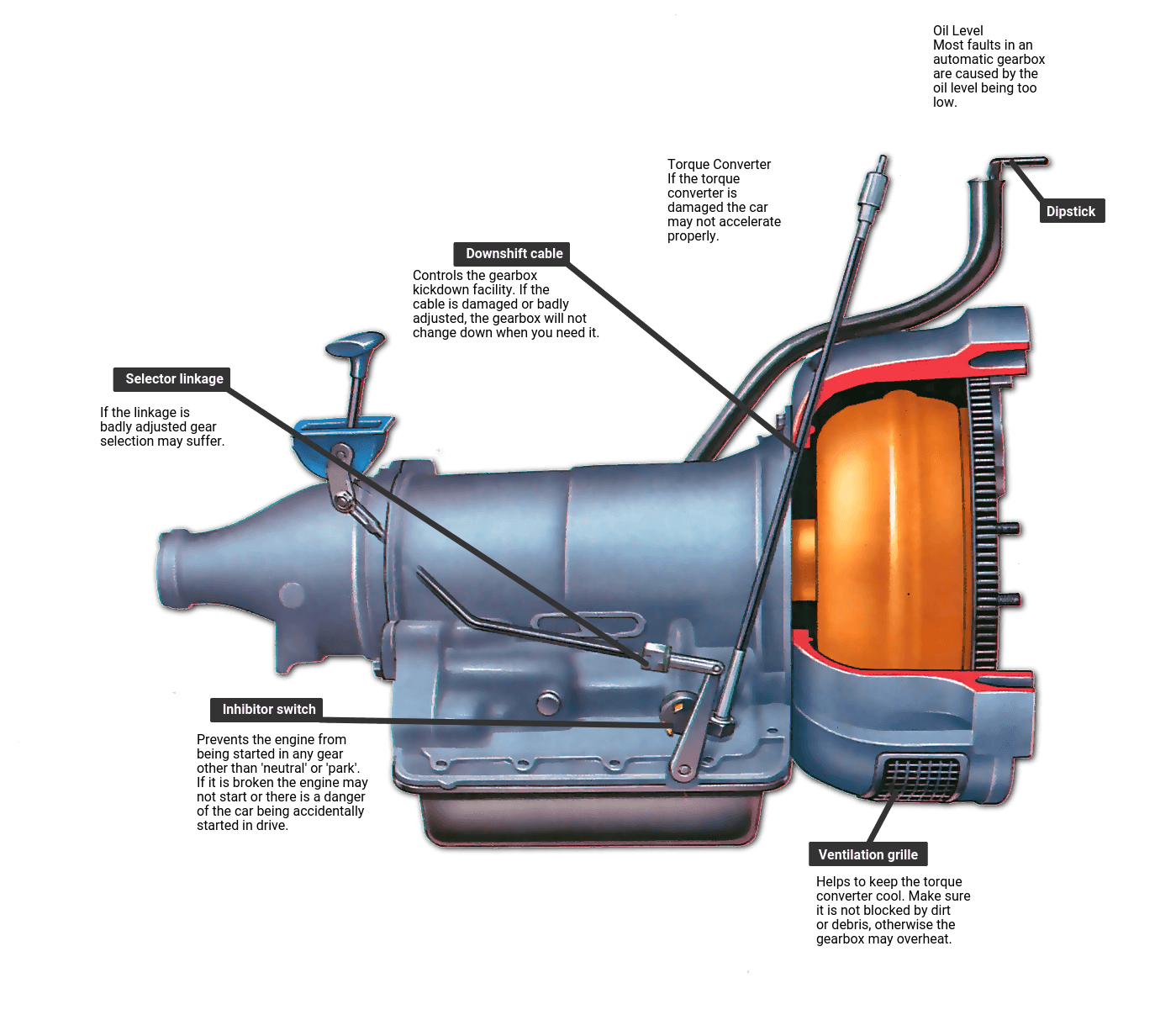
Follow these steps in order. They save time and often solve the issue without major repairs.
- Check for codes
- Use an OBD2 scanner. Read transmission and engine codes.
- Note any P0700 or solenoid codes for targeted checks.
- Inspect fluid level and condition
- Park level and engine warm. Use the dipstick if the vehicle has one.
- Fluid should be bright red or pink and smell fresh. Dark or burnt fluid signals trouble.
- Low fluid causes slippage and poor engagement.
- Look for leaks
- Check under the car and around the pan, cooler lines, and axle seals.
- Tighten loose bolts or replace leaking lines as needed.
- Test drive and record behavior
- Note when issues occur: cold start, after warming up, or only in certain gears.
- Pay attention to RPM vs. speed and shift timing.
- Check wiring and connectors
- Inspect transmission connectors for corrosion or loose pins.
- Repair or replace damaged wiring harnesses.
- Replace filter and fluid if dirty
- For many modern automatics, a fluid and filter swap fixes shifting issues.
- Follow manufacturer fluid type and capacity exactly.
- Test solenoids and sensors
- Use a multimeter to check solenoid resistance and function.
- Check speed sensors and throttle position sensor for proper readings.
- Perform a pressure test
- A pressure test shows internal leaks or worn clutches.
- Low line pressure often means internal wear or failing pump.
- Consider a pan drop inspection
- This reveals metal shavings or debris from clutches and gears.
- Metal fragments usually indicate internal wear and possible rebuild needs.
- Seek professional diagnosis when needed
- If tests show internal damage, consult a transmission specialist.
- Rebuild, replace, or remanufactured units may be considered based on cost.
These steps reflect years of hands-on practice. I once fixed a late-model sedan by simply replacing burnt fluid and a clogged filter after codes pointed to a solenoid. Simple steps first often save time and money.

DIY Fixes and When to Call a Pro
Simple fixes you can do at home:
- Top off fluid to the correct level with the specified type.
- Replace the transmission filter and fluid if dirty.
- Clean connectors and secure wiring.
- Replace a leaking cooler line or clamp.
When to call a pro:
- Persistent slipping after fluid service.
- Metal debris in the pan.
- Failed pressure test or internal component damage.
- Complex electronic faults on modern transmissions.
Some repairs require special tools and skills. I avoid deep internal work at home unless I have the proper tools and a clean workspace. Transmission work is messy and precise. A wrong step can lead to permanent damage.

Preventive Maintenance to Avoid Troubleshooting Later
Regular maintenance reduces the need for heavy Automatic Transmission Troubleshooting. Follow these tips:
- Check fluid at recommended intervals.
- Change fluid and filter per the owner’s guide or sooner if used for towing.
- Flush the cooler lines periodically, especially on high-mileage vehicles.
- Avoid aggressive driving that overheats the transmission.
- Install an auxiliary cooler for heavy towing or hot climates.
Routine checks extend transmission life. In my shop, vehicles with regular fluid service rarely needed major repairs. Prevention pays off.
Common Causes and How They Affect Performance
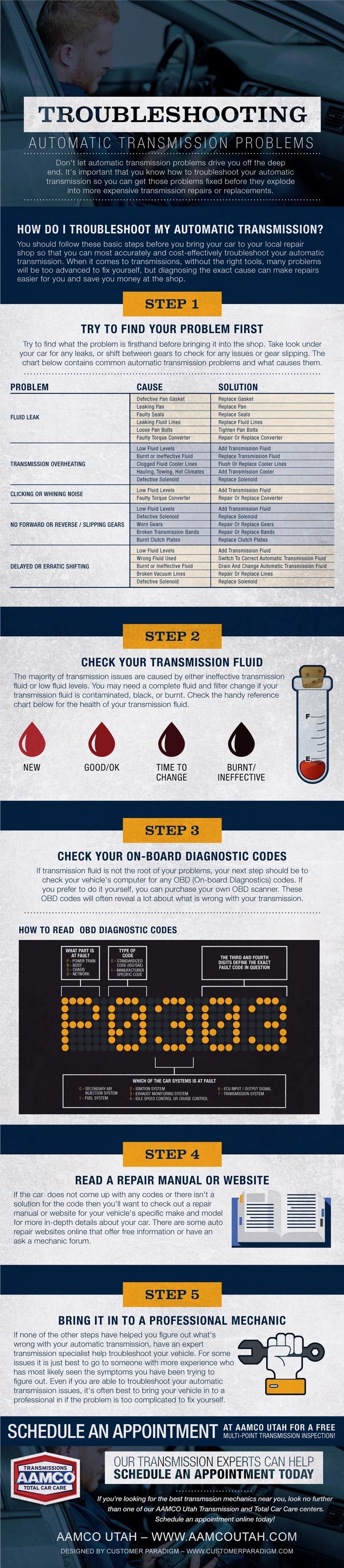
Understanding root causes helps with targeted Automatic Transmission Troubleshooting.
-
Low fluid
- Causes: leaks, neglected service.
- Effect: slipping, delayed engagement, overheating.
-
Contaminated or burnt fluid
- Causes: overheating, old fluid breaking down.
- Effect: poor shift quality and internal wear.
-
Faulty solenoids or sensors
- Causes: electrical faults, wear.
- Effect: harsh shifts, stuck gears, error codes.
-
Worn clutches or bands
- Causes: high mileage, abuse.
- Effect: slipping and loss of higher gears.
-
Failed torque converter
- Causes: internal failure or clutch issues.
- Effect: shuddering, poor acceleration, overheating.
-
Internal mechanical damage
- Causes: lack of maintenance, extreme use.
- Effect: catastrophic failure requiring rebuild or replacement.
Knowing these causes aids quick and accurate Automatic Transmission Troubleshooting. If you see metal in the pan, assume internal damage until proven otherwise.
PAA-Style Questions (People Also Ask)
How do I know if my transmission fluid is bad?
- Bad fluid is dark brown or black and smells burnt. It may also cause rough shifting or slipping.
Can low transmission fluid cause no reverse?
- Yes. Low fluid can prevent proper engagement of reverse gear and cause delayed or no movement.
Is a transmission fluid flush necessary?
- A flush can help if done correctly, but follow the vehicle maker’s recommendation. Flushing may dislodge debris in high-mileage units.

Personal Experience and Tips from the Shop
Years of hands-on work taught me to trust simple checks. One weekend, a customer drove in with harsh shifting. Codes were ambiguous. A fluid check showed a burnt smell and low level. After a proper fluid and filter change, shifting returned to normal. That saved the owner thousands.
Tips I learned:
- Always warm the vehicle before checking fluid.
- Use the exact fluid grade recommended by the maker.
- Keep a record of services; it helps spot a pattern during troubleshooting.

Diagnostic Tools and Resources Worth Having
Basic tools that help with Automatic Transmission Troubleshooting:
- OBD2 scanner with transmission code reading.
- Multimeter for solenoid and sensor checks.
- Transmission fluid pump for proper filling.
- Pressure gauge kit for pressure testing.
- Basic hand tools and a clean pan for inspections.
Having the right tool speeds up diagnosis and avoids missteps. I carry a compact scan tool and a pressure gauge when I diagnose roadside jobs.
Cost Considerations and Repair Options
Costs vary widely. Typical ranges:
- Fluid and filter change: low cost and often fixes minor problems.
- Solenoid or sensor replacement: moderate cost.
- Rebuild or remanufacture: higher cost but restores function.
- Full replacement: highest cost, sometimes best for very old or damaged units.
Factor labor, parts, and warranties. Ask shops for itemized quotes. Sometimes a remanufactured unit with a warranty is more cost-effective than a spot rebuild.
Frequently Asked Questions of Automatic Transmission Troubleshooting
How often should I check transmission fluid?
Check fluid monthly and at every service visit. Always follow the vehicle maker’s schedule for service intervals.
Can I drive with a slipping transmission?
You can drive short distances but it risks further damage and unsafe driving. Get it checked promptly to avoid higher repair costs.
Will a fluid change fix harsh shifting?
A fluid and filter change often improves shifting if fluid condition was the cause. If symptoms persist, deeper diagnostics are needed.
What does a transmission warning light mean?
It signals an issue detected by the transmission control module. Use a scanner to read codes and determine the next steps.
How long does a transmission rebuild take?
A rebuild typically takes several days, depending on parts availability and shop workload. Plan for downtime or arrange alternative transport.
Conclusion
Automatic Transmission Troubleshooting is about smart checks, steady steps, and knowing when to call a pro. Start with codes, fluid, and simple inspections. Use tools and follow the maker’s guidelines. Small fixes often prevent big failures. Take action early, keep records, and schedule regular maintenance to protect your transmission investment. If this guide helped you, try one of the checks today, subscribe for more tips, or leave a comment with your transmission question.

