

Most Balsam Hill remote issues are simple: check batteries, pairing, and the receiver first.
I have worked with holiday lights and smart décor for years, and I know the small frustrations a remote can cause. This guide on Balsam Hill Remote Control Troubleshooting walks you through clear steps, real fixes, and easy prevention tips so you can restore control quickly and confidently. Read on to learn tested methods, practical examples, and when to call support.

36% off Today’s Exclusive Deals
Limited-time Exclusive Deals. Check current discount on Amazon.
Check Price on Amazon As an Amazon Associate I earn from qualifying purchases.
Understanding the Balsam Hill Remote Control and Common Issues
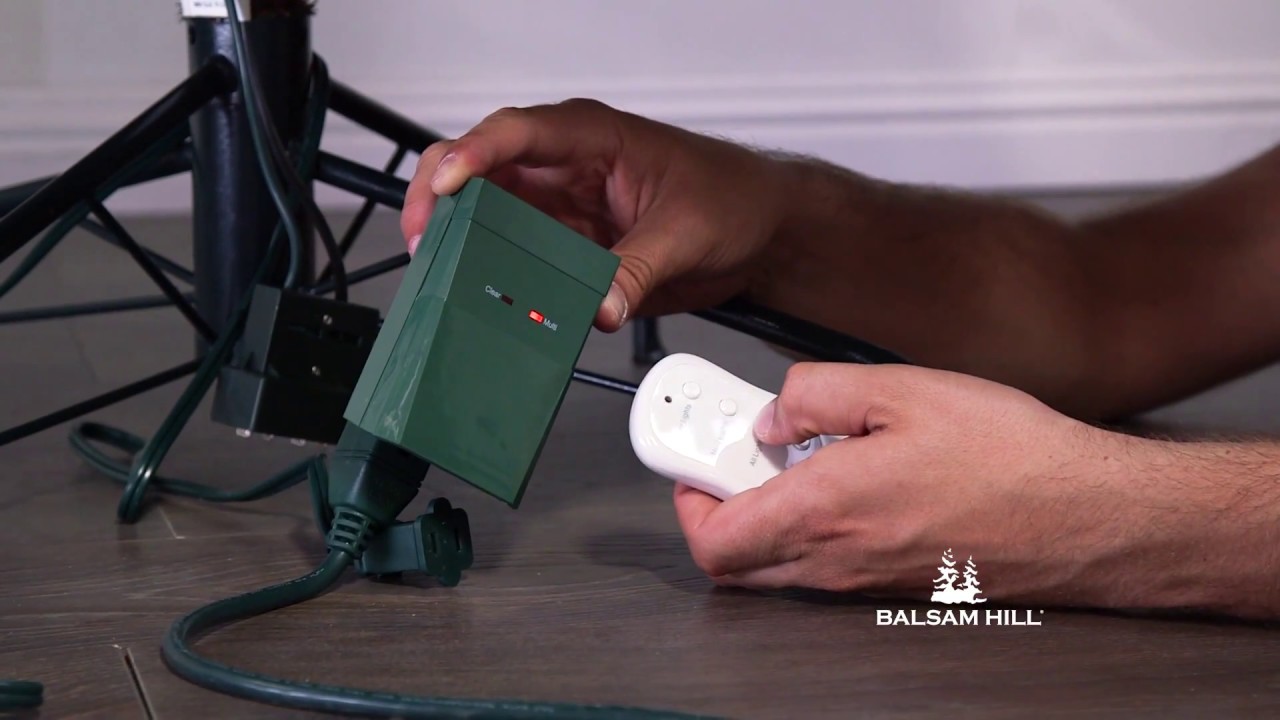
Balsam Hill Remote Control Troubleshooting starts with knowing how the remote and receiver talk. Most Balsam Hill remotes use infrared or radio frequency to send commands to the tree or lights. If the remote stops working, the issue is usually one of four things: dead batteries, lost pairing, blocked signal, or a faulty receiver.
Common symptoms include no response, delayed response, partial function (some modes work, others don't), and intermittent operation. These signs help you pick the right fix fast. Learning a few basics shortens the time to solve the problem and avoids unnecessary replacements.
Step-by-step Troubleshooting Guide
Follow these short checks in order. They solve most Balsam Hill Remote Control Troubleshooting cases.
- Check and replace batteries
- Remove the batteries and test with fresh alkaline cells. Weak batteries often cause slow or no response.
- Ensure correct polarity and clean the contacts if corroded.
- Confirm line of sight and interference
- For infrared remotes, ensure the sensor on the tree is visible and nothing blocks the path.
- For RF remotes, move other wireless devices away and test at different distances.
- Re-pair the remote and receiver
- Power off the tree or light set for 10 seconds, then power on and press the pairing button on the receiver if available.
- Follow the user manual pairing steps. Many issues resolve after a simple re-pair.
- Reset the remote
- Remove batteries and press every button once to discharge residual power. Reinsert batteries and test.
- Some models have a small reset hole—use a pin to press it for 5 seconds if applicable.
- Inspect the receiver and power supply
- Check the receiver box for loose cables or burnt smells. Secure all plugs.
- Test the outlet and use a different power source to rule out power problems.
- Clean contacts and buttons
- Use a cotton swab and isopropyl alcohol to clean battery contacts and buttons. Dry fully before testing.
- Avoid soaking components; use gentle cleaning only.
- Try a universal or spare remote
- If you have a spare Balsam Hill remote or universal remote, test it to isolate the problem to the original remote or the receiver.
If these steps fail, move to advanced checks below. These easy tests will fix most issues and are safe for home users.
Advanced Troubleshooting and Repair Tips
When basic steps don’t work, use careful advanced checks to find faults.
- Inspect wiring and solder joints
- Open the receiver housing only if out of warranty. Look for cracked solder joints or loose wires.
- Reflow solder carefully or tighten connectors if you have soldering experience.
- Use a multimeter
- Measure voltage at the power adapter and at the receiver input. A good adapter reads within the stated voltage.
- Test continuity on wires to find breaks.
- Replace the receiver module
- Some Balsam Hill systems use a modular receiver. Replacing it often restores full function.
- Confirm model compatibility before buying a replacement part.
- Check for water damage or corrosion
- Moisture can cause intermittent faults. Dry components for 48 hours with silica gel or low heat.
- Corrosion on battery contacts is common; clean gently.
- Firmware and smart integration
- For smart-enabled units, check app settings and firmware updates. Reinstalling the app or reauthorizing devices may help.
- Reset the network bridge then re-add the tree if network connectivity is the issue.
My experience: I once fixed a limp control by re-soldering a cracked receiver joint. It took 20 minutes and saved the client a costly replacement. Only attempt internal work if you are confident and the unit is out of warranty.
Preventive Maintenance and Best Practices
Preventing problems is easier than fixing them. Use these habits to avoid future Balsam Hill Remote Control Troubleshooting.
- Replace batteries before the season
- Store remotes in a dry spot away from heat
- Label remotes and spare batteries for the season
- Keep the receiver away from metal obstructions and strong wireless sources
- Clean contacts and test the remote a month before display time
- Keep the tree’s receiver firmware and app up to date if applicable
Regular checks reduce surprises. I recommend a quick remote test each November to catch wear early.
When to Contact Balsam Hill Support or Seek Professional Repair
Know when to stop DIY and get help. Contact Balsam Hill support if:
- The product is under warranty and the issue may be covered
- Internal repairs would void the warranty
- The receiver shows signs of burning, smoke, or electrical smell
- You cannot identify the fault after basic checks
Before you call, gather this info:
- Model and serial number
- Photos of the remote, receiver, and wiring
- Steps you already tried and any error messages
Support can guide you through warranty claims, replacements, or authorized repairs. When in doubt, reach out early to avoid voiding protection.

Frequently Asked Questions of Balsam Hill Remote Control Troubleshooting
Why won't my Balsam Hill remote control turn on the lights?
Check the batteries first, then ensure the power adapter is plugged in and reading the correct voltage. Also confirm the receiver is powered and paired with the remote.
How do I re-pair my Balsam Hill remote to the tree?
Power off the tree, wait 10 seconds, power it back on, then press the receiver's pairing button or follow the pairing steps in the manual. Re-pairing often restores lost connections.
Can I use a universal remote with a Balsam Hill tree?
Yes, some universal remotes work if they use compatible frequency or code sets. Test a known-working universal remote to confirm compatibility before buying.
What if the remote works sometimes and not other times?
Intermittent issues point to weak batteries, signal interference, or loose wiring. Replace batteries and test in a different location to isolate the problem.
Is it safe to open the receiver to fix it myself?
Only open the receiver if the unit is out of warranty and you have basic electrical skills. For in-warranty devices, contact support to avoid voiding coverage.
How long should Balsam Hill remote batteries last?
Battery life varies by usage, but seasonal use typically lasts a whole holiday season. Replace batteries annually to avoid mid-season failure.
Conclusion
You now have clear, practical steps for Balsam Hill Remote Control Troubleshooting. Start with batteries, pairing, and signal checks, then move to receiver and wiring tests if needed. Use preventive care to reduce future trouble, and contact support when the issue looks electrical or is under warranty. Take action today: test your remote now, replace old batteries, and save yourself time and stress this season. Share your experience or ask a question below to help others.

