

Most Delonghi espresso problems come from scale, clogs, or simple user setup errors.
I’ve worked with dozens of home and office Delonghi machines and written repair guides for years, so I know how to diagnose and fix common faults quickly. This Delonghi Espresso Machine Troubleshooting guide lays out clear steps, real-world tips, and preventive routines to get your machine brewing reliably again. Read on for simple checks, step-by-step fixes, and the maintenance habits that stop most problems before they start.

36% off Today’s Exclusive Deals
Limited-time Exclusive Deals. Check current discount on Amazon.
Check Price on Amazon As an Amazon Associate I earn from qualifying purchases.
Common problems and quick fixes for Delonghi Espresso Machine Troubleshooting
Below are the most frequent issues I see with Delonghi machines, why they happen, and quick fixes you can try at home.
-
No power or machine won’t turn on
- Cause: Loose plug, tripped outlet, internal fuse, or power board fault.
- Fix: Check outlet with another device, inspect the cord and plug, try a different outlet, and reset any GFCI. If still dead, contact service.
-
Machine not heating or coffee is cold
- Cause: Heating element fault, thermostat issue, or scale buildup around the boiler.
- Fix: Run a full descaling cycle and then test. If problem remains, heating components may need professional replacement.
-
Weak or thin espresso
- Cause: Coarse grind, insufficient coffee dose, worn gasket, or low brew pressure.
- Fix: Use a finer grind, increase dose, tamp evenly, clean portafilter and group head, and check the pump sounds.
-
No crema or poor crema
- Cause: Old beans, oily beans, improper grind, or low pressure.
- Fix: Use fresh, medium-roast beans, grind fine, and clean the group head and filter basket.
-
Water leaking from machine
- Cause: Misaligned water tank, cracked hose, worn seals, or overfilled drip tray.
- Fix: Re-seat the water tank, empty the tray, inspect seals, and replace cracked parts.
-
Steam wand not producing steam or weak steam
- Cause: Blocked steam nozzle, low boiler pressure, or scale in heating chamber.
- Fix: Purge and clean the wand tip, perform descaling, and check steam pressure.
-
Grinder or bean hopper issues (bean jams)
- Cause: Oily beans, foreign objects, or worn burrs.
- Fix: Remove beans, clean hopper and burrs, use drier beans, and replace burrs if dull.
-
Error lights or blinking icons
- Cause: Many reasons such as low water, full drip tray, maintenance required, or internal faults.
- Fix: Consult the user manual for your model, reset after completing the suggested step, or run a diagnostic where supported.
This list covers most problems you can solve in under an hour and without tools. For anything electrical or requiring full teardown, seek professional repair.
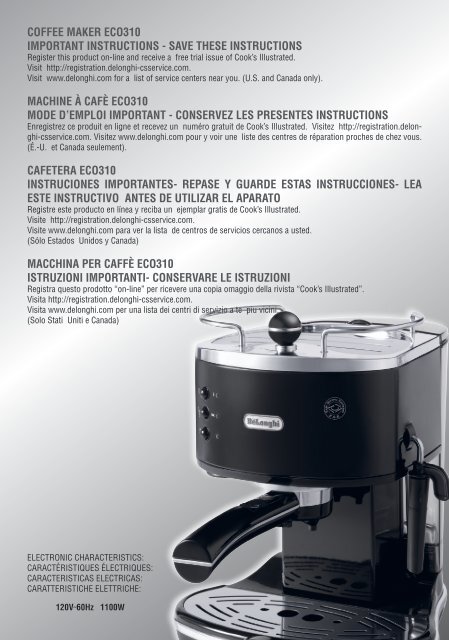
Delonghi Espresso Machine Troubleshooting: step-by-step guide
Follow this structured checklist to find and fix most faults methodically.
-
Basic checks (takes 5 minutes)
- Confirm power source and plug.
- Check water tank level and drip tray.
- Make sure the portafilter and filter are properly seated.
-
Visual inspection (5–10 minutes)
- Look for obvious leaks, cracked parts, and loose knobs.
- Remove and inspect the shower screen and group gasket.
-
Run a maintenance cycle (10–30 minutes)
- Backflush if your machine supports it (use appropriate detergent where required).
- Run a descaling cycle if due. Use the correct solution and follow the model instructions.
-
Test extraction (5 minutes)
- Use fresh ground coffee, dose correctly, and observe extraction time (20–30 seconds for a double shot).
- Listen to pump noise; a weak or strained pump indicates pressure or blockage issues.
-
Isolate component issues (15–45 minutes)
- Swap to a known-good water source or filter cartridge.
- Replace easy parts like gaskets or filters to confirm improvement.
- Note error codes or unusual behavior for targeted repair.
-
When to stop and get help
- If you smell burning, see smoke, or the machine is dead after power checks, stop and contact service.
- If fixes don’t bring the pressure or temperature back to normal, stop further DIY repair.
People also ask:
- How often should I descale my machine? Answer: Descale based on water hardness and usage; typically every 2–3 months for hard water, or every 3–6 months for soft water.
- Can I backflush a Delonghi without detergent? Answer: Yes, you can backflush with clean water to clear loose coffee grounds; use detergent only for a deeper clean if the machine supports it.
These steps ensure you cover simple fixes before attempting complex repairs. Use a notebook to record tests and results; that helps technicians if you escalate to professional service.

Cleaning and preventive maintenance for reliable Delonghi Espresso Machine Troubleshooting
Regular care prevents most issues and prolongs machine life.
-
Daily tasks
- Empty drip tray and grounds.
- Wipe steam wand and purge after each use.
- Rinse portafilter and group head.
-
Weekly tasks
- Deep clean portafilter, baskets, and steam wand tips.
- Backflush with cleaning tablet if the machine supports it.
- Clean the water tank and hopper.
-
Monthly or quarterly tasks
- Descale based on usage and water hardness.
- Check and replace any worn gaskets or seals.
- Clean or replace water filters as recommended.
Personal note: I once delayed descaling on a busy office Delonghi for six months. Brew time slowed and steam became weak. After a proper descale and replacing the main gasket, performance returned to like-new in under an hour. Lesson: descaling costs time but saves repair bills.
Use filtered water where possible. Filtered water reduces scale and improves flavor. Keep a small maintenance log to track parts replaced and descale dates.
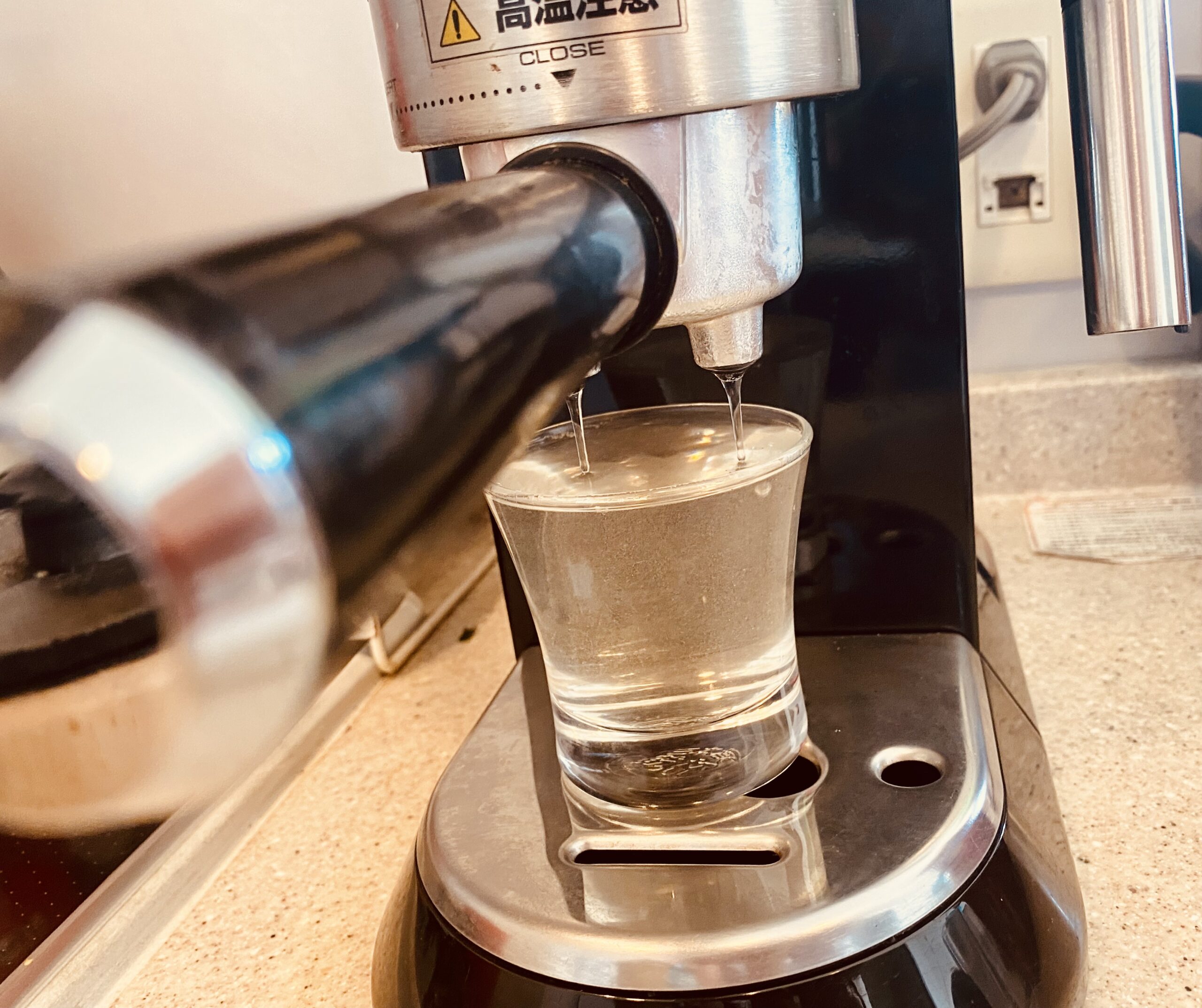
Understanding error codes, lights, and indicators for Delonghi Espresso Machine Troubleshooting
Modern Delonghi machines use lights or simple displays. Here are common indicators and what to do.
-
Descale light on or maintenance icon
- Action: Run a full descaling cycle following your model instructions. This usually resolves heating and steam problems.
-
Water tank or refill light
- Action: Refill the tank, ensure it’s seated correctly, and check the float mechanism.
-
Steam or temperature warning
- Action: Let the machine cool down if overheated. If persistent, check thermostat and sensor faults.
-
Blocked filter or group head indicator
- Action: Remove the filter, clean the shower screen, and backflush the group.
-
Blinking lights with no clear icon
- Action: Turn machine off, wait 10 seconds, then power back on. If blinking persists, record the blink pattern and contact support.
If your model has a small display, note any alphanumeric error codes. Record them before resetting. That code helps service diagnose faster. If you perform a reset, retest extraction to see if the code returns.
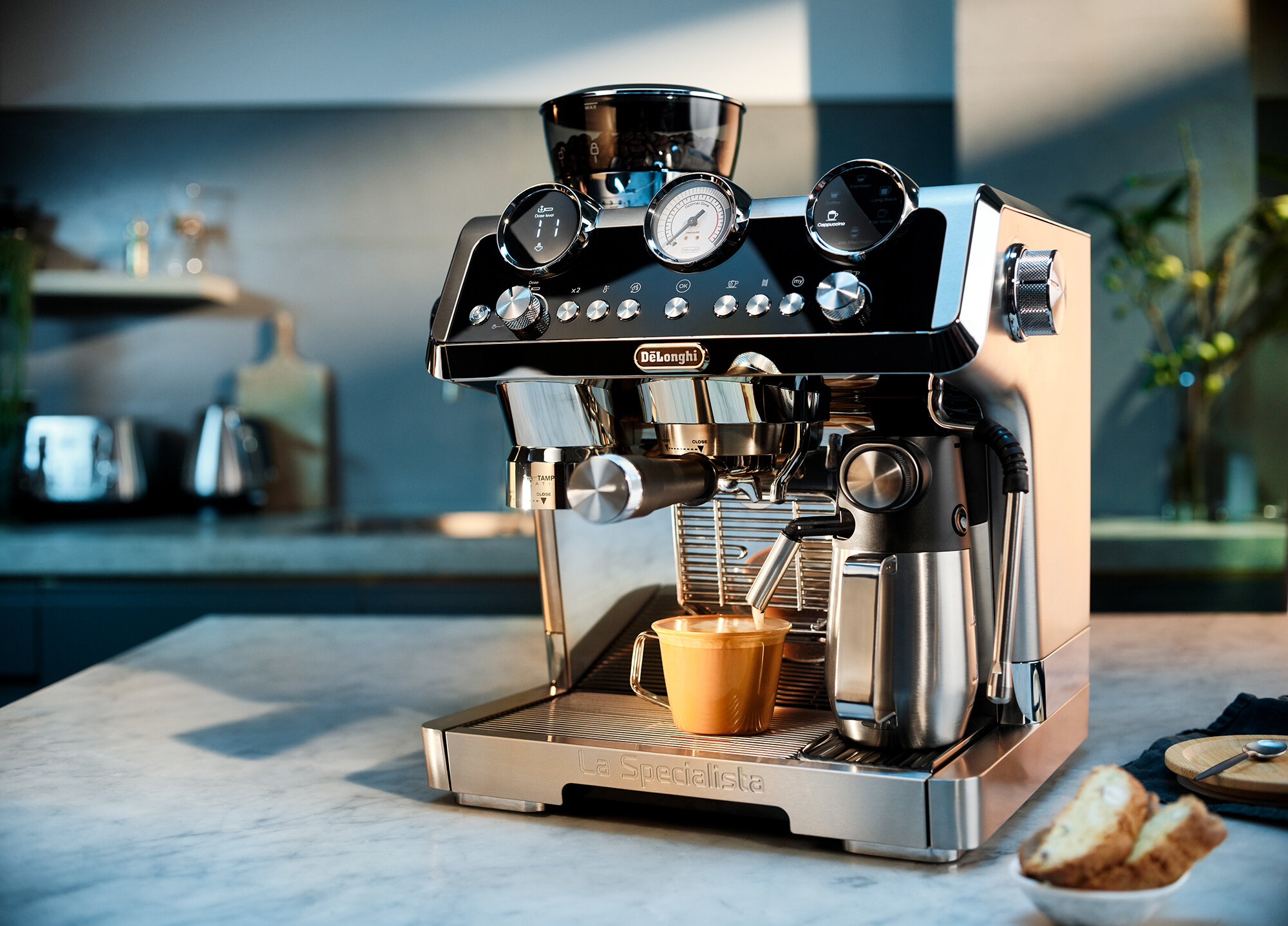
When to seek professional repair and warranty tips for Delonghi Espresso Machine Troubleshooting
Know when professional help is the best choice and how to protect your investment.
-
When to call a technician
- Machine is dead after basic checks.
- Burning smells or smoke.
- Internal leaks visible under the casing.
- Persistent pressure or heating failures after cleaning.
-
Warranty and service tips
- Keep your purchase receipt and register the machine if possible.
- Use authorized service centers to keep warranty valid.
- Ask for a repair estimate and expected turnaround time.
-
Repair vs. replacement
- For older machines with multiple failures, compare repair cost to replacement price.
- Consider parts availability; some older models are cheaper to replace than repair.
Personal tip: Always photograph serial numbers and keep receipts. I helped a friend get a free warranty repair because they had timely registration and a clear service history. That small step saved them a large bill.
Frequently Asked Questions of Delonghi Espresso Machine Troubleshooting
How often should I descale my Delonghi machine?
Descale frequency depends on water hardness and use; generally every 2–3 months for hard water and 3–6 months for soft water. Heavy daily use may require more frequent descaling.
My Delonghi has low pressure—what should I check first?
Check for scale in the boiler, a clogged shower screen, and grind size. Clean the group head and descale; use a finer grind and pack coffee evenly.
Can I use vinegar to descale my Delonghi espresso machine?
Vinegar is not recommended by most manufacturers because it can leave residues and damage components; use a manufacturer-approved descaler for safest results.
Why is my machine leaking from the bottom?
Leaks often come from a misaligned water tank, cracked internal hose, or a failed seal. Inspect the tank, empty drip tray, and have internal hoses checked if leaking continues.
The steam wand sprays water instead of steam—what’s wrong?
This usually means the boiler isn’t reaching steam temperature or the wand tip is blocked. Run a purge, descale the boiler, and ensure the machine has up to temperature before using steam.
Conclusion
Delonghi Espresso Machine Troubleshooting becomes simple when you follow methodical checks, keep up with cleaning, and act on warning signs quickly. Use the step-by-step guide above to solve most faults yourself, and document issues to speed up professional repairs when needed. Take action today: perform a quick inspection, run any overdue maintenance cycles, and note any recurring errors for follow-up. If this guide helped, try the fixes and share your results in the comments or subscribe for more appliance troubleshooting tips.

