

Most Dometic thermostat issues are fixable with basic checks and simple tools.
I have spent years fixing RV and marine HVAC controls, and I know how frustrating a thermostat that won’t behave can be. This guide on Dometic Thermostat Troubleshooting walks you through clear, tested steps to diagnose, fix, and prevent common thermostat problems. I will explain how these thermostats work, list common causes, share step-by-step fixes I use in the field, and tell you when to call a pro. Read on to get your Dometic Thermostat Troubleshooting done with confidence.

36% off Today’s Exclusive Deals
Limited-time Exclusive Deals. Check current discount on Amazon.
Check Price on Amazon As an Amazon Associate I earn from qualifying purchases.
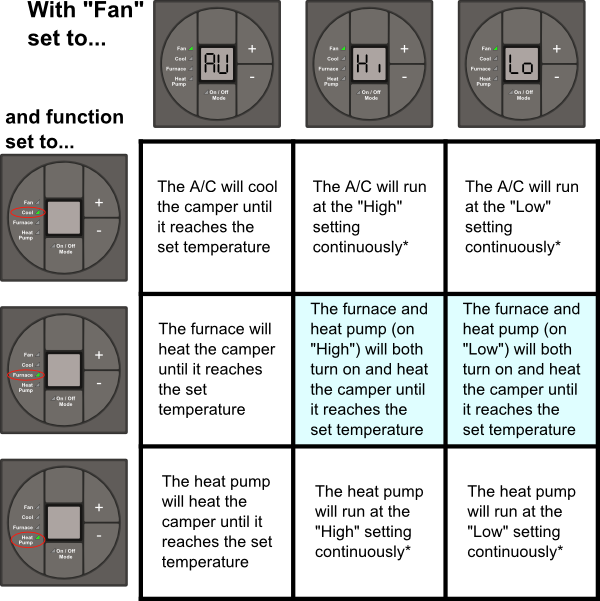
How Dometic Thermostats Work
A Dometic thermostat controls temperature by reading a sensor and switching power to the heater or air conditioner. It usually runs on 12V DC in RVs or on low-voltage control circuits in caravans and boats.
Understanding this simple loop makes Dometic Thermostat Troubleshooting easier. If the thermostat cannot read the sensor or has no power, it cannot control the system. I often start by verifying power and sensor readings before deeper checks.
Common Issues and Causes
Most failures fall into a few categories. Knowing these saves time and reduces guesswork.
- Power loss or blown fuse. Fuses or circuit breakers that feed the thermostat can fail.
- Dead batteries in wireless or battery-backed models.
- Loose or corroded wiring and connectors. Water and vibration cause poor contacts.
- Faulty sensor or thermistor. The thermostat reads wrong temperatures.
- Incorrect settings or mode selection. Cooling vs. heat mode mistakes are common.
- Software or firmware glitches. Some digital Dometic units need a reset.
Dometic Thermostat Troubleshooting often resolves after these basics are checked. On many calls, a loose connector or a dead 12V source was the root cause.
Step-by-Step Dometic Thermostat Troubleshooting Guide
Follow these steps in order. Keep tools simple and work safely.
- Verify the power source. Check the main battery or shore power. Use a meter to read 12V at the thermostat feed.
- Inspect fuses and breakers. Replace any blown fuses with the same rating. Reset breakers.
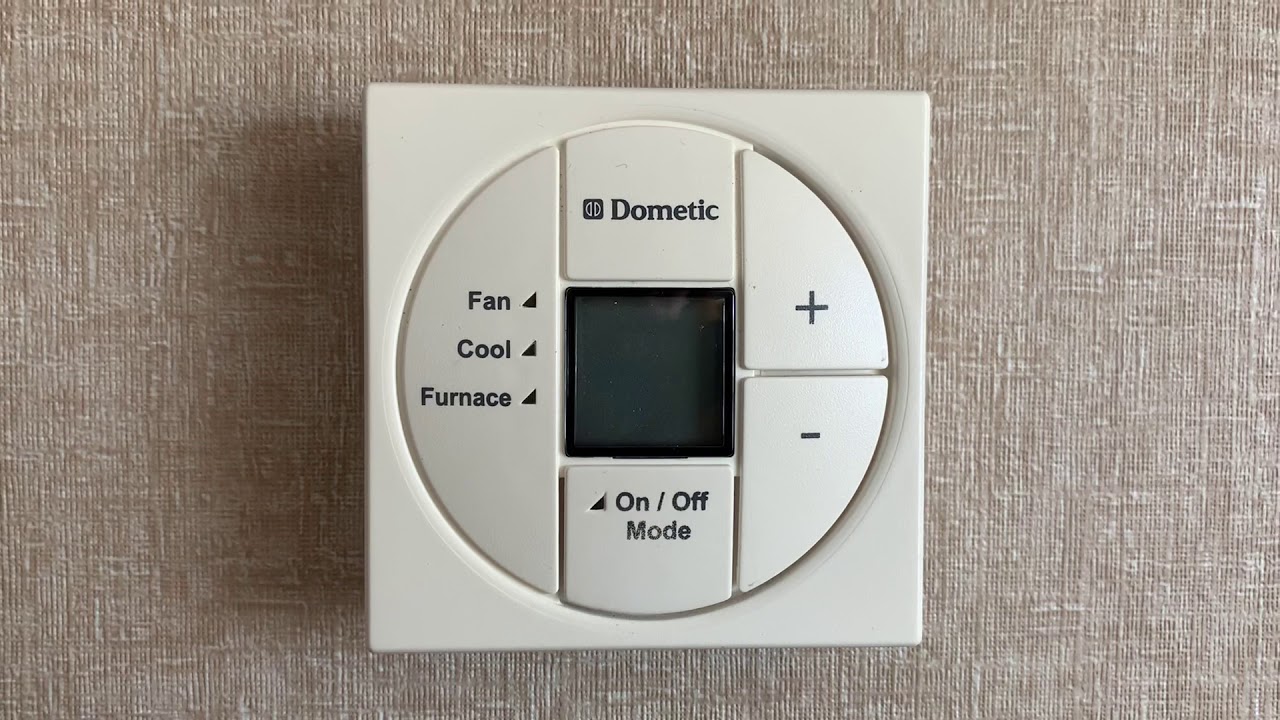
- Check thermostat display and lights. A blank screen usually means no power or bad batteries.
- Test batteries where applicable. Replace fresh alkaline batteries and retest.
- Inspect wiring and connectors. Look for corrosion, loose pins, or broken wires. Wiggle connectors while system runs to find intermittent faults.
- Confirm mode and setpoint. Make sure the thermostat is set to the correct mode and the desired temp is beyond ambient.
- Swap or test the sensor. If possible, measure the thermistor resistance and compare to expected values. Replace if out of spec.
- Reset the thermostat. Use the factory reset steps in the manual if settings seem corrupt.
- Test the HVAC unit directly. If the thermostat calls for heat or cooling but the unit does not respond, the issue may be at the control board or relay.
- Replace the thermostat if all else fails. Match model and wiring to avoid incompatibility.
Doing Dometic Thermostat Troubleshooting in this order cuts wasted time. In my experience, steps 1–4 fix more than half of service calls.
Diagnostics and Tools You Need
A few tools will make Dometic Thermostat Troubleshooting fast and safe.
- Multimeter for voltage, continuity, and resistance checks.
- Small screwdrivers and nut drivers for panel access.
- Contact cleaner for corroded connectors.
- Replacement fuses and fresh batteries.
- Thermistor or sensor probes when testing sensor behavior.
- Basic thermal thermometer to verify room temperature versus thermostat reading.
Carry these tools when traveling. I once fixed a stuck thermostat with a spare fuse and a meter while parked at a camp.

Wiring, Power, and Fuse Issues
Power problems are the most common cause. Check these points carefully.
- Look for 12V at the thermostat feed. No voltage means a fuse, breaker, or main supply issue.
- Replace fuses with the correct rating. Never bypass a fuse.
- Inspect ground connections. A poor ground can cause erratic behavior.
- Ensure connectors are seated and pins are not pushed out. Vibration can work terminals loose.
- Check wiring color codes and terminal labels against the wiring diagram. Wrong wiring will cause wrong actions.
If wiring is damaged, repair or replace with proper crimped connectors. When I found a chafed wire under an RV seat, a simple splice fixed intermittent control loss.
Sensor and Thermistor Problems
The thermostat relies on a sensor. A bad sensor gives bad results.
- Identify the thermistor leads at the thermostat. Measure resistance at room temperature. Typical NTC thermistors have known ranges; a large deviation indicates failure.
- Swap with a known good sensor if possible. This isolates the thermostat from the sensor.
- Check sensor placement. Sensors near vents or sunlight give misleading readings. Move or re-locate if needed.
- Replace the sensor with the correct part number. Incorrect parts read wrong temperatures.
I replaced a buried sensor that sat under insulation. After relocation and replacement, the temperature control became accurate again. Dometic Thermostat Troubleshooting often ends at this step.

Resetting, Replacing, and When to Call a Pro
Simple resets often clear firmware glitches. Replacements fix hardware faults.
- Soft reset first. Remove power for 30 seconds and reconnect. This clears temporary errors.
- Factory reset if problems continue. Record settings before you reset.
- Replace the thermostat when the display is dead and power at the input is correct, or when internal relays fail.
- Call a pro when you find AC compressor or heater not responding to calls, or when wiring is complex or risky. A certified technician can safely test high-voltage circuits and control boards.
I recommend a pro for HVAC board repairs. I once attempted a board fix and the job needed special parts and skill. Calling a technician saved time and money.
Maintenance Tips to Prevent Future Problems
Simple care reduces future service calls and extends life.
- Check fuses and connectors each season. Clean and tighten as needed.
- Replace batteries yearly in battery-backed thermostats.
- Keep sensors clear of insulation, dust, and direct sunlight.
- Run the HVAC system briefly each season to keep relays moving.
- Store manuals and wiring diagrams for quick reference.
A little preventive maintenance prevents many Dometic Thermostat Troubleshooting visits. I keep a small checklist in my RV for seasonal checks.
Frequently Asked Questions of Dometic Thermostat Troubleshooting
What should I check first when my Dometic thermostat is blank?
Check power and fuses first. Measure 12V at the thermostat feed and replace any blown fuse.
Why does my Dometic thermostat show the wrong temperature?
The sensor may be misplaced or failing. Test the thermistor resistance and compare to expected values.
Can I reset my Dometic thermostat to fix errors?
Yes. A soft reset by removing power can clear glitches. Use a factory reset if problems persist, after noting settings.
Is it safe to replace the thermostat myself?
You can replace a low-voltage or 12V thermostat safely if you disconnect power first. For high-voltage or complex wiring, hire a pro.
How often should I perform maintenance on my Dometic thermostat?
Do a quick check each season and replace batteries yearly. Clean contacts and inspect wiring during these checks.
Conclusion
Dometic Thermostat Troubleshooting is mostly about methodical checks: power, fuses, wiring, sensor, and settings. Start simple, use basic tools, and follow the steps above to fix most issues yourself. If the problem involves complex wiring or HVAC components, call a certified technician. Try the steps this week, keep a notes sheet of what you tested, and share your results or questions below to get tailored help.

