

Quick fix tips for Hayward Aqua Plus Troubleshooting: check power, valves, sensors, and clean the cell.
I have worked on pool systems for years and I know how frustrating a stalled control or false error on a Hayward Aqua Plus can be. This article walks you step-by-step through Hayward Aqua Plus Troubleshooting, explains common causes, shows clear fixes, and gives honest guidance on when to call a pro. Read on for practical checks, real-life tips, and easy tests you can do now to get your system back to reliable service.

36% off Today’s Exclusive Deals
Limited-time Exclusive Deals. Check current discount on Amazon.
Check Price on Amazon As an Amazon Associate I earn from qualifying purchases.
How the Hayward Aqua Plus Works
The Hayward Aqua Plus is a salt chlorination control. It monitors salt level, water flow, and cell function. The controller reads sensors and drives the cell to make chlorine. Understanding this flow helps in troubleshooting.
Key components
- Control board and display
- Electrolytic cell
- Flow switch
- Salt sensor and probes
- Power supply and breakers
Why knowing components matters
- Most faults map to one part.
- A bad cell or clogged flow causes similar symptoms.
- Simple checks save time and money when doing Hayward Aqua Plus Troubleshooting.

Common Problems with Hayward Aqua Plus
These are the issues you will most often see during Hayward Aqua Plus Troubleshooting.
No power or blank display
- Cause: tripped breaker, loose wiring, failed power supply.
- Quick check: confirm power at the breaker and control terminals.
Low chlorine production
- Cause: dirty cell, low salt, incorrect timer, or worn plates.
- Quick check: inspect cell for scale and test salt level.
Error codes and flashing lights
- Cause: flow fault, high salt, low salt, or sensor failure.
- Quick check: note the code and follow the manuals basic reset.
Cell error or low amp readings
- Cause: cell end-of-life, scale, or poor water flow.
- Quick check: run a cell clean cycle or visually inspect for heavy scale.
Intermittent operation
- Cause: loose connections, broken flow switch, or failing relay.
- Quick check: wiggle connectors while watching the display for changes.
Step-by-Step Troubleshooting Guide
Follow this ordered approach during Hayward Aqua Plus Troubleshooting. Work from simple checks to more technical fixes.
-
Safety and prep
- Turn off power at the breaker.
- Wear gloves and eye protection when handling the cell.
- Keep a multimeter and a salt test kit handy.
-
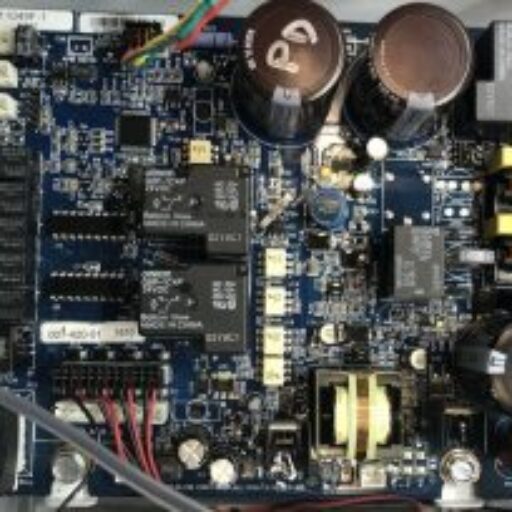
Check power and display
- Confirm breaker and GFCI are on.
- Use a multimeter to verify 120/240V at the controller input.
- If display is blank, inspect the fuse and main wiring.
-
Inspect plumbing and flow
- Make sure the pump runs and valves are open.
- Check the flow switch for debris and correct alignment.
- Bypass the flow switch only for testing, then restore it.
-
Test salt level and water chemistry
- Ideal salt is usually 3000–3500 ppm for many Hayward cells.
- Test pH and calcium hardness too. Bad chemistry reduces output.
-
Inspect and clean the cell
- Remove the cell and look for white scale.
- Use mild acid solution per guidelines to clean.
- Rinse well and reinstall. Never use wire or sharp tools.
-
Run an amp test
- Turn the system on and read cell amperage at the controller.
- Compare to the spec in the manual. Low amps often mean scale or end-of-life.
-
Reset and firmware checks
- Use controller menus to reset faults.
- Power cycle if needed.
- Check for firmware notes in the manual for known issues.
-
Replace parts if needed
- Swap in a known-good cell or flow switch to isolate the fault.
- Keep wiring photos for reassembly.
PAA-style quick questions
- How can I tell if the cell is bad?
- Low amps after cleaning and normal salt usually mean the cell is worn. A visual check shows plate erosion.
- Can I run the pool without the Hayward Aqua Plus?
- You can run the pump, but you will need an alternate sanitizer or manual chlorine while the chlorinator is down.
- Is it safe to clean the cell myself?
- Yes if you follow safety steps and use the correct cleaning solution. Turn off power before removal.
Error Codes and Indicator Lights
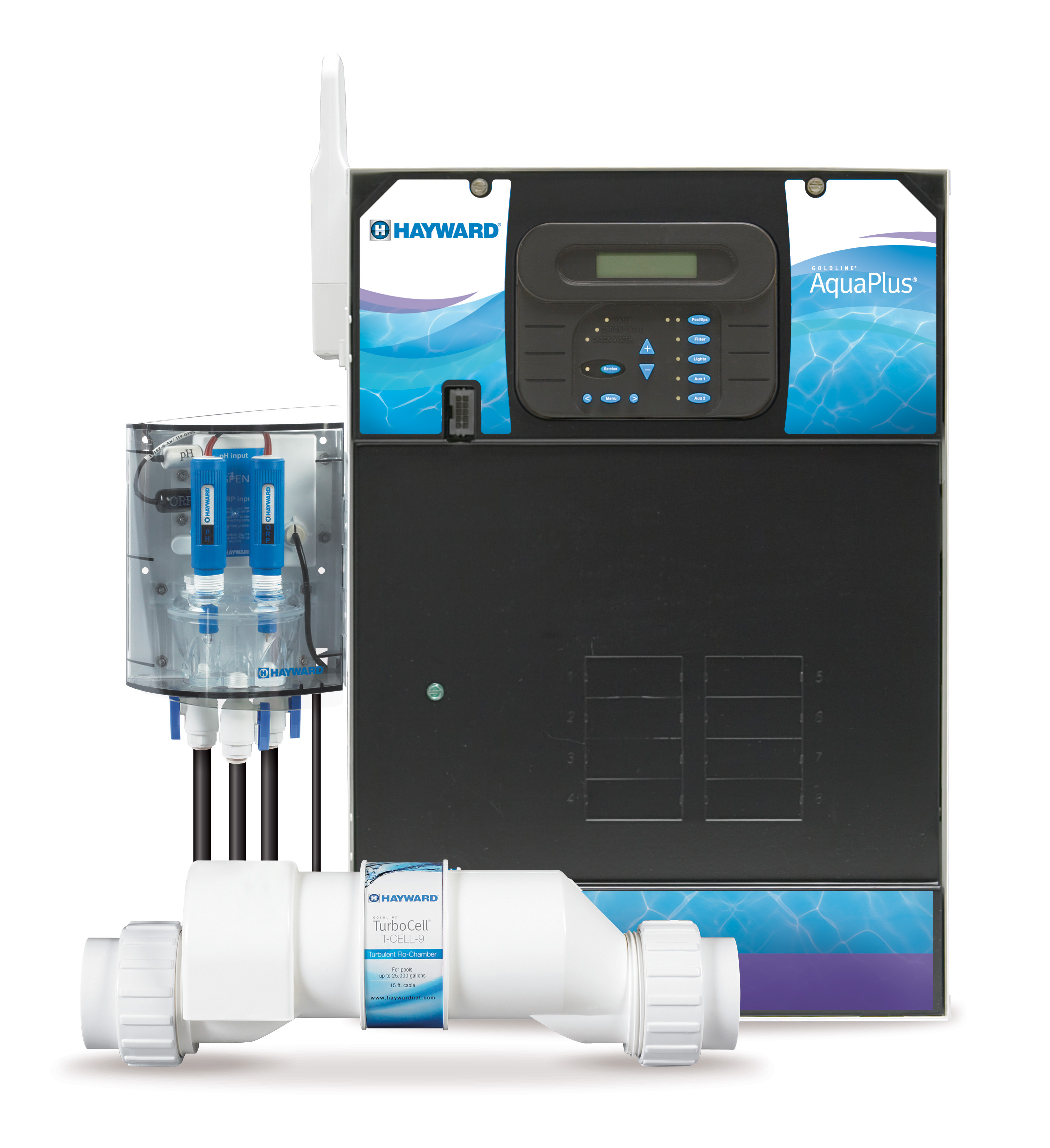
Knowing common codes speeds up Hayward Aqua Plus Troubleshooting. Below are typical messages and what to do.
Flow or no flow
- Meaning: the unit detects no water flow.
- Fix: confirm pump, check flow switch continuity, clear debris.
Low salt
- Meaning: salt is below the required ppm.
- Fix: test salt and add pool-grade salt slowly to reach target.
High salt
- Meaning: salt is above safe level.
- Fix: dilute with fresh water and retest.
Cell fault or service cell
- Meaning: cell plates may be damaged or degraded.
- Fix: clean the cell. If amps remain low, replace the cell.
Lock or keypad errors
- Meaning: keypad stuck or communication error.
- Fix: power cycle the unit. If persistent, inspect wiring to the display.
If an unknown code appears
- Note the exact sequence of lights.
- Take a photo and check the manual or tech notes.
- Contact support if the code is not documented.

Maintenance and Preventive Care
Regular care reduces faults and simplifies Hayward Aqua Plus Troubleshooting. A small routine goes a long way.
Weekly tasks
- Check salt once a week during summer.
- Inspect pump pressure and clear visible debris.
Monthly tasks
- Visually inspect the cell for scale.
- Clean the skimmer and pump baskets.
Quarterly tasks
- Run a cell clean if scale builds up.
- Test water chemistry and adjust pH, alkalinity, and hardness.
Annual tasks
- Replace the cell if amps are low and the plate shows wear.
- Inspect wiring, relays, and connectors for corrosion.
Tips that helped me
- Keep a maintenance log with dates and salt readings.
- Use a handheld salt test kit for quick checks by the pump.
- Replace the cell before it fails in peak season.

When to Call a Professional
Know when Hayward Aqua Plus Troubleshooting is beyond DIY. Call a pro when:
- You find burnt wiring or a smell of burning near the controller.
- Amp checks and cleaning do not restore chlorine output.
- The control board shows internal damage or repeated unknown codes.
- You lack the tools or comfort to test electrics safely.
What to provide a technician
- Model number and serial of the Aqua Plus.
- Recent maintenance notes and salt readings.
- Photos of the display and any error codes.
Professional service can save time. It can also protect warranties and keep you safe.

Parts, Replacement, and Cost Estimates
Common replacement parts for Hayward Aqua Plus Troubleshooting include these items.
Common parts
- Electrolytic cell
- Flow switch
- Control board or display assembly
- Salt probe or sensor
- Fuse, relay, and wire harness
Cost expectations (approximate)
- Cell: moderate to high cost depending on model.
- Flow switch or probe: low to moderate.
- Control board replacement: moderate to high.
DIY vs professional
- Replace simple parts like probes and flow switches if comfortable.
- Have electricians or certified techs handle control boards and wiring.
Buying tips
- Match model numbers exactly.
- Keep your unit manual and part codes handy for ordering.

Personal Experience and Lessons Learned
I have repaired many Hayward units. Here are honest lessons from those jobs.
Real case: false low-salt alarm
- Symptom: chlorinator showed low salt despite normal readings.
- Cause: corroded probe wiring.
- Fix: cleaned terminals and replaced the short harness. The unit ran fine after.
Mistake to avoid
- I once used strong acid on a cell. It etched the plates. Use the recommended mild acid mix only.
- Do not skip photos before you disconnect wires. They save time and avoid errors.
Practical tips I use
- Keep a spare flow switch and fuse on hand.
- Log amp readings monthly so you spot gradual decline.
- If you are not sure, stop and call help. Safety matters more than a rushed fix.
Frequently Asked Questions of Hayward Aqua Plus Troubleshooting
What if my Hayward Aqua Plus shows no display?
Check the breaker and power input first. If power is present, inspect the internal fuse and wiring harness.
How often should I clean the cell?
Clean the cell when you see scale or every 3–6 months depending on water hardness. Over-cleaning can damage the plates, so follow the manual.
Can low salt damage the Hayward Aqua Plus cell?
Low salt reduces chlorine output but usually does not cause immediate damage. Running long-term at low salt can stress the system and shorten cell life.
Why does the unit show a flow error when the pump runs?
The flow switch may be stuck, misaligned, or have electrical issues. Check for debris, verify the switch continuity, and confirm proper pump flow.
Is it safe to bypass the flow switch during troubleshooting?
You can temporarily bypass it for a short test, but never leave it bypassed in regular operation. Flow monitoring protects the cell and prevents damage.
How long does a Hayward cell last?
A cell often lasts 3–7 years depending on use and water chemistry. Poor water balance and high calcium reduce lifespan.
Will cleaning the cell fix low amperage?
Cleaning often raises amperage if scaling is the issue. If amps remain low after proper cleaning, the cell may be near end-of-life.
Conclusion
Hayward Aqua Plus Troubleshooting is mostly about structured checks, clear diagnostics, and regular maintenance. Start with power and flow, test salt and water balance, clean the cell gently, and track amp readings. When in doubt, call a trained technician to avoid safety risks or costly mistakes. Take action today: test your salt, inspect the cell, and log your findings. If this guide helped, subscribe for more pool care tips or leave a comment with your issue so I can help.

