

Most Kenmore dryer issues are simple — check power, vents, and common parts first.
I’ve spent years fixing household appliances and teaching people how to diagnose machines. This guide on Kenmore Dryer Troubleshooting explains clear checks, easy fixes, and when to call a pro. Read on for proven steps, real-life tips, and simple tests to get your dryer working safely and reliably.

36% off Today’s Exclusive Deals
Limited-time Exclusive Deals. Check current discount on Amazon.
Check Price on Amazon As an Amazon Associate I earn from qualifying purchases.

Common Kenmore Dryer Problems and What They Mean
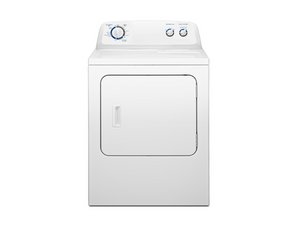
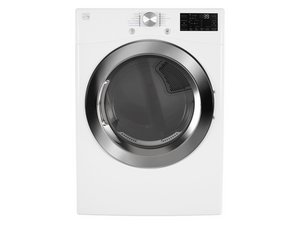
Kenmore Dryer Troubleshooting starts with spotting the symptom. A dryer that won’t start, won’t heat, or runs too long points to different causes. Look for basic signs first: lights, sounds, and whether the drum turns.
Most common problems include no power, no heat, long dry times, unusual noises, and error codes. Each symptom narrows the list of likely parts. Knowing the symptom helps you test parts in a logical order and reduces guesswork.
Simple checks often fix the issue. A tripped breaker or a clogged vent is more common than a failed heating element. Before ordering parts, run these basic tests to save time and money.
Step-by-Step Kenmore Dryer Troubleshooting Checklist
This checklist is a stepwise way to narrow down problems. Follow the steps in order to save time and avoid unnecessary repairs. Keep safety in mind: unplug or turn off gas before opening panels.
- Check power and controls
- Confirm the dryer is plugged in and the outlet has power.
- Reset any tripped breaker or replace a blown fuse.
- Test the door switch and start button
- If the dryer shows no signs when the door closes, the door switch may be faulty.
- Use a multimeter to test continuity.
- Inspect the lint screen and vent
- Clean the lint trap and inspect the vent to the outside.
- Restricted airflow causes long dry times and can trip thermals.
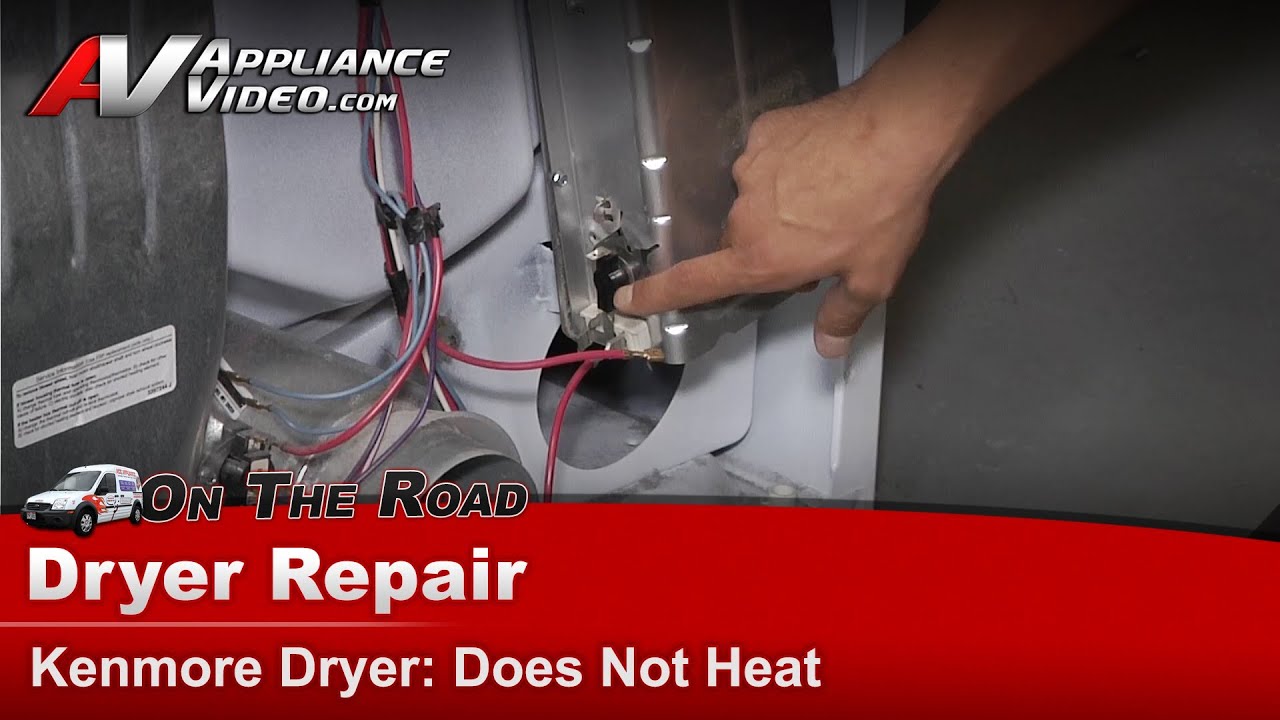
- Verify the thermal fuse and thermostats
- A blown thermal fuse usually kills heat but not drum rotation.
- Thermostats and high-limit switches fail over time and need testing.
- Check the heating system
- For electric dryers, test the heating element and coil.
- For gas dryers, test the igniter, gas valve coils, and flame sensor.
- Examine the drum belt, rollers, and motor
- A broken belt stops rotation. Worn rollers cause noise and slow rotation.
- Motor issues often make the dryer hum or fail to spin.
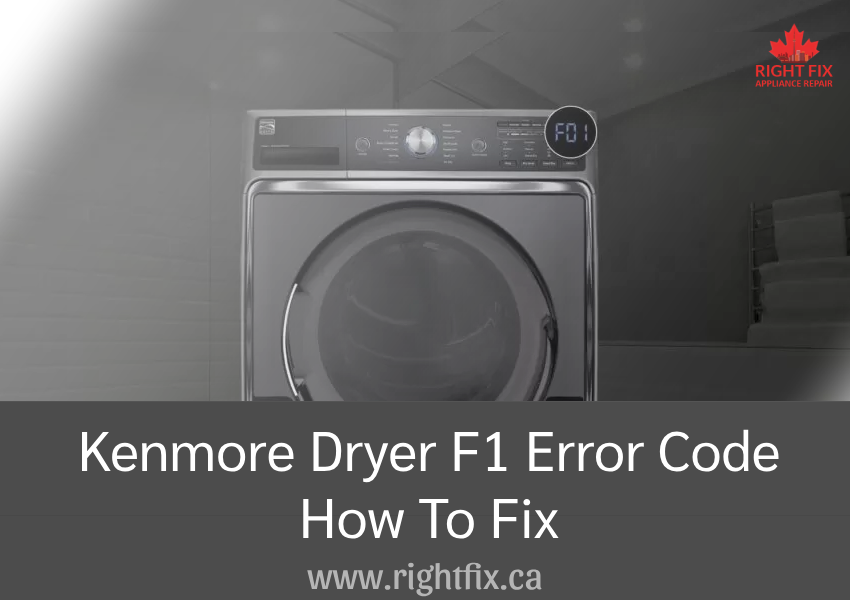
- Read error codes and console messages
- Newer Kenmore models show error codes that point to specific systems.
- Look up the code in the model’s manual for targeted repair.
These steps cover most Kenmore Dryer Troubleshooting scenarios. Test simple parts first, and document what you try so you can explain the problem if you call a technician.
Quick PAA-style Questions
Q: Why is my Kenmore dryer not heating?
A: Most often a blown thermal fuse, faulty heating element, or clogged vent causes no heat.
Q: How do I test a dryer thermal fuse?
A: Unplug the dryer, access the fuse, and use a multimeter to check continuity.
Q: Is it safe to clean the vent myself?
A: Yes, cleaning the lint trap and exterior vent is safe; use a vent brush or vacuum for deep clean.
How to Fix Specific Issues
Here are targeted fixes for common problems. I list simple steps, needed parts, and a rough skill level.
No power or won’t start
- Check outlet voltage with a tester. Reset breakers.
- Test the door switch and start switch for continuity.
- Parts: door switch, start switch, cord. Skill: easy to medium.
No heat but drum turns
- For electric Kenmore dryers, test the thermal fuse and heating element.
- For gas models, inspect the igniter and gas coils and confirm gas supply.
- Parts: thermal fuse, heating element, igniter. Skill: medium, caution with gas.
Takes too long to dry
- Clean the lint trap and vent, and check airflow at the exterior vent hood.
- Test the thermostat and heating element; restricted air makes cycles longer.
- Parts: vent kit, thermostats. Skill: easy.
Loud noise or squealing
- Replace drum rollers, bearings, or the belt if worn.
- A loose or damaged blower wheel can make rattling sounds.
- Parts: belt, rollers, blower wheel. Skill: medium.
Control or error codes
- Note the code and refer to the model troubleshooting guide.
- Many codes point to sensors, motors, or control boards that need testing.
- Parts: sensors, control board. Skill: medium to advanced.
I’ve replaced belts and fuses many times. Belt replacement is quick and satisfying. Heating element work takes care and the right tests. If you smell gas or see flame issues, stop and call a pro.

Preventive Maintenance and Best Practices
Good maintenance reduces the need for Kenmore Dryer Troubleshooting. Small habits extend life and cut repair costs.
- Clean the lint screen after every load to keep airflow strong.
- Inspect and clean the vent system every 6 months; more often if you dry many loads.
- Avoid overloading the drum; it strains the motor and reduces drying efficiency.
- Use the right cycle and avoid dryer sheets that can clog vents over time.
- Level the dryer to prevent excess vibration and wear on rollers.
A yearly professional inspection helps catch hidden issues. I recommend scheduling a service if your dryer is older than five years or you see warning signs like slow dry times or frequent trips.
When to Call a Professional
Some issues are best handled by a licensed technician. Call a pro if you see these signs.
- You smell gas or suspect a gas leak. This is a safety risk and needs immediate attention.
- Repeated electrical trips or burning smells. These indicate wiring or control problems.
- Complex control board failures or persistent error codes after basic fixes.
- You’re not comfortable working with gas lines or internal electrical parts.
A certified technician can test gas pressures, replace sealed components, and ensure safety. If a repair seems expensive, ask for a clear estimate and parts options.

Personal Experience and Real-World Tips
I once fixed a Kenmore dryer that ran but never heated. The homeowner had already bought a new heating element. After testing, I found the vent was completely blocked. Cleaning the vent fixed everything and saved them money.
Common mistakes I’ve seen:
- Replacing parts without testing. Test first to avoid wasted parts.
- Ignoring vents. Blocked vents cause many symptoms and reduce safety.
- Working on gas parts while the supply is on. Always shut off gas before testing.
My best tip: document what you test. A photo of the wiring or a short note helps if you call a repair tech. It speeds diagnosis and avoids misunderstandings.
Parts and Tools You Might Need
Having the right tools saves time during Kenmore Dryer Troubleshooting. Here’s a basic list.
- Multimeter for continuity and voltage checks.
- Nut drivers and screwdrivers to open panels.
- Vent brush and vacuum for duct cleaning.
- Replacement parts: thermal fuse, belt, drum rollers, heating element, igniter.
- Socket set and work gloves for safety.
Keep your model number handy when ordering parts. It ensures you get the correct replacement components.

Frequently Asked Questions of Kenmore Dryer Troubleshooting
What should I do first if my Kenmore dryer won’t start?
Check power to the outlet, reset any tripped breakers, and ensure the door is closed properly. Test the door switch and start switch if power is present.
Why does my Kenmore dryer run but not heat?
A blown thermal fuse, failed heating element, or blocked vent usually causes no heat. For gas models, a faulty igniter or gas valve coil can be the reason.
How often should I clean the dryer vent?
Clean the lint trap after every load and inspect the vent at least every 6 months; more often for heavy use. Regular cleaning prevents long dry times and fire hazards.
Can I replace the dryer belt myself?
Yes, replacing the belt is a common DIY job if you follow safety steps like unplugging the dryer and noting belt routing. Keep photos to help reassembly.
What does a burning smell from the dryer indicate?
Burning smells may come from lint caught in the exhaust or a failing motor or bearing. Stop using the dryer until you find and fix the source.
How do I read error codes on my Kenmore dryer?
Look up the code in your model’s user manual; codes match sensors or systems. Clear basic faults by resetting power, and if codes persist, test the indicated parts.
Conclusion
Kenmore Dryer Troubleshooting is mostly about careful observation, simple tests, and steady troubleshooting steps. Start with power and vent checks, then test fuses, heating, and mechanical parts. Keep up routine maintenance and know when to call a professional for gas or complex electrical issues. Try a few basic checks today, and leave a comment or subscribe for more hands-on appliance tips.

