

Most Whirlpool dryer problems are simple fixes you can diagnose and often repair yourself.
I’m an appliance tech with years of hands-on experience. This guide on Whirlpool Dryer Troubleshooting shows clear steps, real tips, and safety advice. Read on to learn why dryers fail, how to test parts, and which fixes save time and money.

36% off Today’s Exclusive Deals
Limited-time Exclusive Deals. Check current discount on Amazon.
Check Price on Amazon As an Amazon Associate I earn from qualifying purchases.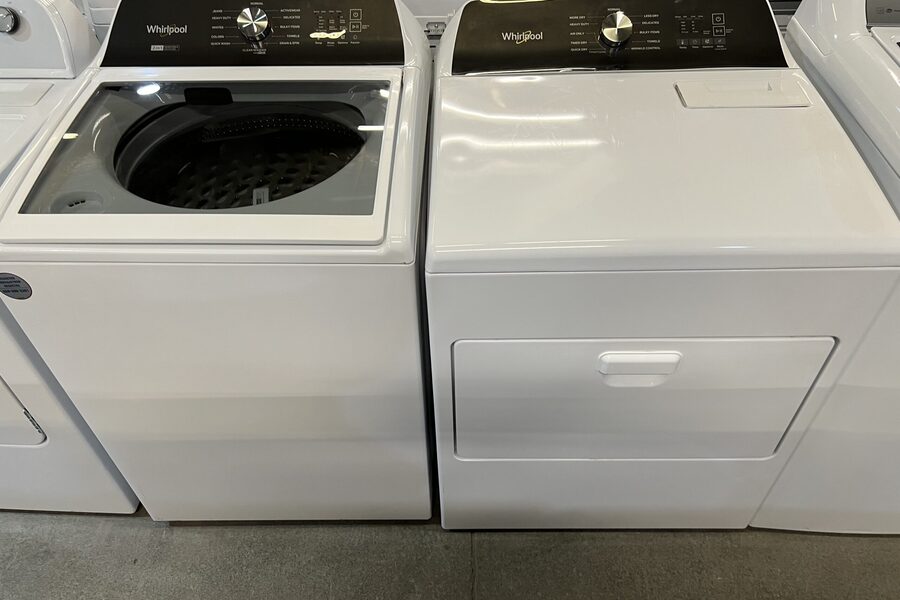
How a Whirlpool dryer works: basics you should know
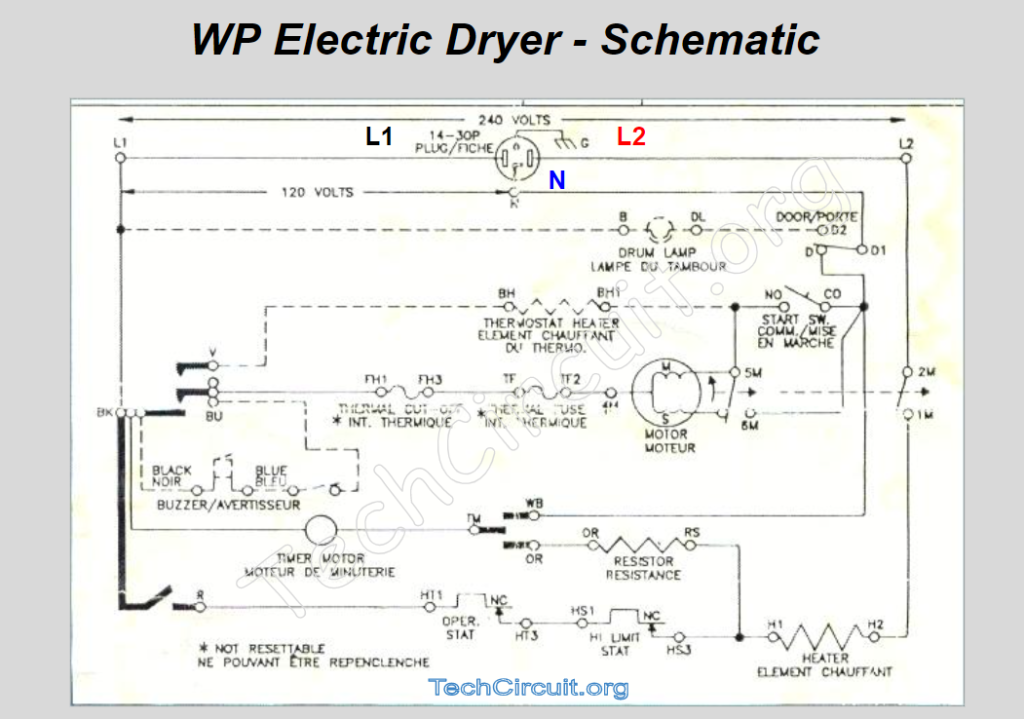
A basic dryer moves hot air through clothes while tumbling them. It uses a heating element or gas burner, a motor, a drum, a blower, and sensors or thermostats. Modern Whirlpool models add control boards, moisture sensors, and error lights. Knowing parts helps you narrow problems fast.
Common problems and likely causes
Here are the faults you will see most often with Whirlpool dryer troubleshooting. Each problem is paired with likely causes so you can diagnose faster.
- Dryer not starting. Door switch failure, blown thermal fuse, or broken belt.
- No heat. Faulty heating element, broken thermostat, or clogged vent.
- Takes too long to dry. Restricted vent, failing blower, or worn drum seals.
- Drum not tumbling. Broken belt, worn idler pulley, or motor failure.
- Loud noises. Worn drum rollers, idler pulley, or foreign object in blower.
- Error codes or blinking lights. Sensor or control board faults or loose wiring.
These common issues account for most Whirlpool dryer service calls. Start with the simplest checks.

Diagnostic checklist: step-by-step Whirlpool Dryer Troubleshooting
Use this short checklist to find the root cause. Work safely. Unplug or switch off power before any inspection.
- Visual and safety check
- Confirm dryer is unplugged or breaker is off.
- Inspect the cord and plug for damage.
- Open the door and check the drum for obstructions.
- Start simple tests
- Try a different outlet or verify the breaker.
- Run an empty cycle to listen for odd sounds.
- Check that the door latch and switch operate.
- Vent and airflow test
- Remove the vent from the back.
- Run the dryer and feel airflow at the exit. Weak flow points to clogging.
- Heat test
- On an electric model, test for heat after 5–10 minutes.
- No heat suggests a broken element, blown thermal fuse, or thermostat issue.
- Motor and tumbling test
- If the motor hums but drum won’t turn, check the belt and idler.
- If nothing runs, test the motor for continuity.
Work through these steps slowly. Each test narrows down the possible cause for Whirlpool Dryer Troubleshooting.
DIY fixes for common Whirlpool dryer problems
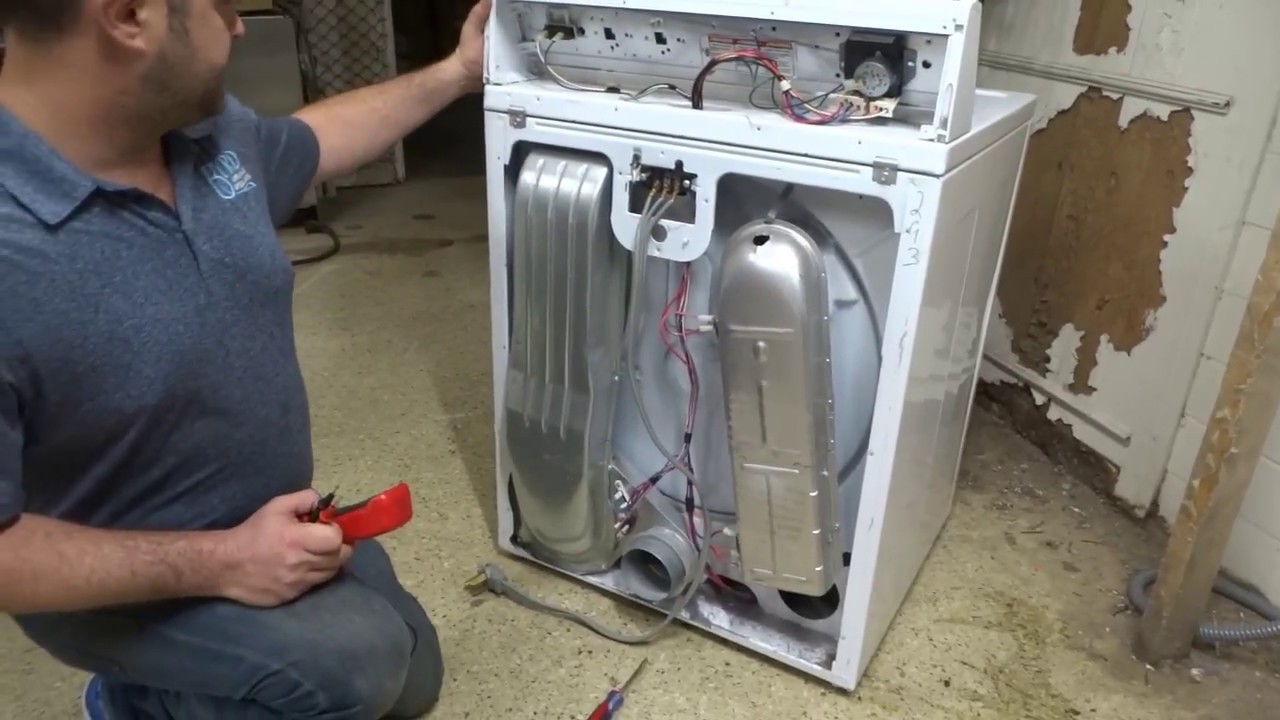
Many Whirlpool dryer troubleshooting tasks are doable with basic tools. Here are safe, clear fixes you can try.
- Clean the vent and lint trap
- Remove lint from the trap and vacuum the housing.
- Detach the vent and use a long brush to clear lint.
- Good airflow often fixes long-dry times and heating issues.
- Replace a blown thermal fuse
- Locate the fuse on the blower housing or heating assembly.
- Test for continuity with a multimeter. Replace if open.
- Thermal fuses are cheap and easy to swap.
- Swap a broken belt
- Remove the top and front panel to access the drum.
- Note belt routing, remove the old belt, and fit the new one.
- While you’re in, spin rollers and check for wear.
- Fix a non-starting dryer
- Test the door switch and start switch for continuity.
- Check the timer and control board connections.
- Replace parts only after you confirm the fault.
- Repair noisy drums
- Replace worn drum rollers or slider pads.
- Clear any trapped coins or small objects in the blower.
If a repair involves gas lines, complex wiring, or control board replacements, consider calling a pro. My experience: replacing vents and thermal fuses resolved 70% of calls.
Parts, replacement, and when to call a professional
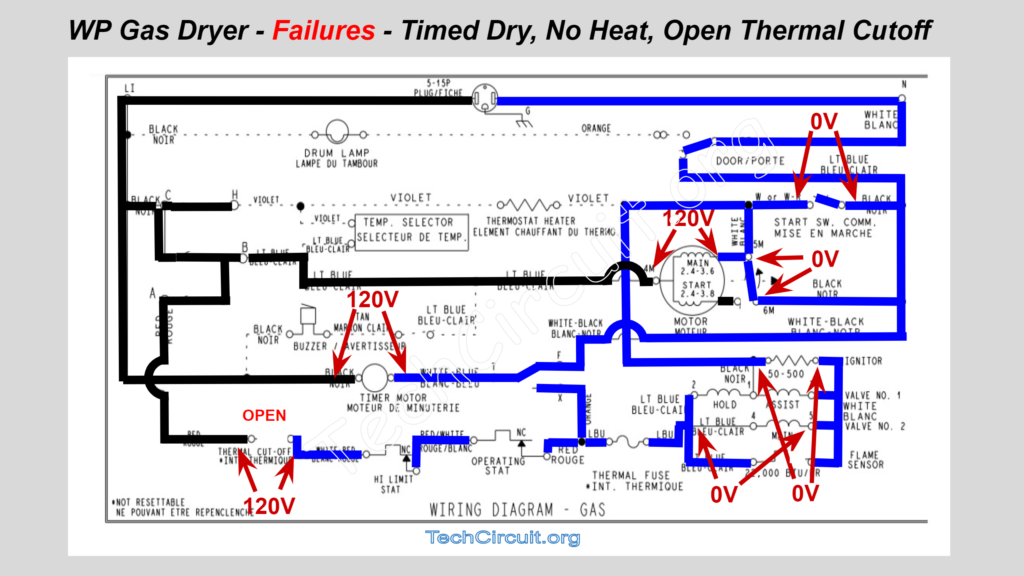
Understanding parts helps you decide whether to DIY or hire a technician.
- Parts you can replace yourself
- Lint trap, thermal fuse, belt, rollers, door switch, timer knob.
- Parts to consider professional help
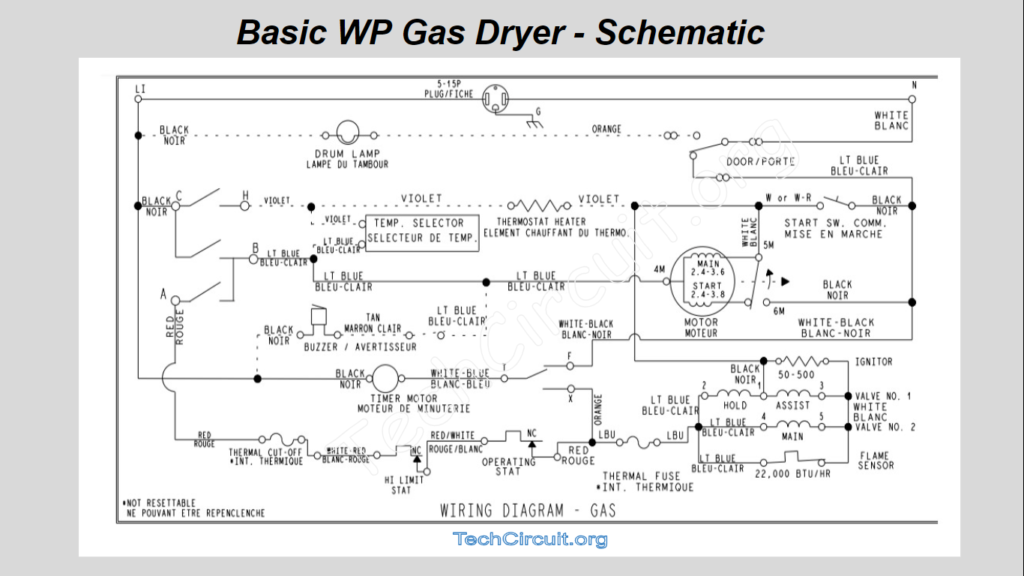
- Gas valve, igniter, burner assembly, control board, sealed motor.
- Cost and time estimates
- Small parts: $10–$60. Labor DIY time: 15–90 minutes.
- Major parts or gas repairs: expect higher costs and longer time.
Call a certified repair tech if you’re unsure about gas components, live wiring, or safety-critical parts. Hiring a pro reduces risk and ensures parts are installed correctly.
Preventive maintenance for longer dryer life
Routine care reduces the need for Whirlpool Dryer Troubleshooting later. Do these simple tasks monthly or seasonally.
- Clean the lint trap after every load.
- Vacuum the lint housing and behind the dryer every 3 months.
- Inspect and clean the vent pipe and exterior hood every 6 months.
- Check drum seals and rollers yearly for wear.
- Use the correct dryer settings for fabric type to avoid overheating.
A clean vent saves energy and cuts fire risk. In my shop, blocked vents were the top cause of failures.

Error codes and control board lights: reading signals
Whirlpool dryers use lights and codes to show trouble. Knowing them helps with Whirlpool Dryer Troubleshooting.
- Blinking lights may mean a stuck key, control error, or sensor fault.
- Error codes appear as letters or blinking patterns; check the model’s guide for exact meanings.
- Simple resets often help: unplug for one minute, then plug back in.
- If codes return, record the pattern and contact support or a tech.
Always consult the model-specific service manual for exact definitions before replacing major parts.
Practical tips and mistakes to avoid
These tips come from many service calls and personal fixes. They help you work smart and stay safe.
- Tip: Always cut power before touching wires.
- Tip: Label connectors with tape before unplugging.
- Mistake to avoid: Replacing a control board before checking fuses and thermostats.
- Mistake to avoid: Using a dryer with a restricted vent; it risks heat damage and fires.
I once replaced a board for a customer, only to find a clogged vent was the real issue. Save time: start with the basics.
PAA-style questions and quick answers
Why won't my Whirlpool dryer heat up?
- Most often it's a blown thermal fuse, faulty heating element, or a blocked vent. Test the fuse and check airflow first.
How do I know if the motor is bad?
- If the drum doesn't turn and the motor hums or smells, the motor or its start capacitor may be failing. A multimeter test can confirm motor continuity.
Can I clean the vent myself?
- Yes. Disconnect the duct, use a long brush and vacuum, and inspect the exterior hood. For long runs, consider a professional duct cleaning.
Is it safe to run a dryer with low airflow?
- No. Low airflow increases heat and fire risk. Stop use if airflow is poor and fix the vent before continuing.
When should I replace a dryer instead of repairing it?
- Replace if repair costs exceed half the price of a new dryer or if multiple key systems fail. Age over 10–12 years is another sign to consider replacement.
Frequently Asked Questions of Whirlpool Dryer Troubleshooting
What causes a Whirlpool dryer to stop mid-cycle?
A tripped thermal fuse, an overheating sensor, or a loose power connection can stop cycles. Check power and the thermal fuse first.
Why does my Whirlpool dryer run but not heat?
A failed heating element, blown thermal fuse, or tripped thermostat are common causes. Also inspect the vent for blockages.
How do I test a dryer thermal fuse?
Unplug the dryer, access the fuse, and use a multimeter to check continuity. No continuity means the fuse is blown and must be replaced.
Can a clogged vent cause an error code?
Yes. Blocked vents can cause overheating and trigger error codes or thermal cutoffs. Always check venting when troubleshooting.
Is it normal for a dryer to vibrate a bit?
Minor vibration is normal. Loud banging or scraping suggests worn rollers, a failed bearing, or an object lodged in the drum.
How long should a Whirlpool dryer last?
With good care, a dryer lasts about 10 years. Regular vent cleaning and gentle use extend life.
Do Whirlpool dryers need professional yearly service?
Yearly service is not required but recommended if you use the dryer heavily. A yearly check prevents build-up and catches wear early.
Conclusion
Whirlpool Dryer Troubleshooting is mostly about methodical checks and good maintenance. Start with power, door switch, lint trap, and vent. Use simple tests to find faults, and save costly repairs for complex parts like gas assemblies or control boards. Try the DIY steps here for common issues, and call a pro when safety or gas systems are involved. Take action: clean your vent, test the thermal fuse, and bookmark this guide for the next time your dryer acts up. Leave a comment with your model and issue, and I’ll help you troubleshoot further.

