

A Maytag Centennial washer is known for its reliability and affordability, but even the best machines can have problems. If your washer is not working as it should, you are not alone. Many people face issues with their Maytag Centennial washers, from not starting to making strange noises. The good news: Most problems are easy to solve at home without calling a repair technician. Understanding how to troubleshoot your washer can save time, money, and frustration.
This guide covers the most common Maytag Centennial washer problems, why they happen, and how to fix them. Whether you are new to washing machines or have years of experience, you will find clear steps and practical tips here. You will also see real examples and comparison tables to help you diagnose issues faster.

36% off Today’s Exclusive Deals
Limited-time Exclusive Deals. Check current discount on Amazon.
Check Price on Amazon As an Amazon Associate I earn from qualifying purchases.How The Maytag Centennial Washer Works
Before you start fixing problems, it helps to know the basics of how your washer works. The Maytag Centennial is a top-load washing machine with automatic cycles. It uses an electric motor to spin and agitate clothes, plus a water pump, control board, and sensors. The washer goes through several stages: filling, washing, rinsing, spinning, and draining.
Each stage depends on parts like the lid switch, water inlet valve, and drive belt. If one part fails, the whole cycle may stop or behave strangely. Knowing these basics makes it easier to find where a problem starts.
Key Components Of The Maytag Centennial Washer
| Part | Main Function | Common Issues |
|---|---|---|
| Control Board | Controls all cycles and signals | Cycle not starting, error codes |
| Lid Switch | Detects if lid is closed | Washer won’t start or spin |
| Water Inlet Valve | Lets water in/out of washer | No water, slow fill, leaking |
| Drive Belt | Turns drum during spin and wash | No spinning, noise |
| Pump | Drains water after wash | Not draining, water left in tub |
Diagnosing Common Maytag Centennial Washer Problems
When your washer acts up, the first step is to notice exactly what is wrong. Here are the most frequent issues people see, with advice on how to identify them.
Washer Will Not Start
If your Maytag Centennial will not start at all:
- Check Power – Make sure the washer is plugged in and the outlet works.
- Inspect the Lid Switch – The machine will not run if the lid is open or the switch is broken.
- Control Panel Errors – Look for blinking lights or error codes.
- Reset the Washer – Unplug for one minute, then plug back in.
Sometimes, the problem is as simple as the lid not closing fully or a tripped circuit breaker. If the machine still does not start, the control board or timer may need replacing.
Washer Not Spinning Or Agitating
If the washer fills with water but does not spin or agitate:
- Broken Lid Switch – The washer thinks the lid is open.
- Drive Belt Problem – The belt may be worn or slipped off.
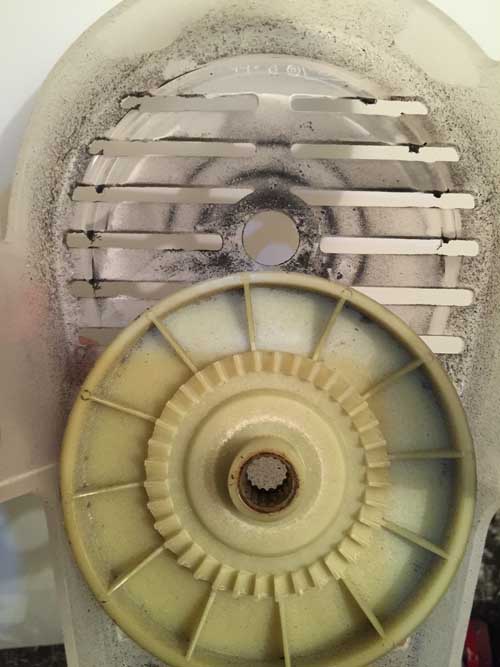
- Motor Coupling Damage – This part connects the motor to the washer. If broken, the drum will not turn.
Listen for any unusual sounds during the spin cycle. A humming noise without movement often means a drive belt or motor problem.
Washer Not Filling With Water
If your washer drum stays empty:
- Check Water Hoses – Make sure they are not kinked or blocked.
- Clean Inlet Filters – Small filters can clog easily, especially in hard water areas.
- Faulty Water Inlet Valve – If the valve is stuck or broken, water cannot flow in.
You can test the valve using a multimeter for continuity. Replacing a bad valve is usually simple and affordable.
Washer Not Draining
Water left in the drum after the cycle ends is a common issue. Causes include:
- Clogged Drain Pump – Coins, hairpins, or lint can block the pump.
- Blocked Drain Hose – Check for bends, kinks, or clogs.
- Pump Failure – If the pump motor fails, water will not leave the tub.
Unplug the washer, remove the drain hose, and look for any blockages. Sometimes, cleaning the pump filter solves the problem.
Excessive Vibration Or Noise
Strange sounds or shaking during wash cycles often mean something is loose or unbalanced:
- Uneven Loads – Too many or too few clothes can cause imbalance.
- Worn Suspension Rods – These hold the drum steady. If damaged, the washer shakes.
- Objects in Drum – Hard items stuck inside can bang during cycles.
Try redistributing clothes and running a spin cycle. If the problem continues, check the rods and drum for damage.
Washer Leaking Water
Leaks can be frustrating and lead to floor damage. Most leaks come from:
- Loose Hoses – Check all connections at the back of the machine.
- Damaged Door Seal – For top-load models, inspect the tub seal for cracks.
- Overuse of Detergent – Too much soap causes suds to overflow.
Use only HE (high-efficiency) detergent in the right amount. Inspect the water inlet valve and hoses for tiny leaks.

Step-by-step Troubleshooting Guide
You can solve many Maytag Centennial washer issues yourself with simple tools. Here is a step-by-step approach for common problems.
1. Washer Does Not Start
- Check power: Plug in another device to test the outlet.
- Inspect the lid switch: Push the lid down firmly. Listen for a click. No click means the switch may be broken.
- Reset the control panel: Unplug the washer for 1 minute and plug it back in.
- Examine the fuse or breaker: Reset if tripped.
If all else fails, the control board or timer may be at fault.
2. Washer Not Filling
- Turn off water supply: Disconnect hoses at the back.
- Clean inlet screens: Use a small brush to remove debris.
- Reconnect and test: Turn water on and check for leaks.
- Replace water valve: If water still will not flow, install a new valve.
3. Washer Not Spinning
- Open the lid: Make sure nothing blocks the drum.
- Check the drive belt: Remove the back panel and see if the belt is loose or broken.
- Replace belt if needed: Belts are inexpensive and easy to install.
- Inspect motor coupling: If the belt is fine, the coupling may be worn.
4. Washer Not Draining
- Unplug washer: Always disconnect power before checking.
- Remove drain hose: Look for clogs or obstructions.
- Check the pump: Open the front panel and inspect the pump for debris.
- Test the pump: Spin the impeller by hand. If stuck, replace the pump.
5. Washer Leaking
- Check hose connections: Tighten any loose connections.
- Inspect tub seal: Look for cracks or worn spots.
- Reduce detergent: Too many suds can cause leaks.
If leaks continue, the water inlet valve or tub may need repair.
Error Codes: What They Mean
Modern Maytag Centennial washers show error codes when something is wrong. These codes help you find and fix problems faster. Here are the most common error codes and what they mean:
| Error Code | Problem | What to Check |
|---|---|---|
| F1/E2 | Control board fault | Reset machine; replace control board if needed |
| F7/E1 | Motor issue | Check drive system, belt, and motor connections |
| F8/E1 | Low water flow | Clean water inlet screens, check valve |
| F9/E1 | Drain problem | Check drain hose, pump, and filter for blockages |
| F5/E2 | Lid lock fault | Inspect lid switch, clean latch area |
Always unplug your washer before inspecting parts. Clearing the error code may require running a reset cycle.
Preventing Common Problems
Prevention is the best way to avoid expensive repairs. Here are practical steps to keep your Maytag Centennial washer running well:
- Clean the machine monthly – Run a cleaning cycle with washer cleaner or vinegar.
- Use the right detergent – Only use HE detergent and measure carefully.
- Do not overload – Follow the recommended load size.
- Check hoses regularly – Look for cracks or leaks.
- Clean filters and dispensers – Prevents clogs and keeps water flowing.
Small habits can make a big difference in the lifespan of your washer.
When To Call A Professional
Sometimes, DIY fixes are not enough. Call a professional if:
- The washer trips the circuit breaker or smells like burning.
- There are repeated error codes after resets.
- The control board or motor needs replacement.
- You see water damage inside the machine.
If your washer is under warranty, repairs may be free or discounted. Always check with Maytag or a certified technician before major repairs.
Comparing Diy And Professional Repair
Many people wonder whether to fix washer problems themselves or call for help. Here is a quick comparison:
| Fix Type | Cost | Time Needed | Risk |
|---|---|---|---|
| DIY (simple issues) | Low ($0-$30) | 30-90 minutes | Low if following guides |
| DIY (complex issues) | Medium ($30-$100) | 2-4 hours | Medium – may void warranty |
| Professional Repair | High ($100-$300+) | 1-2 days (scheduling) | Low – covered by warranty |
For issues like cleaning filters, changing hoses, or tightening parts, DIY is usually safe. For electrical, motor, or control board problems, a professional is a safer choice.
Pro Tips For Troubleshooting Success
- Take pictures before removing any parts. This helps you put everything back correctly.
- Label screws and connectors with tape or small bags.
- Use only genuine Maytag parts to avoid voiding your warranty.
- Keep the manual handy – It has specific information for your model.
Many beginners forget to check the machine’s balance after repairs. Always run a short cycle with no clothes to confirm the issue is fixed and the washer is stable.
Hidden Issues Beginners Often Miss
Some washer issues are not obvious, but can cause recurring problems:
- Loose wiring connections – Wires under the washer can loosen due to vibration. Check connections if you see intermittent faults.
- Faulty water level sensor – If the washer overfills or underfills, the sensor may be dirty or broken. Cleaning it can restore normal function.
Both issues can be checked at home with basic tools. If you see random error codes or water problems, look at these areas.
Where To Find Replacement Parts
Getting the right part is key for a successful repair. Use the model number (usually found under the lid or on the back panel) to order parts. You can buy from:
- Maytag official website
- Appliance parts stores
- Trusted online retailers
Avoid off-brand parts unless you know they are compatible. Always compare prices and check return policies.
For more details on part numbers and compatibility, the official Maytag site offers a searchable database: Maytag Parts.
Frequently Asked Questions
Why Does My Maytag Centennial Washer Keep Going Out Of Balance?
The most common reason is uneven loads. Make sure you spread clothes evenly in the drum. Washing one heavy item, like a rug, can also cause imbalance. Worn suspension rods or feet can add to the problem.
How Do I Reset My Maytag Centennial Washer?
To reset, unplug the washer for one minute, then plug it back in. Open and close the lid six times within 12 seconds. This resets the control board and clears most error codes.
What Should I Do If My Washer Smells Bad?
Odors usually come from mold or detergent buildup. Run a cleaning cycle with washer cleaner or two cups of white vinegar. Leave the lid open between washes to let the drum dry out.
Can I Use Regular Detergent In My Centennial Washer?
No, always use HE (high-efficiency) detergent. Regular soap makes too many suds, which can damage the washer and cause leaks or error codes.
How Long Does A Maytag Centennial Washer Last?
With good care, these washers often last 10 years or more. Maintenance, like regular cleaning and not overloading, helps your machine reach its full lifespan.
A Maytag Centennial washer can handle years of heavy use if you troubleshoot problems early and take care of basic maintenance. Most issues are simple to fix, and knowing what to look for can save you time and money. If you ever feel unsure, do not hesitate to contact a professional or check the user manual for guidance.
With the right approach, your washer will keep running smoothly for years to come.

