

A working ice maker is a small kitchen luxury that most people only notice when it fails. If your Maytag ice maker is not making ice, the problem can quickly become frustrating. Whether you see no ice, too much ice, or cubes stuck together, knowing how to troubleshoot common issues can save time and money. Instead of waiting days for a service technician, you can often fix the problem yourself with a few simple checks. This guide covers the most frequent Maytag ice maker problems, how to diagnose them, and practical steps to restore smooth operation.
How A Maytag Ice Maker Works
Understanding the basic function of your ice maker can help when things go wrong. Most Maytag refrigerators use an automatic ice maker. Here’s how it works:

36% off Today’s Exclusive Deals
Limited-time Exclusive Deals. Check current discount on Amazon.
Check Price on Amazon As an Amazon Associate I earn from qualifying purchases.- Water Fill: The ice maker receives water through a small inlet valve connected to your home’s water supply.
- Freezing: Water is poured into ice molds and frozen by the freezer.
- Harvesting: A built-in thermostat senses when the ice is ready. A motorized arm pushes the ice cubes into the storage bin.
- Repeat Cycle: The process repeats as long as there is space in the bin and the ice maker is turned on.
Knowing these steps helps you pinpoint which stage is causing trouble.
Common Maytag Ice Maker Problems
Some issues are more frequent than others. Each problem usually points to a specific cause.
Ice Maker Not Making Ice
If your ice maker isn’t producing any ice, start by checking these areas:
- Power connection: Make sure the ice maker is turned on and properly connected.
- Water supply: Check that the water line is not kinked or blocked.
- Freezer temperature: The ideal is between 0°F and 5°F (-18°C to -15°C). Warmer temperatures can prevent ice production.
- Control arm: Some models have a wire arm that stops ice production when the bin is full. Make sure it’s in the “down” position.
Ice Maker Making Small Or Hollow Ice Cubes
Small, thin, or hollow cubes are often caused by low water pressure or a partially clogged filter. If the cubes are mostly air, the water fill cycle may be too short or the water filter may need replacing.
Ice Maker Not Ejecting Ice
Sometimes the ice is made but stays stuck in the mold. This can happen if:
- The ejector arm is blocked by ice buildup.
- The motor or gears inside the ice maker are faulty.
- The ice cubes are frozen together due to high humidity.
Ice Maker Leaking Water
Leaks are often due to:
- Improperly installed water line.
- Cracked ice mold.
- Water inlet valve not closing fully.
Ice Maker Producing Too Much Ice
If you notice an overflowing bin, the shutoff arm could be stuck, or the sensor that detects a full bin may be malfunctioning.

Step-by-step Troubleshooting Guide
Now, let’s walk through practical troubleshooting steps for each of these common problems.
1. Verify Power And Settings
- Make sure your refrigerator is plugged in and turned on.
- Check the ice maker switch (often located on the side of the ice maker or control panel). It should be in the ON position.
- For ice makers with a wire arm, ensure it’s not stuck in the OFF (up) position.
2. Check The Water Supply
A blocked or disconnected water line is a frequent culprit.
- Inspect the back of your refrigerator for kinks or damage in the water line.
- Make sure the water supply valve is fully open.
- Test water flow by pressing the water dispenser. If the flow is weak, the supply line or filter may need attention.
3. Inspect And Replace The Water Filter
A clogged water filter can reduce water flow to the ice maker.
- Most manufacturers recommend changing the filter every 6 months.
- Locate your filter (often in the refrigerator compartment).
- Replace it according to your owner’s manual.
4. Adjust Freezer Temperature
Use a thermometer to check your freezer’s temperature. Adjust the dial if needed to keep it between 0°F and 5°F. Overloading the freezer can restrict airflow, so avoid blocking vents.
5. Examine The Ice Bin And Ejector Arm
- Remove the ice bin and look for jammed cubes or frost buildup.
- Clear any stuck ice and wipe away frost.
- Check that the ejector arm moves freely.
6. Reset The Ice Maker
Some Maytag models have a reset button. If yours does, press and hold it for 10 seconds, or follow your manual’s instructions. This can resolve minor electronic glitches.
7. Inspect The Water Inlet Valve
If you’ve already checked the water supply and filter, the inlet valve could be the issue.
- The valve is usually located at the back, near the bottom of the fridge.
- Listen for a humming sound when the ice maker is trying to fill. Silence may indicate a faulty valve.
- A multimeter can test for continuity, but replacing this part is often best left to professionals.
8. Check For Ice Maker Freezing Up
If the ice maker itself is frosted over, unplug the refrigerator and let it defrost for a few hours. Remove any visible ice with a plastic utensil. Never use sharp objects that can damage the unit.
When To Call A Professional
While many issues can be fixed at home, some situations need expert help:
- Electrical faults: If you suspect wiring or control board problems.
- Water leaks inside walls: If you find water on the floor or behind the fridge.
- Repeated failures: If the same problem returns after troubleshooting.
Professional technicians have the tools and knowledge to safely replace complex parts or diagnose unusual problems.
Preventive Maintenance Tips
Regular care keeps your ice maker working longer and prevents future headaches.
- Change filters on schedule: Every 6 months or as recommended.
- Clean the ice bin: Wash with warm, soapy water every month to stop mold and odors.
- Inspect water lines: Look for leaks or mineral buildup twice a year.
- Defrost freezer: If frost builds up, manual defrost can help.
- Don’t overload freezer: Good airflow ensures proper ice production.
Practical Examples: Solving Real-life Maytag Ice Maker Issues
Let’s look at a few everyday scenarios:
- Example 1: The ice bin is empty, but water flows from the dispenser. The likely cause: the ice maker switch is off, or the control arm is stuck.
- Example 2: Ice cubes are small and cloudy. This points to a clogged water filter or low water pressure. Replace the filter and check your home’s water pressure.
- Example 3: Water leaks onto the freezer floor. Check the water inlet valve and ice mold for cracks or leaks.
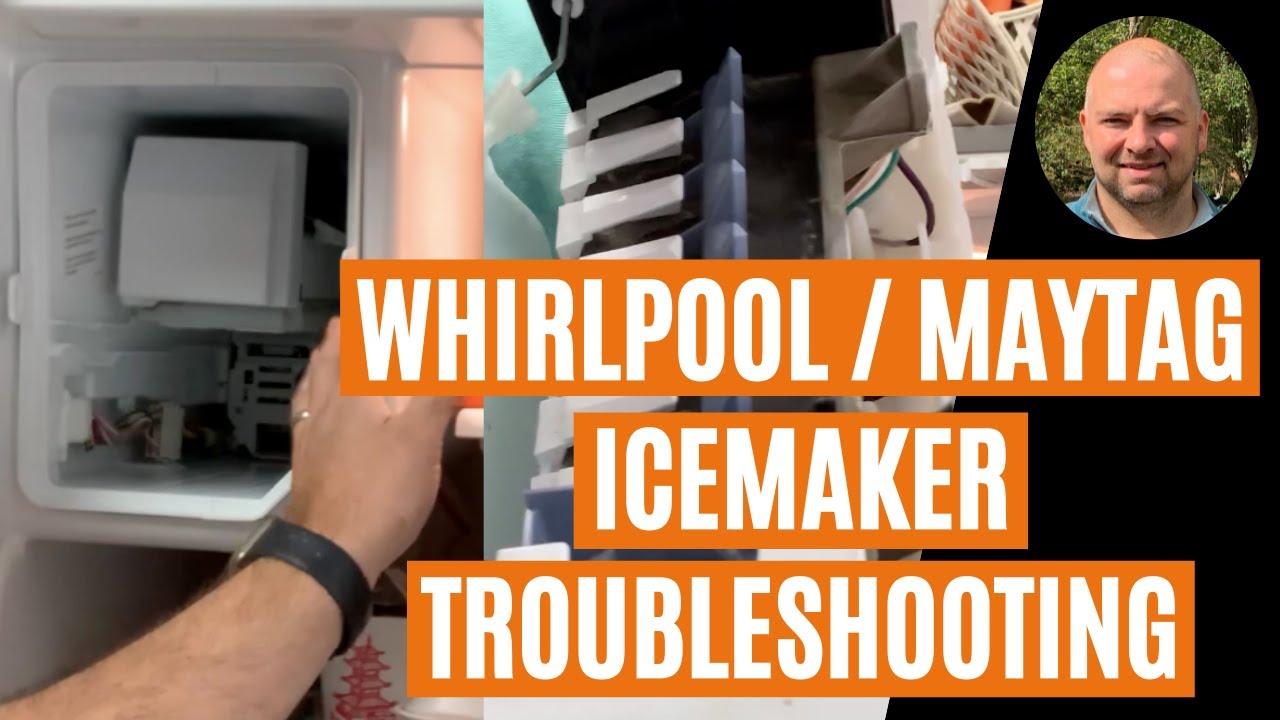
Comparison Of Common Maytag Ice Maker Problems And Fixes
Here’s a quick reference for the most frequent issues and their solutions:
| Problem | Likely Cause | Action |
|---|---|---|
| No ice production | Power off, water supply blocked, control arm up | Check settings, water line, and arm position |
| Small or hollow cubes | Clogged filter, low water pressure | Replace filter, check water supply |
| Ice not ejecting | Jam in bin, faulty motor/arm | Clear bin, test arm movement |
| Leaking water | Loose line, cracked mold, bad valve | Tighten/replace parts as needed |
| Too much ice | Stuck shutoff arm/sensor | Check arm/sensor, replace if faulty |
Maytag Ice Maker Models: Key Differences
Not all Maytag ice makers are the same. Here’s a snapshot of how some popular models differ:
| Model | Ice Production Rate | Ice Bin Capacity | Filter Location |
|---|---|---|---|
| MFI2570FEZ | 2.7 lbs/day | 4.2 lbs | Upper right, fridge compartment |
| MSS25N4MKZ | 3.0 lbs/day | 5.0 lbs | Base grille |
| MFI2269FRZ | 2.5 lbs/day | 4.0 lbs | Upper left, fridge compartment |
If you’re unsure of your model, check the label inside the refrigerator or your owner’s manual.
Advanced Troubleshooting: What Beginners Often Miss
Some ice maker problems are not obvious and can puzzle even careful owners.
- Water line airlocks: If air gets trapped in the line after a filter change, the ice maker may stop working. Dispense water for a few minutes to clear air pockets.
- Faulty door switches: Many models won’t make ice if the freezer door switch is broken, as it signals when the door is closed. If lights or fans aren’t working right, test the switch.
- Incorrect leveling: If the refrigerator isn’t level, water may not flow correctly into the ice molds, leading to leaks or poor ice formation. Use a bubble level to adjust the fridge feet.
These advanced checks can solve stubborn problems that basic troubleshooting misses.
When Replacement Is The Best Option
If your ice maker is more than 10 years old and repairs are frequent, replacing the entire ice maker may be the smarter financial choice. Newer models are more efficient, use less energy, and offer improved features like filtered ice and faster production.
Here’s a quick look at the cost comparison:
| Repair Type | Estimated Cost | When to Choose |
|---|---|---|
| Simple part replacement (e.g., filter, arm) | $20 – $80 | When unit is under 5 years old |
| Water inlet valve or motor | $80 – $200 | When rest of ice maker is in good shape |
| New ice maker unit | $150 – $400 | When repairs are frequent or unit is old |
Always compare repair costs to the price of a new ice maker before making your decision.

Where To Find Official Resources
If you need detailed diagrams or service manuals, check the official Maytag website or your refrigerator’s user guide. For more technical help, the Maytag support page offers step-by-step guides and parts information.
Frequently Asked Questions
Why Is My Maytag Ice Maker Making A Loud Noise?
A humming or buzzing sound is normal during the water fill cycle. However, loud grinding or clicking can mean the motor or ejector gears are failing. Remove the ice bin and inspect for jams or broken parts. If noises continue, contact a technician.
How Often Should I Change My Maytag Refrigerator Water Filter?
Change the water filter every 6 months or sooner if you notice reduced water flow, small ice cubes, or a bad taste. Some models have a filter status light as a reminder.
My Ice Tastes Bad Or Smells Funny. What Should I Do?
Strange-tasting ice is usually caused by a dirty filter or ice bin. Replace the filter, clean the bin with warm water, and throw out old ice. Avoid storing strong-smelling foods uncovered in the freezer.
The Ice Maker Is Freezing Up. How Can I Fix This?
If your ice maker is frosted over, unplug the fridge and let it defrost. Clean away ice buildup with a plastic tool. Make sure the freezer temperature is not set too low.
Can I Run My Maytag Refrigerator Without The Ice Maker?
Yes, your refrigerator will work without the ice maker. If you don’t need ice, simply turn off the ice maker switch or lift the control arm. You can even remove the ice maker if you need more freezer space.
Reliable ice is more than a convenience—it’s part of daily life. With the right troubleshooting steps, you can fix most Maytag ice maker problems yourself. Stay proactive with maintenance, and your ice maker will keep working for years to come.

