

Quick fix: Most retractable screen door issues stem from dirty tracks, misaligned guides, or weakened springs.
I’ve spent years installing and repairing retractable screens, and I’ll walk you through a clear, practical Retractable Screen Door Troubleshooting guide. This article covers causes, step-by-step fixes, maintenance tips, and when to call a pro. Read on to solve common problems fast and keep your screen working smoothly.

36% off Today’s Exclusive Deals
Limited-time Exclusive Deals. Check current discount on Amazon.
Check Price on Amazon As an Amazon Associate I earn from qualifying purchases.
Understanding retractable screen door basics
A retractable screen door rolls into a slim cassette when not in use. It uses a spring, tracks, and a latch or magnet to hold the screen open or closed. Knowing these parts helps with Retractable Screen Door Troubleshooting.
I often tell new owners to first watch the screen move. That simple check shows whether the problem is mechanical, alignment, or wear. This saves time and prevents unnecessary parts replacements.
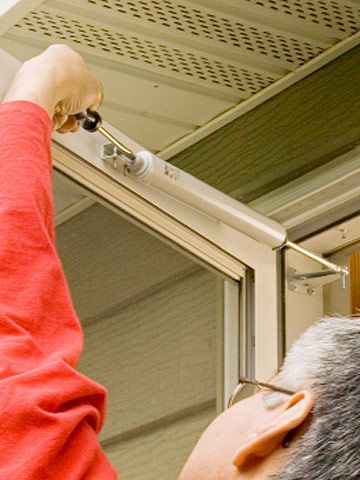
Common problems and causes
Here are the issues you will see most during Retractable Screen Door Troubleshooting:
- Screen won’t retract
- Spring tension, debris in track, or a jam can stop retraction.
- Screen drags or sticks
- Dirt, bent tracks, or misaligned guides often cause dragging.
- Screen sags or has wrinkles
- A weak spring or loose cable can make the screen sag.
- Screen tears or holes
- Wear, pets, or sharp objects create rips that need patching.
- Handle or latch failure
- Worn latches, magnets, or misalignment cause poor closure.
Each problem has a few likely causes. I recommend checking the easy items first. This is the fastest way to fix most issues.

Tools and safety for troubleshooting
You don’t need a full workshop. These tools often handle Retractable Screen Door Troubleshooting:
- Phillips and flathead screwdrivers for fasteners
- Needle-nose pliers for small clips and pins
- Soft brush or vacuum for cleaning tracks
- Silicone spray or light lubricant for metal parts
- Replacement springs, clips, or screen material as needed
- Masking tape and marker for alignment checks
Safety tips:
- Work with the screen partially retracted to reduce spring tension risk.
- Wear gloves and eye protection when handling springs or sharp edges.
- Follow manufacturer warnings when adjusting tension or removing the cassette.

Step-by-step troubleshooting guide
Follow this order to diagnose most issues quickly.
- Visual inspection
- Look for obvious tears, bent tracks, or loose screws.
- Clean tracks
- Remove dirt and debris with a brush or vacuum.
- Check alignment
- Verify the screen sits evenly in the top and bottom guides.
- Test retraction
- Pull the screen slowly to feel for snags or sudden resistance.
- Adjust tension
- If the screen sags, increase the spring tension per the maker’s instructions.
- Replace worn parts
- Swap damaged rollers, guides, or springs as needed.
I once fixed a screen that wouldn’t retract by simply cleaning grit from the bottom track and tightening two screws. Quick checks like that save time and money.
People also ask
How do I reset a retractable screen door spring?
Release the tension carefully, remove the cassette end cap, and manually wind the spring per the manufacturer’s steps. Work slowly and secure the spring before reassembly.
Why does my retractable screen flap in the wind?
Check that magnets, latches, or side retention clips are engaged and that the screen is fully seated in the guides. Adding a bottom latch or stronger magnets often stops flapping.

Fixes for specific issues
Here are concrete fixes for common failures encountered during Retractable Screen Door Troubleshooting.
Screen won’t retract
- Clean the track thoroughly.
- Check for torn mesh caught in the roller.
- Inspect the cassette for bent parts.
- Replace or re-tension the spring if it has lost power.
Screen drags or sticks
- Remove debris and check for dents in the track.
- Realign or replace worn guide strips.
- Use a silicone spray on metal tracks, avoiding the mesh.
Screen sagging or wrinkling
- Increase spring tension slightly, one click at a time.
- Replace frayed or stretched cables.
- Ensure the screen is anchored correctly at the bottom.
Screen tears and patches
- Small holes: use a mesh repair patch or adhesive patch.
- Large tears: replace the screen fabric or the entire cassette if fabric is bonded.
- Trim frayed edges and re-tension after repair.
Handle, latch, and magnet problems
- Tighten mounting screws and realign the latch.
- Replace weak magnets or worn handles.
- Add a secondary latch for heavy-use doors.
When replacing parts, match sizes and materials. I learned this after ordering the wrong spring and wasting a weekend—measure twice before you buy.
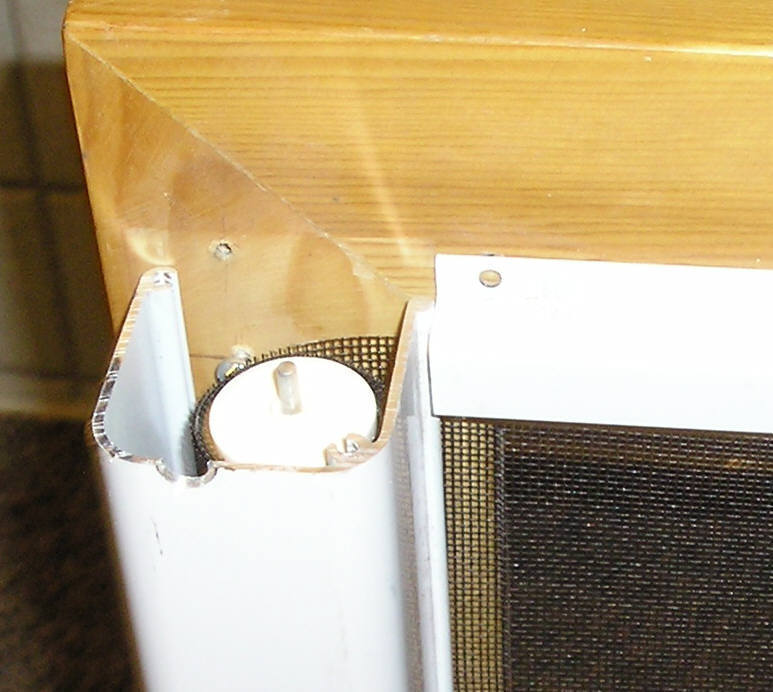
Maintenance tips to prevent future problems
Preventive care reduces repair time and extends life.
- Clean tracks monthly
- Dust and grit wear components fast.
- Lubricate moving parts twice a year
- Use silicone spray; avoid oil-based lubricants on mesh.
- Check tension quarterly
- Keep the spring strong but not over-wound.
- Inspect for wear after storms or heavy use
- Replace small parts early to avoid bigger failures.
- Train household members
- Teach gentle use: pull straight, don’t yank or twist.
Regular maintenance is the best step in any Retractable Screen Door Troubleshooting plan. It keeps the screen reliable and lowers repair costs.

When to call a pro
Call a professional for these situations:
- Broken or dangerously wound springs
- Complex cassette repairs or welded frames
- Replacing bonded mesh or major structural damage
- Persistent alignment issues after DIY fixes
A pro has the right tools and experience to handle high-tension springs and complex alignments. I always call a professional for spring work to avoid injury and ensure long-term reliability.
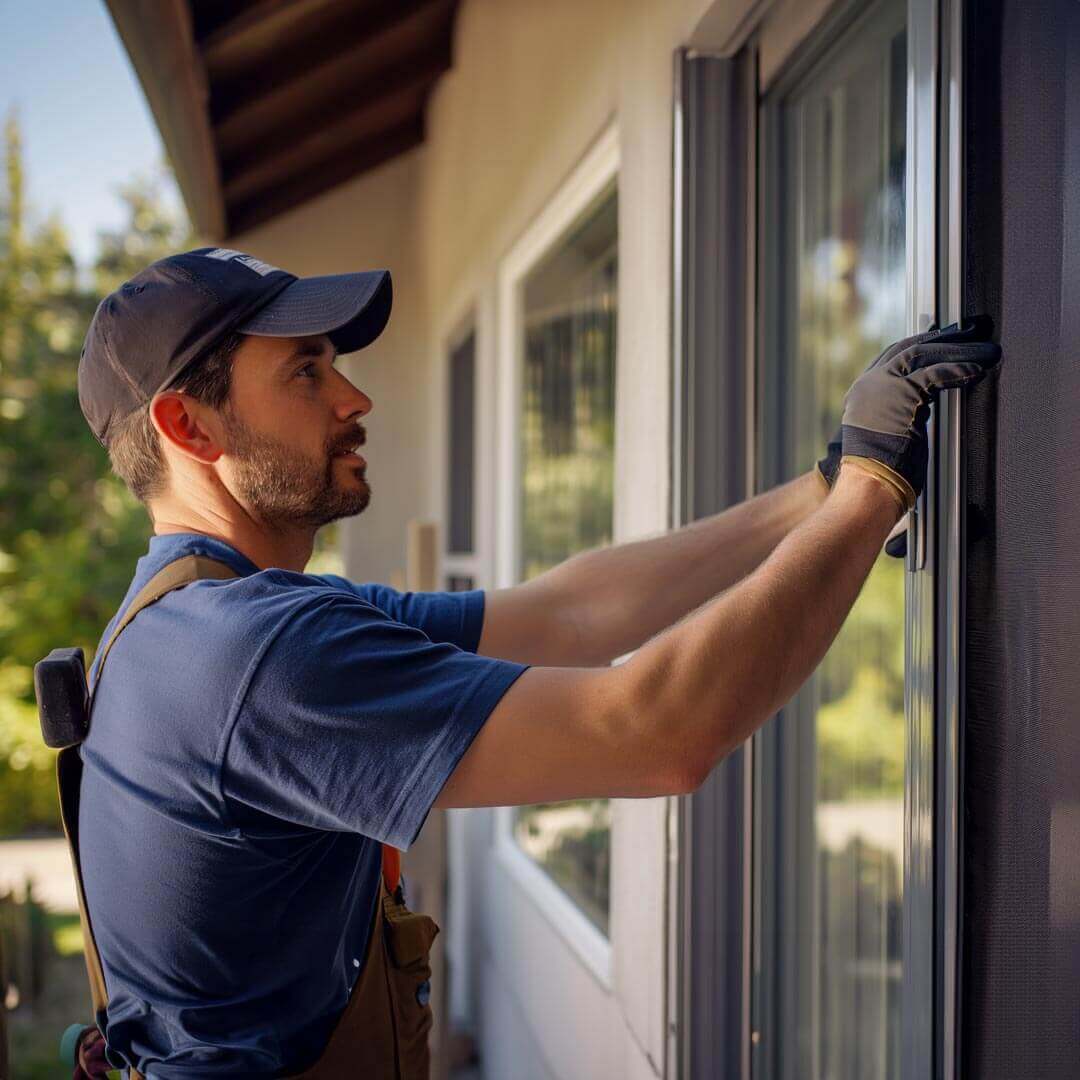
Frequently Asked Questions of Retractable Screen Door Troubleshooting
How do I know if the spring is bad?
A bad spring will cause sagging, slow retraction, or no retraction at all. If tension adjustments don’t help, the spring likely needs replacement.
Can I replace the screen fabric myself?
Yes, small screens are often DIY-friendly. Larger, bonded cassettes may require professional replacement to ensure correct tension and fit.
Why does my screen jam in the middle?
Middle jams usually come from debris, a misaligned guide, or a torn mesh caught in the roller. Clean the track and inspect the mesh and guides.
Is silicone spray safe for retractable screens?
Silicone spray is safe for tracks and metal parts and won’t attract dirt like oil-based lubricants. Do not spray mesh or fabric.
How often should I service my retractable screen?
Basic cleaning and checks every three months and a full inspection twice a year keeps problems small. Heavy-use doors may need more frequent attention.
Conclusion
Retractable Screen Door Troubleshooting becomes simple when you follow a clear process: inspect, clean, align, and adjust. Small fixes often solve most issues, and routine care prevents costly repairs. If a problem involves high spring tension or complex parts, call a professional for safety and a reliable fix. Try these steps, share your results, and consider subscribing or commenting with questions—your next fix could be one tip away.

