

Richmond Water Heater Troubleshooting
A reliable water heater is essential for daily comfort. Hot showers, clean dishes, and warm laundry depend on it working well. But when your Richmond water heater stops heating or behaves strangely, life gets uncomfortable fast. If you’re facing issues, don’t panic. Many problems are easy to diagnose and fix with a calm, practical approach. This guide will help you troubleshoot your Richmond water heater, whether it’s gas or electric, so you can restore hot water quickly—and avoid costly mistakes.
Understanding Your Richmond Water Heater
Before fixing anything, it’s helpful to know what you’re working with. Richmond makes both gas and electric water heaters, with several models for homes and businesses. Each type has unique parts and troubleshooting steps.

36% off Today’s Exclusive Deals
Limited-time Exclusive Deals. Check current discount on Amazon.
Check Price on Amazon As an Amazon Associate I earn from qualifying purchases.Gas Vs. Electric Water Heater Differences
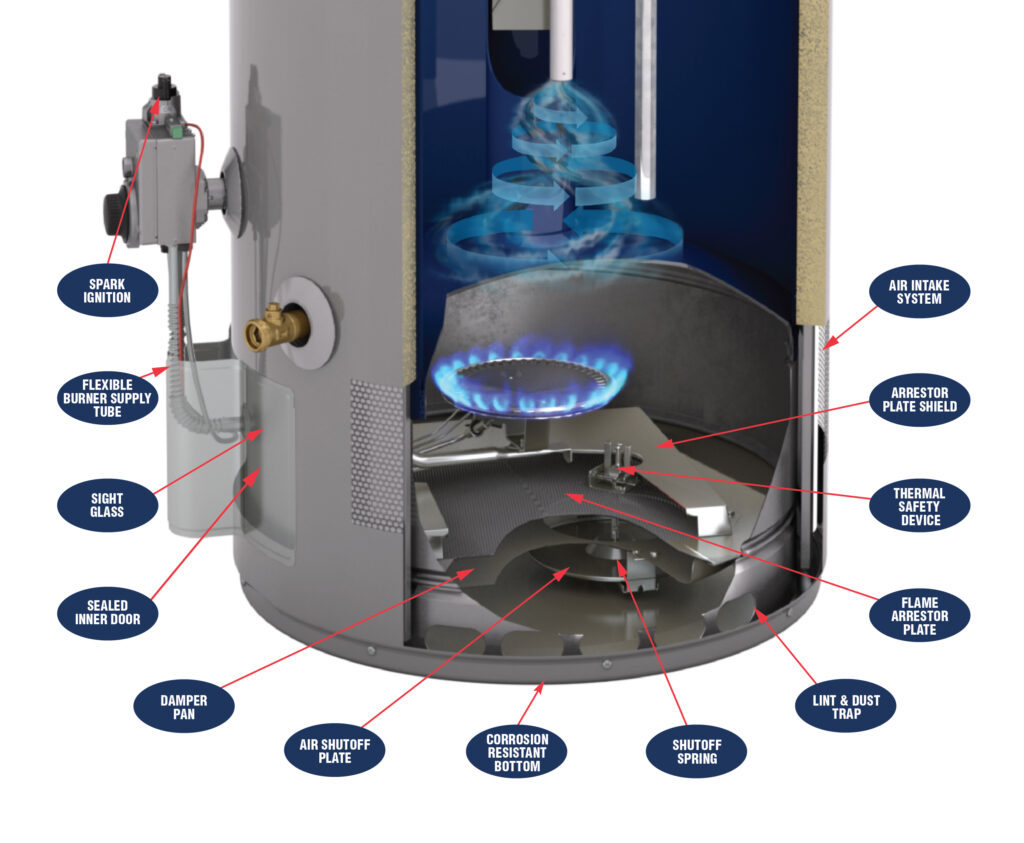
Gas heaters use a pilot light and burner to heat water. Electric heaters use heating elements inside the tank. Both have thermostats and safety controls. Knowing your heater’s type is important for safe troubleshooting.
| Feature | Gas Water Heater | Electric Water Heater |
|---|---|---|
| Heating Method | Burner & pilot light | Heating elements |
| Energy Source | Natural gas or propane | Electricity |
| Common Problems | Pilot light, gas valve, thermocouple | Heating element, thermostat, power supply |
| Maintenance Needs | Ventilation, gas safety | Element replacement, wiring check |
Common Richmond Water Heater Problems
Some issues come up often with Richmond water heaters. Identifying your problem helps you choose the right fix.
- No hot water
- Insufficient hot water
- Water too hot
- Strange noises
- Leaking tank or pipes
- Discolored or smelly water
- Pilot light won’t stay lit (gas models)
- Error codes or blinking lights
- Low water pressure
- Slow recovery time
Let’s explore each issue and how to troubleshoot it.
Fixing “no Hot Water” Issues
If your heater isn’t producing any hot water, check these areas first.
Electric Models
- Check power supply: Make sure the heater is plugged in and the breaker isn’t tripped. Reset the breaker if needed.
- Inspect heating elements: Richmond electric heaters usually have two elements. If one fails, water stays cold. Use a multimeter to check for continuity.
- Thermostat problems: Faulty thermostats can prevent heating. Replace if not working.
- High limit switch: If the heater overheats, this safety switch shuts it down. Press the reset button, often found behind a panel.
Gas Models
- Pilot light: If the pilot isn’t lit, the burner won’t fire. Relight the pilot following the manufacturer’s steps.
- Gas supply: Make sure the gas valve is on. If you smell gas, leave the area and call a professional.
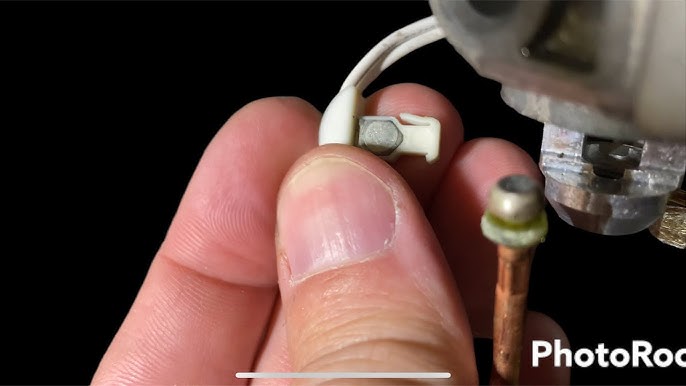
- Thermocouple: This safety device senses the pilot flame. If it fails, the heater won’t run. Replacing it is often easy.
- Burner issues: If the burner doesn’t ignite, check for blockages or a faulty gas valve.
Solving “insufficient Hot Water”
If the water gets warm but not hot, or runs out quickly, try these steps.
- Thermostat setting: Richmond heaters have adjustable thermostats. Set to 120°F for most homes. If too low, water isn’t hot enough.
- Sediment buildup: Minerals from water collect at the tank bottom, reducing heating and capacity. Drain and flush the tank every 6-12 months.
- Faulty heating element (electric): One element may be broken, so water heats halfway.
- Dip tube damage: This tube directs cold water to the tank bottom. If it cracks, cold water mixes at the top, lowering temperature.
Example: Sediment Impact
A study found that sediment buildup can reduce efficiency by up to 25%. Flushing the tank restores performance and extends lifespan.
When Water Is Too Hot
Scalding water is dangerous, especially for children and elderly. Adjust settings and check for control issues.
- Thermostat miscalibration: Turn the knob to a safer setting (120°F).
- Stuck thermostat: If adjusting doesn’t change water temperature, the thermostat may need replacement.
- Wiring faults (electric): Incorrect wiring can cause overheating.
Dealing With Strange Noises
Richmond water heaters sometimes make popping, hissing, or rumbling sounds.
- Sediment and mineral deposits: These cause popping as bubbles form under sediment.
- Expansion and contraction: Metal tanks expand as they heat, making creaking sounds.
- Loose parts: Screws or valves may vibrate. Tighten if needed.
How To Quiet Your Heater
Drain and flush the tank, then check for loose parts. Regular maintenance prevents most noise issues.
Stopping Leaks
Leaks can come from the tank, pipes, or valves. They may be minor or serious.
- Pressure relief valve: This safety valve releases water if pressure builds. If it leaks constantly, replace it.
- Loose fittings: Tighten connections around pipes and valves.
- Tank failure: If water leaks from the body of the tank, it’s often a sign of corrosion. You may need a new heater.
Leak Example
According to Energy.gov, a leaking water heater tank is rarely repairable. Replacement is usually required, especially after 8-12 years of use.
Fixing Discolored Or Smelly Water
Rusty, brown, or foul-smelling water isn’t just unpleasant—it may signal a problem.
- Anode rod failure: Richmond heaters use an anode rod to prevent corrosion. If it’s depleted, rust forms. Replace every 2-4 years.
- Bacteria growth: If water smells like rotten eggs, bacteria may be present. Flushing the tank and replacing the anode rod helps.
- Pipe corrosion: Old pipes can discolor water. If only hot water is affected, the heater may be the source.
| Water Problem | Likely Cause | Suggested Solution |
|---|---|---|
| Rusty water | Anode rod depleted | Replace anode rod |
| Rotten egg smell | Bacteria in tank | Flush tank, replace rod |
| Brown water | Sediment buildup | Flush tank |
Pilot Light Problems (gas Models)
If your Richmond gas water heater’s pilot light won’t stay lit:
- Drafts: Airflow can blow out the pilot. Shield the area or close nearby windows.
- Dirty pilot assembly: Clean with a brush or compressed air.
- Thermocouple failure: Replace if it doesn’t sense the flame.
- Gas valve issues: If gas flow is unreliable, replace the valve.
Non-obvious Insight
Many people overlook the importance of ventilation. Poor venting can cause the pilot to go out repeatedly. Make sure vents are clear and properly sized.
Error Codes And Blinking Lights
Modern Richmond heaters have LED indicators or digital displays. Error codes help pinpoint issues.
- Refer to manual: Each code means something specific. For example, “E01” may signal a thermostat fault.
- Reset controls: Sometimes, turning power off and on clears minor errors.
- Call for service: Persistent error codes may require professional help.
Example Error Codes
Richmond electric models often show blinking lights:
- Single blink: Normal operation
- Two blinks: Lower element fault
- Four blinks: High temperature cutoff
Always check your model’s guide for accurate meanings.
Low Water Pressure
If hot water flows weakly from taps:
- Sediment in tank or pipes: Flush the tank and clean aerators.
- Partially closed shutoff valve: Open fully.
- Pressure regulator fault: If your home uses a regulator, check for proper adjustment.
Slow Recovery Time
If your Richmond heater takes too long to reheat water:
- Wrong heater size: If your tank is too small, recovery is always slow. Upgrade if needed.
- Sediment buildup: Slows heating by insulating elements.
- Faulty element or burner: Replace if not working efficiently.
Real Example
A family with a 40-gallon heater often runs out of hot water after two showers. Upgrading to a 50-gallon model solved their recovery problem.
Preventive Maintenance Tips
Preventing issues is easier than fixing them. Follow these maintenance steps:
- Flush the tank every 6-12 months to remove sediment.
- Check the anode rod annually; replace if worn.
- Inspect thermostats and elements for electric models.
- Clean burner and pilot assembly for gas models.
- Check all valves and connections for leaks or corrosion.
- Test pressure relief valve by lifting the lever.
- Look for error codes and address them promptly.
Regular care extends your Richmond water heater’s life and prevents costly breakdowns.
Troubleshooting Steps For Richmond Water Heaters
Here’s a practical troubleshooting process for most Richmond water heater problems.
Step-by-step Guide
- Identify the problem: Is it no hot water, leaks, strange noises, or something else?
- Turn off power/gas: Always start safely. For electric heaters, turn off the breaker. For gas, shut the gas valve.
- Check visible parts: Look for leaks, loose wires, or signs of corrosion.
- Test components: Use a multimeter for electric elements and thermostats; check pilot and thermocouple for gas models.
- Flush the tank: Remove sediment by draining several gallons.
- Replace faulty parts: Anode rods, thermostats, heating elements, or thermocouples are often easy to change.
- Restore power/gas: After repairs, turn everything back on and observe performance.
- Monitor for improvement: If issues persist, consider professional help.
Common Mistakes To Avoid
- Ignoring safety: Always shut off power/gas before repairs.
- Skipping regular maintenance: Neglecting flushing or checking the anode rod leads to faster breakdowns.
- Using wrong parts: Richmond heaters require specific replacements. Check model numbers.
- Overlooking venting (gas): Poor ventilation can cause repeated pilot outages.
When To Call A Professional
Some problems require expert help, especially if you’re unsure or uncomfortable.
- Gas leaks: If you smell gas, leave immediately and call emergency services.
- Major leaks: If the tank itself leaks, replacement is usually needed.
- Electrical issues: If you see burnt wires or smell burning, call a licensed electrician.
- Persistent error codes: Digital controls sometimes need specialized tools.
- Complex repairs: If troubleshooting doesn’t fix the problem, don’t risk safety.
Licensed plumbers and electricians know Richmond water heaters well and can ensure safe, reliable repair.
Richmond Water Heater Lifespan And Replacement
Richmond heaters last 8-12 years on average, depending on use and maintenance. Signs it’s time for a new unit:
- Frequent leaks
- Rusty water despite new anode rod
- Noisy operation despite flushing
- Slow recovery even after repair
- Repeated pilot light issues (gas)
Upgrading brings better efficiency and reliability.
| Age of Heater | Condition | Recommended Action |
|---|---|---|
| Under 5 years | Minor issues | Repair or maintain |
| 6-12 years | Frequent problems | Consider replacement |
| Over 12 years | Leaks, rust | Replace heater |
Safety Precautions For Richmond Water Heater Repairs
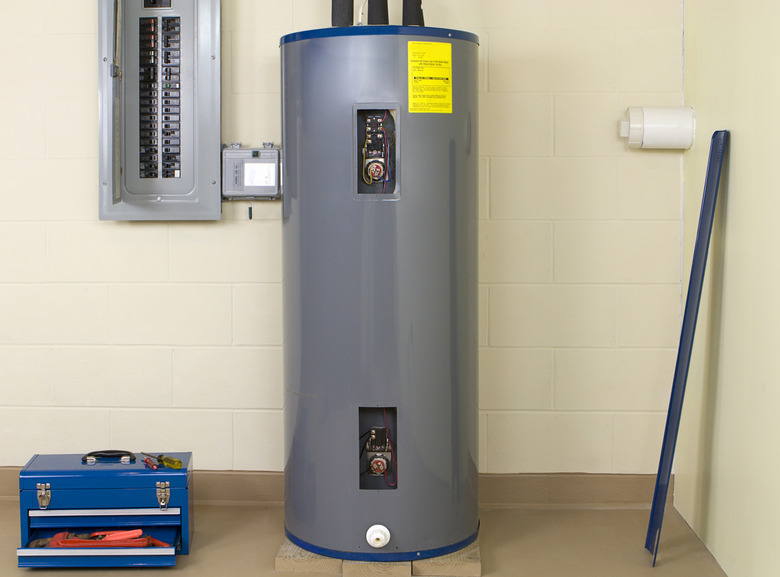
Safety should always come first. Richmond heaters use high voltage and gas—both dangerous if mishandled.
- Turn off power/gas before opening panels or replacing parts.
- Wear gloves and eye protection when draining or flushing tanks.
- Ventilate the area for gas models.
- Use tools carefully and avoid forcing parts.
- Read the manual for your specific model.
If you’re unsure, call a professional. Never risk injury for a DIY fix.
Choosing Replacement Parts For Richmond Water Heaters
If your troubleshooting points to a broken part, choose replacements carefully.
- Model-specific parts: Richmond heaters have unique elements, thermostats, and rods. Check your model and serial number.
- Quality matters: Use genuine Richmond or high-quality aftermarket parts.
- Warranty: Installing unapproved parts can void your warranty.
Non-obvious Insight
Many beginners buy universal parts and struggle with fit. Always match the part number to your heater for best results.
Environmental And Efficiency Considerations
Richmond water heaters are designed for efficiency, but problems can waste energy.
- Sediment buildup increases heating costs by up to 15%.
- Old heaters lose efficiency with age.
- Proper maintenance reduces energy use and saves money.
If your heater is old or inefficient, consider a ENERGY STAR® certified model for better savings.
Useful Resources For Richmond Water Heater Owners
For more detailed support and manuals, visit the Richmond official website. You can also find troubleshooting videos, parts lists, and warranty information.
For safety and maintenance tips, see the US Department of Energy’s water heating page: Energy Saver.
Frequently Asked Questions
What Is The Average Lifespan Of A Richmond Water Heater?
Most Richmond water heaters last 8 to 12 years. With regular maintenance—like flushing the tank and replacing the anode rod—they may last longer. Signs of age include leaks, rusty water, and slow heating.
How Often Should I Flush My Richmond Water Heater?
Flushing every 6 to 12 months is recommended. This removes sediment and minerals, improving efficiency and preventing damage. If you have hard water, flush more often.
Why Does My Richmond Gas Water Heater’s Pilot Light Keep Going Out?
Drafts, a dirty pilot assembly, or a faulty thermocouple are common causes. Make sure the area is draft-free and clean the pilot. If the problem continues, replace the thermocouple.
Can I Use Universal Parts For Richmond Water Heater Repairs?
It’s best to use model-specific parts. Universal parts may not fit or work properly, and using them can void your warranty. Always check your heater’s model number when buying replacements.
Is It Safe To Repair My Richmond Water Heater Myself?
Basic tasks like flushing and replacing the anode rod are safe if you follow instructions. For gas leaks, electrical issues, or complex repairs, call a licensed professional. Always turn off power and gas before starting work.
If you follow these troubleshooting steps, your Richmond water heater will provide reliable hot water for years. Regular maintenance and careful repairs prevent most problems, saving you money and hassle. Remember—safety first, and don’t hesitate to seek expert help when needed.

