

If your Samsung French door refrigerator ice maker is not working right, it can quickly become a daily headache. No one likes reaching for ice and finding an empty bin or dealing with frozen clumps. These refrigerators are known for their style and reliable cooling, but their ice makers sometimes face problems, even in newer models. The good news? Many issues can be fixed at home, without needing a technician. This guide explains how to troubleshoot the most common ice maker problems, what causes them, and how to restore smooth operation. Whether you have a small family or host frequent gatherings, knowing how to solve these issues can save time and money.
How The Samsung French Door Refrigerator Ice Maker Works
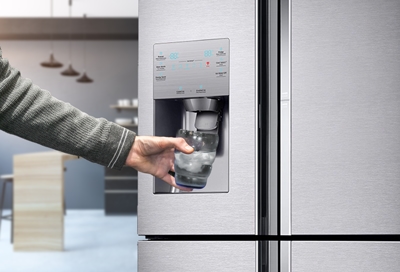
Before diving into troubleshooting, it helps to know how your ice maker functions. Samsung French door refrigerators usually have a built-in ice maker in the upper left section. Water flows through a dedicated line and filter into the ice maker, where it’s frozen, then cubes are released into a storage bin. Pressing the dispenser paddle activates a motor that pushes ice out.

36% off Today’s Exclusive Deals
Limited-time Exclusive Deals. Check current discount on Amazon.
Check Price on Amazon As an Amazon Associate I earn from qualifying purchases.Most models use sensors to monitor ice levels and water supply. The system is designed to pause ice production when the bin is full. Any interruption in this process can stop ice production or cause poor performance.
Common Ice Maker Problems And What Causes Them
Understanding the problem is the first step to a fix. Here are the most frequent ice maker issues with Samsung French door refrigerators:
- Ice maker not making ice: Often caused by water supply problems, control settings, or a jam.
- Ice maker not dispensing ice: Usually due to a stuck auger, motor failure, or ice clumping.
- Small or misshaped ice cubes: Linked to low water pressure or a clogged filter.
- Ice maker freezing up: May be the result of frost buildup, faulty sensors, or temperature issues.
- Leaking water: Generally caused by improper installation, clogged drains, or cracked parts.
Quick Troubleshooting Checklist
Before taking anything apart, check these basics. Many ice maker issues are caused by simple, fixable mistakes:
- Is the ice maker power turned on?
- Is the water line connected and open?
- Is the refrigerator temperature cold enough?
- Is the ice bin correctly inserted?
- Is the child lock or dispenser lock on?
If any of these are off, fixing them may solve your problem immediately.
Diagnosing And Fixing Ice Production Problems
1. Power And Control Settings
Start by making sure your ice maker is actually turned on. In most Samsung models, you can check this on the front control panel. Look for a button labeled “Ice Off” or a similar icon. If it’s lit, press it to turn the ice maker on.
If your refrigerator has a “Demo Mode” or “Showroom Mode” setting, make sure it’s disabled. Demo mode keeps the lights on but turns off cooling and ice production. You can usually exit demo mode by pressing and holding two specific buttons for several seconds (check your model’s manual).
2. Water Supply Issues
No water, no ice. Check the water line at the back of your refrigerator. It should be firmly attached, with the valve fully open.
- Kinked or frozen water line: Straighten any kinks. If the line is frozen, unplug the fridge and let it thaw, or use a hair dryer on low heat (be careful not to melt plastic).
- Clogged filter: Replace the water filter if it’s older than six months or the water flow seems weak.
Water Pressure Table
Here’s how to check if your water pressure is enough for good ice production:
| Water Pressure | Symptoms | Solution |
|---|---|---|
| Below 20 psi | Slow ice, small cubes | Check supply, call plumber |
| 20–120 psi | Normal operation | No action needed |
| Above 120 psi | Leaks possible | Install pressure regulator |
If you’re unsure about your water pressure, you can buy a simple water pressure gauge at a hardware store.
3. Ice Maker Reset
Sometimes, the ice maker just needs a reset. Locate the reset button (often under the ice maker cover or near the bottom). Press and hold for about 10 seconds until you hear a chime. The ice maker should start a cycle within a few minutes.
Tip: After resetting, wait at least 24 hours for normal ice production to resume.
4. Freezer Temperature Check
Ice makers work best when the freezer is set between 0°F and 5°F (-18°C to -15°C). If it’s warmer, ice production will be slow or stop. Use the fridge’s control panel or a separate thermometer.
5. Ice Bin Alignment
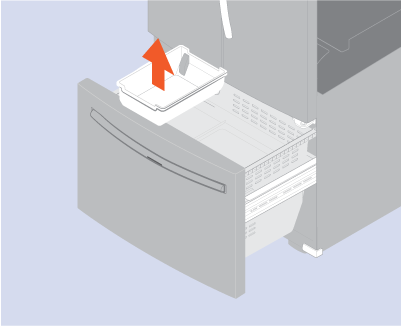
If the ice bin is not seated properly, the ice maker may pause or stop. Pull out the bin and reinsert it, making sure it clicks into place.
Addressing Ice Dispensing Problems
You may hear the motor running but nothing comes out, or the dispenser may be silent. Try these steps:
1. Ice Clumping Or Jams
If you don’t use the ice maker for days, cubes can freeze together.
- Remove the ice bin.
- Break up clumps with a spoon (never use sharp objects).
- Wipe the bin dry and replace.
Tip: Regularly empty and clean the bin to prevent clumping.
2. Dispenser Motor Or Auger Issues
The auger is the spiral metal bar that pushes ice forward. If it’s stuck or broken, ice won’t dispense.
- Remove the bin and check if the auger turns freely.
- If jammed, clean out any ice or debris.
- If the auger is broken or stripped, you may need a replacement part.
3. Dispenser Door Or Flap Problems
The ice chute has a small flap that opens when you press the lever. If it sticks, ice can build up inside.
- Check for frost or ice blocking the flap.
- Clean with warm water and dry thoroughly.
4. Dispenser Lock
Many Samsung fridges have a dispenser lock. If the lock icon is on, turn it off using the panel controls.
Solving Small Or Misshaped Ice Issues
When ice cubes are too small, hollow, or odd-shaped, water flow is often to blame. Here’s what to check:
- Clogged water filter: Replace the filter.
- Low water pressure: Confirm supply valve is fully open.
- Partially frozen water line: Thaw as needed.
- Incorrect temperature: Set freezer to at least 0°F.
Filter Replacement Frequency Table
Proper filter changes are critical to ice quality.
| Household Size | Ice/Water Use | Filter Change Interval |
|---|---|---|
| 1–2 people | Low | Every 6 months |
| 3–4 people | Medium | Every 4–6 months |
| 5+ people | High | Every 3–4 months |
Non-obvious insight: Even if you rarely use ice, filters can clog with tiny particles and bacteria over time, not just from heavy use.
Fixing Frozen Or Iced-up Ice Makers
A frozen ice maker is a common Samsung issue. Here’s how to diagnose and solve it:
- Check for frost build-up: Look around the ice maker and chute.
- Defrost the ice maker: Unplug the refrigerator for several hours, or use the “Force Defrost” mode (found in some models).
- Inspect the ice maker heater: Some models use a small heater to prevent freezing. If the heater fails, you may need a service call.
- Check door seals: Poor seals let in warm air, causing condensation and ice buildup.
Practical tip: Wipe door seals with warm, soapy water every few months to keep them flexible and sealing tightly.
Comparison: Manual Vs. Automatic Defrost
| Feature | Manual Defrost | Automatic Defrost |
|---|---|---|
| Effort | User must unplug and wait | System handles defrosting |
| Time to fix | Several hours | 1–2 hours |
| Mess | Possible water on floor | Usually contained |
| When to use | No auto defrost available | For minor frost buildup |
Dealing With Leaks Or Water Under The Fridge
Finding water under your Samsung fridge can be stressful. Ice maker leaks are often simple to fix:
- Check water line connections for drips or loose fittings.
- Inspect the ice bin for cracks.
- Clean the defrost drain: A clogged drain can cause overflow. Use a pipe cleaner or warm water to unclog.
Non-obvious insight: Sometimes, a leak is caused by the fridge being slightly tilted. Make sure your fridge is level (side to side, front to back) to help water flow properly.

When To Call For Service
While many ice maker issues can be fixed at home, some require a professional:
- Repeated freezing up even after defrosting
- Error codes on the display panel
- No water flow despite clear lines and new filter
- Broken internal parts (like the ice maker motor or heater)
If your refrigerator is still under warranty, contact Samsung support. For more details, you can also visit the official Samsung Support page.
Preventive Maintenance Tips
Regular care keeps your ice maker in top shape:
- Change water filter on schedule
- Empty and clean ice bin monthly
- Check for water leaks each season
- Inspect door seals for gaps or cracks
- Listen for unusual noises from the ice maker
Model-specific Tips
Samsung French door refrigerators come in many models. Some have extra features like dual ice makers, “Ice Max” bins, or Wi-Fi diagnostics. Always check your user manual for model-specific instructions, especially for accessing and resetting the ice maker.
Common Mistakes To Avoid
- Using hot water to defrost ice makers (can warp plastic parts)
- Ignoring filter change alerts
- Forcing the ice bin back in place (may break guides or sensors)
- Using sharp objects to break ice clumps
Taking shortcuts often leads to bigger, more expensive problems.
Cost Of Repairs And Replacement Parts
If you need to replace parts, here’s a general idea of what to expect:
- Water filter: $30–$60
- Ice maker assembly: $80–$200
- Water inlet valve: $20–$50
- Service call: $100–$200, depending on location
Genuine Samsung parts are best for reliability. Avoid cheap imitations, as they may not fit well or could void your warranty.
Energy And Performance Facts
A blocked or malfunctioning ice maker can increase your energy bill. When the ice maker struggles to make ice, it may cause the compressor to run longer, especially if the freezer door isn’t sealing tightly. Keeping your ice maker well-maintained can save both energy and money.
Fact: According to the U.S. Department of Energy, a refrigerator with a faulty ice maker can use up to 15% more electricity.
Frequently Asked Questions
Why Is My Samsung Ice Maker Making Noise?
Some noise is normal—like clicking or humming during ice dropping. But loud grinding, buzzing, or knocking can mean a jammed auger, low water pressure, or ice buildup. Remove the ice bin and check for stuck cubes or broken parts.
How Long Does It Take A Samsung Fridge To Make Ice After Reset?
It usually takes 6 to 12 hours for the first batch of ice after a reset, but full ice production can take up to 24 hours. Make sure the freezer is set to 0°F and the water line is connected.
What Should I Do If The Ice Tastes Bad Or Smells Funny?
Replace the water filter and clean the ice bin with mild soap and warm water. Flush the first few batches of ice after a filter change. If problems persist, check your home’s water supply for odors.
Can I Use My Refrigerator Without The Ice Maker Connected?
Yes, but make sure the ice maker is turned off to prevent it from running dry, which can damage parts. Some models let you remove the ice maker completely if you don’t need it.
How Often Should I Clean My Ice Maker?
Clean the ice bin at least once a month. If your household uses a lot of ice or you notice build-up, clean more often. Replace the water filter every 3 to 6 months for best results.
When your Samsung French door refrigerator ice maker stops working, it’s rarely a lost cause. Most issues can be resolved with simple steps, a little patience, and regular maintenance. By understanding how the system works, checking each part, and acting quickly on small problems, you can enjoy fresh ice and avoid costly repairs. Regular care and attention keep your fridge running smoothly, making your kitchen life easier and more reliable.

