

Singer sewing machine troubleshooting starts with checking thread path, bobbin, needle, and tension settings.
I’ve spent years fixing Singer sewing machines for friends, small businesses, and my own projects. This guide on Singer Sewing Machine Troubleshooting walks you through clear steps, real examples, and simple fixes. Read on to learn fast solutions, maintenance routines, and when to call a pro so your machine runs smoothly and your projects stay on track.

36% off Today’s Exclusive Deals
Limited-time Exclusive Deals. Check current discount on Amazon.
Check Price on Amazon As an Amazon Associate I earn from qualifying purchases.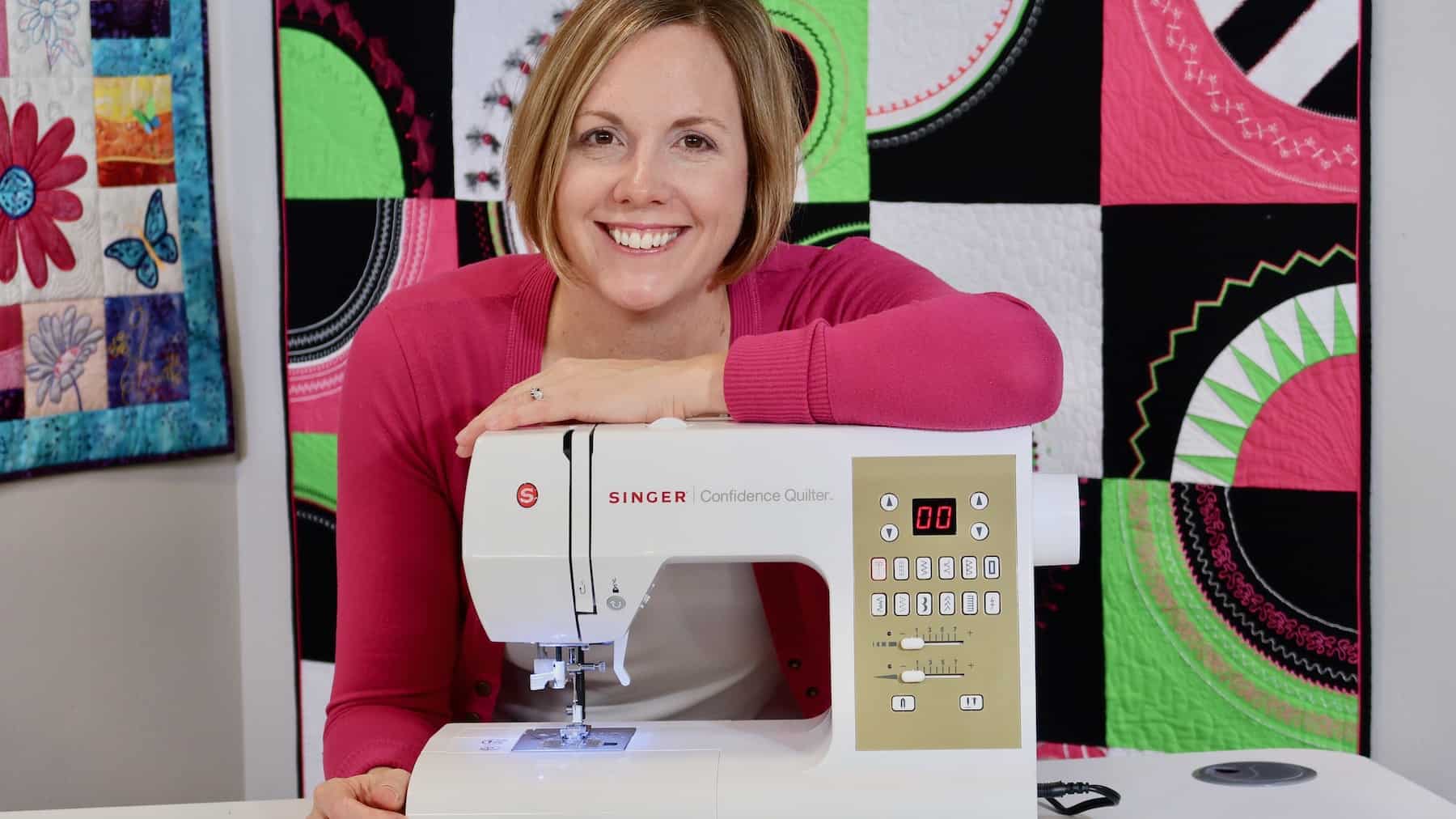
Why Singer Sewing Machine Troubleshooting Matters
Singer sewing machines are reliable. Even so, small issues block progress fast. Knowing basic Singer Sewing Machine Troubleshooting saves time and frustration.
A quick fix often prevents bigger repairs. Simple checks cut downtime and keep projects on schedule. This section explains why troubleshooting matters and how it protects your machine and stitches.
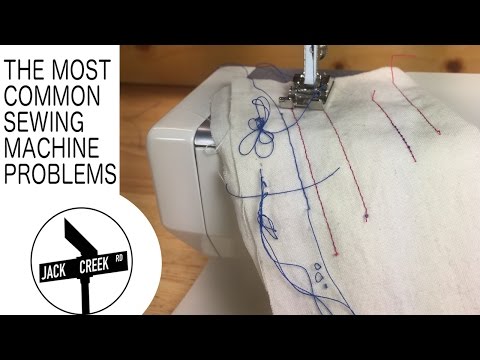
Common Problems and Step-by-Step Fixes
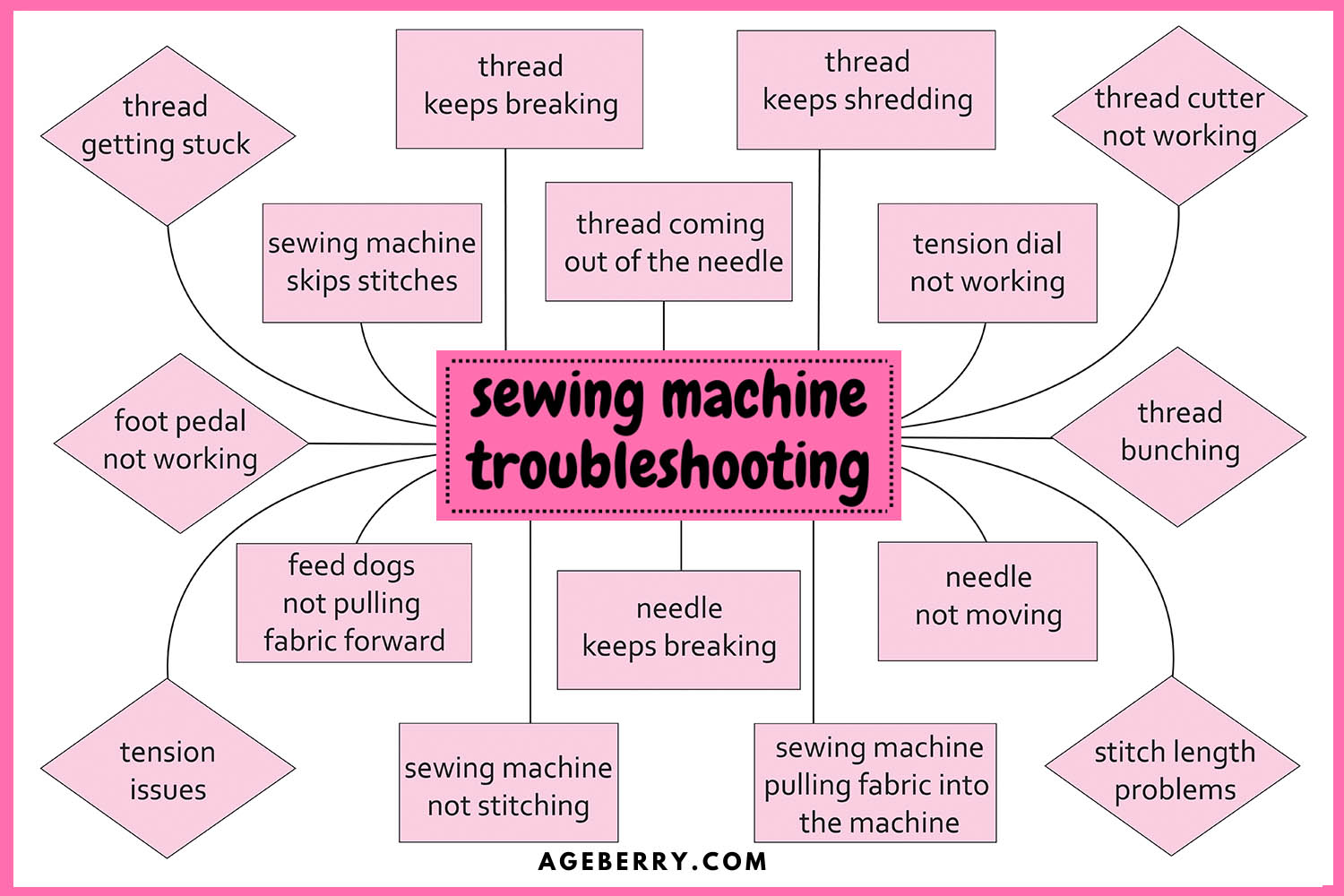
Below are frequent issues and clear steps for Singer Sewing Machine Troubleshooting. Each fix is short and practical.
Machine won’t turn on
Check power and foot pedal connection. Replace the cord if frayed. Test a different outlet. If still dead, the motor or switch may need service.
Machine won’t sew or needle won’t move
Ensure the handwheel is unlocked and the bobbin case is installed. Remove lint and clean the feed-dog area. If the motor hums but nothing moves, a broken belt or internal gear can be the cause.
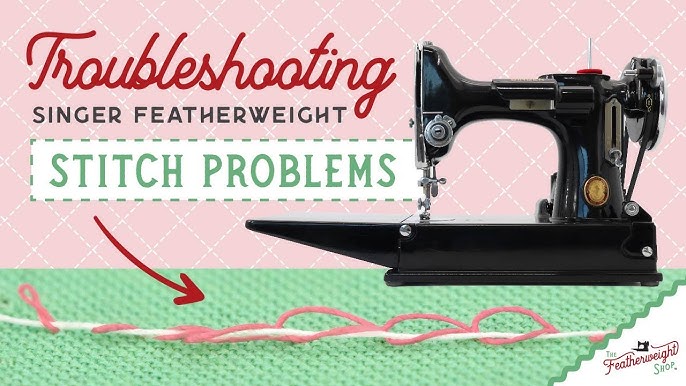
Thread bunching under the fabric (birdnesting)
Re-thread the top thread fully, including the tension discs. Check bobbin threading direction. Clean lint from the bobbin case. Use the correct needle and thread weight.
Skipped stitches
Replace a bent or dull needle and use the correct size for the fabric. Check that the needle is inserted fully and facing the right direction. If skipping persists, timing may be off and needs professional adjustment.
Needle breaks frequently
Use a fresh needle and match it to fabric and thread. Avoid pulling fabric while sewing. Check for a bent needle plate or rough edges on the presser foot area and replace if needed.
Fabric not feeding evenly
Check feed-dog position and presser foot pressure. Raise the presser foot to set fabric then lower and test. Clean under the throat plate and remove any sticky buildup.
Bobbin thread problems
Inspect the bobbin for dents or rough spots. Wind the bobbin evenly and fill it properly. Make sure the bobbin case is clean and seated correctly.
Unusual noises or grinding
Stop sewing immediately. Clean lint and oil points per the manual. If noise continues, gears or bearings may need professional repair.
PAA-style questions
Why is my Singer sewing machine skipping stitches?
Skipped stitches are usually caused by the wrong needle, a dull needle, or incorrect needle insertion. If those are fine, timing or bent parts may be the problem and require professional servicing.
How do I stop thread bunching under my fabric?
Re-thread the machine from spool to needle, check bobbin direction, and clean the bobbin case area. Use correct tension settings and the right needle for your thread.
Can I fix a broken belt myself?
Yes, if you have a compatible replacement and basic tools. Follow the owner’s manual for belt routing; otherwise, a technician can replace it safely.

Regular Maintenance and Preventive Care
Routine care keeps Singer Sewing Machine Troubleshooting minimal. Do these tasks weekly or after heavy use.
- Clean lint and dust from bobbin area, feed dogs, and under the needle plate using a small brush.
- Oil moving parts as the manual instructs. Use sewing machine oil sparingly and in the right spots.
- Replace the needle every 6–8 hours of sewing or when you change fabric types.
- Check the tension settings before a project and test on scrap fabric.
- Store your machine covered and away from moisture and direct sun.
A clean machine sews smoother and lasts longer. I maintain two machines and clean them after each project. That habit cut my repairs by half.
Tools and Parts You Should Know
Keep a small kit ready for Singer Sewing Machine Troubleshooting. These items make many fixes fast.
- Spare needles in multiple sizes
- Extra bobbins compatible with your Singer model
- Small screwdriver set for plates and covers
- Soft brush and compressed air (used gently) for lint removal
- Sewing machine oil labeled for machines
- Replacement belt and a spare presser foot or needle plate if your model allows
Having parts on hand speeds repairs. I once finished a dress the same day because I had the right needle and bobbin ready.
When to Repair Yourself vs. When to Call a Pro
Some Singer Sewing Machine Troubleshooting is safe for DIY. Other problems need an expert touch.
Do it yourself when:
- The fix is cleaning, re-threading, or replacing needles and bobbins.
- The problem is an obvious external part like a belt or presser foot.
- You feel comfortable following the owner’s manual steps.
Call a pro when:
- The machine has gear noise, burning smell, or electrical faults.
- Timing is off after basic fixes or if internal gears need adjustment.
- You lack tools or the repair risks warranty or safety.
I tried a timing fix once and made the problem worse. I learned that complex issues cost less in the long run when handled by a trained technician.

Personal Tips and Real-World Troubleshooting Stories
I’ll share short real examples to help with Singer Sewing Machine Troubleshooting.
- Story 1: A student’s thread always bunched. Re-threading and cleaning fixed it in five minutes. Lesson: never skip re-threading when troubleshooting.
- Story 2: My aunt had constant skipped stitches. Replacing the needle solved it. Lesson: change the needle often.
- Story 3: A small shop brought a machine that clicked loudly. A worn gear was the cause. Professional repair fixed it. Lesson: strange noises mean stop and inspect.
Tips I use every day
- Test stitch on scrap after any change.
- Mark successful tension and stitch settings for common fabrics.
- Keep a log of repairs and parts replaced for future reference.
Frequently Asked Questions of Singer Sewing Machine Troubleshooting
How do I know if my Singer needs a tune-up?
If stitches become irregular, noises appear, or the machine struggles to feed fabric, it’s time for a tune-up. Regular service every 1–2 years helps avoid major repairs.
What thread and needle combination is best?
Match needle size to fabric weight and thread type. Lightweight fabrics use finer needles and light thread; heavy fabrics need larger needles and strong thread.
Can I use any bobbin in my Singer machine?
No. Use bobbins specified by your Singer model. The wrong bobbin can cause tension issues and damage the bobbin case.
How often should I oil my Singer machine?
Follow the owner’s manual. Many machines need light oiling after several hours of use or when instructed by the manual. Over-oiling can attract lint.
Why does my machine smell like burning?
A burning smell can mean motor strain, dust near heated parts, or a jammed fabric. Stop sewing, unplug the machine, and inspect for lint or jam. Get professional help if the smell persists.
What should I do if the bobbin thread keeps breaking?
Check bobbin winding for evenness, ensure the bobbin is seated correctly, and use compatible bobbins. Switch to a fresh, quality thread and re-thread the machine.
Conclusion
Singer Sewing Machine Troubleshooting becomes simple with clear checks, regular care, and the right tools. Start with basic steps: re-thread, clean the bobbin area, replace needles, and test on scrap fabric. When in doubt, stop and get professional help to avoid costly damage.
Try the tips in this guide on your next project. Bookmark this post, keep a maintenance kit, and share your repair stories or questions in the comments to help others.

