

Most control faults stem from wiring, remote issues, or sensor failures in split AC units.
I’ve spent years diagnosing and repairing HVAC controls, and this guide breaks down Split Air Conditioner Control Troubleshooting into clear, practical steps you can use today. You will learn how the controls work, common causes of failure, step-by-step tests, real-life tips I’ve learned on service calls, and when to call a pro. Read on to save time, avoid unnecessary part replacements, and get your split system back to steady comfort.

36% off Today’s Exclusive Deals
Limited-time Exclusive Deals. Check current discount on Amazon.
Check Price on Amazon As an Amazon Associate I earn from qualifying purchases.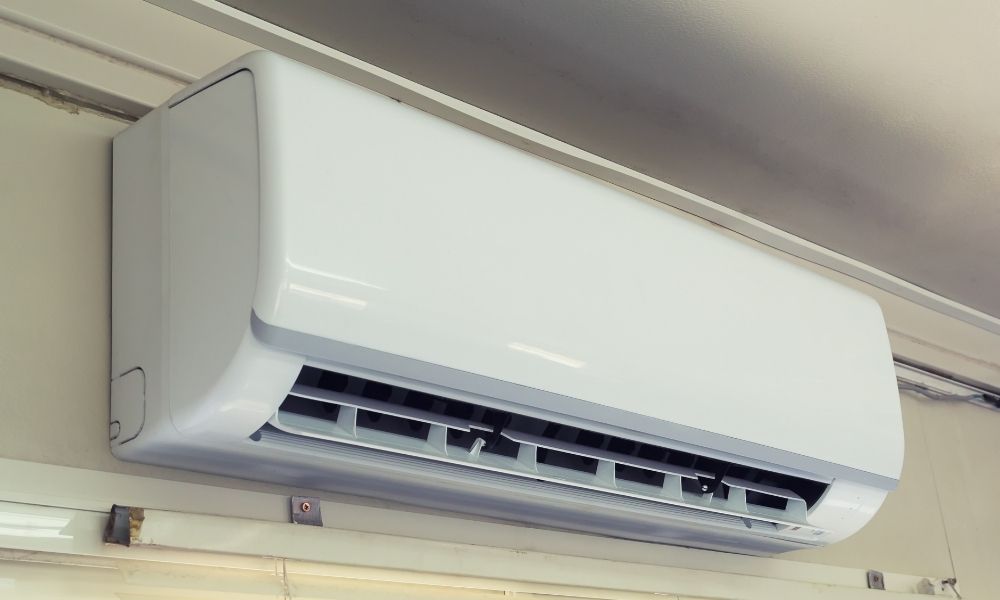
How split AC controls work: basic definition and key parts
A split system uses an indoor unit, an outdoor unit, and an electronic control system that links them. The control system includes the thermostat or remote receiver, main PCB (printed circuit board), sensors, relays, and communication wiring. Understanding each part helps with Split Air Conditioner Control Troubleshooting and keeps fixes targeted and safe.
Common control problems and symptoms
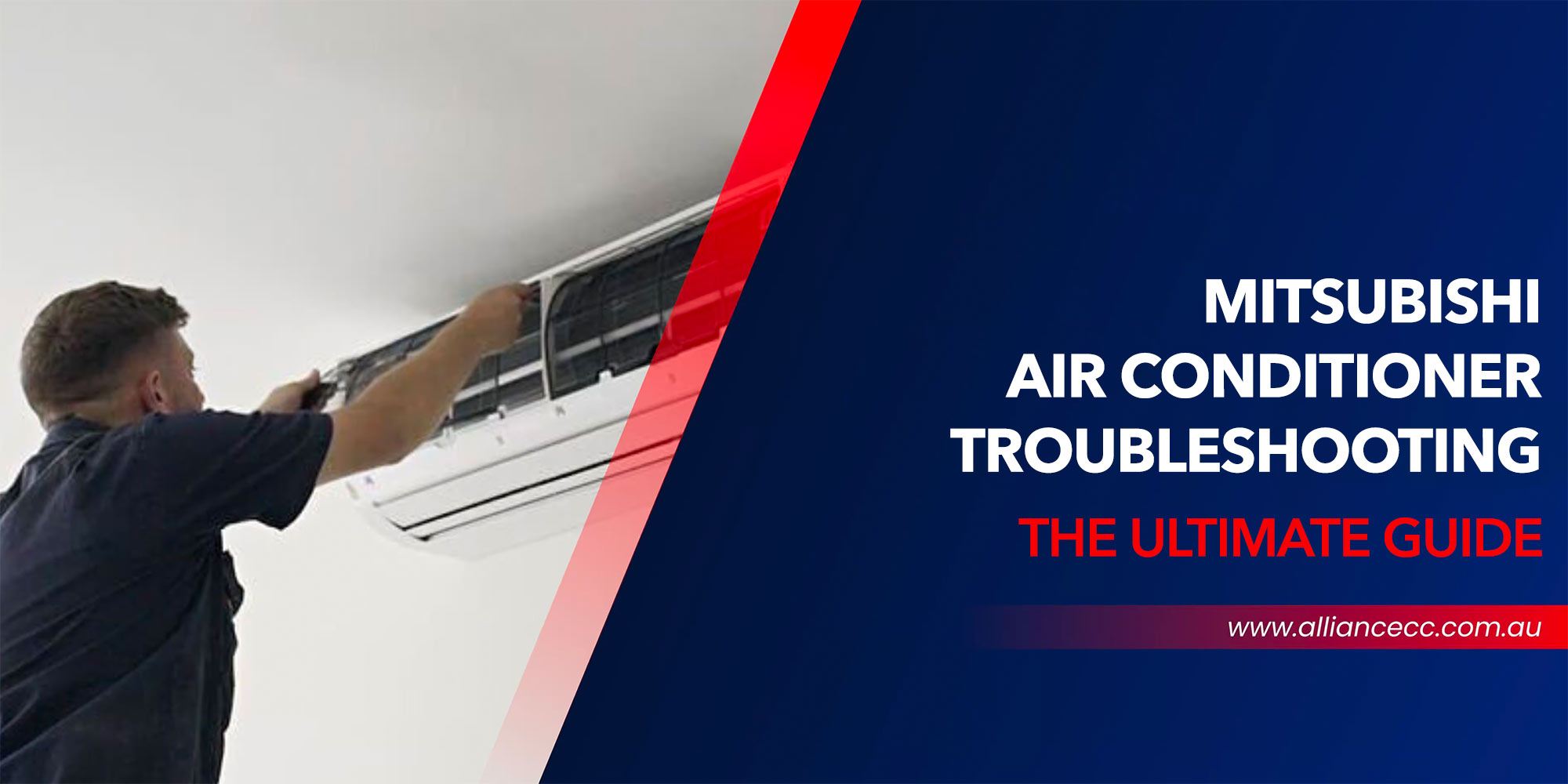
Many faults show clear signs that guide troubleshooting. Watch for these common symptoms during Split Air Conditioner Control Troubleshooting.
- Unit won’t respond to remote or panel
- Could be remote battery, IR receiver, or lost pairing.
- Unit runs but won’t cool or heat
- Could be incorrect mode, thermostat sensor fault, or PCB issue.
- Indoor fan won’t change speeds
- Could be motor wiring, capacitor, or control relay.
- Unit turns on/off unexpectedly
- Could be a weak power supply, bad relay, or communication error.
- Error lights or flashing codes on display
- Often points to specific sensor or communication faults.

Tools and basic checks you need before troubleshooting
Having simple tools saves time and improves safety during Split Air Conditioner Control Troubleshooting.
- Multimeter for voltage and continuity checks
- Use to test power at the PCB and sensors.
- Screwdrivers and insulated pliers
- For safe access and wiring checks.
- Infrared thermometer or contact thermometer
- To verify temperature sensor readings.
- Camera or phone
- To record wiring before disconnecting anything.
Step-by-step Split Air Conditioner Control Troubleshooting guide
Follow a logical order. Start with simple, low-risk checks and move to deeper diagnostics.
- Check power and breakers
- Confirm the circuit breaker and isolation switch are on.
- Measure incoming voltage at the outdoor unit and indoor PCB.
- Verify remote and control inputs
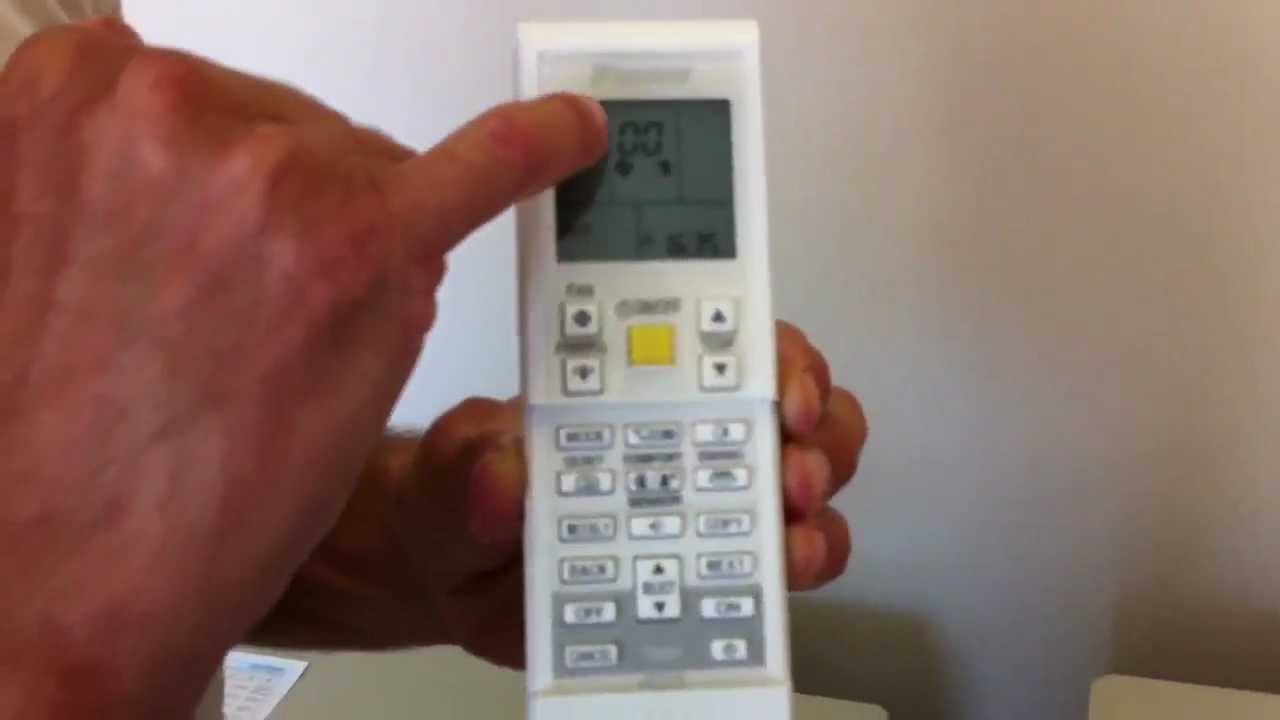
- Replace remote batteries and try the unit’s manual controls.
- Re-pair remote if necessary and look for blocked IR receivers.
- Inspect wiring and connectors
- Tighten loose terminal screws and look for burnt or corroded wires.
- Match wiring to the unit’s wiring diagram before changes.
- Read error codes and LED patterns
- Note flashing sequences on the indoor display and consult service manual.
- Use codes to target sensors, valve issues, or communication faults.
- Test sensors
- Measure thermistor resistance at room temp and compare to expected values.
- Replace sensors that read out of spec or are clearly damaged.
- Check relays and fan motor control
– Listen for clicking when the mode changes. No click can mean a faulty relay.- Test fan motor windings and capacitor for correct values.
- Inspect the PCB and replace sparingly
- Look for blown components, bulging capacitors, or water damage.
- Replace the PCB only after ruling out wiring and sensor errors.
- Confirm communication between indoor and outdoor units
- Check the communication bus voltage and polarity.
- Replace or repair damaged communication cables.
I’ve often solved issues by simply re-seating loose connectors and cleaning contact points. Small fixes like that can prevent PCB replacement.
Error codes, LEDs, and what they usually mean
Error codes speed diagnosis when you know how to read them. Each manufacturer uses its own codes, but some patterns repeat.
- Continuous flashing on panel
- Often signifies a communication error between units.
- Specific numeric codes
- Usually map to a sensor or component; look up the code in the manual.
- Rapid blinking followed by pause
- May indicate EEPROM or memory faults on the PCB.
When you see a code, log it, turn off power for a minute, then restart and re-check. Persistent codes after restart point to hardware faults rather than software glitches.

Safety tips and precautions
Safety is essential during Split Air Conditioner Control Troubleshooting.
- Always shut power at the breaker before touching wiring.
- Wear insulated gloves when testing live circuits.
- Avoid testing compressors without proper tools and training.
- If you smell burning or see smoke, power down immediately and call a professional.

Preventive maintenance to reduce control issues
Routine care keeps control problems rare and predictable.
- Clean or replace air filters monthly during heavy use.
- Keep indoor and outdoor units free of dust and debris.
- Inspect wiring and terminals annually for corrosion.
- Schedule professional tune-ups to calibrate sensors and check refrigerant.
My experience shows yearly checks prevent most control board failures and keep the system responsive.
Cost and limitations: what troubleshooting can and cannot do
Troubleshooting narrows down faults and may fix many control issues without part replacement. However, it has limits.
- Troubleshooting can identify faulty sensors, wiring problems, and bad remotes.
- It cannot fix sealed system leaks or mechanical compressor failures.
- Some PCB faults require OEM parts and tech-level programming.
Be honest about costs. Replacing a PCB may be costly and, for older units, replacing the whole system can be more economical.
When to call a professional
Call a licensed HVAC technician if any of the following apply.
- You find burnt PCB components or smoke.
- The compressor or refrigerant system shows issues.
- You are uncomfortable working with live voltage or gas.
- Replacing the PCB needs programming or matched parts.
A pro can also test communication lines and run manufacturer diagnostics safely and quickly.
Personal experiences and lessons learned
On service calls I saw many avoidable mistakes. One client replaced a PCB twice when a loose communication cable caused the problem. Another had a blocked drain pan that shorted the indoor board. I learned to always start with wiring and basic checks. Simple steps often save both time and money.
Frequently Asked Questions of Split Air Conditioner Control Troubleshooting
What is the first thing I should check when my split AC won’t respond?
Check power: circuit breaker, isolation switch, and the unit’s power indicator. Then test the remote batteries and try manual panel buttons.
How do I read error codes on a split AC?
Note the LED pattern or numeric code, then consult the unit’s service manual for the meaning. Restarting power once can confirm if the code persists.
Can a bad sensor cause the unit to stop cooling?
Yes. A faulty temperature sensor can mislead the PCB and stop the compressor or change modes. Testing sensor resistance helps confirm failure.
Is it safe to replace the PCB myself?
Only if you are experienced with HVAC electrics and follow safety steps. If a PCB needs programming or the system has refrigerant issues, hire a professional.
How often should I schedule maintenance to avoid control issues?
Annual professional service is recommended, plus simple filter and coil cleaning every few months. Regular checks reduce surprises and extend system life.
Conclusion
Split Air Conditioner Control Troubleshooting is a practical skill that saves time and cost when approached methodically. Start with power, remotes, and wiring, then move to sensors, relays, and the PCB. Keep safety first, log any error codes, and call a qualified technician for smoke, compressor issues, or uncertain repairs. Try the basic steps here, schedule routine maintenance, and leave complex electrical or sealed-system work to pros. If this guide helped, subscribe for more HVAC tips, share your troubleshooting story in the comments, or ask a specific question below.

