

Quick fix: Most Trane furnace issues stem from simple causes like power, filters, or thermostat settings.
I’ve worked on hundreds of Trane furnaces and written guides for homeowners and techs alike. This article gives clear, field-tested Trane furnace troubleshooting steps you can use right away. You’ll find easy checks, step-by-step diagnostics, safety tips, and when to call a pro. Read on to gain confidence fixing common Trane furnace problems and to prevent repeat issues.

36% off Today’s Exclusive Deals
Limited-time Exclusive Deals. Check current discount on Amazon.
Check Price on Amazon As an Amazon Associate I earn from qualifying purchases.
How Trane Furnaces Work
A basic Trane furnace turns fuel into heat and moves that heat through your home using a blower and ducts. Modern Trane furnaces use electronic controls, safety sensors, and sealed combustion for efficiency and safety. Knowing these parts helps when you do Trane furnace troubleshooting. Familiarity with the thermostat, ignition system, blower motor, heat exchanger, and control board makes diagnosis faster and safer.

Common Trane Furnace Problems
Here are the frequent reasons owners call for Trane furnace troubleshooting:
- Furnace won't start
- No power, tripped breaker, or thermostat issues often cause this.
- Furnace runs but no heat
- Ignition, gas supply, or flame sensor problems are common.
- Short cycling
- Furnace turns on and off rapidly due to thermostat, airflow, or safety switches.
- Blower runs but no heat
- Gas valve or ignition failure may be the issue.
- Strange noises
- Loose parts, bearings, or burners cause rattles, bangs, or squeals.
- Frequent pilot or ignition lockouts
- Dirty sensors or venting issues can trigger safety shutdowns.
- High energy bills
- Dirty filters, poor airflow, or failing components reduce efficiency.
- Bad odors
- Dust burning on startup, gas smell, or mold in ducts need attention.
- Error lights or diagnostic codes
- Control boards flash codes to point to faults.
Each issue above can be solved with targeted Trane furnace troubleshooting steps. Start with the simplest checks before moving to more technical work.

Trane Furnace Troubleshooting Checklist
Use this checklist as your first line of defense. Work top-to-bottom and keep safety in mind.
- Check power and switches
- Verify the furnace switch is on. Reset the breaker if needed.
- Inspect the thermostat
- Ensure correct mode, temperature, and fresh batteries.
- Replace or clean the air filter
- A clogged filter limits airflow and causes many problems.
- Confirm gas supply
- Make sure the gas valve is open and other gas appliances work.
- Look for error lights
- Note blinking patterns and compare with the manual.
- Check vents and flues
- Blocked vents cause pressure and safety switch trips.
- Examine pilot or ignition
- For older pilot models, ensure pilot flame. For electronic ignition, note any startup attempts before lockout.
- Inspect the blower and motor
- Clean, oil (if applicable), and ensure the blower runs smoothly.
- Check condensate lines (high-efficiency units)
- Clogs can trigger shutdowns.
- Scan for unusual smells or sounds
- Carbon monoxide risk or mechanical wear needs immediate attention.
I once fixed a repeating short-cycle issue by swapping a cheap thermostat for a compatible, programmable unit. That single change ended weekly service calls and saved energy.

Diagnosing Specific Issues
Here are focused steps for common faults with suggested fixes.
No power or furnace dead
- Confirm the switch at the furnace and the circuit breaker.
- Replace thermostat batteries.
- If the control board has no lights, suspect a blown fuse on the board or failed transformer.
Furnace runs but no heat
- Verify gas supply and pilot/ignitor action.
- Clean the flame sensor with fine emery cloth if it’s dirty.
- If the gas valve clicks but won’t open, a technician may need to test the gas valve and control board.
Short cycling (turns on and off quickly)
- Replace dirty air filter and check return vents.
- Verify correct furnace size and thermostat placement.
- Test limit switch and heat exchanger for overheating conditions.
Blower runs continuously or won’t run
- Check thermostat fan setting and limit switch.
- Inspect blower motor capacitor and wiring.
- Lubricate motor bearings if serviceable or replace motor if failing.
Strange noises and vibrations
- Tighten loose panels and screws.
- Balance or replace worn belts and bearings.
- Inspect burners and heat exchanger for debris or damage.
Frequent ignition lockouts or error lights
- Clean flame sensor and ignition assembly.
- Check pressure switch and venting for blockages.
- Record LED blink counts and match to the manual for targeted diagnosis.
These targeted steps will resolve many issues during DIY Trane furnace troubleshooting. When in doubt, stop and call a licensed HVAC pro.
Reading Trane Error Codes and Indicator Lights
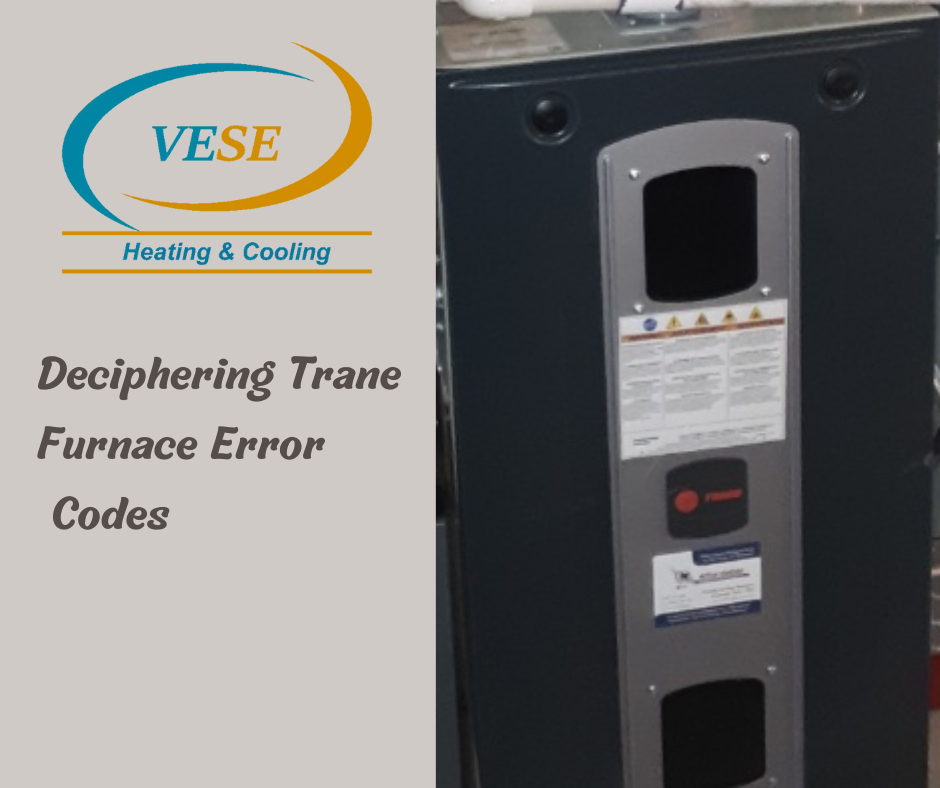
Most Trane furnaces use an LED on the control board to flash diagnostic codes. The blink pattern points to a system fault and helps speed repair.
- Count the blinks and note pauses
- Blinks typically repeat in a pattern like two blinks, pause, then two blinks.
- Common code meanings
- Lockout or ignition failure, pressure switch issues, flame loss, or blower faults are typical flags.
- Thermostat and control display errors
- Some digital thermostats show fault codes that match furnace diagnostics.
Always record the exact blink pattern before resetting power. If a reset clears the code but it returns, document timing and conditions and share this with your technician. Consult the Trane manual for exact code definitions when performing Trane furnace troubleshooting.
Tools and Safety for Trane Furnace Troubleshooting
Use the right tools and respect safety rules when working on a furnace.
Essential tools
- Multimeter for voltage and continuity checks
- Screwdrivers and nut drivers
- Small wire brush and emery cloth
- Flashlight and notepad for codes and observations
- Replacement filters and basic parts like thermostats or filters
Safety tips
- Turn off power and gas before opening panels.
- Ventilate if you smell gas and leave the house if the smell persists.
- Use a carbon monoxide alarm during tests.
- If you’re unsure, call a licensed tech to avoid risk.
I always test with a multimeter and confirm zero voltage before touching wiring. That habit has prevented many hazards in my field work.

Maintenance Tips to Avoid Future Troubleshooting
Regular care reduces breakdowns and extends furnace life.
- Change filters every 1 to 3 months
- Frequency depends on pets, dust, and usage.
- Schedule annual professional tune-ups
- Inspect burners, heat exchanger, and safety devices.
- Keep vents and returns clear
- Furniture and curtains can block airflow.
- Seal and insulate ducts
- Good ductwork cuts energy loss and prevents strain on the system.
- Use a compatible thermostat and set sensible schedules
- Proper programming reduces cycles and wear.
Small investments in maintenance often avoid costly Trane furnace troubleshooting calls later.

When to Call a Professional HVAC Technician
Call a pro right away if you see any of these red flags.
- You smell gas or strong fuel odors
- The furnace makes loud banging or metal-cracking sounds
- Carbon monoxide alarm activates or you feel headaches/dizziness
- Repeated lockouts or error codes persist after basic checks
- Heat exchanger cracks or visible corrosion appear
A licensed technician has tools and training for safe repairs. For warranty-covered furnaces, professional service may be required to keep coverage valid.

Frequently Asked Questions of Trane Furnace Troubleshooting
What is the first thing to check when my Trane furnace won't start?
Check power to the furnace, the furnace switch, and the circuit breaker. Also check thermostat batteries and settings.
How often should I replace the air filter on my Trane furnace?
Replace standard filters every 1 to 3 months; higher-efficiency filters may last longer but watch airflow.
Can a dirty flame sensor cause my Trane furnace to shut down?
Yes. A dirty flame sensor often causes ignition lockouts and is a common fix in Trane furnace troubleshooting.
Why does my Trane furnace short cycle?
Short cycling can be caused by clogged filters, poor airflow, thermostat placement issues, or failing safety switches.
Is it safe to reset my Trane furnace’s control board by turning power off and on?
Yes, a simple power reset is safe and can clear temporary faults, but record codes before resetting and call a pro if faults return.
How long should a Trane furnace last with proper maintenance?
With regular service and care, a Trane furnace can last 15 to 20 years, though parts may need replacement sooner.
Conclusion
Trane furnace troubleshooting starts with simple checks: power, thermostat, and filters. Work methodically, use safe tools, and document error codes. Small fixes and regular maintenance prevent many repeat problems and save money. If you encounter gas smells, persistent lockouts, or signs of carbon monoxide, call a licensed HVAC technician right away. Try the checklist steps today, subscribe for more tips, and leave a comment with your Trane furnace issue so I can help.

