

Most grinder pump issues come from clogs, electrical faults, or a failed float switch.
I’ve spent years diagnosing and fixing grinder pumps for homes and small businesses. This guide to Grinder Pump Troubleshooting walks you through clear steps, common causes, safety tips, and when to call a pro. Read on for practical fixes, real-world lessons, and a reliable plan to get your pump back to work.

36% off Today’s Exclusive Deals
Limited-time Exclusive Deals. Check current discount on Amazon.
Check Price on Amazon As an Amazon Associate I earn from qualifying purchases.
How Grinder Pumps Work and Why They Fail
A grinder pump macerates solids and pumps wastewater up to a sewer line or septic system. It uses rotating blades, an electric motor, and a float or pressure switch to start and stop. Understanding this simple cycle helps when you troubleshoot. Common failure points are clogs, worn blades, burned motors, float switch problems, and power issues. Knowing the parts and how they interact makes troubleshooting faster and safer.

Common Symptoms and Root Causes
Recognizing symptoms lets you narrow down causes quickly.
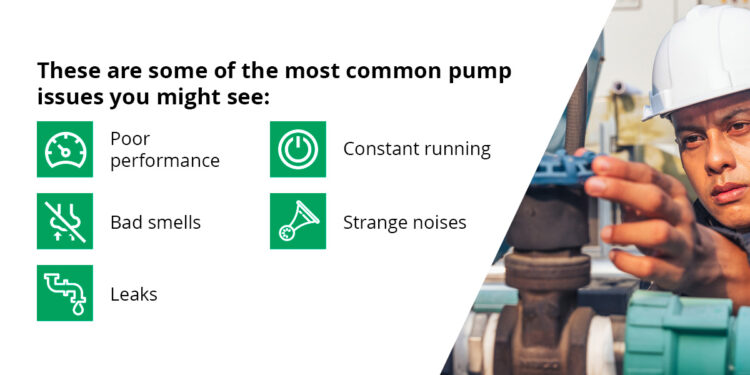
- Alarm or constant running
- Often a stuck float, sensor fault, or a clog causing high tank level.
- No power or no start
- Could be tripped breaker, bad outlet, loose wiring, or a burnt motor.
- Weak flow or reduced pressure
- Worn impeller, partial clog, or loss of prime.
- Strange noises or vibration
- Jammed grinder, damaged bearings, or motor distress.
- Frequent on/off cycling
- Faulty float, bad control relay, or shorted wiring.
Each symptom points to specific checks. Start with the easiest: power, then floats, then inlet and grinder area.
Step-by-Step Grinder Pump Troubleshooting Guide
Follow these steps in order. Stop if a task needs a licensed technician.
-
Safety first
- Turn off power at the breaker.
- Wear gloves and eye protection.
- Keep the area ventilated.
-
Check power and controls
- Verify the breaker and fuses.
- Reset the control panel if it has a reset button.
- Look for tripped alarms or diagnostic lights.
-
Inspect the float switch or level sensor
- Make sure floats move freely and are not tangled.
- Clean sensors and check wiring connections.
- Replace a stuck or waterlogged float.
-
Clear visible clogs
- Remove and inspect the access lid per manual.
- Use gloved hands or a tool to clear large debris from the inlet.
- Avoid sticking anything into the grinder blades while powered.
-
Test the motor and grinder
- With power off, try to rotate the shaft by hand if accessible.
- If it’s seized, the grinder may need replacement.
- If the motor hums but won’t start, it may be burned or have a bad start capacitor.
-
Check valves and discharge line
- Look for blockages or closed valves.
- Inspect the check valve for buildup or damage.
- Ensure discharge piping is intact and not frozen or collapsed.
-
Run diagnostic cycles after repairs
- Restore power and observe startup.
- Watch for correct float action and cycling intervals.
- Monitor noise, vibration, and flow for 15–30 minutes.
If troubleshooting up to the motor or internal grinder fails, plan for professional service or replacement.
Safety, Tools, and Best Practices
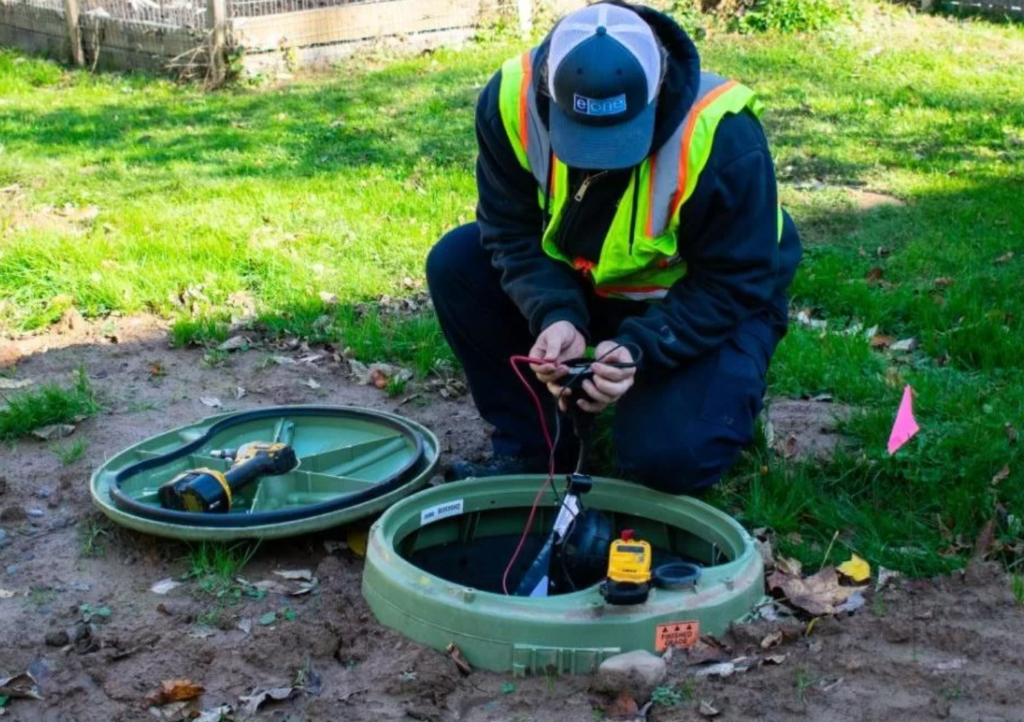
Handling wastewater equipment requires care and the right tools.
-
Essential tools
- Multimeter for voltage checks.
- Basic hand tools for access and fasteners.
- Rubber gloves and eye protection.
-
Safe practices
- Lock out breaker before working.
- Avoid using metal tools near live wiring.
- Do not bypass safety switches or alarms.
-
When to avoid DIY
- If the motor needs disassembly or rewinding.
- If electrical faults involve control panels or buried wiring.
- When local codes require licensed technicians.
Treat grinder pump troubleshooting like a plumbing and electrical task combined. Don’t rush. Small mistakes can mean big repairs.
Maintenance Tips to Prevent Future Problems
Consistent care reduces breakdowns and repair bills.
-
Routine checks every 3 months
- Listen for unusual sounds.
- Confirm float and alarm function.
- Check for leaks or corrosion.
-
Monthly quick tasks
- Inspect the control panel for error lights.
- Make sure vents and lids are sealed.
-
What to avoid putting into the system
- Grease, cooking oils, large solids, diapers, sanitary items, and excessive paper.
- Harsh chemicals that can corrode seals and motor parts.
-
Seasonal care
- Winterize exposed lines.
- Flush the system after heavy use.
Good maintenance is the best way to avoid emergency grinder pump troubleshooting.

When to Call a Professional
Some problems need a licensed technician.
- Repeated alarm or tank overflows despite clearing clogs.
- Burned motor smell, smoke, or visible motor damage.
- Complex electrical issues or control panel failures.
- Pump replacement, seal failure, or major plumbing changes.
If costs approach replacement or you lack tools and comfort with electrical work, call a pro. A trained technician can test amp draw, diagnose start capacitors, and safely replace components.
Personal Experience: Lessons from the Field
I once fixed a pump that ran non-stop due to a small rag caught around the float line. The owner had ignored a faint alarm for months. The fix was simple: remove the rag, clean the tank, and adjust the float. More complex jobs taught me these lessons.
- Don’t ignore minor alarms; they often precede major failures.
- Keep spare parts: a float switch and basic seals save time.
- Document repairs and date them; future troubleshooting gets faster.
Real-world troubleshooting is part patience, part method. Treat each symptom like a clue in a short mystery.

Troubleshooting Checklist (Quick Reference)
Use this checklist during an inspection.
- Confirm power at breaker and control panel.
- Listen for motor hum or unusual sounds.
- Inspect float or level sensor for free movement.
- Clear visible inlet debris.
- Check discharge line and valves.
- Test motor rotation and measure current draw if able.
- Restore power and observe normal cycling.
A short checklist saves time and keeps you safe.
Frequently Asked Questions of Grinder Pump Troubleshooting
What causes a grinder pump alarm to go off?
Alarms usually signal high tank level or a fault. Common causes are a stuck float, clog in the inlet, or electrical failures.
How do I reset a grinder pump alarm?
Locate the control panel and use the reset button if available. Always check the cause first and restore power only after confirming safety.
Can I run a grinder pump with a frozen discharge line?
No. Frozen discharge can cause back pressure and burn the motor. Thaw the line safely and check for damage before restarting.
How often should I perform maintenance on my grinder pump?
Inspect the pump every 3 months and do quick monthly checks on floats, alarms, and the control box. More frequent checks help prevent emergencies.
Is it safe to clear clogs myself?
You can clear visible, easy clogs with power off and protective gear. Avoid digging into the grinder or motor area; call a pro for internal repairs.
Conclusion
Grinder Pump Troubleshooting becomes simple when you follow a step-by-step plan: check power, test floats, clear clogs, and watch startup cycles. Regular maintenance and safe practices stop most breakdowns. If a repair feels beyond your skill, call a licensed technician to avoid bigger problems. Take action today—inspect your pump, note any alarms, and schedule routine care to keep your system reliable. Share your experience or questions below, or subscribe for more practical pump and plumbing guides.

