

Hydraulic directional control valve troubleshooting fixes leaks, sticking spools, electrical faults, and flow loss quickly.
I have spent years repairing and testing hydraulic systems in factories and mobile rigs. This guide on Hydraulic Directional Control Valve Troubleshooting pulls together practical steps, test methods, and real-world tips. Read on for clear, field-proven advice to find the root cause fast and get equipment back to work.

36% off Today’s Exclusive Deals
Limited-time Exclusive Deals. Check current discount on Amazon.
Check Price on Amazon As an Amazon Associate I earn from qualifying purchases.
What is a Hydraulic Directional Control Valve and why troubleshoot it?
A hydraulic directional control valve routes fluid to move actuators. It controls direction, stop, and speed in hydraulic circuits. The valve can be a simple manual unit or a complex proportional or servo valve. Problems cause poor motion, slow cycles, and unsafe conditions.
Hydraulic Directional Control Valve Troubleshooting means finding what stops the valve from working. It covers leaks, contaminated fluid, electrical faults in solenoids, binding spools, and seat wear. Good troubleshooting saves time and parts by finding the real problem quickly.
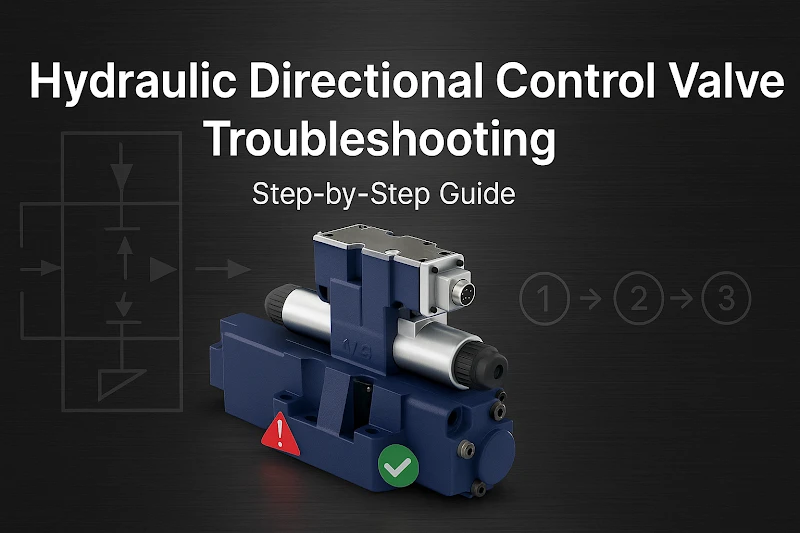
Why timely Hydraulic Directional Control Valve Troubleshooting matters
Delays in troubleshooting cause production loss and add repair cost. A bad valve can overload pumps or damage cylinders. Addressing valve issues early keeps systems safe and efficient.
Regular troubleshooting protects equipment life. It reduces downtime and lowers fluid contamination risk. It also helps maintain predictable machine behavior.
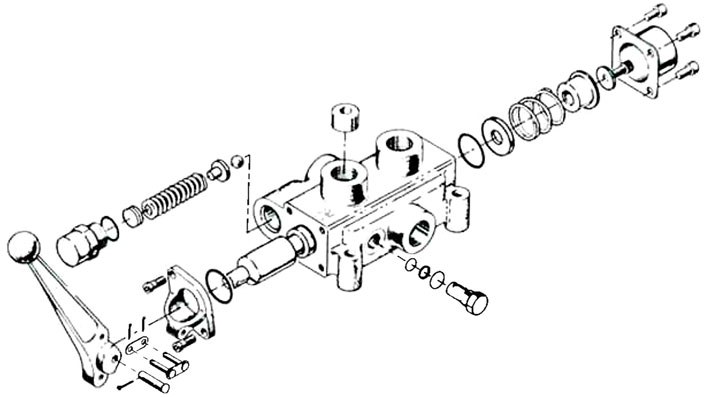
Common symptoms and root causes
Symptoms to watch for:
- Valve does not shift when commanded.
- Slow actuator movement or jerky motion.
- External or internal leakage.
- Overheating or unusual pump noise.
- Intermittent operation or electrical failure.
Likely root causes:
- Contaminated fluid that abrades spool or ports.
- Worn seals or spool lands causing internal leakage.
- Coil or connector faults on solenoid valves.
- Damaged or warped spool from impact or corrosion.
- Incorrect valve configuration or wrong pressure setting.
- Air trapped in the hydraulic circuit.
Hydraulic Directional Control Valve Troubleshooting must match a symptom to a cause. Start with the simplest checks. This avoids wasted work.

Step-by-step Hydraulic Directional Control Valve Troubleshooting procedure
Follow a clear order to avoid misdiagnosis:
- Safety first. De-energize electrical circuits and relieve system pressure. Lock out and tag out.
- Visual check. Look for external leaks, loose hoses, and damaged connectors.
- Fluid check. Examine hydraulic oil color, smell, and level. Note contamination or foaming.
- Electrical check. Measure coil voltage and continuity. Inspect connectors and fuses.
- Control signal check. Verify pilot pressure, electrical commands, or CAN/fieldbus signals.
- Functional test. Operate the valve and watch spool motion or pilot response.
- Pressure and flow test. Use gauges at inlet, outlet, and work ports to find pressure drops.
- Isolation test. Swap the suspect valve with a known-good valve or isolate it on a bench.
- Internal leak test. Measure actuator drift or hold tests to detect internal leakage.
- Repair or replace based on findings. Re-test after repair.
Keep steps short and logical. Hydraulic Directional Control Valve Troubleshooting is faster with a consistent routine.

Diagnostic tools and tests you should use
Essential tools:
- Pressure gauges for system and port pressures.
- Flow meter to measure flow rate and pulsation.
- Multimeter for coil and wiring checks.
- Hand-held pump for bench tests.
- Clean benches and kits for disassembly.
- Particle counter or simple patch test for contamination checks.
Useful tests:
- Coil resistance and supply voltage test to find electrical faults.
- Blocking test to see if spool seals hold pressure.
- Leak-down test on actuators to find internal valve leakage.
- Flow bypass test to detect worn spool lands or seats.
Well-chosen tests narrow down issues quickly. Pair tests with checks from manufacturer specs for accuracy when troubleshooting Hydraulic Directional Control Valve Troubleshooting.

Repair, adjustment, and maintenance tips
Simple repairs often solve major faults:
- Clean the valve and the tank before disassembly. Dirt causes repeat failures.
- Replace seals, O-rings, and gaskets with correct materials and sizes.
- Inspect spool and bore for scoring. Light scratches can be polished; deep damage needs replacement.
- Check solenoid coils for heat damage. Replace if resistance is out of spec.
- Reassemble with correct torques and alignment. Misalignment causes binding.
- Set relief and pilot pressures to manufacturer values. Wrong pressures create odd behavior.
- Always flush the system after repairs to remove debris.
When to rebuild versus replace:
- Rebuild if wear is limited to seals, minor scoring, or coils.
- Replace when spools are warped, ports are eroded, or repair cost nears new valve price.
Hydraulic Directional Control Valve Troubleshooting often ends at cleaning and seal replacement. Make sure to follow fluid cleanliness targets after repair.

Real-world examples and personal experience
I once diagnosed a slow lift on an excavator by following a basic routine. Visual checks showed no leaks. Pressure tests revealed high drop across the directional valve. After bench testing, a worn spool land was found. A seal kit fixed the issue temporarily. The final fix was replacing the valve because the bore was scored too deep.
Lessons learned:
- Always check fluid cleanliness first. I lost a day rebuilding a valve when the real problem was a clogged suction filter.
- Keep spare common valves and seal kits on site. Downtime drops dramatically with fast swaps.
- Use a bench test to reproduce failures off the machine. It saves time and improves safety.
My hands-on tests taught me to trust measured data more than assumptions. That is the heart of Hydraulic Directional Control Valve Troubleshooting.

Preventive measures and best practices
Checklist to reduce valve failures:
- Keep hydraulic oil clean and at correct viscosity.
- Change filters on schedule. Inspect element condition.
- Maintain tank breathers and prevent water ingress.
- Monitor system temperature and avoid overheating.
- Train operators on correct valve use and load limits.
- Store spare valves in clean, dry locations.
Small steps cut repair needs. Preventive care makes Hydraulic Directional Control Valve Troubleshooting rare rather than routine.
People also ask (PAA-style questions)
How do I know if the directional valve is faulty?
Check for no shift, slow motion, or external leaks. Use pressure and flow tests to confirm internal leakage or electrical faults.
Can a dirty hydraulic fluid cause valve sticking?
Yes. Particles abrade spool lands and block ports, which causes sticking and wear. Clean fluid and filtration prevent this.
Is bench testing necessary for valve troubleshooting?
Bench testing isolates the valve from the system and reproduces faults safely. It is often the fastest way to confirm a valve problem.
Frequently Asked Questions of Hydraulic Directional Control Valve Troubleshooting
What is the first check for valve failure?
Start with safety, then visual inspection. Look for leaks, loose wires, and fluid contamination before deeper tests.
How do I test a solenoid on a directional valve?
Measure coil resistance with a multimeter and check for proper supply voltage when energized. Also inspect connectors and harnesses.
Can internal leakage be fixed without removing the valve?
Small leaks might be diagnosed by flow or pressure tests, but repair usually needs teardown or replacement of seals and spool work.
How often should I replace valve seals?
Replace seals when contamination is found, or during scheduled rebuilds every 1,000 to 2,000 hours depending on usage and fluid cleanliness.
What pressure readings indicate a bad valve?
Large pressure drops from inlet to work port under load, or inability to hold pressure on a blocking test, often indicate internal valve leakage.
Conclusion
Hydraulic Directional Control Valve Troubleshooting is a mix of method, tools, and clear thinking. Start with simple checks, use measured tests, and isolate the valve when needed. Apply preventive steps and learn from past fixes to cut downtime. Try the steps here on your next valve issue, subscribe for updates, or leave a comment with your troubleshooting story.

